Welsh Springer SpanielLoyal red-and-white gundog from Wales
The Welsh Springer Spaniel is a medium-sized, red-and-white gundog bred to find and flush game. Loyal, affectionate and eager to please, it bonds closely with its family and makes a wonderful companion for active households.
Why people love the Welsh Springer Spaniel
- Affectionate, gentle family companion
- Steadier and calmer indoors than many spaniels
- Eager to please and responsive to training
- Loves swimming, retrieving and field work
- Generally healthy and long-lived
Things to consider
- Needs at least an hour of daily exercise
- Prone to separation stress when left alone
- Strong bird and small-animal instinct
- Drop ears prone to infections
- Breeders are few; expect a wait
Is this breed right for you?
10 questions · live resultHistory and Origin
Spaniels have been used in Wales for centuries to find and flush birds and rabbits for hunters. The Welsh Springer developed as a distinct land spaniel known for its red-and-white coat and endurance in rough terrain.
The Kennel Club recognized the breed in 1902, separating it from the English Springer Spaniel. The AKC recognized it in 1906. It remains less common than the English Springer, which helps preserve its working qualities.
Spaniels of this type were known in Wales as starters, because they started or flushed game for hunters. The Welsh Springer was developed to work in rough, hilly terrain, giving it great stamina.
Size, Coat and Red-and-White Color
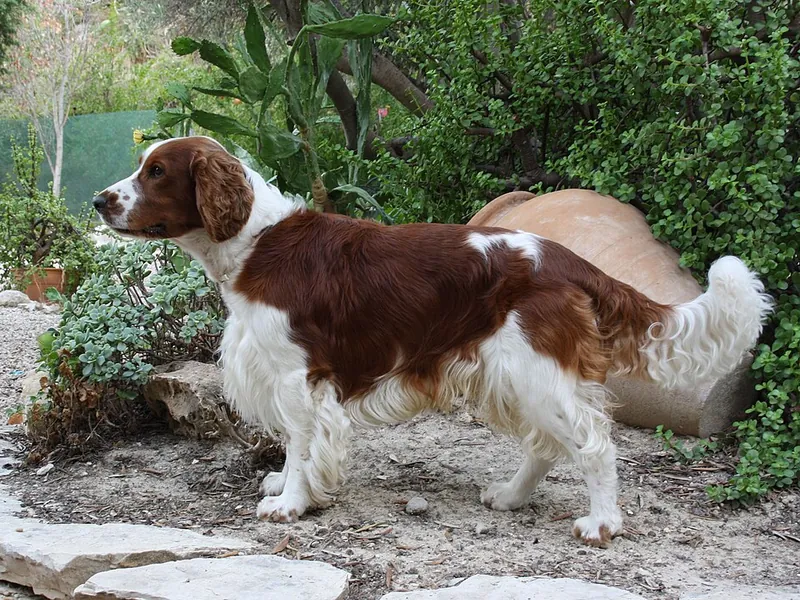
The Welsh Springer Spaniel is a compact, medium-sized gundog standing 18 to 19 inches and weighing about 35 to 55 lb. It is slightly longer than tall, strong and athletic without heaviness, built for endurance in rough terrain. Compared with the English Springer, it is a little smaller, with a slightly domed head and shorter, vine-leaf-shaped ears set fairly low.
The coat is straight, flat and silky to the touch, never wiry or wavy. It is dense enough to protect against water, thorns and weather. Moderate feathering appears on the chest, the backs of the legs, the ears and the tail.
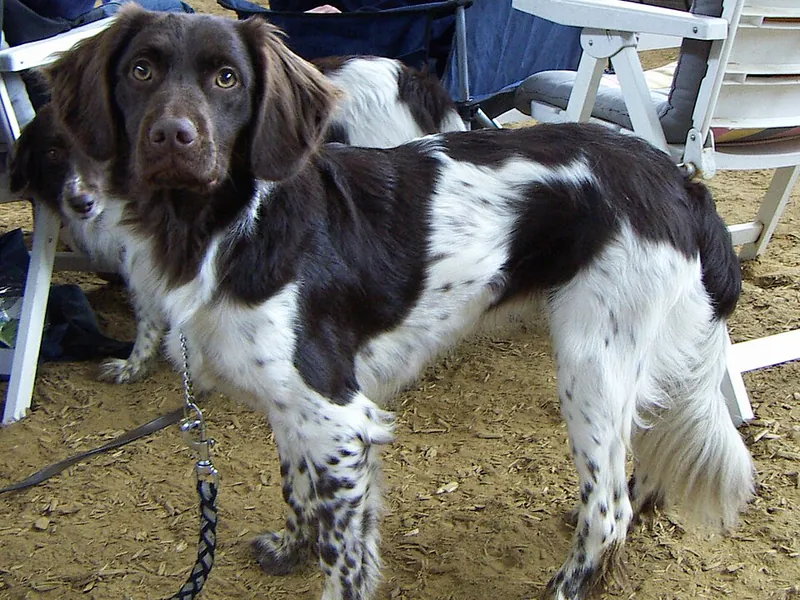
Color is the breed's trademark: always rich red and white, in any pattern. Ticking, or small red flecks in white areas, is common and allowed. Liver, black or tricolor coats belong to the English Springer, not the Welsh. Males are typically taller and heavier than females and may carry more feathering. Tails are docked in many US dogs but left natural in countries where docking is banned.
Temperament and Personality
Welsh Springers are affectionate, loyal and very people-oriented. They often bond closely with their family and may follow their owner from room to room. They are generally gentle and patient with children.
They can be reserved with strangers, more so than many sporting breeds. Their hunting instinct is strong, especially for birds and small animals. They are sensitive and respond best to positive training.
Welsh Springers are sometimes called velcro dogs because they like to be close to their people. They are generally calm indoors if exercised well, but they may develop separation stress if left alone for long periods.
Welsh Springers tend to be steady and less excitable than English Springers, which many owners appreciate in a family dog.
Are Welsh Springer Spaniels Good for First-Time Owners?
Yes, Welsh Springers can suit active first-time owners who have time for daily exercise and companionship.
They are gentle, eager to please and respond well to positive training, which makes them easier than many working breeds. The main challenges are energy and attachment. A Welsh Springer needs at least an hour of exercise daily and does not like being left alone for long. First-time owners who walk or hike daily and are home much of the day often find the breed rewarding. A puppy class and early alone-time training are good investments, especially to prevent separation stress.
Can Welsh Springer Spaniels Be Left Alone?
Welsh Springers can learn to stay alone for a few hours, but long workdays alone often lead to separation stress.
The breed is sometimes called a velcro dog, and many follow their owners from room to room. Start alone-time training in puppyhood with very short absences and build up gradually. A good run or game of fetch before leaving, plus a chew or food puzzle, helps the dog settle. If you work full-time away from home, plan for a dog walker, daycare or a family member who can break up the day. Some Welsh Springers do better with a second dog for company.
Are Welsh Springer Spaniels Good with Cats?
Many Welsh Springers live peacefully with cats, especially when raised with them.
Their hunting instinct is focused mainly on birds rather than mammals, and their gentle nature helps. Still, a running cat can trigger chasing in a young, excitable dog. Introduce a puppy to a calm cat with safe high places to retreat to, and reward the dog for calm behavior. Adult dogs without cat experience need slower, supervised introductions. Pet birds are a bigger challenge given the breed's flushing heritage, so keep them safely separated.
Exercise and Training
Welsh Springers need at least an hour of exercise daily, including off-leash running in safe areas, fetch and scent games. They enjoy field work, agility, obedience and tracking.
- Use positive training; they learn quickly and want to please.
- Practice recall around birds and wildlife.
- Build alone time gradually to prevent separation stress.
They enjoy swimming and long walks in the countryside. A tired Welsh Springer is a calm companion at home.
They respond well to training that includes retrieving and scent work, which taps into their natural hunting instincts.
Grooming and Shedding
The flat, silky coat with feathering on the legs, ears and tail needs brushing once or twice a week. Shedding is moderate. Trim feathering and hair around the feet for neatness.
Check and clean the drop ears regularly to prevent infections.
The coat is always rich red and white. It repels water and dirt fairly well, so baths are only needed occasionally.
Feeding and Nutrition
Welsh Springers are active dogs with good appetites, and many will happily eat more than they need. Weight gain puts stress on the hips and elbows, both of which are screened in the breed, so feed measured portions and adjust them to activity. You should feel the ribs easily and see a clear waist under the feathering.
- Feed puppies three or four meals a day and adults two meals.
- On days with hunting or long hikes, the dog may need a little more; on quiet days, less.
- Use small treats or part of the daily ration as training rewards.
Autoimmune thyroiditis is reported in the breed, and an underactive thyroid can cause weight gain despite normal portions. If your dog gains weight without an obvious reason, ask your vet to check its thyroid before cutting food drastically. Avoid feeding a large meal just before strenuous exercise, swimming or field work. Fresh water should always be available, especially during warm-weather activity.
| Adult weight | Less active | Typical adult | Very active |
|---|---|---|---|
| 35 lb | 780 kcal | 890 kcal | 1,110 kcal |
| 55 lb | 1,090 kcal | 1,250 kcal | 1,560 kcal |
Estimates use the resting energy formula veterinarians work with (70 × body weight in kg0.75) and standard activity factors. Use the feeding guide on your food as a starting point and adjust to body condition. Puppies, seniors, pregnant animals and pets that need to lose weight have different needs, so ask your vet.
Health and Lifespan
Welsh Springers usually live 12 to 15 years. Hip and elbow dysplasia, autoimmune thyroiditis and eye conditions such as glaucoma are reported. Ear infections can occur because of the drop ears.
Choose breeders who screen hips, elbows, eyes and thyroid.
Keeping a Welsh Springer at a healthy weight protects its joints. Regular ear cleaning after swimming helps prevent infections.
Welsh Springer Spaniel Price and Cost of Ownership
Typical breeder price in the US$1,500 to $2,500
A Welsh Springer Spaniel puppy from a reputable US breeder typically costs about $1,500 to $2,500. Prices vary by breeder, region and lines. The breed is much less common than the English Springer, so contact the breed club early and expect a waiting list.
Adoption is possible through spaniel rescue groups, which occasionally place Welsh Springers.
Breed-specific ongoing costs are moderate. The coat needs regular brushing and occasional trimming, which some owners have done professionally. Ear cleaning supplies and possible treatment for ear infections are common expenses. Health screening of hips, elbows, eyes and thyroid in breeding dogs is reflected in the puppy price. Insurance that covers dysplasia and thyroid disease is worth comparing while the dog is young. Field training or hunting activities add equipment and club costs.
Is the Welsh Springer Spaniel Right for You?
At 35 to 55 lb and 18 to 19 inches, the Welsh Springer suits active families, hunters and people who enjoy outdoor activities. It adapts to a house with a yard or a larger apartment if exercised well.
It is not ideal for owners away all day or those wanting a low-energy dog.
Welsh Springers are a great choice for families who enjoy outdoor activities and want a loyal, affectionate companion. They are less common than English Springers, so finding a breeder may take time.
Welsh Springer Spaniel Traits at a Glance
Welsh Springer Spaniel FAQ
Are Welsh Springer Spaniels good family dogs?
Yes. They are affectionate, loyal and usually very good with children.
What is the difference between a Welsh and an English Springer Spaniel?
The Welsh Springer is slightly smaller, always red and white, and often more reserved with strangers.
Do Welsh Springer Spaniels shed?
Yes, moderately. Weekly brushing helps.
How much exercise does a Welsh Springer Spaniel need?
At least an hour daily, with running and mental activities.
How big do Welsh Springer Spaniels get?
They stand about 18 to 19 inches tall and weigh around 35 to 55 lb.
How long do Welsh Springer Spaniels live?
Usually 12 to 15 years.