LabradoodleFriendly Labrador and Poodle cross
The Labradoodle crosses the Labrador Retriever with the Poodle and was first bred in Australia as a guide dog for a woman with an allergic husband. It is typically friendly, energetic and eager to learn, but coat type, size and shedding vary much more than marketing suggests.
Why people love the Labradoodle
- Friendly, social and usually great with families
- Quick to learn with positive training
- Several sizes to suit different homes
- Low-shedding coats possible in fleece and wool types
- Playful, enthusiastic companion that loves water
Things to consider
- Coat type and shedding vary unpredictably
- Fleece and wool coats mat and need regular grooming
- High energy, especially standard sizes
- Health testing not enforced by any breed club
- Dislikes long periods alone
Is this breed right for you?
10 questions · live resultHistory and Origin
In 1989 Wally Conron, breeding manager at the Royal Guide Dogs Association of Australia, crossed a Labrador Retriever with a Standard Poodle. He was trying to provide a guide dog for a visually impaired woman whose husband was allergic to dogs. One puppy from that litter, Sultan, became a successful guide dog, and the cross gained international attention. Conron later said he regretted the trend he had started, given the careless breeding that followed.
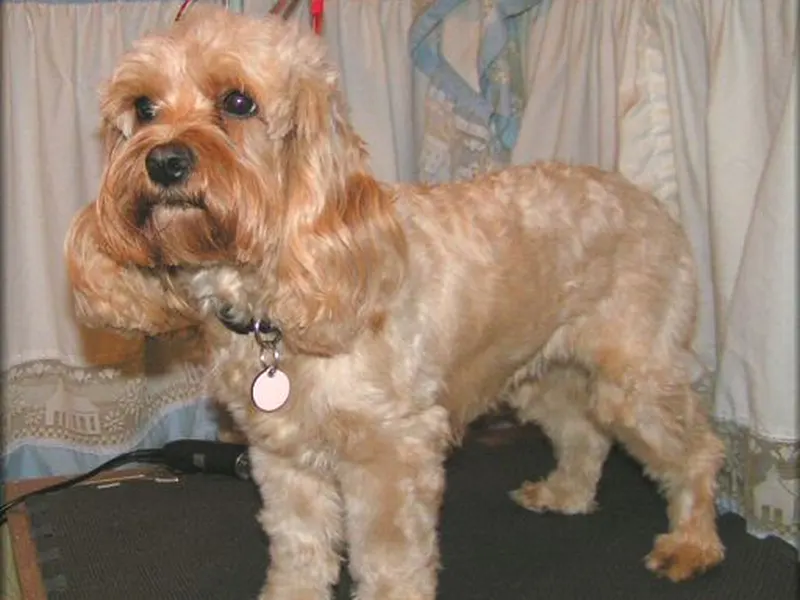
Labradoodles are not recognized as a breed by the AKC, The Kennel Club or the FCI. Some breeders work on a multi-generation type, often called the Australian Labradoodle, which may include spaniel breeds. Size depends largely on whether a Standard, Miniature or Toy Poodle was used.
Sizes, Coat Types and Colors
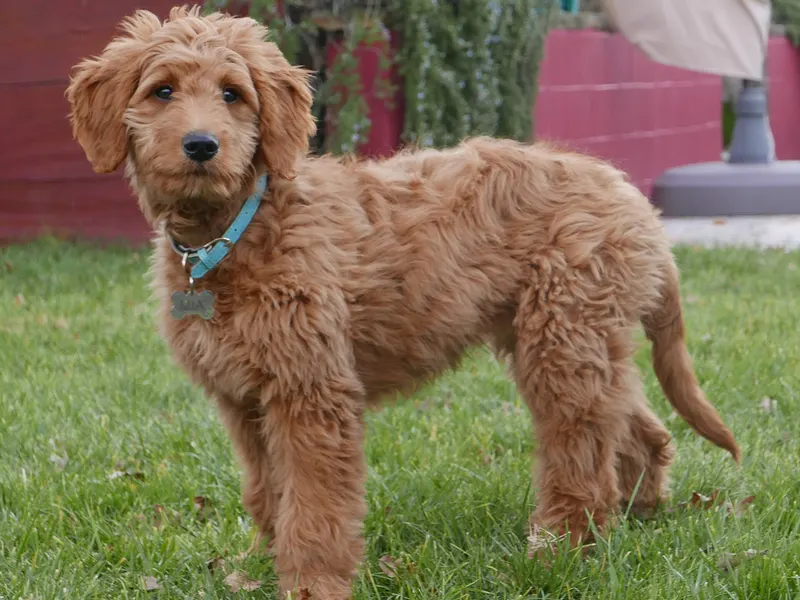
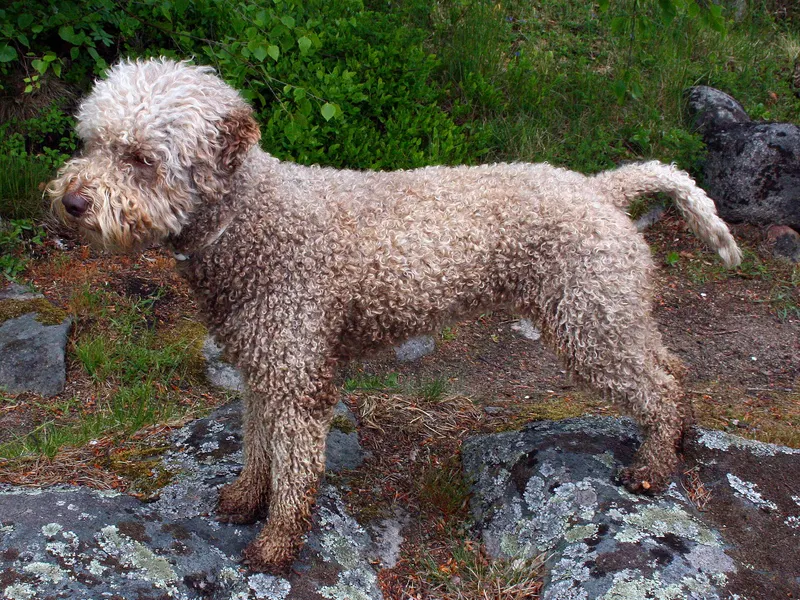
Labradoodles vary widely in size and look, standing 16 to 25 inches and weighing 29 to 75 lb. Size depends largely on the Poodle parent. Breeders usually describe three sizes:
- Standard: about 21 to 25 inches, 50 to 75 lb
- Medium: about 17 to 20 inches, 30 to 45 lb
- Miniature: about 14 to 16 inches, 15 to 25 lb
Males are usually larger than females within each size. First-generation (F1) dogs vary the most; multigeneration lines are more consistent.
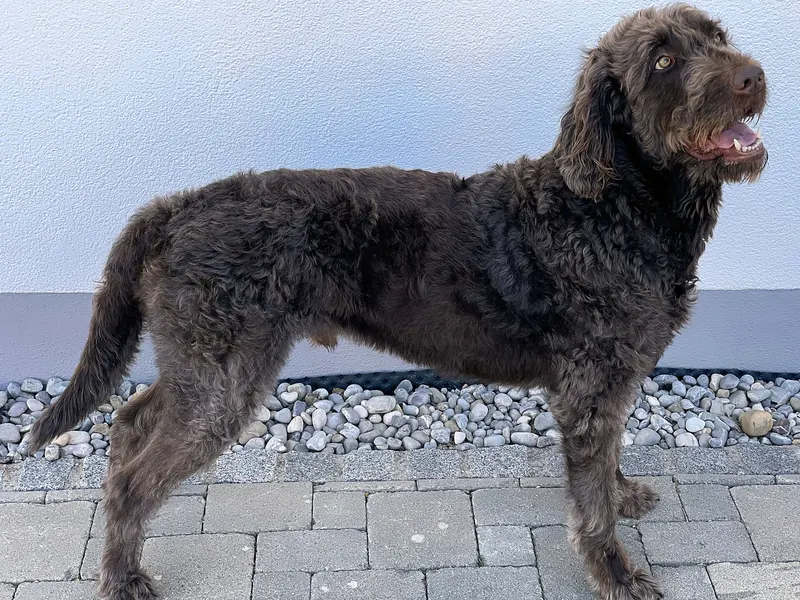
There are three main coat types:
- Hair: straighter, Labrador-like, sheds the most
- Fleece: soft and wavy, sheds less
- Wool: dense, tight curls like a Poodle, sheds least
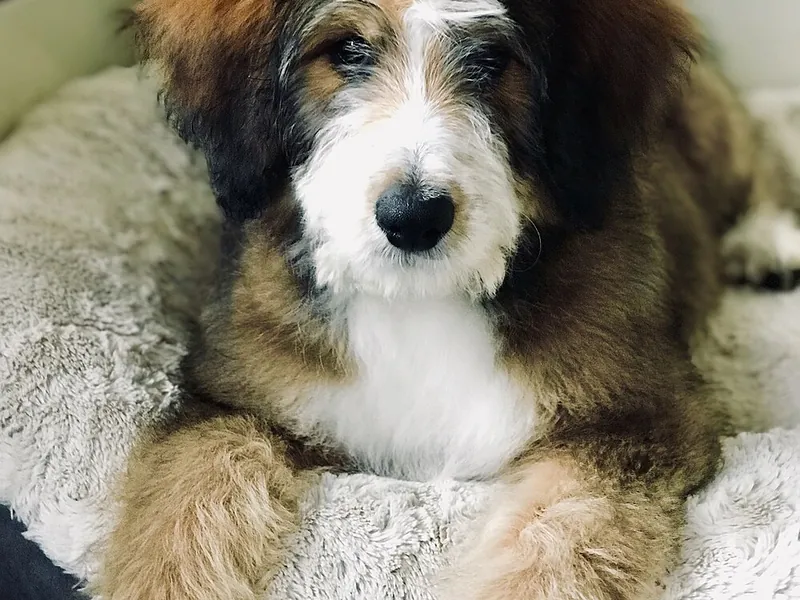
Colors include cream, apricot, gold, red, chocolate, black, silver, chalk and parti-color patterns. Some colors fade as the dog matures. Because there is no breed standard recognized by major registries, look can vary even within one litter.
Temperament and Personality
Most Labradoodles are friendly, social and playful, with both parent breeds contributing a desire to work with people. They usually get along with children, other dogs and visitors, which makes them poor guard dogs. Many stay bouncy and enthusiastic well into adulthood.
They tend to dislike being left alone for long periods. Without enough exercise and training they may jump on people, pull on the leash or chew. Because temperament varies with parentage, meet the parents whenever possible.
Are Labradoodles Good for First-Time Owners?
Yes, Labradoodles are often a good fit for first-time owners who are ready for their energy and grooming needs. They are typically friendly, eager to please and quick to learn with positive methods.
Beginners should be prepared for:
- One to two hours of activity daily for standard sizes
- Professional grooming every six to eight weeks for fleece and wool coats
- Training for polite greetings, since many jump on people
- Choosing a breeder carefully, as health testing is not enforced
A puppy class in the first months makes a big difference with this bouncy, sociable dog.
Are Labradoodles Easy to Train?
Yes, Labradoodles are generally easy to train. Both parent breeds were developed to work closely with people, and most Labradoodles pick up cues quickly with food, toys and praise.
Focus areas for this cross:
- Polite greetings, since many love people so much they jump
- Loose-leash walking, especially for standard-size dogs
- Reliable recall, particularly near water
- Impulse control around food and toys
Their intelligence means they learn bad habits just as fast, so consistency from the whole household matters. Many Labradoodles do well in obedience, agility, therapy work and trick training.
Can Labradoodles Be Left Alone?
Labradoodles can be left alone for a few hours, but they are social dogs that do not cope well with long daily isolation. Bored or lonely Labradoodles may chew, bark or dig.
To help your dog cope:
- Train alone time gradually from puppyhood
- Exercise before leaving
- Leave food puzzles or chew toys
- Use a crate or safe room
For full workdays, a dog walker or daycare is a good idea. Labradoodles do best in homes where someone is around for much of the day.
Exercise and Training
Standard-sized adults need about one to two hours of activity daily, including walks, off-leash play, swimming or retrieving. Smaller Labradoodles need less but still enjoy training games. Both parent breeds were water retrievers, so many love to swim.
Labradoodles are usually quick to learn and respond well to positive reinforcement. Early training in polite greetings, loose-leash walking and recall pays off, especially with larger dogs. Puzzle toys and scent games help them settle at home.
Grooming and Shedding
The coat may be fleece, wool (tight curls) or hair (straighter and more Labrador-like). Fleece and wool coats shed less but mat easily, so they need brushing several times a week and a trim every six to eight weeks. Hair coats shed more but are easier to maintain. Check the ears regularly, as hairy, floppy ears can trap moisture and lead to infections.
Feeding and Nutrition
Labradoodles often inherit the Labrador's love of food, which makes weight gain a real risk. Aim for a lean dog with a visible waist and ribs that are easy to feel under the coat. Fleece and wool coats can hide extra weight, so check by touch rather than sight.
Feeding depends on size. Standard Labradoodles should grow slowly on a large-breed puppy diet with controlled calcium to protect hips and elbows. Miniatures may do better on a small or medium breed formula.
Deep-chested standard Labradoodles have some risk of bloat, so feed two meals a day and avoid hard exercise around mealtimes.
Food sensitivities are sometimes reported. If itching, ear infections or loose stools persist, your vet may recommend an elimination diet trial. Use training treats sparingly and count them in the daily ration.
| Adult weight | Less active | Typical adult | Very active |
|---|---|---|---|
| 29 lb | 680 kcal | 770 kcal | 970 kcal |
| 52 lb | 1,050 kcal | 1,200 kcal | 1,500 kcal |
| 75 lb | 1,380 kcal | 1,580 kcal | 1,970 kcal |
Estimates use the resting energy formula veterinarians work with (70 × body weight in kg0.75) and standard activity factors. Use the feeding guide on your food as a starting point and adjust to body condition. Puppies, seniors, pregnant animals and pets that need to lose weight have different needs, so ask your vet.
Health and Lifespan
Labradoodles can inherit conditions from both parents. Hip and elbow dysplasia, progressive retinal atrophy and other eye problems, and ear infections are among the most common issues. Cataracts, glaucoma and heart conditions have also been reported. Conditions known in Poodles, such as Addison's disease and von Willebrand disease, may appear too.
Since no breed club enforces health testing, ask for hip and elbow scores, eye certificates and DNA test results for both parents. Labradoodles typically live 12 to 15 years.
Labradoodle Price and Cost of Ownership
Typical breeder price in the US$1,500 to $4,000
A Labradoodle puppy from a reputable US breeder typically costs about $1,500 to $4,000. Prices vary by breeder, region, size, coat type and generation, with multigeneration Australian Labradoodles at the upper end. Because quality varies widely, ask for hip and elbow scores, eye certificates and DNA test results for both parents.
Doodle rescue groups and shelters regularly rehome Labradoodles.
Ongoing cost drivers:
- Professional grooming every six to eight weeks for fleece and wool coats
- Ear care for hairy, floppy ears prone to infection
- Training classes for an energetic dog
- Insurance covering joint and eye conditions
Food costs depend on size, with standards eating far more than miniatures.
Is the Labradoodle Right for You?
The Labradoodle suits active families who want a friendly, trainable dog and are prepared for grooming costs and daily exercise. It adapts to suburban homes or, with enough activity, to city living.
People with allergies should not assume a Labradoodle will be allergen-free. Spending time with the specific dog, or with adult dogs from the same breeder, is the only practical test. The cross is less suited to homes where it would be alone most of the day.
Labradoodle Traits at a Glance
Labradoodle FAQ
Are Labradoodles hypoallergenic?
Not reliably. Some Labradoodles shed little, but coat type varies, and allergens are present in dander and saliva too.
How big do Labradoodles get?
Most stand 16 to 25 inches tall and weigh 29 to 75 lb, depending largely on the size of the Poodle parent.
Are Labradoodles good family dogs?
Yes, they are typically friendly and playful with children. Their energy and size make training important, especially around small kids.
Do Labradoodles shed?
Many shed little, especially with a fleece or wool coat, but low shedding is not guaranteed.
How much grooming does a Labradoodle need?
Brush several times a week and plan for a professional trim every six to eight weeks for fleece or wool coats.
How long do Labradoodles live?
Labradoodles usually live 12 to 15 years.