Cocker SpanielAmerica's merry, silky-coated sporting spaniel
The American Cocker Spaniel is one of the best-known family dogs in the United States: small enough for most homes, sweet with children and eager to please. Its flowing coat is beautiful but demanding, so it suits owners who enjoy regular grooming as much as daily walks.
Why people love the Cocker Spaniel
- Compact size that fits houses and apartments
- Gentle and sociable with children, dogs and cats
- Eager to please and quick to learn
- Moderate exercise needs compared with most sporting breeds
- Wide range of colors and patterns to choose from
Things to consider
- Long coat needs frequent brushing and regular professional grooming
- Prone to ear infections and inherited eye disease
- Soft temperament can turn anxious with harsh handling
- Gains weight easily
- Dislikes long hours alone and may bark
Is this breed right for you?
10 questions · live resultHistory and Origin
Cocker spaniels came to North America from England in the 1800s as small flushing dogs for woodcock, which gave them their name. American breeders gradually favored a slightly smaller dog with a rounder head, shorter muzzle and more coat, and by the early 20th century the American and English types were clearly diverging.
The AKC first registered cockers in 1878, and in 1946 it recognized the English Cocker Spaniel as a separate breed, leaving the American dog simply as the Cocker Spaniel. The breed became one of the most popular dogs in the United States for decades, helped in part by a famous show winner named My Own Brucie in the 1940s. In the UK and FCI countries it is called the American Cocker Spaniel to distinguish it from the English breed.
Size, Colors and Coat
The Cocker Spaniel is the smallest of the AKC sporting breeds, standing 14 to 15 inches and weighing 20 to 31 lb. The standard calls for males around 15 inches and females around 14 inches, and females are usually a few pounds lighter.
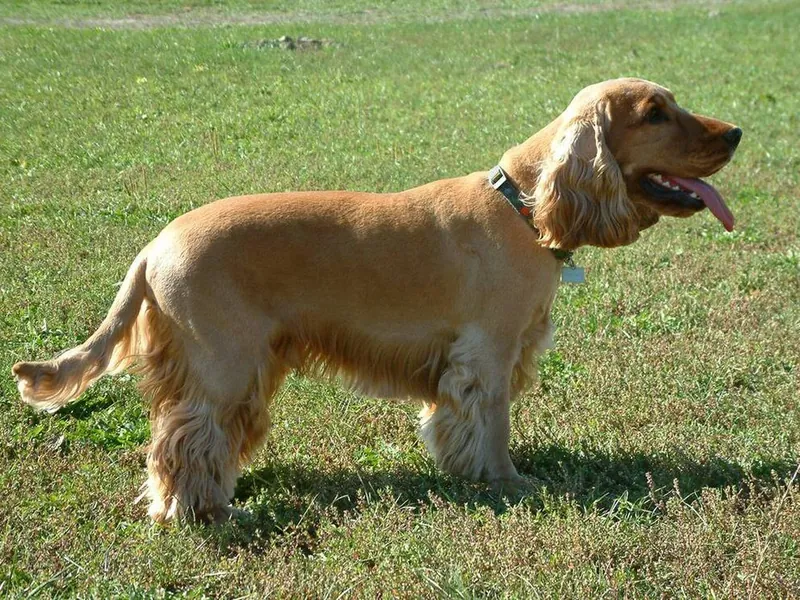
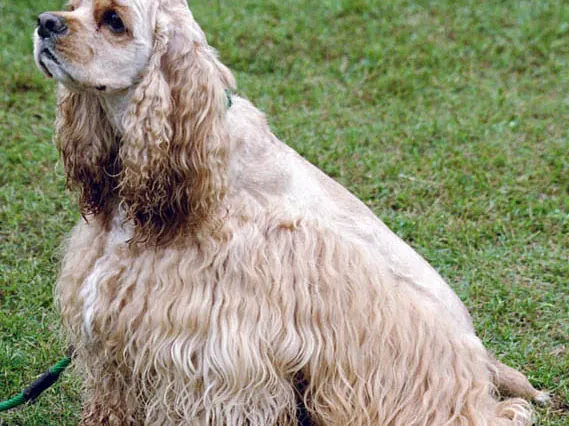
It is compact and sturdy, with a rounded skull, a short, broad muzzle, large dark eyes and long, low-set ears. The coat is short on the head, medium length on the body and flows into heavy feathering on the ears, chest, belly and legs.
The AKC shows Cockers in three color varieties:
- Black, including black and tan
- ASCOB (any solid color other than black), such as buff, red, chocolate and silver, with or without tan points
- Parti-color, two or more colors with white, including roans and tricolors
Pet Cockers are often kept in a short puppy or sporting trim, which looks very different from the floor-length show coat.
Temperament and Personality
Breed standards describe the ideal Cocker as merry, and that fits well. These dogs are affectionate, gentle and people-oriented, and they usually get along with children, other dogs and cats. They love being included in family life and often follow their people from room to room.
Cockers can be soft-natured. Harsh corrections or a chaotic home may make some dogs anxious or snappy, so calm handling and early socialization matter. Most are moderately vocal and will alert you to visitors without being serious guard dogs.
Is the Cocker Spaniel Good for First-Time Owners?
Yes, the Cocker is a good first dog for owners who are calm, consistent and happy to take on regular grooming.
Its manageable size, moderate energy and wish to please make everyday training straightforward. What catches beginners out is maintenance: ear cleaning every week, brushing several times a week and a groomer visit every six to eight weeks. Cockers are also sensitive, so gentle, reward-based training works far better than scolding. Choose a breeder who health-tests and raises puppies in a busy home, since a well-socialized Cocker is much easier for a novice than a nervous one.
Do Cocker Spaniels Bark a Lot?
Cocker Spaniels are moderate barkers: most announce visitors and noises but are not constant yappers when their needs are met.
Excess barking usually has a cause. Cockers left alone for long periods, under-exercised or bored are more likely to bark at every sound. In apartments, teach a quiet cue early and reward calm behavior at windows and doors. Daily walks with time to sniff, retrieving games and food puzzles reduce restlessness. If barking starts suddenly in an older dog, rule out pain, hearing loss or vision problems, which are common in the breed.
Are Cocker Spaniels Aggressive?
Well-bred Cocker Spaniels are typically gentle and friendly, and aggression is not a feature of the breed standard.
The breed's peak popularity in the 1980s led to careless breeding, and some dogs from that era earned a reputation for snapping, often linked to fear, pain or resource guarding. Ear infections and eye problems can make a Cocker sore and defensive when touched. A careful breeder, early socialization, gentle handling of ears and paws from puppyhood and prompt treatment of medical issues all reduce the risk. A sudden change in temper should always lead to a vet check.
Exercise and Training
Although few are used for hunting today, Cockers are still sporting dogs. Aim for 45 to 60 minutes of daily activity: walks, retrieving games and time to sniff. Many enjoy agility, rally, obedience and scent work.
The breed is generally easy to train because it wants to please and responds well to food and praise. Keep lessons upbeat and short. Cockers do not like being left alone for long, and boredom can show up as barking or chewing. Apartment life is fine with enough exercise.
Grooming and Shedding
Grooming is the biggest commitment with this breed. The silky coat on the ears, chest, belly and legs tangles easily and needs brushing several times a week, ideally daily for show-length coats. Most pet owners book a professional groom every six to eight weeks and keep the coat in a shorter trim.
The long, heavy ears trap moisture and debris, so check and clean them weekly and dry them after swimming or bathing. Trim the hair on the feet and around the ear openings, and keep up with nails and teeth. Cockers shed moderately and are not hypoallergenic.
Feeding and Nutrition
Cocker Spaniels gain weight easily, and their thick coat can hide extra pounds. Check by feel: you should find the ribs under a thin layer of fat and a defined waist under the hair. Measure food and adjust portions when activity drops, after neutering or in senior years. Hypothyroidism occurs in the breed and can cause weight gain despite normal portions, so mention unexplained weight changes to your vet.
- Feed puppies three or four meals a day and adults two.
- Use a narrow, deep bowl or a snood so the long ears stay out of the food, which helps keep them clean and dry.
- Use small, soft treats in training and subtract them from the daily ration.
Skin and ear problems sometimes have a food-allergy component. If your vet suspects this, an elimination trial under veterinary guidance is the reliable way to test it, rather than switching foods repeatedly.
Dental care matters too: brushing teeth several times a week and appropriate chews help prevent tartar buildup.
| Adult weight | Less active | Typical adult | Very active |
|---|---|---|---|
| 20 lb | 510 kcal | 590 kcal | 730 kcal |
| 31 lb | 710 kcal | 810 kcal | 1,020 kcal |
Estimates use the resting energy formula veterinarians work with (70 × body weight in kg0.75) and standard activity factors. Use the feeding guide on your food as a starting point and adjust to body condition. Puppies, seniors, pregnant animals and pets that need to lose weight have different needs, so ask your vet.
Health and Lifespan
Cocker Spaniels typically live 10 to 14 years. Eye disease is a known concern in the breed, including cataracts, progressive retinal atrophy and glaucoma, so annual eye checks are worthwhile. Ear infections are common because of the long, hairy ear flaps.
Other conditions seen in the breed include hip dysplasia and patellar luxation (slipping kneecaps). The parent breed club recommends hip, patella and eye evaluations for breeding dogs, so ask breeders for those results. Weight gain is also common, so measure meals and keep treats modest.
Cocker Spaniel Price and Cost of Ownership
Typical breeder price in the US$1,000 to $2,500
A Cocker Spaniel puppy from a reputable US breeder typically costs about $1,000 to $2,500. Prices vary by breeder, region and lines, and some colors are priced higher without being healthier. Cockers and Cocker mixes also come through rescues and shelters, often as adults.
The biggest ongoing cost driver is grooming. Most pet owners book a professional groom every six to eight weeks, which adds up to a significant yearly expense unless you learn to clip at home. Other breed-specific costs include:
- Treatment for recurring ear infections
- Annual eye exams and possible cataract or glaucoma care
- Pet insurance that covers eye and ear conditions
- Dental cleanings under anesthesia over the years
Is the Cocker Spaniel Right for You?
The Cocker suits you if you:
- Want a medium-small, affectionate family dog that gets along with kids and pets
- Are happy to brush often and budget for regular grooming
- Can provide daily walks and company for most of the day
It is a weaker fit for people who want a wash-and-go dog, have no time for ear care, or work long hours away from home.
Cocker Spaniel Traits at a Glance
Cocker Spaniel FAQ
Are Cocker Spaniels good family dogs?
Yes. They are known for gentle, affectionate temperaments and usually do well with children and other pets when well socialized.
How big do American Cocker Spaniels get?
They stand about 14 to 15 inches at the shoulder and weigh roughly 20 to 31 lb, with females on the smaller side.
Do Cocker Spaniels shed a lot?
They shed a moderate amount, and the long coat tangles easily. Regular brushing and professional grooming every few weeks keep it manageable.
Are Cocker Spaniels hypoallergenic?
No. They shed and produce the usual dog allergens, so they are not a good choice for people with dog allergies.
How long do Cocker Spaniels live?
Most live 10 to 14 years. Regular eye and ear checks and a healthy weight help them stay well.
What is the difference between an American and an English Cocker Spaniel?
The American is slightly smaller with a rounder head, shorter muzzle and fuller coat. The English Cocker is a bit taller and closer to the working field type.