LowchenThe cheerful little lion dog
The Lowchen, or little lion dog, is a small, sturdy companion known for its traditional lion clip and lively personality. Affectionate, playful and alert, it fits well into family life and apartments, provided you can manage grooming and its love of barking.
Why people love the Lowchen
- Affectionate, cheerful and great with children
- Sheds little thanks to a coat with no undercoat
- Small, sturdy size suits apartments
- Eager to please and enjoyable to train
- Generally healthy and long-lived
Things to consider
- Barks readily at visitors and noises
- Coat tangles and needs frequent brushing
- Professional grooming every six to eight weeks
- May confront much larger dogs
- Rare breed with limited availability
Is this breed right for you?
10 questions · live resultHistory and Origin
Lowchens have been depicted in European art since the Renaissance, often with the lion clip that gives them their name. They were companions in noble and merchant households in France, Germany and neighboring regions. The FCI lists France as the country of origin.
By the mid-20th century the breed was extremely rare. Belgian breeder Madame Bennert and others worked to preserve it after World War II. The AKC recognized the Lowchen in the Non-Sporting Group in 1999, and The Kennel Club lists it in the Toy Group.
Despite its name and lion clip, the Lowchen is not related to Asian lion dogs such as the Shih Tzu. It belongs to the European bichon family of small companion dogs, sharing ancestry with the Bichon Frise and Bolognese.
Size, Colors and Lion Clip
The Lowchen is a small, sturdy companion standing 10 to 13 inches at the shoulder and weighing 13 to 15 lb. Males and females are similar in size, with males sometimes slightly sturdier. The body is short and well-proportioned, with a proud head carriage.
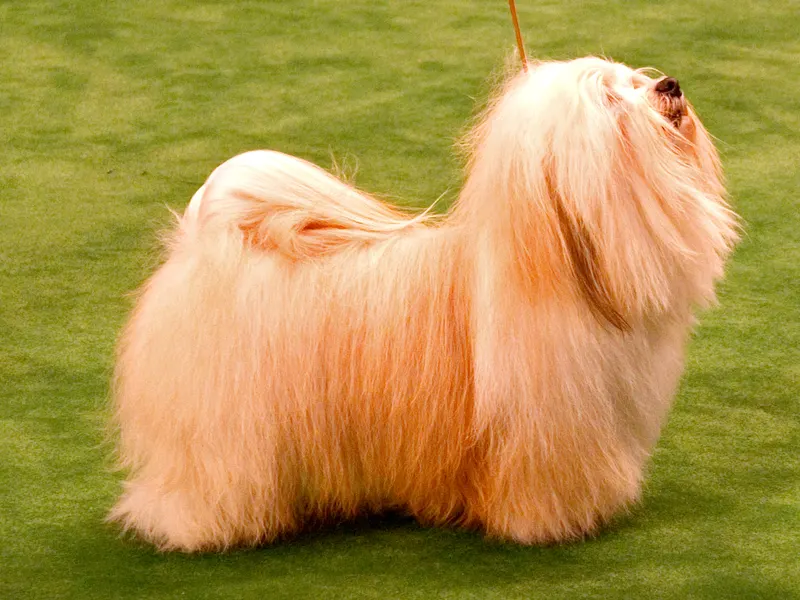
The coat is long, soft and wavy, with no undercoat. It is moderately dense, not silky like a Maltese and not as cottony as a Bichon.
Any color or combination of colors is accepted, including:
- Solid black, white, lemon, cream and chocolate
- Parti-colors and tricolors
- Silver, sable and brindle shades
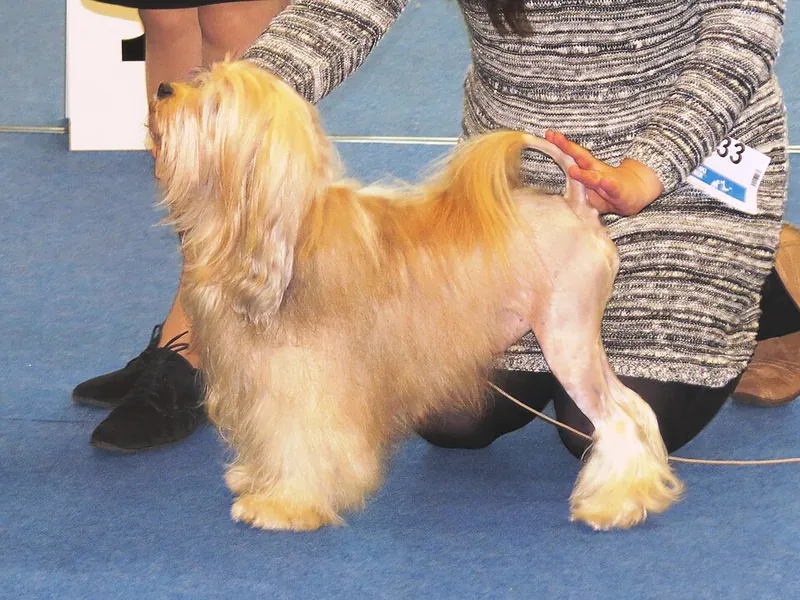
The traditional lion clip leaves a full mane on the front half, cuffs on the legs and a plume on the tail, while the hindquarters are trimmed short. Show dogs must carry this clip. Many pet Lowchens are kept in a simpler all-over trim. Puppies may change color as they mature, especially lighter shades.
Temperament and Personality
Lowchens are affectionate, cheerful and outgoing. They bond closely with their family and are usually great with children. Many are friendly with other pets as well.
They are alert and will bark to announce visitors or noises. Some like to perch on furniture to watch the world. They are intelligent and eager to please, which makes training enjoyable.
Lowchens are known for their lion-hearted courage, sometimes taking on larger dogs. Socialization helps them stay confident without being bossy.
Are Lowchens Hypoallergenic?
No dog is truly hypoallergenic, but the Lowchen sheds little, and some people with mild allergies tolerate it better than heavy-shedding breeds.
The Lowchen's coat has no undercoat, so loose hairs tend to stay trapped in the coat rather than falling onto floors and furniture. However, allergens come from saliva, skin and dander, not only from hair. Individual dogs vary, and reactions differ from person to person. If you have allergies, spend extended time with adult Lowchens before committing, and keep up with regular grooming and bathing to reduce allergens.
Can Lowchens Be Left Alone?
Lowchens can be left alone for a few hours, but they are companion dogs that prefer to be with their people most of the day.
An adult Lowchen that has had a walk and play is usually fine for three to four hours. Longer absences may lead to barking, which can be a problem in apartments, or chewing. Teach alone time gradually from puppyhood, starting with short absences, and leave food puzzles to keep the dog occupied. For owners who work long hours, a dog walker or family member can help. Many Lowchens enjoy the company of another small dog.
Are Lowchens Good with Cats?
Yes, most Lowchens get along well with cats, especially when they are raised together.
The breed has low prey drive and a sociable nature, so it usually treats the family cat as a companion. A Lowchen's playful energy can still annoy a cat that prefers peace, so give the cat high perches and a quiet retreat. When introducing an adult dog to a cat, start with short, supervised meetings and reward calm behavior. Because Lowchens are bold for their size, they may stand up to a cat that swats, so supervise early interactions.
Exercise and Training
Moderate exercise suits Lowchens: daily walks and play sessions. They enjoy agility, rally and trick training.
- Use positive training; they respond well to praise and rewards.
- Teach a quiet cue early to manage barking.
- Provide puzzle toys for mental stimulation.
They are adaptable and can live in apartments, as long as they get daily walks and play. Many enjoy learning tricks.
Grooming and Shedding
The long, silky coat has no undercoat and sheds little, but it tangles easily. Brush several times a week, and plan on professional grooming every six to eight weeks.
The traditional lion clip shaves the hindquarters and leaves a mane, but many pet owners choose a shorter all-over trim. Brush teeth regularly and trim nails.
Coat colors vary widely, from black and white to lemon, chocolate and parti-colors. Because the coat lacks an undercoat, it does not shed much, but loose hairs get caught in the coat and form tangles if not combed out.
Feeding and Nutrition
Lowchens are small, so even a few extra treats a day make a big difference to their weight. Extra pounds put strain on the knees, a concern in a breed where patellar luxation is screened for. Measure meals carefully and check body condition by feel, since the coat hides the waist.
- Feed puppies three or four small meals a day and adults two.
- Use tiny treats in training and count them as part of the daily ration.
- Avoid table scraps, which add up quickly in a 13 to 15 lb dog.
Dental care is important for small dogs. Brush teeth several times a week and offer appropriate chews, as tartar buildup and gum disease are common in small breeds.
Facial hair around the mouth can trap food and become stained or matted. Wipe the face after meals, and consider shallow bowls that keep the beard drier. Some owners trim the hair around the mouth for easier care.
Monitor appetite and weight as your Lowchen ages; seniors often need smaller portions as activity decreases.
| Adult weight | Less active | Typical adult | Very active |
|---|---|---|---|
| 13 lb | 370 kcal | 420 kcal | 530 kcal |
| 15 lb | 410 kcal | 470 kcal | 590 kcal |
Estimates use the resting energy formula veterinarians work with (70 × body weight in kg0.75) and standard activity factors. Use the feeding guide on your food as a starting point and adjust to body condition. Puppies, seniors, pregnant animals and pets that need to lose weight have different needs, so ask your vet.
Health and Lifespan
Lowchens are generally healthy and often live 13 to 15 years. The AKC recommends screening for hip dysplasia, patellar luxation, cataracts and progressive retinal atrophy.
Choose breeders who carry out these health checks and are open about their results.
Lowchens are sturdy for their size, but small dogs can have dental issues. Regular tooth brushing and veterinary dental checks help maintain their health.
Lowchen Price and Cost of Ownership
The Lowchen is rare in the US, with few breeders and small litters. Expect waiting lists and to search through the national breed club. Prices vary by breeder, region and lines, and the breed has a reputation for being relatively expensive because of its rarity. Rescue Lowchens are uncommon.
Breed-specific cost drivers include:
- Professional grooming every six to eight weeks, the largest ongoing expense
- Health screening of parents for hips, patellas and eyes
- Dental cleanings under anesthesia over the years
- Pet insurance that covers patellar luxation and eye conditions
- Training classes to manage barking and build manners
Food costs are low for a dog of 13 to 15 lb.
Is the Lowchen Right for You?
At 13 to 15 lb and 10 to 13 inches, the Lowchen suits families, apartment dwellers and first-time owners who want a playful, affectionate companion.
It is not ideal for owners who dislike grooming or live where barking is a problem.
Lowchens are a good choice for people who want a small, sturdy dog with a big personality. They are less suited to people who cannot commit to regular grooming.
Lowchen Traits at a Glance
Lowchen FAQ
Are Lowchens good family dogs?
Yes. They are affectionate, playful and usually very good with children.
Do Lowchens shed?
They shed little but need regular grooming to prevent tangles.
Why is the Lowchen called a lion dog?
Its traditional grooming style leaves a mane around the front and shaves the hindquarters, resembling a lion.
Do Lowchens bark a lot?
They are alert and bark to announce visitors, but training helps manage it.
How big do Lowchens get?
They stand 10 to 13 inches tall and weigh 13 to 15 lb.
How long do Lowchens live?
Typically 13 to 15 years.