Great DaneGentle German giant with a noble look
The Great Dane is one of the tallest dog breeds, originally bred in Germany to hunt wild boar. It is gentle, affectionate and calm with its family, but its size brings special care needs, health risks and a short average lifespan.
Why people love the Great Dane
- Gentle and affectionate with family members
- Usually calm and quiet indoors once mature
- Short coat needs only a weekly brush
- Imposing presence deters intruders without much barking
- Generally sociable with visitors once introduced
Things to consider
- Short average lifespan of 7 to 10 years
- High risk of bloat, a life-threatening emergency
- Food, medication and equipment all cost more
- Drools, especially after eating and drinking
- Needs a large car, space and few stairs
Is this breed right for you?
10 questions · live resultHistory and Origin
Despite its English name, the Great Dane comes from Germany, where it developed from boarhounds used by nobles to hunt wild boar. These dogs were crossed from mastiff-type dogs and sighthounds, combining strength and speed. Later the breed became a guardian of estates and carriages.
In 1880 German breeders agreed on the name Deutsche Dogge, and the breed became Germany's national dog. The AKC recognized the Great Dane in 1887. Today it is valued mainly as a companion.
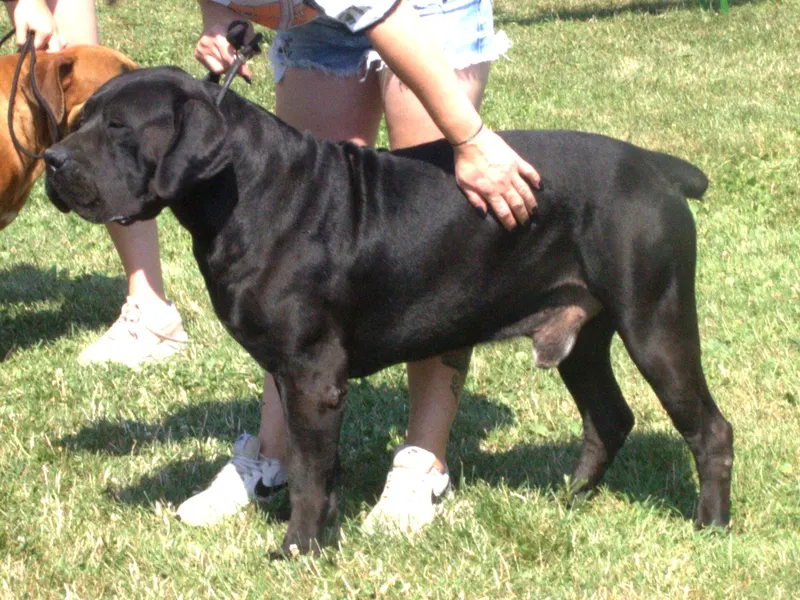
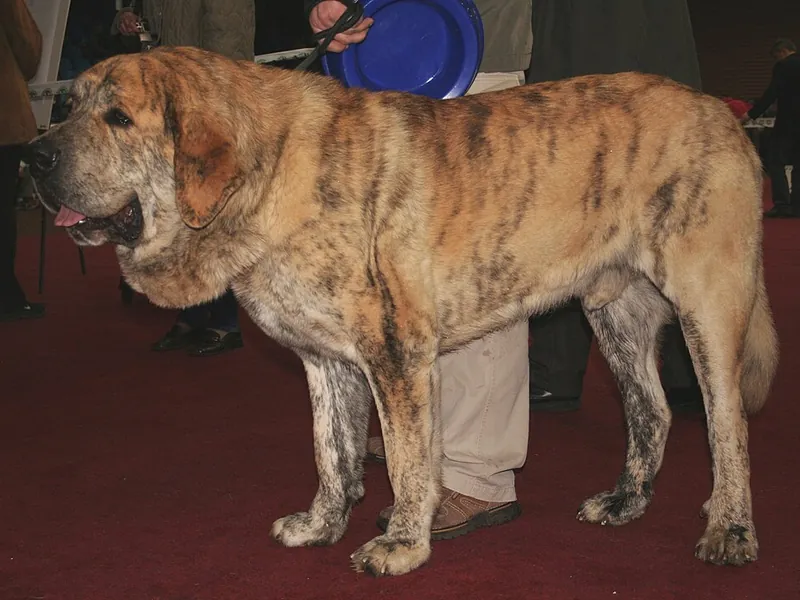
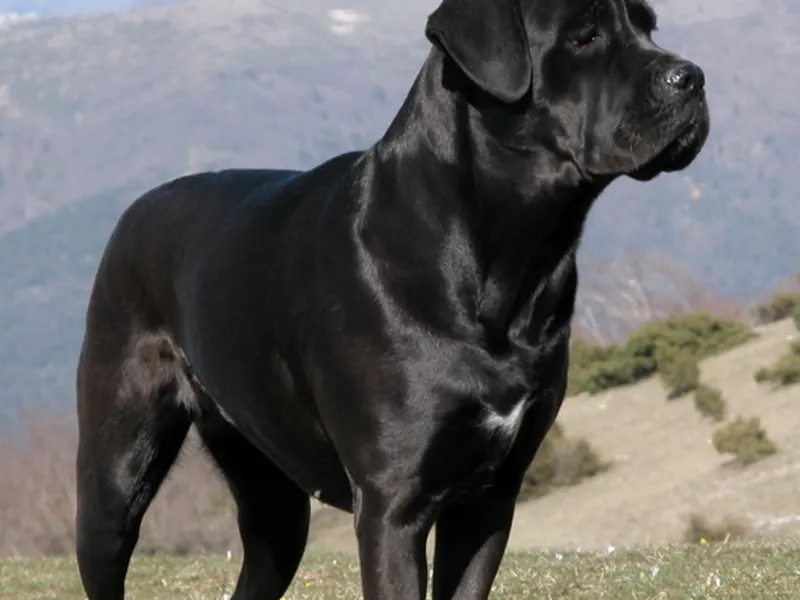
Danes come in several colors, including fawn, brindle, blue, black, harlequin and mantle. Their elegant, powerful build has given them the nickname Apollo of Dogs.
Size, Colors and Coat
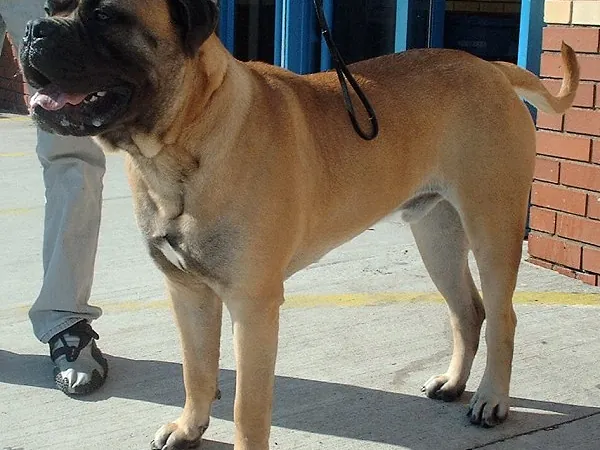
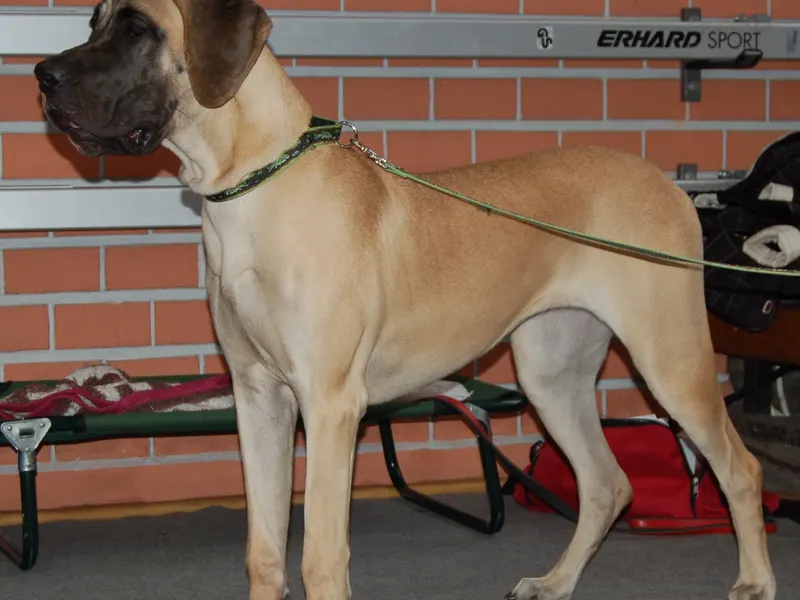
The Great Dane is a giant, elegant dog that combines a powerful, rectangular head with a long neck, deep chest and athletic, balanced frame. Adults stand 28 to 35 inches at the shoulder and weigh about 110 to 174 lb. The AKC standard asks for males of at least 30 inches and females of at least 28 inches, and males look clearly more massive, with heavier bone and a broader head.
The coat is short, thick and glossy. The traditional show colors are fawn with a black mask, brindle, blue, black, harlequin (white with torn black patches) and mantle (black with a white collar, chest and feet). Merle Danes also exist, and their status in breed standards has been debated; merle-to-merle breeding carries a known risk of deafness and eye defects.
In the US some Danes still have cropped ears, while natural, folded ears are increasingly common. Ear cropping is banned in the UK and much of Europe.
Temperament and Personality
Great Danes are gentle, affectionate and calm with their families. They usually get along with children and other pets, and they are friendly with visitors once introduced. Their size makes them effective watchdogs, though they rarely bark without reason.
Great Danes are sensitive and need gentle, consistent training. They dislike being left alone for long periods. Their size means even friendly play can knock over small children.
Many Danes seem unaware of their size and try to sit on laps or lean against their owners. They tend to be quiet indoors and often enjoy lounging on soft beds. They can be sensitive to harsh handling and respond better to calm, patient guidance.
Can a Great Dane Live in an Apartment?
It can work, but a small apartment is rarely a good fit. Danes are calm indoors and do not need a huge yard, yet a dog of up to 174 lb needs room to lie stretched out and turn around without clearing the coffee table with its tail.
Stairs are the bigger issue. Puppies should avoid repeated stair climbing while their joints develop, and an elderly or injured Dane may be impossible to carry. A large, ground-floor or elevator apartment close to walking areas can suit an adult Dane. Check lease rules first, since many buildings set weight limits that rule out giant breeds.
Are Great Danes Good for First-Time Owners?
A Great Dane can work for a well-prepared first-time owner, but the size raises the stakes. Their temperament is usually gentle and easygoing, which helps, yet an untrained adult can pull a person over or knock down a child without meaning any harm.
Novices should commit to puppy classes, leash training from the first week and a realistic budget for a giant dog's food and vet care. You also need to learn the signs of bloat and plan for a short lifespan. If you have never owned a dog, spending time with adult Danes and their owners before committing is time well spent.
Are Great Danes Easy to Train?
Great Danes are moderately easy to train. They are willing and people-oriented, but they can be sensitive and sometimes slow to respond, especially as adolescents. Calm, reward-based sessions work much better than harsh corrections, which tend to make a Dane shut down.
Prioritize the skills that matter most for a giant dog: loose-leash walking, a reliable sit for greetings, waiting at doors and a solid settle on a mat. Teach them while the puppy is still light enough to manage. Keep sessions short and avoid repetitive jumping or hard physical exercises until growth is complete, typically around 18 to 24 months.
Exercise and Training
Adults need about an hour or more of exercise daily, including walks and play. Puppies grow rapidly and should avoid strenuous exercise, jumping and stairs until their joints mature, usually around 18 to 24 months.
Training should start early, as a fully grown Dane can weigh over 150 lb. Teach leash manners, calm greetings and impulse control. Positive, consistent methods work best.
- Feed two or three smaller meals rather than one large meal.
- Avoid vigorous exercise for an hour before and after meals.
- Use a sturdy harness or well-fitted collar and practice leash manners from day one.
Grooming and Shedding
The short coat is easy to maintain with weekly brushing. Great Danes shed moderately and drool, especially after eating or drinking. Trim nails regularly and check ears.
Everything is larger with a Great Dane: beds, crates, car space and grooming tools. Keep a towel handy for drool, and provide a thick, supportive bed to protect elbows and joints from pressure sores.
Feeding and Nutrition
Nutrition plays a direct role in Great Dane health. Puppies grow from a few pounds to well over 100 lb in their first year and a half, and growing too fast increases the risk of developmental bone and joint problems. Feed a complete diet formulated for large or giant breed puppies, which controls calcium and energy density, and do not add calcium supplements. Aim for a lean, steadily growing puppy rather than a round one.
Bloat is the main feeding-related emergency. Split the daily ration into two or three meals, avoid exercise for about an hour before and after eating, and discourage gulping with a slow feeder if needed. Raised bowls are still debated, so follow your vet's advice.
Some grain-free diets have been investigated for a possible link with dilated cardiomyopathy, a disease Danes are already prone to, so discuss food choice with your vet. Use small training treats, weigh your dog regularly and keep adults lean to spare their joints.
| Adult weight | Less active | Typical adult | Very active |
|---|---|---|---|
| 110 lb | 1,840 kcal | 2,100 kcal | 2,630 kcal |
| 174 lb | 2,600 kcal | 2,970 kcal | 3,710 kcal |
Estimates use the resting energy formula veterinarians work with (70 × body weight in kg0.75) and standard activity factors. Use the feeding guide on your food as a starting point and adjust to body condition. Puppies, seniors, pregnant animals and pets that need to lose weight have different needs, so ask your vet.
Health and Lifespan
Gastric dilatation-volvulus (bloat) is one of the most serious risks in Great Danes. Some owners choose a preventive gastropexy, a surgery that tacks the stomach in place. Dilated cardiomyopathy (DCM), joint problems and bone cancer are also common. Merle and harlequin breeding can produce puppies with deafness and eye defects.
Choose a breeder who screens hips, hearts and eyes. Great Danes typically live 7 to 10 years.
Wobbler syndrome, a disorder of the neck vertebrae, and hypothyroidism are also seen. Feeding a diet formulated for large-breed puppies and keeping growth steady can reduce developmental bone and joint problems.
Great Dane Price and Cost of Ownership
Typical breeder price in the US$1,500 to $3,500
A Great Dane puppy from a reputable US breeder typically costs about $1,500 to $3,500. Prices vary by breeder, region, color and lines, and breeders who screen hips, hearts, eyes and thyroid usually charge more. Breed rescues regularly rehome adult Danes, which is a good option if you want to skip the demanding puppy stage.
Ongoing costs scale with size. A giant dog eats a lot, and every weight-based medication, from parasite control to pain relief, costs more. Beds, crates, harnesses and car ramps come in giant sizes and prices.
Many owners budget for a preventive gastropexy, often done during spay or neuter, and for cardiac screening. Pet insurance is worth considering early, since bloat, dilated cardiomyopathy, Wobbler syndrome and bone cancer can lead to high vet bills.
Is the Great Dane Right for You?
The Great Dane suits families with space, time and the budget for a giant breed. It is gentle and calm at home and suits owners who want a loyal companion.
It is not suited to small apartments or owners who cannot handle a giant dog. Prospective owners should prepare for higher costs and a short lifespan.
Consider practical details too: a large car, a home without too many stairs and a budget for food, medication and veterinary care for a dog weighing well over 100 lb.
Great Dane Traits at a Glance
Great Dane FAQ
Are Great Danes good family dogs?
Yes, they are gentle and affectionate with families. Supervise around small children because of their size.
How big do Great Danes get?
Adults stand 28 to 35 inches and weigh about 110 to 174 lb, with males larger than females.
Do Great Danes drool?
Yes, many drool, especially after eating or drinking.
How much exercise does a Great Dane need?
Around an hour or more daily, with gentle exercise for puppies.
What is bloat in Great Danes?
Bloat is a life-threatening condition where the stomach fills with gas and may twist. Seek emergency care if your dog has a swollen belly or tries to vomit without success.
How long do Great Danes live?
Great Danes typically live 7 to 10 years.