Cane CorsoPowerful Italian guardian for experienced owners
The Cane Corso is a large Italian mastiff bred to guard farms, handle livestock and help hunt wild boar. It is calm and devoted with its family but watchful toward strangers, and its size and strength call for an experienced, consistent owner.

Why people love the Cane Corso
- Calm, quiet presence indoors once mature and well exercised
- Deeply loyal and attentive to its own family
- Short coat needs only a weekly brush
- Natural watchfulness makes it an effective deterrent
- Thrives on structured work like obedience, tracking or carting
Things to consider
- Size and strength demand an experienced, physically capable handler
- Breed-specific rules, landlord bans or insurance limits apply in places
- Can be intolerant of unfamiliar dogs, especially same-sex
- Bloat risk and orthopedic problems raise veterinary costs
- Shorter lifespan than most medium breeds, often under 12 years
Is this breed right for you?
10 questions · live resultHistory and Origin
The Cane Corso descends from Roman molossers used as guardians and war dogs. In the centuries that followed it became a farm dog in southern Italy, particularly in Apulia and neighboring regions, where it protected property, handled semi-wild cattle and pigs and held boar during hunts.
As farming modernized after World War II, the breed nearly disappeared. Italian enthusiasts began collecting the remaining dogs in the 1970s and founded the Società Amatori Cane Corso in 1983. The FCI recognized the breed in the 1990s, and the AKC admitted it to the Working Group in 2010. Its popularity in the US has grown quickly since then.
Size, Build, Coat and Colors
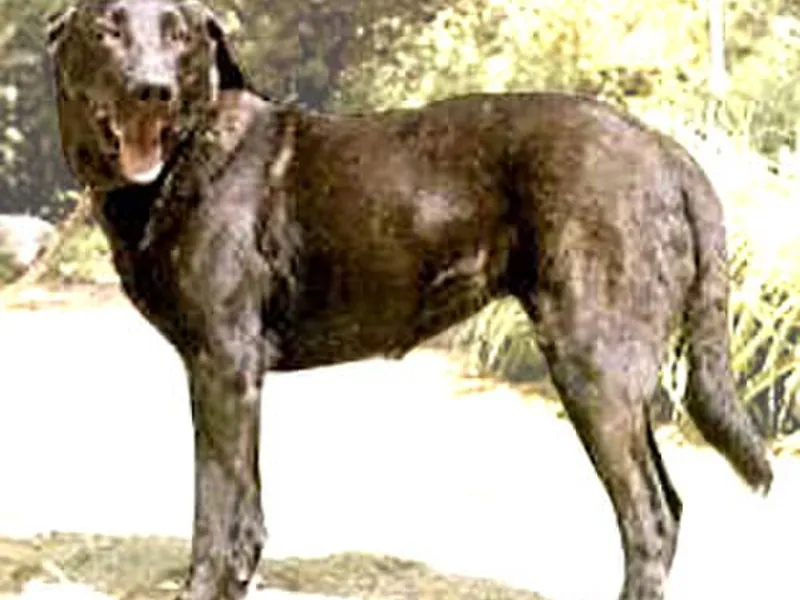
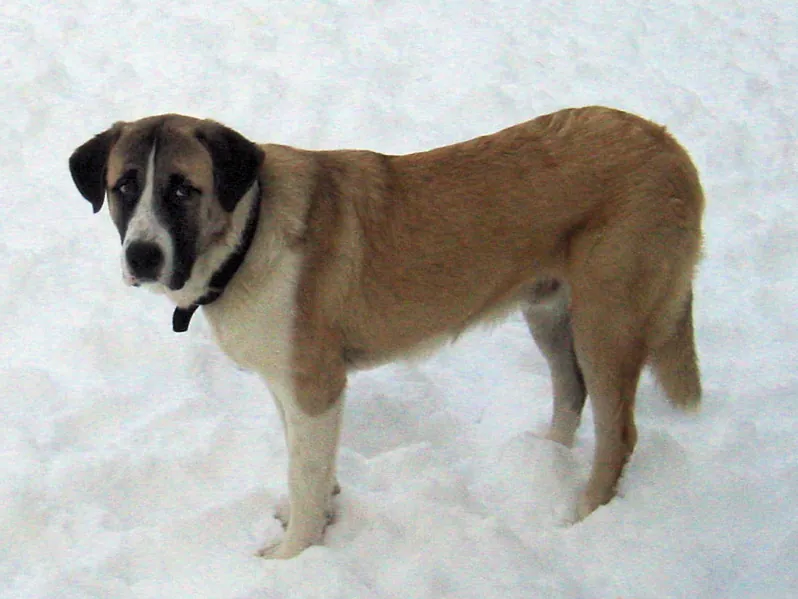
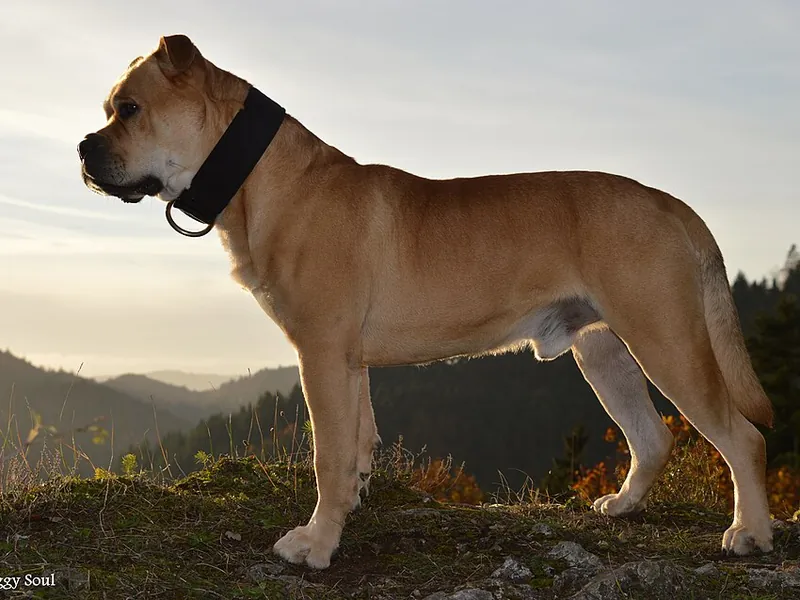
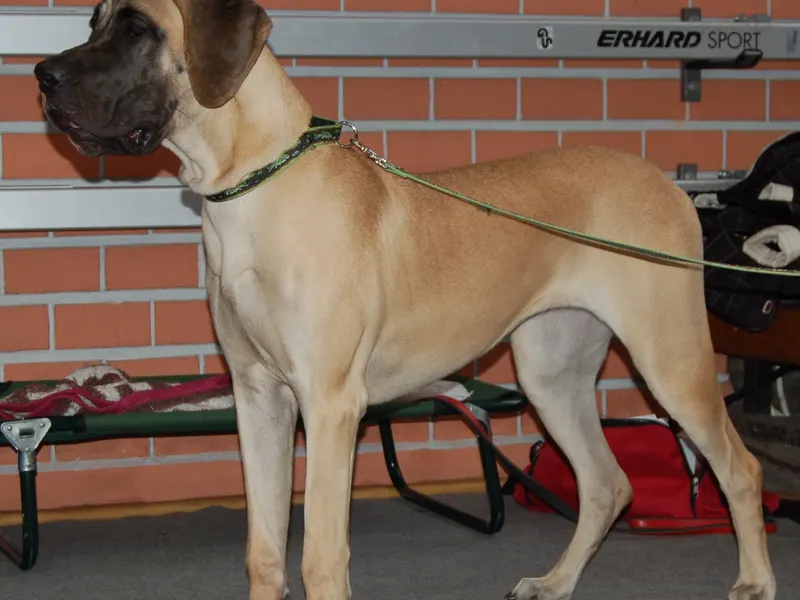
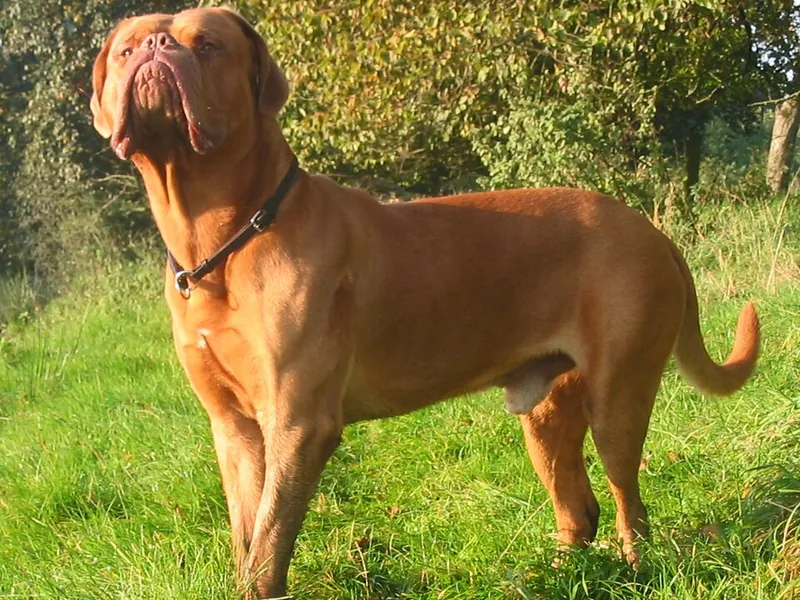
The Cane Corso is a large, muscular mastiff that is slightly longer than tall, with an athletic rather than bulky outline. Adults stand 24 to 27 inches at the shoulder and weigh about 88 to 110 lb. Males are noticeably bigger, with a heavier head and more substance, while females are often an inch or two shorter and more refined.
The head is broad with a short, square muzzle that is about one third the length of the skull, a moderate stop and a firm, slightly undershot or scissor bite. Loose skin should be limited; heavy jowls, deep wrinkles or excessive weight are faults in the standard.
The coat is short, stiff and dense, with a light undercoat that thickens in cold weather. Recognized colors are:
- Black, gray (often called blue) and fawn
- Red
- Black brindle, gray brindle and chestnut brindle
Fawn and red dogs have a black or gray mask that should not extend past the eyes. A small white patch on the chest, throat or toes is allowed. Colors such as liver, tan points or large white areas are disqualifying in the AKC standard.
Temperament and Personality
A well-socialized Cane Corso is quiet, confident and closely attached to its family. It tends to follow its people around the house and is often gentle with children it knows. Toward strangers it is naturally reserved and protective, assessing situations before accepting newcomers.
The breed was selected to make independent decisions as a guardian, so it can be strong-willed. Without guidance it may become overly protective of its home or people. Some Corsos do not tolerate unfamiliar dogs, particularly of the same sex. Because of its size and strength, even play can knock over small children, so the breed is best suited to families with older kids.
Are Cane Corsos Aggressive?
A well-bred, well-socialized Cane Corso is not indiscriminately aggressive, but it is a guardian breed with a strong protective instinct. That instinct is the reason it was kept on Italian farms, and it does not disappear with good training.
Most Corsos are calm and tolerant with their family and reserved, watchful or aloof with strangers. Problems usually arise when a young dog is under-socialized, trained with harsh methods or allowed to make its own decisions about who belongs on the property. Because a 100 lb dog can cause serious injury, owners should invest in early puppy classes, ongoing exposure to visitors and a trainer who knows guardian breeds. Meeting both parents is the best preview of a puppy's adult temperament.
Is a Cane Corso a Good Guard Dog?
Yes, guarding is what the breed was developed for, and most Corsos alert and position themselves between their family and anything unusual without being taught. They tend to watch first and act only if they read a real threat, which makes a stable dog more discerning than a reactive one.
Protection sport or personal protection training is a specialist field and should only be pursued with an experienced professional. For most families, the dog's size, deep bark and natural reserve already provide a strong deterrent. The real work for owners is the opposite: teaching the dog to accept guests calmly, to settle on cue and to look to its handler instead of deciding alone.
Are Cane Corsos Good With Other Dogs and Cats?
It varies with the individual, its sex and how it was raised. Many Corsos live peacefully with a dog of the opposite sex or with cats they grew up with, while some are intolerant of unfamiliar dogs, especially of the same sex once they mature at around two years.
Opposite-sex pairings and introducing a puppy to resident adult pets usually work best. Avoid dog parks, where a confident large guardian can escalate a scuffle quickly. Controlled walks with known, calm dogs build better social skills than free-for-all play. Keep supervision tight with small pets, since some Corsos retain the chasing instinct from boar hunting and cattle work.
Exercise and Training
A Cane Corso needs about one to two hours of activity daily, including brisk walks and structured activities such as obedience, tracking or carting. Controlled exposure to new places and people should continue throughout its life. Avoid forced running and jumping while the dog is still growing, roughly until 18 months.
Training must start early and stay consistent. Calm, clear handling and reward-based methods work best; harsh corrections can damage trust in a guardian breed. Guidance from a trainer experienced with large guardian dogs is a sensible investment. Some countries, states and cities restrict ownership of the Cane Corso or require permits or insurance, so check local rules before choosing the breed.
Grooming and Shedding
The short, coarse coat needs little care: a weekly brush with a rubber curry or hound glove keeps it healthy, with more frequent brushing during seasonal sheds. Wipe the lips and any facial folds after meals, as some Corsos drool, especially after drinking. Regular nail trims matter for a heavy dog's feet and posture. Ear cropping and tail docking are still seen in some countries but are banned in the UK and much of Europe.
Feeding and Nutrition
A Cane Corso puppy grows from a few pounds to around 100 lb in roughly 18 months, so controlled growth matters more than anything else. Feed a diet formulated for large-breed puppies, which limits calcium and energy density, and keep the puppy lean with a visible waist. Fast growth and extra weight add stress to hips and elbows, the breed's main orthopedic weak points.
Because the Corso is deep-chested, bloat is a real risk:
- Split the daily ration into two or three meals instead of one large one.
- Avoid hard exercise for about an hour before and after meals.
- Discourage gulping with a slow-feeder bowl if your dog eats fast.
- Learn the warning signs: unproductive retching, a swollen belly and restlessness need an emergency vet.
Adults can be easy keepers, and a few extra pounds are easy to hide under muscle, so check ribs and waist by touch every few weeks. Use small, soft training treats and count them as part of the daily food, since guardian-breed training relies on frequent rewards for calm behavior.
| Adult weight | Less active | Typical adult | Very active |
|---|---|---|---|
| 88 lb | 1,560 kcal | 1,780 kcal | 2,220 kcal |
| 110 lb | 1,840 kcal | 2,100 kcal | 2,630 kcal |
Estimates use the resting energy formula veterinarians work with (70 × body weight in kg0.75) and standard activity factors. Use the feeding guide on your food as a starting point and adjust to body condition. Puppies, seniors, pregnant animals and pets that need to lose weight have different needs, so ask your vet.
Health and Lifespan
Hip and elbow dysplasia are the main orthopedic concerns. Like other large, deep-chested breeds, the Corso is at risk of gastric dilatation-volvulus (bloat), a life-threatening emergency; feeding several smaller meals and avoiding vigorous exercise right after eating can reduce the risk. Eyelid problems such as entropion and ectropion are also seen.
Choose breeders who screen hips and elbows, check eyes and select for moderate type rather than excessive weight or loose skin. Typical lifespan is 9 to 12 years, though some UK veterinary sources suggest many Corsos do not reach 10.
Cane Corso Price and Cost of Ownership
Typical breeder price in the US$1,500 to $4,000
A Cane Corso puppy from a reputable US breeder typically costs about $1,500 to $4,000. Prices vary by breeder, region and lines, and dogs from health-tested show or working pedigrees sit at the top of that range. Very cheap puppies often come from breeders who skip hip, elbow and eye screening or select for oversized, loose-skinned dogs.
Breed rescues and shelters regularly take in adolescent and adult Corsos, often surrendered because owners underestimated the training. Adoption can be a good route if the rescue has assessed the dog's temperament.
Ongoing cost drivers for this breed include:
- Large-breed food in high volume
- Professional training, ideally with a guardian-breed specialist
- Insurance, where some carriers raise premiums or exclude the breed
- Possible homeowners or renters insurance changes, permits or liability coverage in some areas
- Vet care for hip and elbow dysplasia, eyelid surgery or bloat emergencies
Is the Cane Corso Right for You?
The Cane Corso suits experienced owners who want a loyal guardian, have a secure yard and time for ongoing training, and can physically handle a dog of 88 lb or more. Calm, structured households bring out the best in the breed.
It is not a good choice for first-time owners, homes with frequent unsupervised visitors or families with very young children. Check housing and insurance terms in advance, as some landlords and insurers restrict guardian breeds.
Cane Corso Traits at a Glance
Cane Corso FAQ
Are Cane Corsos good family dogs?
They can be devoted family dogs in experienced homes, especially with older children. Their protective instinct and size require training, supervision and careful socialization.
How big do Cane Corsos get?
Adults usually stand 24 to 27 inches at the shoulder and weigh about 88 to 110 lb, with males larger than females.
Is the Cane Corso good for first-time owners?
Generally not. Its strength, guarding instinct and independence are best handled by people with experience of large, protective breeds.
Do Cane Corsos drool?
Some do, mostly after drinking or eating and in warm weather. Most drool less than heavier mastiff breeds.
Is the Cane Corso restricted anywhere?
Yes, some countries, states and municipalities restrict or regulate the breed. Check local laws, housing rules and insurance requirements before getting one.
How long do Cane Corsos live?
Typical lifespan is 9 to 12 years. Keeping the dog lean and choosing health-screened parents support a longer, healthier life.