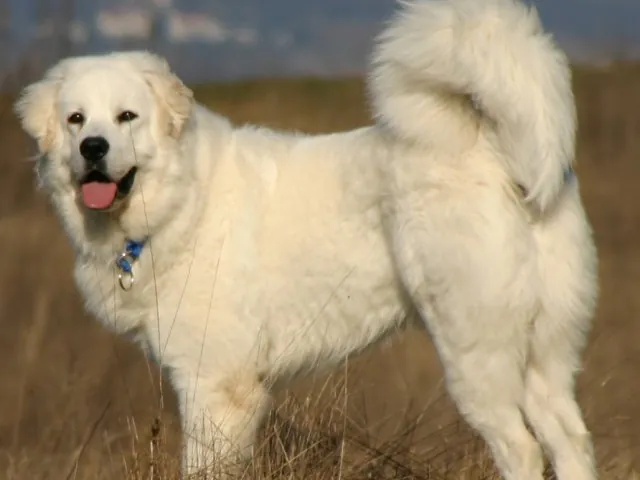
Castro Laboreiro DogPortugal's mountain livestock guardian
The Castro Laboreiro Dog is a rare livestock guardian from the mountains of northern Portugal, recognizable by its wolf-gray brindle coat and its unusual bark that rises and falls like a siren. Devoted and protective, it needs a confident owner and a property to watch over.
Why people love the Castro Laboreiro Dog
- Devoted, protective guardian of family and property
- Calm and gentle with its own people
- Short, easy-care coat
- Athletic and agile for a livestock guardian
- Distinctive alarm bark that warns of intruders
Things to consider
- Suspicious of strangers; visitors need careful introductions
- Needs space and secure fencing, not apartments
- Independent and strong-willed during training
- Often more active and vocal at night
- Very rare outside Portugal
Is this breed right for you?
10 questions · live resultHistory and Origin
The breed takes its name from the village of Castro Laboreiro, in the Peneda-Gerês mountains near the Spanish border. Shepherds there relied on these dogs to protect cattle and flocks from wolves and to guard homesteads, and the isolation of the region kept the type distinct for a very long time.
As rural life changed in the 20th century, numbers fell sharply, and the breed is still considered rare. Portuguese breeders and the FCI recognize it in Group 2. It is also known locally for its distinctive alarm bark, which shepherds used to judge whether a threat was near.
Size, Coat and Colors
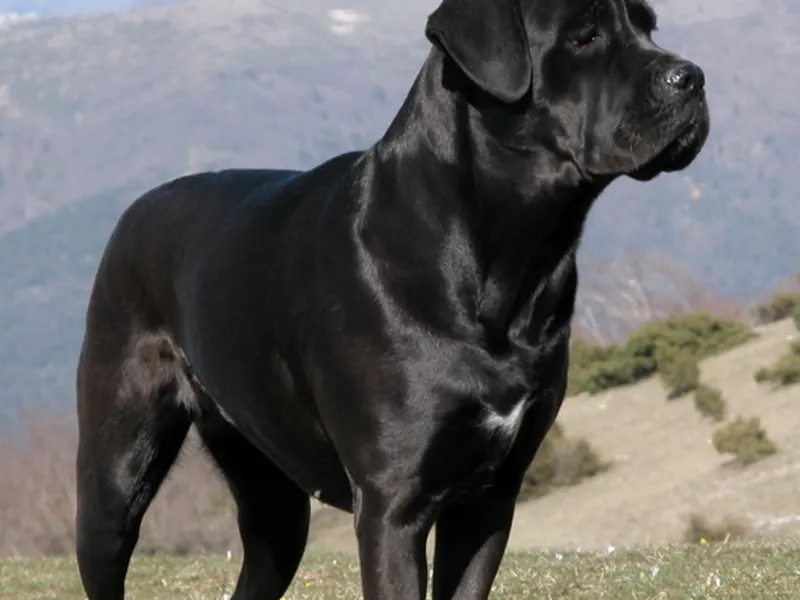
The Castro Laboreiro Dog is a large, athletic livestock guardian with a lighter, more agile build than many mountain breeds. Adults stand about 22 to 25 inches at the shoulder and weigh roughly 55 to 88 lb. Males are noticeably larger and more powerful, while females are lighter and more refined.
The head is moderately long with a well-defined stop, medium-sized almond eyes and triangular ears that hang close to the head. The tail is thick, reaching the hocks, and may curl slightly when the dog is alert.
The coat is short, dense and harsh, with a thick undercoat that protects the dog in mountain weather.
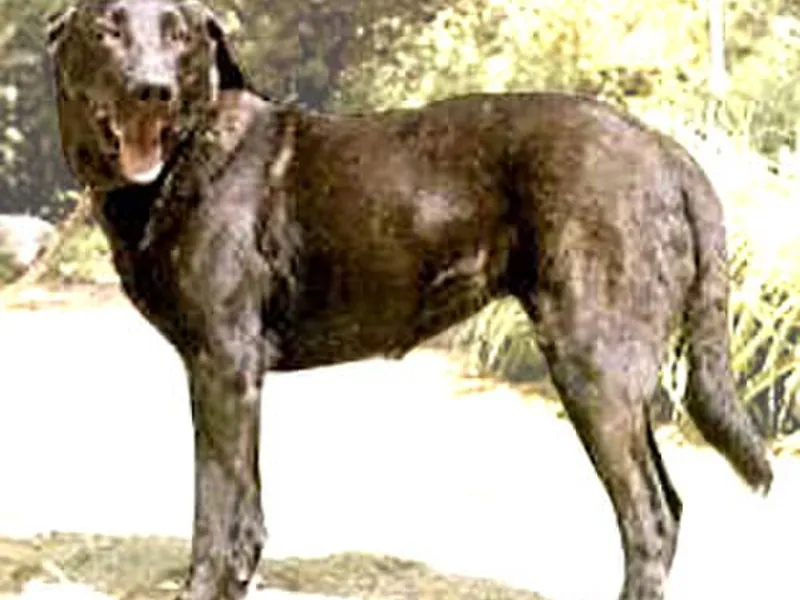
The breed's signature is its wolf-like coloring:
- Mountain color: a mixture of dark shades with brindle tones
- Wolf color: lighter or darker gray, brown and black blends
- Some dogs show darker masks or saddles
White markings are generally limited to small chest spots. Colors help the dog blend into the rocky Peneda-Gerês landscape.
Temperament and Personality
A Castro Laboreiro is loyal and affectionate with its family and naturally suspicious of strangers. It takes guarding seriously and will bark to warn and stand its ground if it thinks its people or property are threatened.
Inside the family it is usually calm and gentle, and it can be good with children it has grown up with. Visitors need careful introductions. Owners should be ready to manage this protective instinct responsibly.
Like many guardian breeds, it tends to be most alert at dusk and night, when predators would have been active, and may patrol or bark then.
Is the Castro Laboreiro Dog Aggressive?
A well-bred, well-socialized Castro Laboreiro is not indiscriminately aggressive, but it is a serious guardian with strong protective instincts. Suspicion of strangers is part of the breed's purpose.
With its family, the dog is usually calm and gentle. With unknown people, it typically alerts first, using its distinctive rising alarm bark, and may stand its ground if it reads a threat. Problems are most likely when a young dog is under-socialized or isolated in a yard. Owners need early, broad socialization, calm leadership and careful management of visitors, especially since the dog may be more watchful at night.
Is the Castro Laboreiro Dog Good With Other Dogs?
It varies. Many get along with dogs they are raised with, particularly of the opposite sex, and work alongside other guardian dogs with livestock. Unfamiliar dogs entering their territory are a different story, as the breed will treat them as potential intruders.
Early socialization with stable dogs and careful introductions help. Avoid dog parks and keep greetings on leash at first. Same-sex tension can develop as dogs mature. With livestock it was bred to protect, the breed is typically gentle once bonded, which is part of why it is valued on farms.
Is the Castro Laboreiro Dog Good for First-Time Owners?
No, it is not generally recommended for first-time owners. The breed's guarding instinct, independence and wariness of strangers require experienced, confident handling.
Owners must manage visitors carefully, maintain secure fencing and continue socialization throughout the dog's life. Training works best with calm consistency and rewards, as force can damage trust. Because few breeders exist outside Portugal, finding mentors or trainers familiar with the breed is also difficult. Experienced owners of livestock guardian dogs, especially those with land or livestock to protect, are the best fit.
Exercise and Training
This is an athletic, agile guardian that needs daily walks and space to patrol. A large, securely fenced property suits it far better than an apartment.
Training should start in puppyhood with broad socialization: people, other animals, vehicles and new places. The breed is intelligent but independent, as guardians must make their own decisions. Calm, consistent, reward-based leadership works better than force, which can damage trust.
Grooming and Shedding
The short, dense, harsh coat is easy to care for. Brush weekly and more often during seasonal shedding. Bathing is rarely needed.
Check nails, ears and teeth regularly, and inspect for ticks if the dog spends time with livestock or in rough pasture.
The coat is typically a mix of gray, brown and black, often described as wolf-colored or brindled, which helped it blend into the mountain landscape.
Feeding and Nutrition
The Castro Laboreiro is a lean, athletic guardian rather than a heavy mastiff type. Keep it at a trim, muscular weight with a visible waist; extra pounds add stress to joints in a large, active dog.
Puppies should eat a diet formulated for large breeds to support slow, steady growth. Avoid overfeeding young dogs, since rapid growth increases joint stress, and limit forced exercise while bones are developing.
- Feed puppies three to four meals a day and adults two.
- As a large, deep-chested dog, avoid hard exercise around meals to reduce bloat risk.
- Dogs working outdoors with livestock in cold weather may need more food in winter.
- Feed guardian dogs separately from livestock to avoid competition at feeding time.
Use rewards during socialization and handling practice, deducted from daily food, to build positive associations with visitors, vets and grooming.
| Adult weight | Less active | Typical adult | Very active |
|---|---|---|---|
| 55 lb | 1,090 kcal | 1,250 kcal | 1,560 kcal |
| 88 lb | 1,560 kcal | 1,780 kcal | 2,220 kcal |
Estimates use the resting energy formula veterinarians work with (70 × body weight in kg0.75) and standard activity factors. Use the feeding guide on your food as a starting point and adjust to body condition. Puppies, seniors, pregnant animals and pets that need to lose weight have different needs, so ask your vet.
Health and Lifespan
No breed-specific inherited diseases are well documented for the Castro Laboreiro Dog. As a large, active dog, hip and elbow dysplasia are worth screening for, so ask breeders about health tests on both parents.
The breed's small population means genetic diversity also matters. Reliable lifespan figures are not available, though similar-sized working breeds commonly live around 12 years.
Castro Laboreiro Dog Price and Cost of Ownership
The Castro Laboreiro Dog is rare in the US, and there is no reliable published price range. Most breeders are in Portugal, so acquiring a dog often means importing, with added costs for transport, veterinary paperwork and travel. Prices vary by breeder, region and lines, and responsible breeders will want to know about your property and experience with guardian dogs.
Rescue dogs are very rare outside Portugal, though breed enthusiasts sometimes help rehome adults.
Breed-specific ongoing costs include:
- Import and travel costs
- Secure, tall fencing for a property-guarding dog
- Training with professionals experienced in guardian breeds
- Liability coverage, which some insurers require for guardian breeds
- Hip and elbow screening if you plan to breed
Is the Castro Laboreiro Dog Right for You?
This breed is a good match for experienced owners with land, livestock or a home to protect, who want a devoted guardian and can handle a strong-willed dog. It is not suited to first-time owners, apartments or households with constant visitors.
Because few breeders exist outside Portugal, expect to research carefully and possibly import.
It does best as part of family life, not left alone in a yard. A Castro Laboreiro that is bonded with its people is calmer and easier to manage than one kept isolated.
Castro Laboreiro Dog Traits at a Glance
Castro Laboreiro Dog FAQ
How big is a Castro Laboreiro Dog?
It stands about 22 to 25 inches at the shoulder and weighs roughly 55 to 88 lb.
What is special about the Castro Laboreiro bark?
Its alarm bark starts low and rises in pitch, a siren-like sound for which the breed is well known in Portugal.
Are Castro Laboreiro Dogs good family dogs?
They are devoted to their own family and can be good with children they know, but they are protective and need experienced handling.
Do Castro Laboreiro Dogs shed?
They shed moderately, more during seasonal coat changes. Weekly brushing keeps it under control.
Can a Castro Laboreiro live in an apartment?
It is not recommended. The breed needs space, a property to guard and plenty of activity.
How long do Castro Laboreiro Dogs live?
Reliable figures are scarce, but working dogs of similar size commonly live around 12 years.