Kyi ApsoRare bearded guardian of the Tibetan plateau
The Kyi Apso is a rare, large guardian dog from Tibet, closely related to the Tibetan Mastiff and recognizable by its long coat and beard. Independent, territorial and wary of strangers, it is suited only to very experienced owners who need or truly understand a guardian breed.
Why people love the Kyi Apso
- Devoted guardian of family, land and livestock
- Hardy, weather-resistant coat for cold climates
- Calm when not on duty
- Strong, self-reliant working temperament
- Rare and ancient landrace type
Things to consider
- Territorial and suspicious of strangers
- Independent and not eager to obey
- Barks and patrols at night
- Coat needs regular brushing and heavy seasonal shedding
- Extremely rare; pure ancestry hard to verify
Is this breed right for you?
10 questions · live resultHistory and Origin
The Kyi Apso is a landrace, meaning a type shaped by local needs rather than a formal breed standard. It comes from the Tibetan plateau, where nomadic herders kept it to guard camps, tents and livestock against wolves, other predators and intruders. In Tibetan, kyi means dog, and apso refers to its hairy or bearded look.
It is closely related to the Do Khyi, the Tibetan Mastiff, and the two types probably shared ancestors and working roles. Very few Kyi Apsos live outside Tibet, and a small number of enthusiasts in the West have tried to preserve the type. It is not recognized by the FCI, AKC or The Kennel Club.
Size, Coat and Colors
The Kyi Apso is a large, strong guardian with a slightly longer-than-tall body. Dogs stand about 25 to 28 inches at the shoulder and weigh around 71 to 90 lb. As a landrace without a formal breed standard, it varies more than recognized breeds. Males are typically larger, heavier and more heavily coated than females.
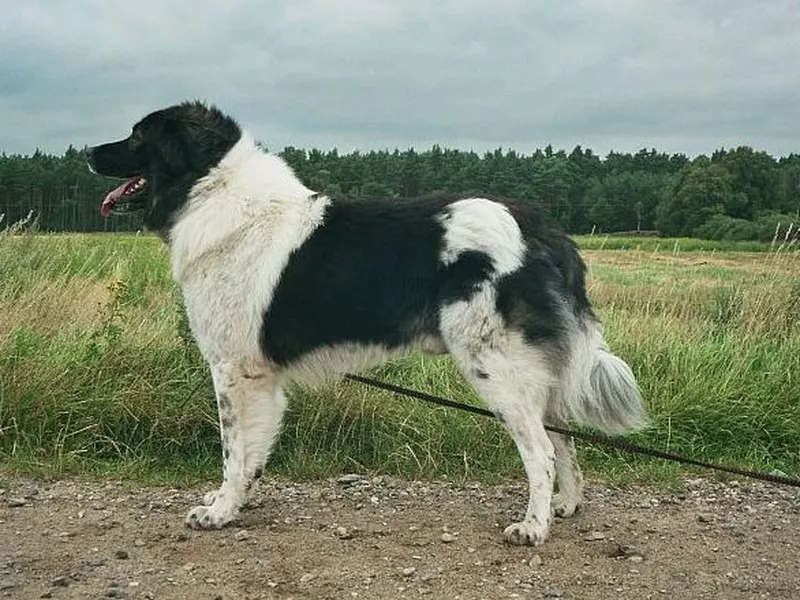
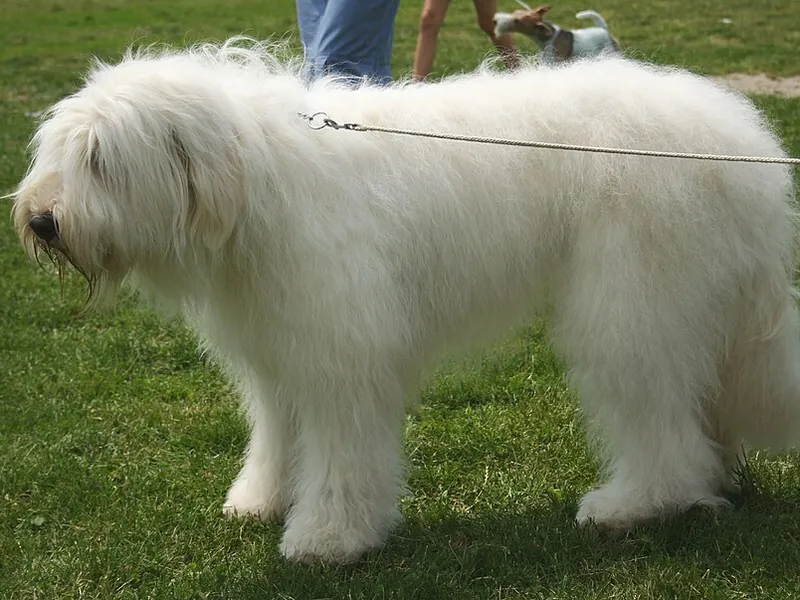
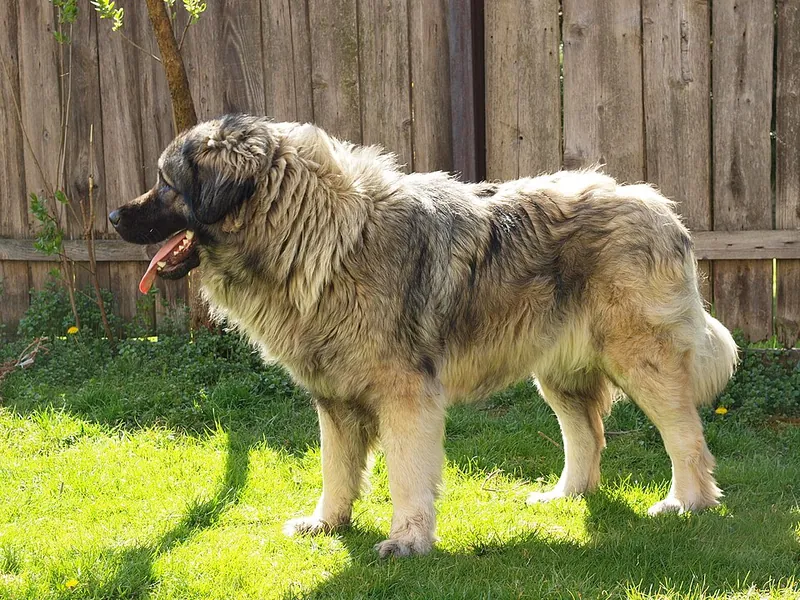
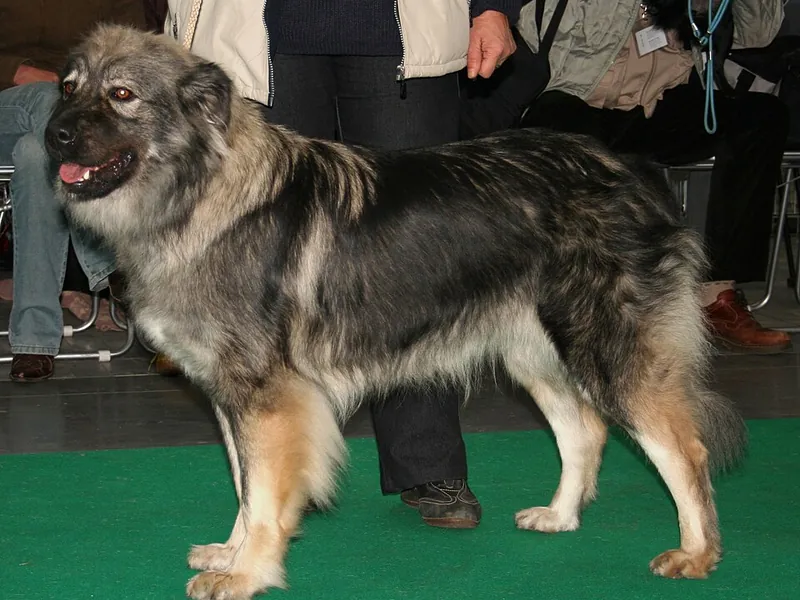
The defining feature is the long, coarse, weather-resistant coat, with a distinctive beard and mustache on the muzzle that give the breed its name. The coat is dense, with a heavy undercoat in winter and a fuller mane on the neck and shoulders.
Other common features include:
- A broad, strong head with a medium-length muzzle
- Drop ears covered with long hair
- A plumed tail carried over the back
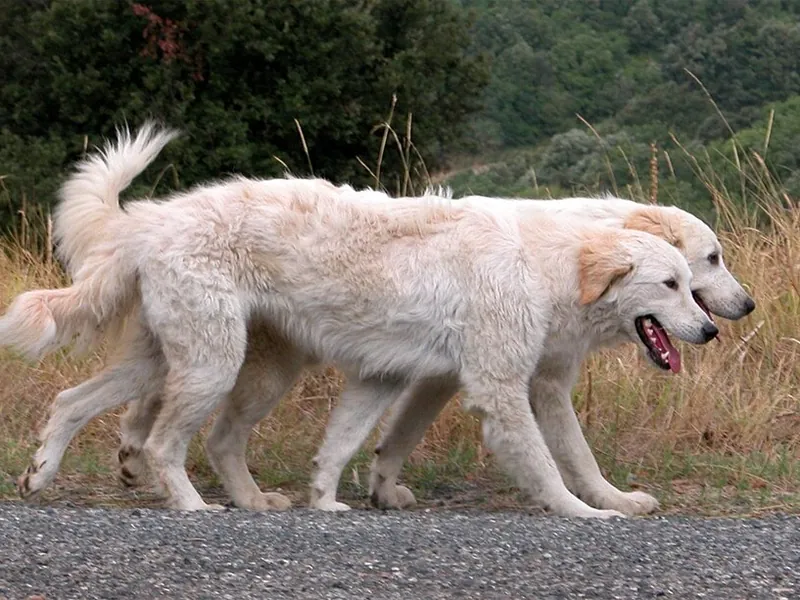
Reported colors include black, black and tan, gold and fawn shades, and gray. Because the type has not been standardized by kennel clubs, color descriptions vary, and some sources mention other shades. The overall impression is of a powerful, shaggy mountain guardian rather than a refined show dog.
Temperament and Personality
The Kyi Apso is independent, stubborn and strongly territorial. It is loyal to its family and the animals it guards, but suspicious of strangers and may respond defensively to people or dogs it does not know.
Like other flock and camp guardians, it was bred to make decisions without a handler. That makes it self-reliant and protective, but not eager to obey. Guarding behavior typically becomes stronger as the dog matures, and it often patrols and barks at night.
Is the Kyi Apso Aggressive?
The Kyi Apso is not aggressive toward its own family or the animals it guards, but it is a serious territorial guardian. It may react defensively toward strangers or unfamiliar dogs entering its space.
Its behavior depends on genetics, socialization and management. Dogs raised with extensive exposure to people and controlled introductions are typically calm and reserved rather than reactive. Problems arise when guardian instincts go unmanaged, such as with poor fencing or unannounced visitors. Because the breed is so rare, little is known about how temperament varies by line, so experienced handling is essential.
Do Kyi Apsos Bark a Lot?
Yes, Kyi Apsos are vocal guardians, especially at night. Barking is a primary way they warn off predators and intruders, and they often patrol and bark after dark.
This makes the breed a poor fit for suburbs or close neighbors. In rural settings, barking is part of the job. Training can teach a dog to settle after an initial warning, but it rarely stops alert barking altogether. Keeping the dog indoors at night can reduce noise, though many guardians prefer to patrol outdoors. Owners should plan for this before bringing one home.
Are Kyi Apsos Good With Other Dogs?
Kyi Apsos can live with other dogs they are raised with, but they are often wary of unfamiliar dogs and may treat them as intruders.
Same-sex conflict is possible, as in many guardian breeds. If you want more than one dog, choose an opposite-sex companion with a stable temperament and introduce them carefully. Dog parks and off-leash meetings with strangers' dogs are not recommended. Kyi Apsos often protect livestock and other animals they live with, which reflects their working background.
Exercise and Training
It needs space and regular exercise more than intense activity.
- A large, securely fenced property is essential; it should never be allowed to roam.
- Early, ongoing socialization with people, dogs and everyday situations is critical.
- Training must be calm, consistent and respectful; harsh methods tend to backfire.
- Visitors should be introduced in a controlled way, and the dog managed when guests arrive.
It is not suited to apartments or busy urban life.
Grooming and Shedding
The long, coarse, weather-resistant coat protects it in the harsh climate of high Tibet. Brush thoroughly once or twice a week, and daily during seasonal shedding, when large amounts of undercoat come out.
Check for mats around the beard, ears, legs and hindquarters. The beard can hold food and water, so wipe it after meals. Warm, humid climates can be uncomfortable for this breed, so provide shade and cool resting spots.
Feeding and Nutrition
Like many livestock guardians, the Kyi Apso often eats less than its size suggests. Feed to body condition rather than size, checking by feel under the thick coat.
Puppies should grow steadily on a diet suited to large breeds, with controlled energy and calcium. Avoid excessive jumping and forced exercise during growth. Guardians often take two to three years to fully mature.
As a large, heavy dog, it may carry general large-breed risks such as joint problems and bloat. Feed several smaller meals a day rather than one large meal, and avoid vigorous activity around mealtimes.
Appetite often drops in hot weather, and dogs working outdoors in winter may need more. Adjust portions to the season.
Guardians can be possessive of food. Feed multiple dogs separately and teach children not to approach a dog while it eats.
Wipe the beard after meals to keep it clean and prevent mats. Use treats mainly for socialization and handling practice rather than constant snacks.
| Adult weight | Less active | Typical adult | Very active |
|---|---|---|---|
| 71 lb | 1,320 kcal | 1,510 kcal | 1,890 kcal |
| 90 lb | 1,580 kcal | 1,810 kcal | 2,260 kcal |
Estimates use the resting energy formula veterinarians work with (70 × body weight in kg0.75) and standard activity factors. Use the feeding guide on your food as a starting point and adjust to body condition. Puppies, seniors, pregnant animals and pets that need to lose weight have different needs, so ask your vet.
Health and Lifespan
No health or lifespan data are available for this rare landrace. As a large, heavy dog, it may face general large-breed risks such as joint problems and bloat, though these are not documented for the Kyi Apso specifically.
Sensible precautions include controlled growth in puppies, avoiding excessive jumping while young, keeping adults lean and feeding several smaller meals rather than one large one.
Kyi Apso Price and Cost of Ownership
Kyi Apsos are extremely rare outside Tibet, and there is no reliable price range. Very few dogs are available in the US or Europe, usually through a small number of preservation breeders. Claims of pure ancestry should be checked carefully. Prices vary by breeder and lines, and imports are complicated and costly.
Rescue options are essentially nonexistent, though guardian-breed rescues occasionally take in similar dogs.
Ongoing cost drivers include:
- Secure, high fencing and a large property
- Food for a large guardian, though appetite is often moderate
- Grooming tools for the long coat and seasonal shedding
- Insurance, which may be hard to obtain for a rare breed
- Training with a guardian-breed specialist
Is the Kyi Apso Right for You?
This breed is for very experienced guardian-dog owners.
- Good match: rural properties with livestock or land to guard, owners experienced with Tibetan Mastiffs or similar guardians.
- Poor match: apartments, first-time owners, households with frequent visitors, families wanting a sociable pet.
Because so few dogs exist outside Tibet, claims of pure Kyi Apso ancestry should be checked carefully.
Kyi Apso Traits at a Glance
Kyi Apso FAQ
How big is a Kyi Apso?
It is a large dog, about 25 to 28 inches tall and roughly 71 to 90 lb.
Is the Kyi Apso related to the Tibetan Mastiff?
Yes. It is closely related to the Do Khyi, or Tibetan Mastiff, and shares its guarding background.
Is the Kyi Apso a good family dog?
It can be devoted to its family, but it is territorial and wary of strangers and needs very experienced handling.
Is the Kyi Apso easy to train?
No. It is independent and stubborn, as is typical of livestock guardians.
Is the Kyi Apso recognized by kennel clubs?
No, it is not recognized by the FCI, the AKC or The Kennel Club.
What does Kyi Apso mean?
Kyi is Tibetan for dog, and apso refers to its bearded or hairy appearance.