Polish Lowland SheepdogPoland's shaggy, clever herding dog
The Polish Lowland Sheepdog, or PON, is a medium-sized, shaggy herding dog from the plains of Poland with a sharp mind and a strong watchdog instinct. Loyal and lively, it thrives in active homes that enjoy training and can commit to regular coat care.
Why people love the Polish Lowland Sheepdog
- Intelligent, quick learner that excels at herding and agility
- Loyal family dog, often good with children it knows
- Alert watchdog with an excellent memory
- Sheds relatively little; loose hair stays in the coat
- Medium size adapts to houses and larger apartments
Things to consider
- Long, dense coat needs thorough weekly brushing to prevent mats
- Reserved with strangers; needs wide early socialization
- Barks readily at anything unusual
- Can be headstrong and needs clear structure
- May herd and nip at running children
Is this breed right for you?
10 questions · live resultHistory and Origin
Shaggy herding dogs worked Poland's lowlands for centuries, moving and guarding sheep on the plains. They were compact enough to be agile and tough enough to handle long days outdoors. Polish tradition even links them to the ancestry of the Bearded Collie, through dogs said to have been traded to Scotland in the 16th century, though this story is hard to verify.
The Second World War nearly destroyed the breed. Afterward, Polish veterinarian Dr. Danuta Hryniewicz gathered surviving dogs and rebuilt it, and her dog Smok became the model for the breed standard. The FCI recognized the PON in 1959. The AKC added it to the Herding Group in 2001, and The Kennel Club lists it in the Pastoral Group.
Size, Shaggy Coat and Colors
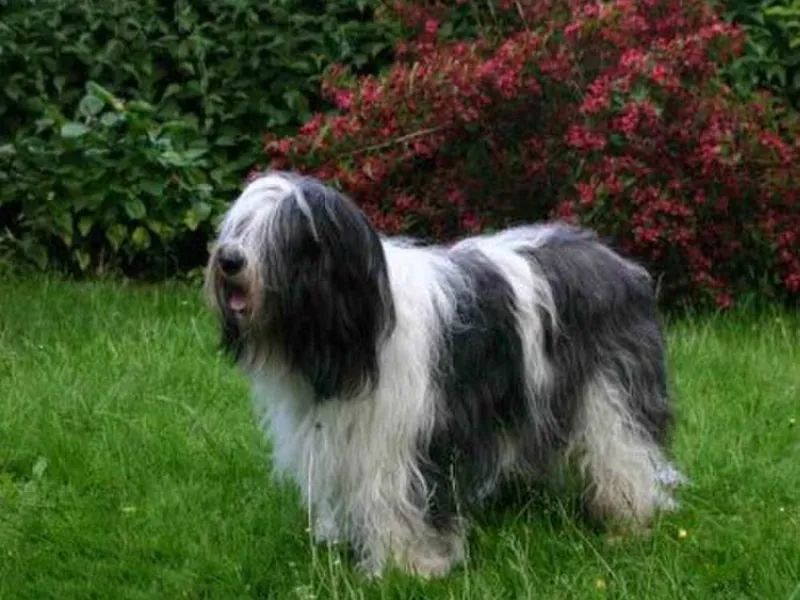
The Polish Lowland Sheepdog is a medium-sized, muscular, slightly rectangular herding dog hidden under a profuse shaggy coat. Adults stand about 17 to 20 inches tall and weigh roughly 31 to 51 lb. Males usually measure 18 to 20 inches and are sturdier, while females are around 17 to 19 inches with a lighter build.
The double coat is long, dense and thick, with a soft undercoat and a straight or slightly wavy outer coat. Long hair falls over the eyes, and the head looks larger than it is because of the abundant hair on the forehead, cheeks and chin.
The tail can be naturally short, long or docked. Docking is still seen in the United States but is banned in many European countries and in the UK for non-working dogs, so dogs with full tails are increasingly common.
Colors: all colors and markings are accepted. White with gray, black or brown patches is common, as are gray and grizzle. Many puppies are born darker and lighten considerably, so a puppy's adult color can be hard to predict.
Temperament and Personality
PONs are intelligent, lively and confident, with an excellent memory. They are devoted to their families and often good with children they know. With strangers they are reserved and watchful, quick to bark at anything unusual.
They can be self-assured and sometimes headstrong, and they need clear structure. Herding instinct may lead to nipping at heels or circling running children, which should be redirected early.
PONs are known for their memory: they remember people, places and routines well, and they also remember mistakes. Fair, consistent handling builds trust.
Are Polish Lowland Sheepdogs Good for First-Time Owners?
A PON can work for a motivated first-time owner, but its intelligence, independence and coat care make it more demanding than many medium-sized breeds.
New owners should plan for puppy and adolescent classes, wide socialization with visitors and a dog sport or training hobby that keeps the dog's mind busy. PONs notice inconsistency and will test rules, so the whole household must agree on boundaries. Grooming takes time each week, and learning to brush to the skin, or arranging a shorter pet trim, is essential. With a supportive breeder or club mentor, a novice can raise a well-adjusted PON.
Are Polish Lowland Sheepdogs Easy to Train?
PONs learn very quickly, but they are thinking dogs with their own opinions, so they are easy to teach and harder to keep consistent.
They remember routines and lessons well, including bad experiences, so fair, reward-based methods work best. Short, varied sessions keep them interested; repetitive drilling leads to boredom. Herding, agility, rally and nose work give PONs a satisfying outlet and strengthen cooperation. Key areas to focus on are polite greetings, calm responses to visitors, a quiet cue for barking and redirecting herding behavior around children and other pets.
Can Polish Lowland Sheepdogs Be Left Alone?
Adult PONs can usually be left alone for a few hours, but they are devoted to their families and bored PONs often turn to barking or mischief.
Teach alone time gradually from puppyhood, starting with short absences and building up. Before leaving, give the dog a walk and a short training session to tire its mind, and offer a puzzle toy or chew. Because PONs are alert watchdogs, leaving them where they can see the street may lead to constant barking. For full workdays, a dog walker or family member who checks in midday makes a real difference.
Exercise and Training
PONs need daily exercise, around an hour, combining walks with mental work. Herding, agility, obedience, rally and nose work are all good choices.
They learn quickly and respond well to positive, consistent training. Socialize them early and widely to temper their natural suspicion of strangers. Their intelligence means boredom can lead to barking or mischief.
Herding instincts mean PONs may try to herd children, other pets or even cars. Redirect this early and give them appropriate outlets.
Grooming and Shedding
The long, dense double coat is the biggest commitment of PON ownership. Brush and comb thoroughly at least weekly, more during coat change, working down to the skin to prevent mats. Hair over the eyes is traditionally left long.
- Check behind the ears, under the legs and around the collar, where mats form first.
- Many pet owners keep a shorter trim for easier care.
- Shedding is relatively low because loose hair tends to stay in the coat until brushed out.
The coat comes in many colors, including white, gray, black and brown, often with patches. Puppies frequently change color as they mature.
Feeding and Nutrition
PONs are sturdy, active herding dogs and should be kept in lean, working condition. The thick coat completely hides the body shape, so weigh your dog regularly and feel for the ribs and waist under the hair. Excess weight puts extra strain on hips, a joint that breeders screen in this breed.
Puppies: feed a complete puppy diet for medium-sized breeds, in three or four meals a day at first, moving to two meals for adults. Aim for steady growth rather than speed.
Coat and skin: a balanced diet with adequate protein and essential fatty acids supports the long double coat. Do not add supplements without veterinary advice. A sudden change in coat quality or weight can indicate thyroid problems, which some breeders test for, and deserves a vet check.
Mealtime hygiene: the beard and facial hair soak up food and water. Wipe or comb the face after meals to prevent staining, odor and skin irritation.
PONs are food-motivated and learn fast, so use part of the daily ration for training and puzzle feeders. Count all treats and chews.
| Adult weight | Less active | Typical adult | Very active |
|---|---|---|---|
| 31 lb | 710 kcal | 810 kcal | 1,020 kcal |
| 41 lb | 880 kcal | 1,000 kcal | 1,250 kcal |
| 51 lb | 1,030 kcal | 1,180 kcal | 1,480 kcal |
Estimates use the resting energy formula veterinarians work with (70 × body weight in kg0.75) and standard activity factors. Use the feeding guide on your food as a starting point and adjust to body condition. Puppies, seniors, pregnant animals and pets that need to lose weight have different needs, so ask your vet.
Health and Lifespan
The PON is generally a healthy breed. Responsible breeders screen for hip dysplasia and eye diseases, and some also test thyroid function. Ask for health results on both parents.
Keep the coat clean around the face and ears to avoid skin problems. Typical lifespan is about 12 to 14 years.
Polish Lowland Sheepdog Price and Cost of Ownership
The Polish Lowland Sheepdog is relatively rare in the United States, with a limited number of breeders producing litters each year. Prices vary by breeder, region and lines, and waiting lists are common. Ask for hip and eye results for both parents, and thyroid testing if the breeder does it.
Adoption is uncommon, but the national breed club runs a rescue network and occasionally places adults.
Grooming is the main ongoing cost driver. Owners who do not brush thoroughly at home may need professional grooming every six to eight weeks, and matted coats often have to be clipped at extra cost. Many pet owners choose a shorter trim to reduce time and expense. Training classes and dog sports are a worthwhile part of the budget for this intelligent breed.
Is the Polish Lowland Sheepdog Right for You?
The PON suits active owners who enjoy training and dog sports and appreciate a watchful, loyal companion. It adapts to houses or larger apartments if well exercised.
It is less suited to people wanting a low-maintenance coat, owners away for long days, or households with many unfamiliar visitors and little time for socialization.
Polish Lowland Sheepdog Traits at a Glance
Polish Lowland Sheepdog FAQ
How big do Polish Lowland Sheepdogs get?
They stand about 17 to 20 inches tall and weigh roughly 31 to 51 lb.
Are Polish Lowland Sheepdogs hypoallergenic?
No breed is truly hypoallergenic. PONs shed relatively little, which may help some allergy sufferers, but individual reactions vary.
Are Polish Lowland Sheepdogs good family dogs?
Yes, they are loyal and often good with children, but they need training, exercise and early socialization.
How much grooming does a PON need?
A lot. Weekly thorough brushing and combing at minimum to prevent mats.
Do PONs bark a lot?
They are alert watchdogs and will bark at strangers and noises. Training helps keep it in check.
How long do Polish Lowland Sheepdogs live?
Usually about 12 to 14 years.