Presa CanarioPowerful guardian from the Canary Islands
The Presa Canario is a heavy, muscular mastiff from the Canary Islands, bred to guard farms and control cattle. Calm and devoted with its family, it is watchful and suspicious of strangers, and it needs an experienced owner who can provide structure from day one.
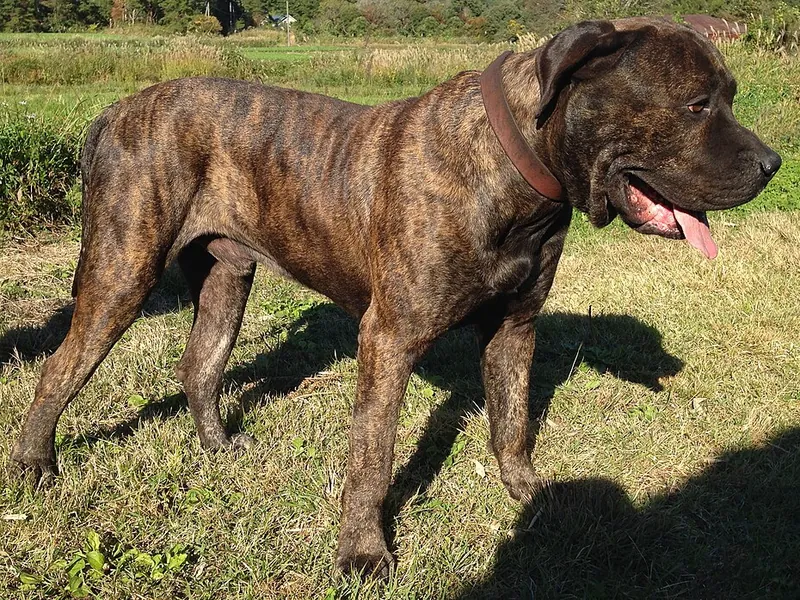
Why people love the Presa Canario
- Calm and devoted with its own family
- Natural guardian of home and property
- Short coat needs very little grooming
- Moderate daily exercise needs for its size
- Confident and steady when well socialized
Things to consider
- Needs an experienced owner and lifelong training
- Wary of strangers and often intolerant of same-sex dogs
- Restricted or banned in some places
- Short lifespan of about 9 to 11 years
- Giant-breed costs and noticeable drool
Is this breed right for you?
10 questions · live resultHistory and Origin
The breed developed on Tenerife and Gran Canaria, where farmers needed a strong dog to guard property and hold or move cattle. Local herding dogs were mixed over centuries with mastiff and bulldog types brought by Spanish and other European settlers.
Dog fighting, once common on the islands, also shaped the breed until it was banned in the mid-20th century, after which numbers declined. Enthusiasts revived the breed in the 1970s and 1980s. The FCI recognizes it under the name Dogo Canario, and the AKC places it in the Miscellaneous Class.
Size, Colors and Coat
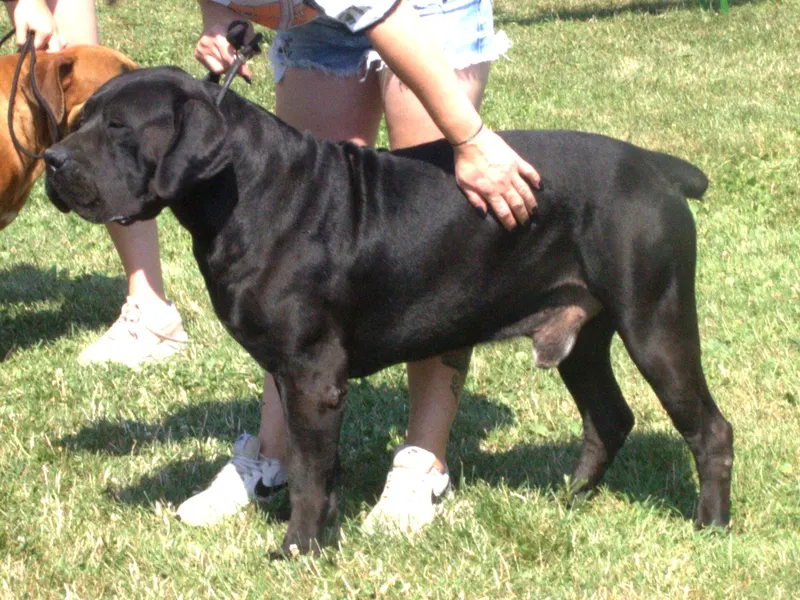
The Presa Canario is a powerful, heavy mastiff with a slightly elongated body, a broad, cube-shaped head and a muscular neck. It stands about 22 to 26 inches at the shoulder and weighs roughly 88 to 143 lb. The difference between the sexes is pronounced: males are taller, heavier and broader in the head, while females are noticeably smaller and slightly longer in the body.
The coat is short, flat and slightly coarse, without undercoat. The skin is thick and elastic, with some loose skin at the throat.
Accepted colors include:
- All shades of fawn, from light sand to deep red
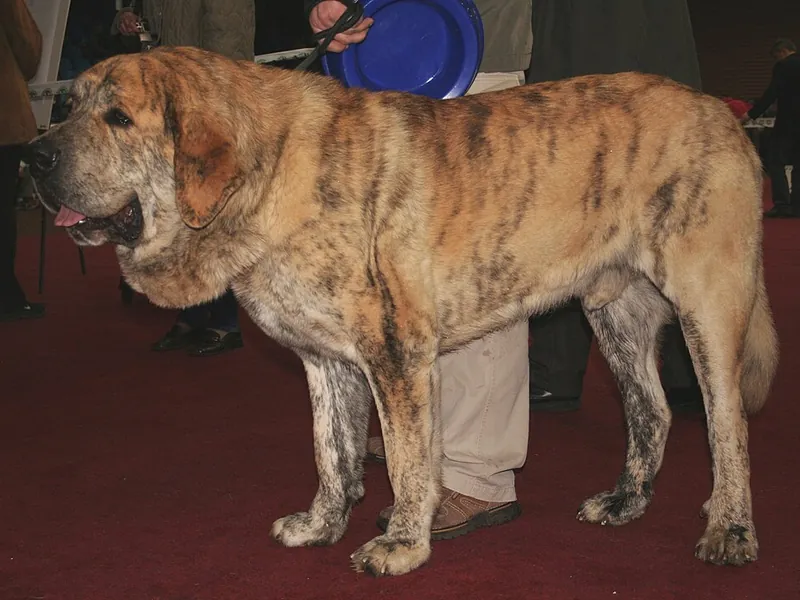
- All shades of brindle, from warm brown to grayish
- Black, accepted in the AKC standard
A black mask is required. Limited white on the chest, throat or toes is allowed. Ears are naturally rose or drop-shaped and are cropped in some countries, including parts of the US, but left natural where cropping is banned.
Temperament and Personality
At home a well-raised Presa is often calm, even lazy, and strongly attached to its family. Its guarding instinct, however, is pronounced: it watches the property, reacts to unfamiliar people and animals, and does not readily accept strangers into its space.
The breed can be strong-willed and will test boundaries, particularly during adolescence. It is generally not tolerant of other dogs of the same sex, and its interaction with young children and visiting kids needs close adult supervision because of its size and protectiveness.
A Presa that is well socialized usually behaves with quiet confidence in public rather than reacting to every passerby. The goal of training is a dog that looks to its handler for guidance, so its protective judgment never has to be the first response.
Is the Presa Canario Good for First-Time Owners?
No, the Presa Canario is not recommended for first-time owners. Its size, strength and strong guarding instinct require experienced, confident handling and years of consistent training.
A Presa that is not properly socialized and trained can become difficult to manage around visitors, other dogs and public spaces. Owners need time for daily training, the ability to physically control a dog of well over 100 lb, and a secure property. They also need to check local laws, housing rules and insurance. People new to dogs who like the mastiff look should consider calmer, less territorial breeds.
Are Presa Canarios Aggressive?
The Presa Canario is bred as a guardian, so it is naturally protective and suspicious of strangers. With its own family, a well-raised Presa is usually calm and affectionate.
Whether an individual dog shows aggression depends on genetics, socialization, training and management. Because of the breed's power, any reactivity has serious consequences, which is why early and ongoing socialization, careful introductions and professional guidance are important. Same-sex dog aggression is common in the breed. Some jurisdictions restrict the breed and insurers may apply rules, so owners carry real legal responsibility.
Does a Presa Canario Need a Yard?
A securely fenced yard is strongly recommended. The Presa Canario is too large and territorial for most apartments, and a yard gives it room to move and a property to watch.
The yard needs a high, solid fence and locked gates, as the dog will guard the boundary and should not be able to reach passersby or escape. A yard is not a substitute for walks, training and socialization, however. Presas left alone in yards for long periods can become more territorial. Daily structured walks and time with the family indoors remain essential.
Exercise and Training
Daily exercise is moderate: one or two structured walks, some free play in a securely fenced yard and mental work such as obedience drills. More important than mileage is training and socialization.
- Start socialization early and keep it going through the first two to three years.
- Use calm, consistent, reward-based leadership; force tends to backfire.
- Practice handling, visitors at the door and walking past other dogs regularly.
Professional guidance from a trainer experienced with guardian breeds is strongly recommended.
Grooming and Shedding
The short, coarse coat in fawn, brindle or black shades needs little care: a weekly brush and occasional bath. Shedding is moderate. Expect drool, especially after drinking and in hot weather, so keep a towel handy.
Nails grow fast on heavy dogs and should be trimmed regularly to protect joints and posture.
Feeding and Nutrition
Feeding a Presa Canario starts with managing growth. Giant puppies that grow too fast are more prone to hip and elbow problems.
- Use a food formulated for large or giant-breed puppies with controlled calcium, and avoid extra supplements unless prescribed.
- Keep puppies lean, aiming for slow, steady growth. Presas often keep maturing until two or three years old.
- Feed puppies three or four meals a day, then two or three meals for adults.
As a deep-chested breed, the Presa has a bloat risk. Avoid one large daily meal, slow down fast eaters with a puzzle bowl and keep the dog quiet for an hour after eating. Feed separately from other dogs to avoid food-related tension. Because portions are large, treats add up; use small pieces or part of the daily ration for training. Keep adults lean to protect joints and support heart health in a breed with a short lifespan.
| Adult weight | Less active | Typical adult | Very active |
|---|---|---|---|
| 88 lb | 1,560 kcal | 1,780 kcal | 2,220 kcal |
| 116 lb | 1,910 kcal | 2,190 kcal | 2,740 kcal |
| 143 lb | 2,240 kcal | 2,560 kcal | 3,200 kcal |
Estimates use the resting energy formula veterinarians work with (70 × body weight in kg0.75) and standard activity factors. Use the feeding guide on your food as a starting point and adjust to body condition. Puppies, seniors, pregnant animals and pets that need to lose weight have different needs, so ask your vet.
Health and Lifespan
The AKC describes the Presa Canario as a generally healthy breed, but like other giant molossers it has a short life, typically 9 to 11 years. Large, fast-growing dogs are prone to joint problems, so breeders commonly screen hips and elbows, and puppies should grow slowly on a controlled diet without forced exercise.
Deep-chested breeds can be at risk of bloat, so learn the warning signs. Buy only from breeders who health-test and temperament-test their breeding dogs.
Presa Canario Price and Cost of Ownership
Typical breeder price in the US$1,500 to $4,000
A Presa Canario puppy from a reputable US breeder typically costs around $1,500 to $4,000. Prices vary by breeder, region and lines, and breeders who health-test hips and elbows and temperament-test their dogs often charge more.
Adoption is possible through breed-specific and mastiff rescues, which often know an adult dog's temperament with people and other dogs. Expect careful screening.
Breed-specific ongoing cost drivers include:
- High, secure fencing and locked gates
- Professional training from someone experienced with guardian breeds
- Homeowners or liability insurance, which may be more expensive or restricted
- Large volumes of food and giant-breed vet costs
- Possible bloat surgery or a preventive gastropexy
Is the Presa Canario Right for You?
The Presa suits experienced owners with a secure property, time for lifelong training and no need for a dog that welcomes every visitor. At 88 to 143 lb and 22 to 26 inches, it is too large and too territorial for most apartments and for first-time owners.
Some countries, states and cities restrict or ban the breed, and insurers may have rules too. Check local regulations before getting a puppy.
Presa Canario Traits at a Glance
Presa Canario FAQ
Are Presa Canarios good family dogs?
They are devoted to their own family, but their size and guarding instinct mean they need experienced handling and close supervision around children and guests.
How big do Presa Canarios get?
Adults usually stand 22 to 26 inches tall and weigh about 88 to 143 lb, with males clearly larger.
Are Presa Canarios restricted?
In some countries and municipalities the breed is restricted or banned. Check local laws and housing or insurance rules before buying.
Do Presa Canarios drool?
Yes, they drool noticeably, especially after drinking or eating and in warm weather.
How long do Presa Canarios live?
Typical lifespan is about 9 to 11 years.
Are Presa Canarios good with other dogs?
Many are intolerant of unfamiliar dogs, particularly of the same sex. Early socialization helps but does not guarantee acceptance.