Calm Dog BreedsRelaxed companions with a mellow pace
Calm dog breeds tend to settle easily indoors, have moderate energy and enjoy downtime with their people. This page helps owners who want a quieter, more relaxed dog understand what breed tendencies can and cannot promise.
All Calm Dog Breeds A to Z
What makes a breed calm
A calm breed is one whose typical adult temperament is settled and low-key indoors, with moderate exercise needs. It does not mean a dog that never plays. Two different kinds of calm show up on this list:
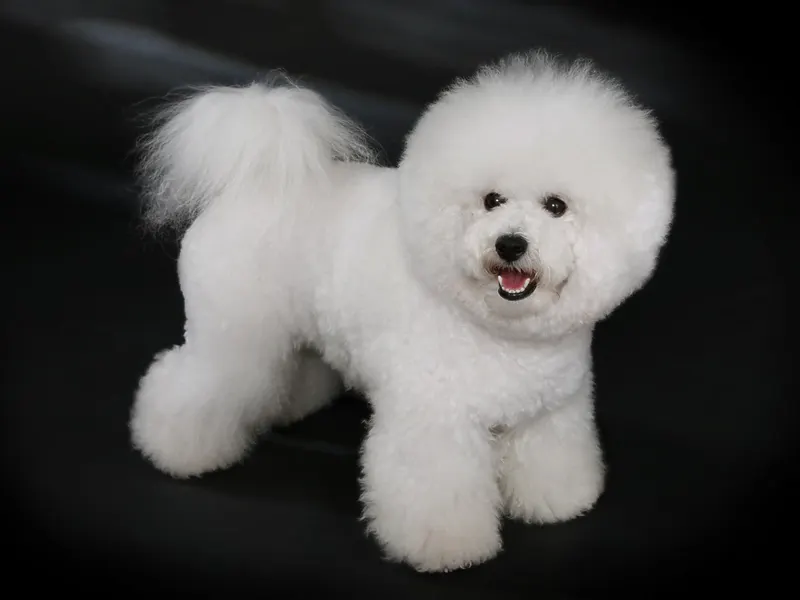
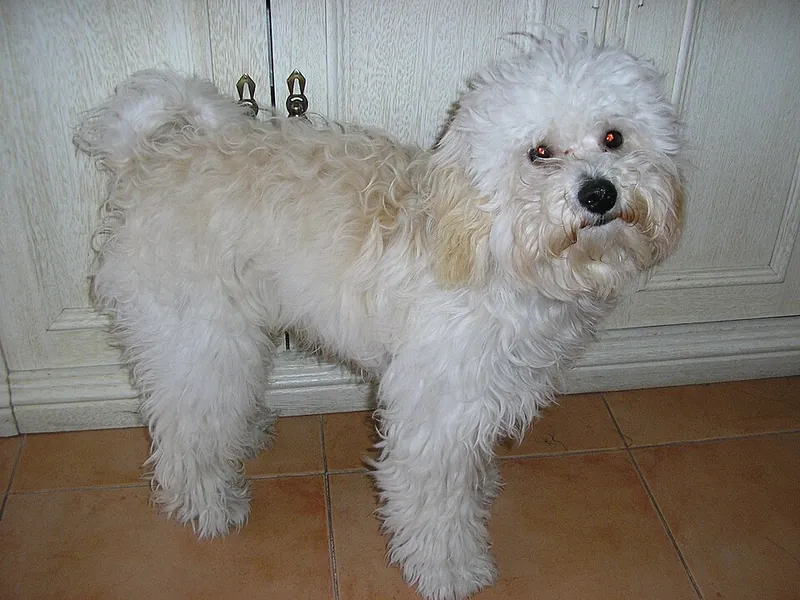
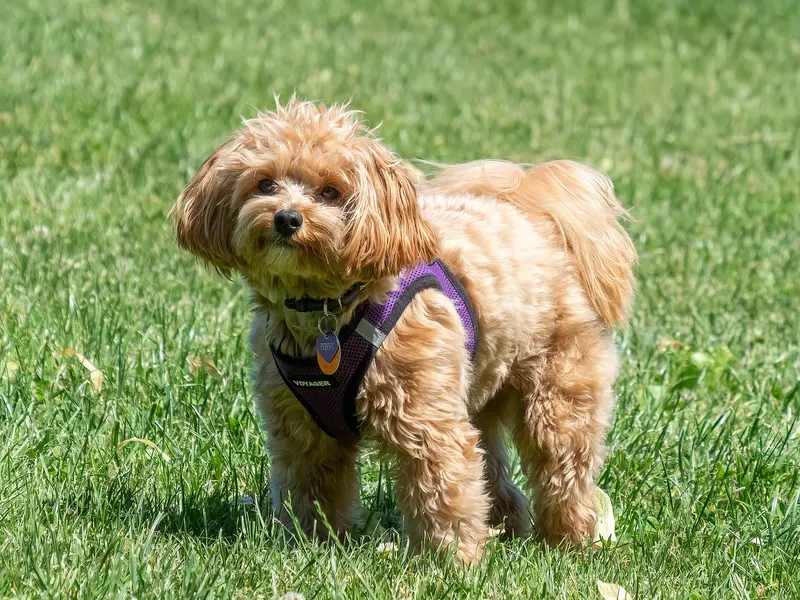
- Gentle companion breeds such as the Bichon Frise, Bolognese and Maltipoo, which are affectionate, adaptable and happy with daily walks and play.
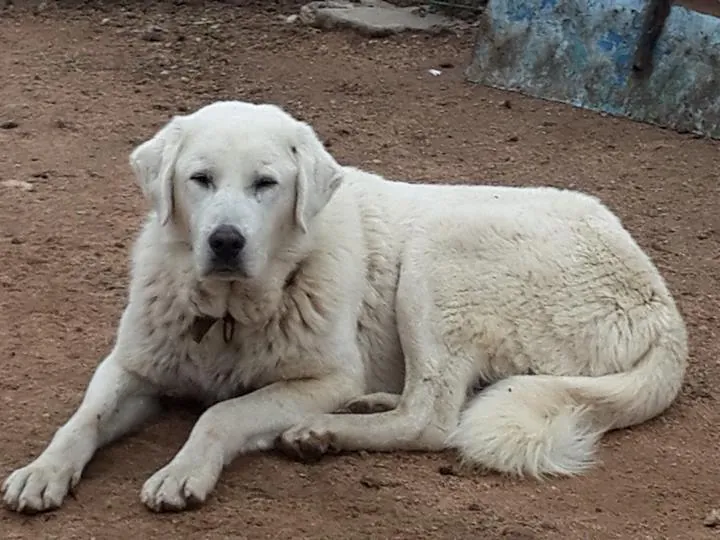
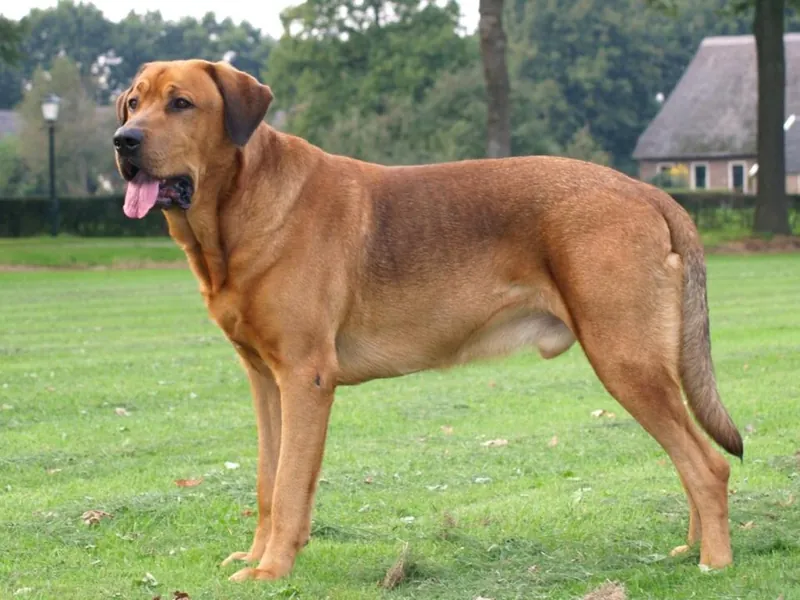
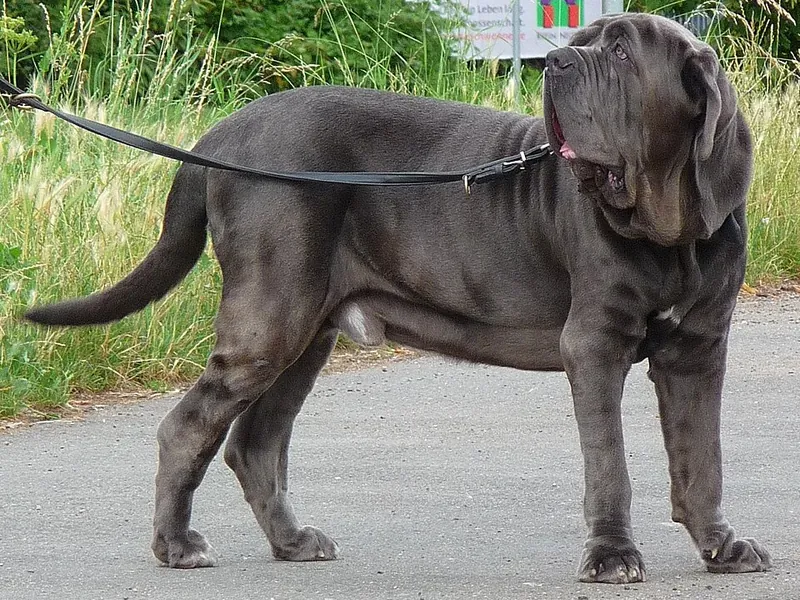
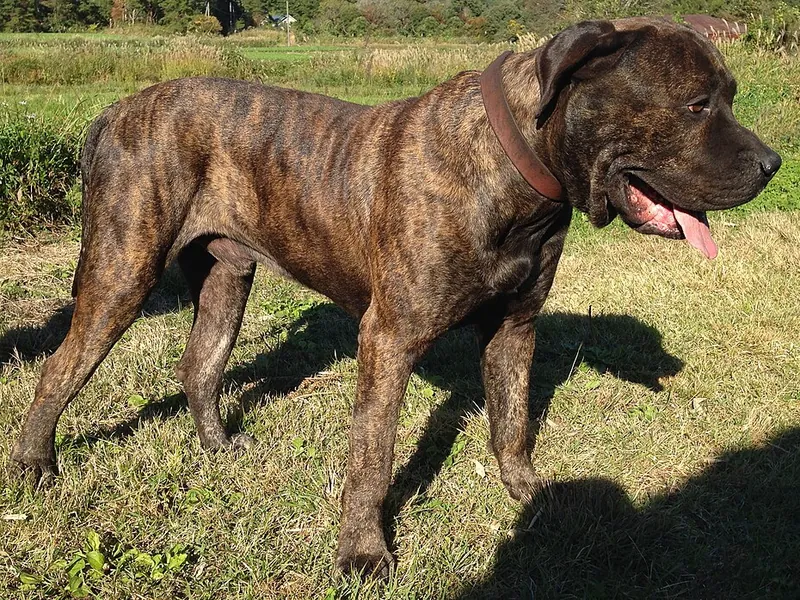
- Large, steady guardians such as the Neapolitan Mastiff, Broholmer, Akbash and Presa Canario, which are often quiet and relaxed at home but alert and protective when something seems unusual.
Calm is not the same as easy
A relaxed giant can still be a lot of dog. The Presa Canario and Akbash are calm in demeanor, but they are powerful guardians that need early socialization and an experienced, consistent owner. The small companion breeds are generally easier for beginners, though they still need training and attention, and some can become anxious if left alone too much.
Age, exercise and training matter most
Nearly every puppy is energetic, whatever the breed. Most dogs settle noticeably as they mature, often around two years old. A dog that gets enough daily exercise, mental work and routine is far more likely to be calm indoors than an under-stimulated one. If calmness is your top priority, consider adopting an adult dog whose temperament is already known.
Teaching a settle or place cue, using puzzle feeders and keeping a predictable daily schedule all help any dog learn to relax.
Signs of a truly calm dog
When you meet a puppy or adult dog, look for behavior rather than labels. A naturally calm dog usually recovers quickly from surprises, settles on its own after play, and does not demand constant attention. It can watch other dogs or people without pulling hard toward them. Ask the breeder or shelter how the dog behaves at home, in the car and when visitors arrive.
Also consider your own lifestyle. A calm dog still needs company, so very long days alone can lead to boredom, barking or anxiety in any breed. Small companion breeds like the Maltipoo and Bolognese in particular are bred to be close to people and do best in homes where someone is around for much of the day.
Choosing a calm breed
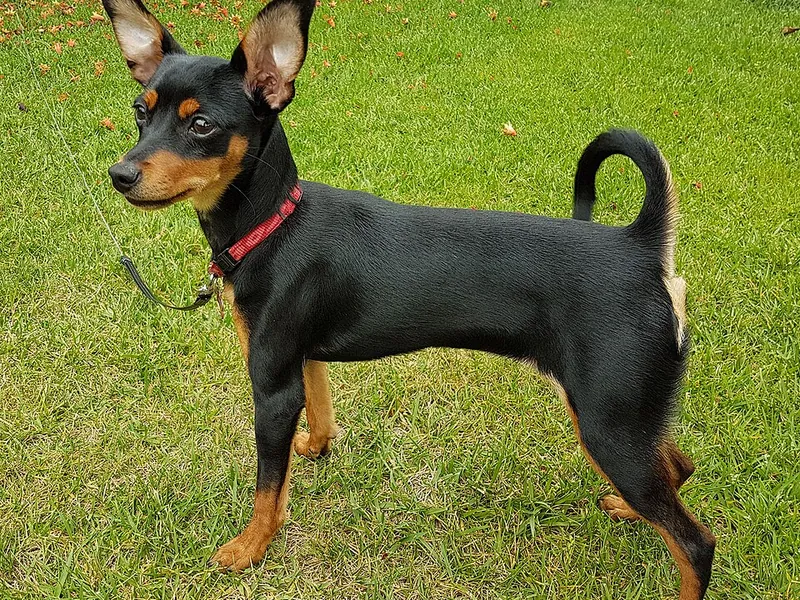
Think about the size of dog you can handle and how much grooming you want. The Bichon Frise and Bolognese need regular coat care but fit well in apartments. The Prague Ratter is tiny and easy to carry. The mastiff-type breeds groom easily but need space, strong handling and a budget for large-dog health care.
Meet the parents of a puppy if possible, because individual temperament varies widely even within calm breeds.
Frequently Asked Questions
What is the calmest dog breed?
There is no single calmest breed. Many mastiff-type breeds and gentle companion breeds are known for a relaxed temperament, but individual dogs vary a lot.
Are lazy dog breeds good for apartments?
Small calm breeds like the Bichon Frise, Bolognese and Maltipoo often adapt well to apartments. Calm giants may be relaxed but still need space.
At what age do dogs calm down?
Many dogs settle noticeably between one and two years of age, with larger breeds sometimes maturing later.
Do calm dog breeds still need exercise?
Yes. Daily walks, play and mental enrichment are what allow a dog to be calm at home.
Not sure which breed fits you?
Answer 8 quick questions and get breeds ranked for your home, schedule and experience.