MaltipooAffectionate Maltese and Poodle cross
The Maltipoo crosses the Maltese with a Toy or Miniature Poodle to create a small, people-focused companion. It needs little exercise but plenty of company and coat care, which makes it a good match for owners who are home often and enjoy a true lap dog.
Why people love the Maltipoo
- Small, portable and well suited to apartments
- Affectionate lap dog that loves company
- Usually low-shedding coat
- Quick learner thanks to the Poodle parent
- Often friendly with other pets, including cats
Things to consider
- Prone to separation anxiety and barking
- Coat mats easily and needs daily brushing
- Fragile around toddlers and larger dogs
- Size, coat and temperament vary between puppies
- Dental disease is common in small, crowded mouths
Is this breed right for you?
10 questions · live resultHistory and Origin
The Maltipoo is a designer cross that became popular in the United States around the 1990s, when breeders began pairing the Maltese with Toy or Miniature Poodles. The aim was a small companion with a low-shedding coat and the gentle nature of both parents. Both parent breeds have long histories as companions: the Maltese in the Mediterranean, and the smaller Poodles as European house pets and performers.
Maltipoos are not recognized as a breed by the AKC, The Kennel Club or the FCI. Puppies may be first-generation crosses or come from Maltipoo-to-Maltipoo breedings, so size, coat and temperament vary more than in a pedigree breed. Several hybrid clubs keep registries, but none sets enforceable health standards.
Size, Coat Types and Colors
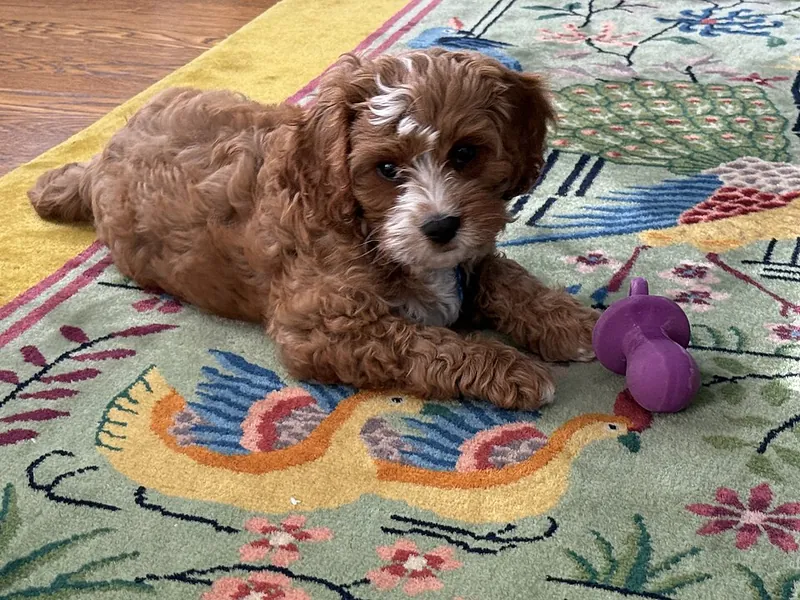
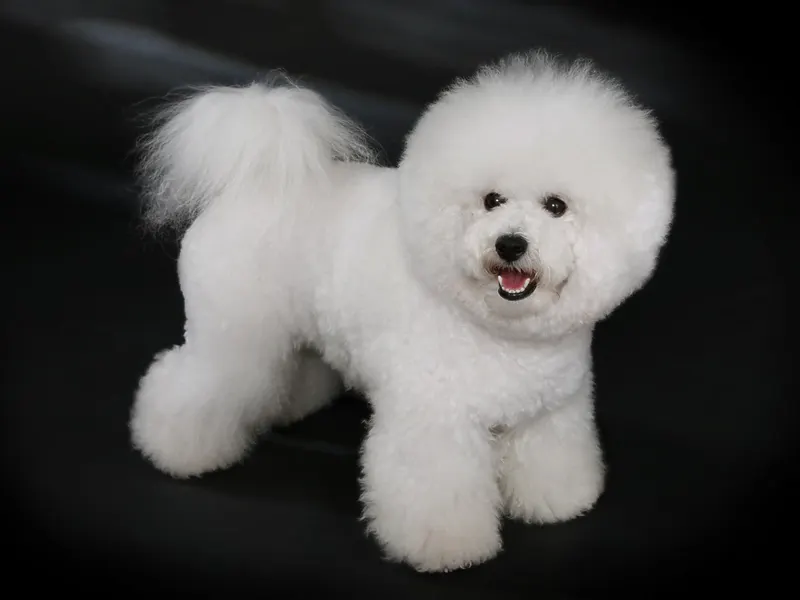
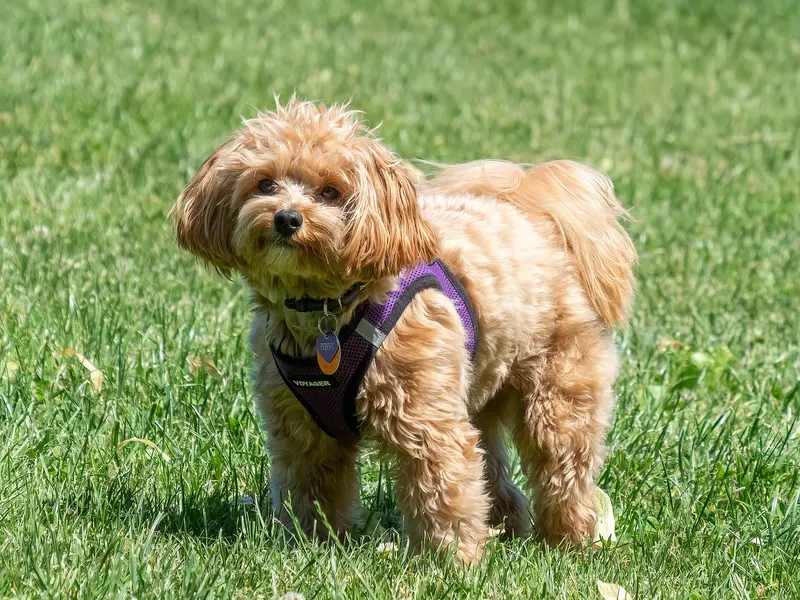
The Maltipoo is a small, compact crossbreed with a rounded head, dark, expressive eyes, drop ears and a soft, plush look. Most adults weigh 5 to 20 lb and stand about 8 to 14 inches. Size depends mainly on the Poodle parent: a Toy Poodle cross usually produces a dog at the lower end, while a Miniature Poodle cross often reaches the upper end. Terms like teacup or toy Maltipoo are marketing labels, not standardized sizes. Males and females differ little in size.
The coat varies with parentage and generation. It may be curly like a Poodle's, wavy, which is the most common, or straighter and silkier like a Maltese's. First-generation crosses vary most, while back-crosses to a Poodle tend toward curlier, lower-shedding coats.
Common colors include white, cream, apricot, red, silver, black and brown, plus parti-colors. Light-colored dogs often show tear staining, and apricot and red coats may fade with age.
Temperament and Personality
Maltipoos are typically sweet, playful and strongly attached to their people. They like to follow their owners from room to room and often prefer a lap to the yard. Most are friendly with visitors and with other pets, including cats, when raised with them.
Alertness inherited from both parents makes many Maltipoos quick to bark at doorbells or footsteps in the hallway. They also tend to struggle with being alone and can develop separation-related barking or anxiety. Building up short absences gradually from puppyhood helps a great deal.
Are Maltipoos Good for First-Time Owners?
Yes, Maltipoos are often a good choice for first-time owners who are home a lot. They are affectionate, adaptable and quick to learn, and their small size makes them easy to handle and travel with.
The main challenges are company, grooming and house training. Maltipoos are prone to separation anxiety, so they suit people who work from home, retirees or families with someone around for much of the day. The coat needs daily brushing and a trim every six to eight weeks. Small dogs can also be slow to house-train, so be consistent from day one. Choose a breeder who health-tests both parents.
Can a Maltipoo Live in an Apartment?
Yes, the Maltipoo is very well suited to apartment life. It is small, needs only about 30 to 45 minutes of activity a day and is happy with short walks and indoor play.
The biggest apartment challenge is barking. Maltipoos are alert and may react to footsteps in the hallway, elevators and doorbells, especially when bored or left alone. Teach a quiet cue early, use white noise to muffle hallway sounds and build up alone time gradually. Indoor potty options like pads or a balcony patch can help with house training in high-rise buildings, though most owners eventually train for outdoor breaks.
Are Maltipoos Easy to Train?
Generally yes. Maltipoos inherit the Poodle's quick mind and the Maltese's desire to please, and they learn cues and tricks quickly with food rewards and praise. Short, upbeat sessions of a few minutes work best.
House training is often the hardest part. Small bladders, small accidents that are easy to miss and owners' reluctance to take a tiny dog out in bad weather all slow progress. Take the puppy out frequently, reward success immediately and use a crate or pen to prevent accidents. Barking and separation-related behavior also deserve early training, since they are the most common problems in the cross.
Exercise and Training
A couple of short walks and indoor play, usually 30 to 45 minutes a day in total, are enough for most Maltipoos. Puzzle feeders and short training games tire them out as well as a longer walk. Because they are small and fragile, supervise play with larger dogs and discourage leaps from high furniture.
Training usually goes well thanks to the Poodle's quick mind. Use food rewards, keep sessions to a few minutes and start house training early, since small dogs can be slow to stay clean indoors. Teaching a quiet cue and a calm alone-time routine is worth the effort.
Grooming and Shedding
The coat can be wavy, curly or straighter depending on the parents. Most Maltipoos shed little but mat easily, so daily brushing with a slicker brush and comb is needed, along with a trim every six to eight weeks. Keep the hair around the eyes short or tied up, and wipe away tear stains daily, a common issue in light-colored dogs. Brush teeth often, as small, crowded mouths are prone to dental disease.
Feeding and Nutrition
Maltipoos are tiny, and feeding them well is about small, regular portions. Puppies, especially those expected to stay under 10 lb, can develop low blood sugar if they go too long without food. Offer three or four small meals a day until about six months, then two meals. Signs such as weakness, trembling or lethargy in a small puppy need urgent attention.
Choose a complete food for small or toy breeds with a kibble size that fits a small mouth. Crowded teeth make Maltipoos prone to tartar and gum disease, so daily tooth brushing matters more than any particular food.
Weight gain happens quickly in a small dog. A single treat can be a large share of a tiny dog's daily needs, so use very small pieces in training and subtract them from meals. Table scraps are a common cause of obesity and stomach upsets.
Light-colored Maltipoos often have tear stains. Keep the face clean and dry, and ask your vet before trying supplements.
| Adult weight | Less active | Typical adult | Very active |
|---|---|---|---|
| 5 lb | 180 kcal | 210 kcal | 260 kcal |
| 12 lb | 350 kcal | 400 kcal | 500 kcal |
| 20 lb | 510 kcal | 590 kcal | 730 kcal |
Estimates use the resting energy formula veterinarians work with (70 × body weight in kg0.75) and standard activity factors. Use the feeding guide on your food as a starting point and adjust to body condition. Puppies, seniors, pregnant animals and pets that need to lose weight have different needs, so ask your vet.
Health and Lifespan
Maltipoos can inherit problems from either parent breed. The most common are luxating patellas (slipping kneecaps), dental disease and eye conditions such as progressive retinal atrophy (PRA). Other conditions found in the parent breeds include liver shunts, collapsing trachea and Legg-Calve-Perthes disease.
Because no breed club regulates health testing, ask to see results for both parents, including knee checks, eye exams and a PRA DNA test for the Poodle parent. With good care, Maltipoos usually live 12 to 16 years.
Maltipoo Price and Cost of Ownership
Typical breeder price in the US$1,000 to $3,500
A Maltipoo puppy from a reputable US breeder typically costs about $1,000 to $3,500. Prices vary by breeder, region, generation, size and color, and very small puppies are often priced higher. Because there is no breed club regulating health testing, look for breeders who show knee, eye and PRA DNA results for both parents. Maltipoos and other small Poodle mixes regularly appear in shelters and rescues, so adoption is an option.
Grooming is the main ongoing cost. Most Maltipoos need a professional trim every six to eight weeks plus daily brushing at home.
Other breed-specific cost drivers include dental cleanings, which small dogs often need more frequently, treatment of luxating patellas and possibly collapsing trachea, and daycare or a pet sitter for owners who cannot leave a dog alone for long.
Is the Maltipoo Right for You?
The Maltipoo suits retirees, people working from home and families with older children who want a gentle, portable companion. It adapts well to apartments and needs only moderate exercise.
It is not ideal for households where the dog would be alone all day, or for families with toddlers who could accidentally hurt a tiny dog. Owners must also accept regular grooming costs. People with allergies may react less, but since coats vary, this is not guaranteed.
Maltipoo Traits at a Glance
Maltipoo FAQ
Are Maltipoos hypoallergenic?
Many Maltipoos shed little, which can help people with mild allergies. Coat type varies by parentage and allergens are also in saliva and dander, so no Maltipoo is guaranteed hypoallergenic.
How big do Maltipoos get?
Most weigh 5 to 20 lb and stand about 8 to 14 inches tall. A Toy Poodle parent usually produces a smaller dog than a Miniature Poodle parent.
Do Maltipoos bark a lot?
They can. Maltipoos are alert and tend to bark at noises and visitors, especially when bored or alone, so early training helps.
Can a Maltipoo be left alone?
Maltipoos are prone to separation anxiety and do best with someone home for much of the day. Practice short absences from puppyhood and avoid leaving them for full workdays.
Are Maltipoos good with children?
They are gentle and playful, but their small size makes them fragile. They suit families with older, careful children better than homes with toddlers.
How long do Maltipoos live?
Maltipoos usually live 12 to 16 years. Good dental care and a healthy weight help them reach the upper end.