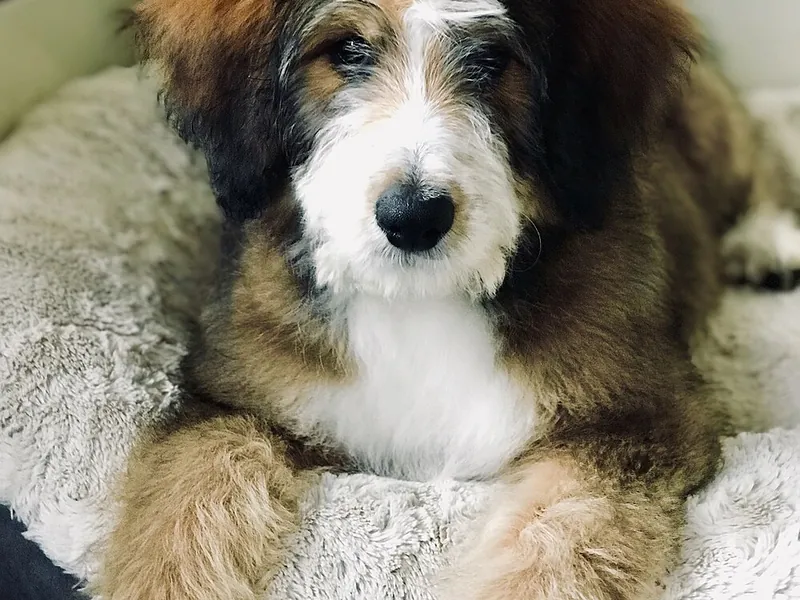
CavapooFriendly Cavalier and Poodle crossbreed
The Cavapoo is a cross between a Cavalier King Charles Spaniel and a Poodle, usually a Miniature or Toy. It is friendly, adaptable and often lower-shedding, which makes it popular with families, but it inherits health risks from both parents and needs regular grooming.
Why people love the Cavapoo
- Affectionate, sociable and good with children
- Often low shedding, though not guaranteed
- Adapts well to apartments and city life
- Usually easy to train with positive methods
- Friendly with other dogs and cats
Things to consider
- Prone to separation anxiety
- Size, coat and temperament vary between puppies
- Professional grooming every six to eight weeks
- Can inherit heart disease from the Cavalier side
- High demand attracts irresponsible breeders
Is this breed right for you?
10 questions · live resultHistory and Origin
Cavapoos emerged as part of the designer dog trend of the 1990s, when breeders began crossing Poodles with other breeds to combine the Poodle's low-shedding coat with a different temperament. Australian breeders were among the first to promote the Cavoodle, and the cross is widely bred in the United States and Britain.
Breeding generations vary: a first-generation (F1) Cavapoo has one Cavalier and one Poodle parent, while later generations are bred from Cavapoo parents. As a crossbreed, the Cavapoo is not recognized by the AKC or The Kennel Club, and appearance, size and coat vary considerably, especially in first-generation litters.
Sizes, Coat Types and Colors
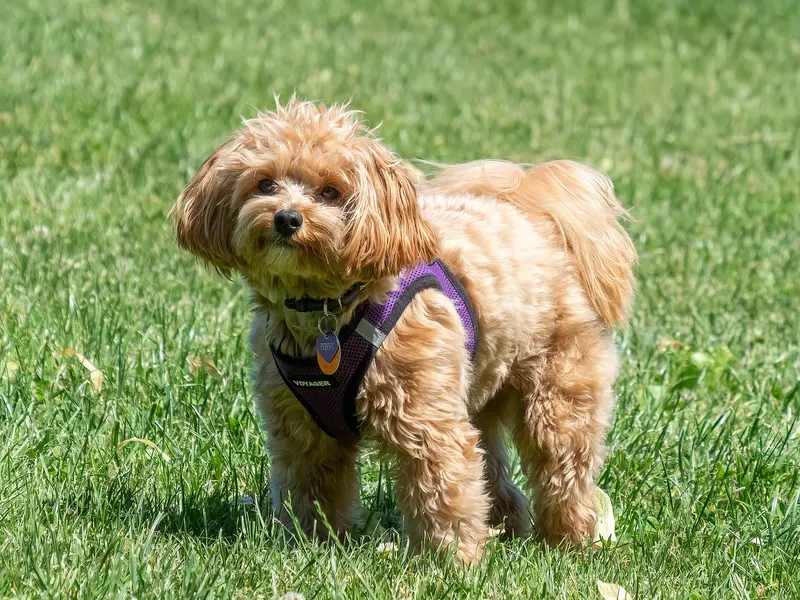
As a crossbreed, the Cavapoo has no breed standard, and its look varies with the parents and generation. Most adults weigh about 8 to 25 lb. Size depends mainly on the Poodle parent:
- Toy Poodle cross: often 8 to 14 lb
- Miniature Poodle cross: often 13 to 25 lb
Height also varies widely, and our data box does not list it for that reason. Males tend to be slightly larger than females from the same litter.
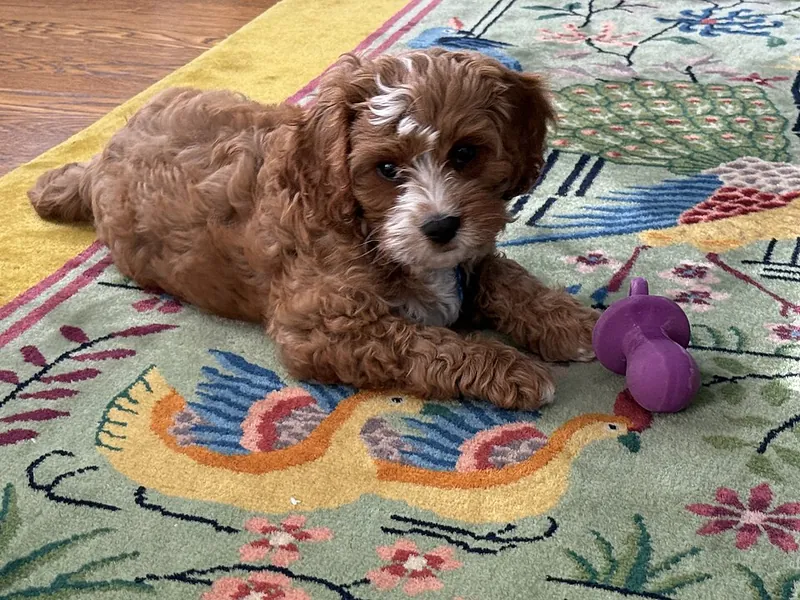
The coat ranges from loose waves to tight curls, depending on how many Poodle genes the puppy inherits. First-generation (F1) puppies may vary widely within the same litter, while later generations can be more consistent. Coat type also determines shedding: tighter curls generally shed less, while wavy or straighter coats may shed more.
Common colors include:
- Apricot, red, cream and gold
- Chestnut and black
- Blenheim and tricolor, from the Cavalier side
- Parti-color, white with patches
The face usually combines the Cavalier's round eyes with the Poodle's longer muzzle and wavy ears.
Temperament and Personality
Cavapoos are usually affectionate, sociable and gentle. They tend to get along with children, other dogs and cats, and they are often friendly with visitors. Many combine the Cavalier's love of laps with the Poodle's playfulness and quick mind.
That attachment has a downside: many Cavapoos are prone to separation anxiety and dislike being left alone. Because temperament can vary between litters and between puppies within a litter, meeting the parents is the best way to predict what a puppy may be like.
Most Cavapoos are not watchdogs: they may bark at the door but usually greet visitors with enthusiasm.
Do Cavapoos Bark a Lot?
Cavapoos are usually moderate barkers. Many bark at the door or to greet people, but they are not typically nuisance barkers when their needs are met.
The biggest trigger is separation. Cavapoos left alone for long periods may bark, whine or howl. Alone-time training, enough exercise and puzzle toys reduce this. Some bark from excitement or to get attention, which responds well to calm, consistent training. Teach a quiet cue early, and avoid rewarding demand barking. Barking levels can vary depending on the parents, so meeting them helps predict what a puppy may be like.
Are Cavapoos Good Apartment Dogs?
Yes, Cavapoos generally adapt well to apartment living. They are small, moderately active and content with daily walks and indoor play.
The key factor is not space but company. Apartment dwellers who work long hours away from home may struggle with a Cavapoo's tendency toward separation anxiety, which can lead to barking that disturbs neighbors. A routine with walks, play and gradual alone-time training helps. Grooming can be done at home between professional trims, and the low-shedding coat of many Cavapoos is easier to keep tidy in small spaces.
Are Cavapoos Easy to Train?
Yes, Cavapoos are generally easy to train. They combine the Poodle's intelligence with the Cavalier's desire to please, and most respond quickly to food rewards and praise.
Start early with house training, crate training and basic cues. Short, positive sessions work best, as harsh corrections can make sensitive Cavapoos anxious. House training is usually manageable with a consistent schedule, though smaller dogs may take a little longer. Many Cavapoos enjoy learning tricks, rally and beginner agility, which also build confidence in dogs prone to anxiety.
Exercise and Training
Cavapoos need moderate exercise, around 30 to 60 minutes a day of walks and play. Many enjoy fetch, short hikes, beginner agility, rally or scent work, which also build confidence in anxious dogs. They are clever and usually easy to train with positive reinforcement, food rewards and play.
Start alone-time training early by leaving the puppy for short periods with a chew or puzzle, and gradually increase the time. Crate training, a consistent routine and plenty of socialization help raise a confident adult. Keep walks on leash near roads, as the Cavalier side may follow interesting smells.
Grooming and Shedding
Coat types vary from loose waves to tight curls, depending on how much Poodle the puppy inherited. Many shed little, but none are guaranteed allergy-free. Brush several times a week, and book a professional trim every six to eight weeks. Keep ears clean and dry, since floppy, hairy ears are prone to infection. Wipe around the eyes to reduce tear staining.
Get puppies used to brushing, nail trims and the sound of clippers early, so that grooming visits stay stress-free.
Feeding and Nutrition
Cavapoos vary widely in size, so feed to your individual dog's weight and body condition rather than a general guide. Weigh your dog regularly and check for a waist and easily felt ribs under the coat.
Many Cavapoos are food-motivated and gain weight easily, a trait often traced to the Cavalier side. Extra weight adds strain to the heart and joints, which matters in a cross that can inherit mitral valve disease and luxating patellas. Measure meals and count treats.
Smaller Cavapoos can be prone to dental crowding and tartar. Choose a kibble size that suits their mouth, brush their teeth regularly and do not rely on food alone for dental health.
Puppies need three to four small meals daily, especially toy-sized ones that can be prone to low blood sugar. Most adults do well on two meals.
Some Cavapoos have food sensitivities or allergies, shown by itchy skin, ear problems or loose stools. Work with your vet on a structured diet trial rather than changing foods often.
Food puzzles and lick mats help with alone-time training and slow down fast eaters.
| Adult weight | Less active | Typical adult | Very active |
|---|---|---|---|
| 8 lb | 260 kcal | 290 kcal | 370 kcal |
| 16 lb | 430 kcal | 500 kcal | 620 kcal |
| 25 lb | 610 kcal | 690 kcal | 870 kcal |
Estimates use the resting energy formula veterinarians work with (70 × body weight in kg0.75) and standard activity factors. Use the feeding guide on your food as a starting point and adjust to body condition. Puppies, seniors, pregnant animals and pets that need to lose weight have different needs, so ask your vet.
Health and Lifespan
Cavapoos typically live 12 to 15 years. Inherited risks from both parent breeds include:
- Mitral valve disease, inherited from the Cavalier
- Luxating patellas
- Hip dysplasia
- Eye problems such as progressive retinal atrophy
- Dental disease and allergies
Health testing matters especially because the Cavalier parent may carry heart and neurological disease. Ask for cardiologist heart certificates for the Cavalier parent, knee and eye checks for both parents, and DNA tests where relevant.
Cavapoo Price and Cost of Ownership
Typical breeder price in the US$1,500 to $4,000
Cavapoo puppies in the US typically cost about $1,500 to $4,000 from established breeders, although prices vary by breeder, region, size, coat and generation. Because the cross is popular, prices are sometimes inflated, and many puppies come from sellers who do not health test. Look for breeders who can show heart certificates from a cardiologist for the Cavalier parent and knee and eye checks for both parents.
Adoption is possible through rescues that rehome designer breeds and small dogs.
Ongoing cost drivers include:
- Professional grooming every six to eight weeks
- Insurance covering heart disease, patellar luxation and eye problems
- Dental care
- Training and possibly daycare or a dog walker for dogs prone to separation anxiety
Is the Cavapoo Right for You?
A Cavapoo suits families, first-time owners and people living in apartments who want a friendly, affectionate dog and are home much of the day. It is less suited to owners who work long hours away from home or who want a low-maintenance coat.
Because Cavapoos are in high demand, buy carefully. Avoid sellers who cannot show health test results for both parents or who always have puppies available, and consider rescues that rehome crossbreeds.
Cavapoo Traits at a Glance
Cavapoo FAQ
How big do Cavapoos get?
Size depends on the Poodle parent. Most weigh about 8 to 25 lb.
Are Cavapoos hypoallergenic?
Not reliably. Many shed little, but coat type varies.
Are Cavapoos good family dogs?
Yes, they are typically gentle and good with children and other pets.
Do Cavapoos suffer from separation anxiety?
Many do. Gradual alone-time training from puppyhood helps.
How much exercise does a Cavapoo need?
About 30 to 60 minutes a day of walks and play, plus some mental stimulation.
How long do Cavapoos live?
Typically 12 to 15 years.