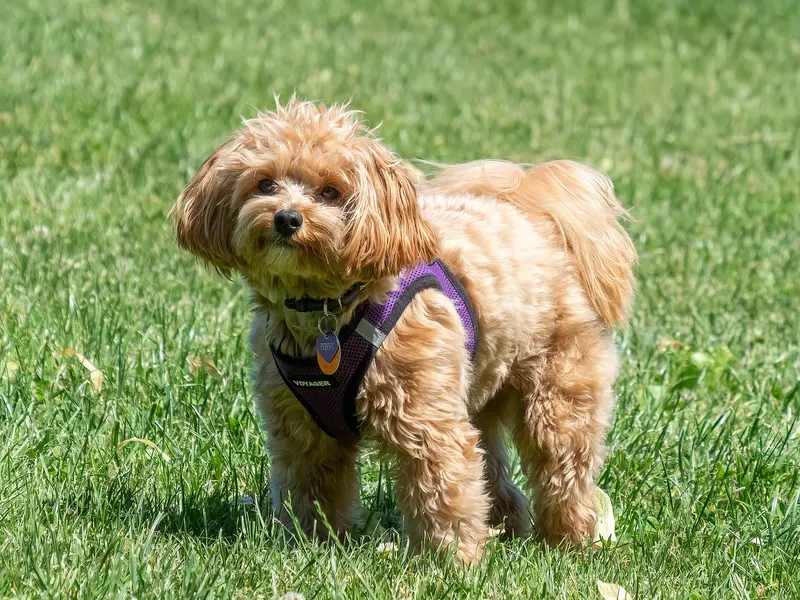
Kyi-LeoCalifornia's playful little long-coated companion
The Kyi-Leo is a small, long-coated companion dog developed in California from Lhasa Apso and Maltese crosses. Playful, alert and usually easygoing with people and pets, it suits owners who want a lap-sized dog and do not mind regular coat care.
Why people love the Kyi-Leo
- Small, lap-sized companion with a cheerful nature
- Usually friendly with other dogs and cats
- Adapts well to apartments and quieter homes
- Playful in short bursts, then happy to nap
- Reasonably easy to train with rewards
Things to consider
- Long coat needs frequent combing or regular grooming
- Alert barker at doorbells and noises
- Very rare; puppies are hard to find
- Housetraining can take patience
- Little formal health research on the breed
Is this breed right for you?
10 questions · live resultHistory and Origin
The Kyi-Leo traces back to the San Francisco Bay Area in the 1950s, when Lhasa Apso and Maltese crosses produced small dogs that a group of enthusiasts liked enough to breed on. Over the following years they bred these dogs to each other rather than repeating first crosses, aiming for a consistent type.
The name was settled in 1972. It combines kyi, the Tibetan word for dog, referring to the Lhasa Apso side, and leo, Latin for lion, a nod to the lion-like look of the long coat. The breed has a small following in the United States and is not recognized by the AKC or The Kennel Club.
Size, Coat and Colors
The Kyi-Leo is a small, sturdy companion dog, slightly longer than tall, with a compact body and a lion-like look created by its long coat. Adults stand about 8 to 12 inches at the shoulder and weigh about 9 to 13 lb. Males are often slightly larger, but size overlaps a lot between the sexes.
The coat is long, silky and dense, either straight or slightly wavy. It can grow long enough to reach the ground if left untrimmed, and it covers the face and ears. Many pet owners keep a shorter clip for easier maintenance.
Colors reflect the breed's Lhasa Apso and Maltese ancestry. The most common patterns are:
- Black and white parti-color
- Gold and white parti-color
- Solid black or solid gold, less often
Some dogs change color as they mature, with gold sometimes lightening over time.
The head is rounded, with dark eyes, a short to medium muzzle and drop ears covered in long hair. The tail is plumed and carried over the back.
Temperament and Personality
Kyi-Leos are generally cheerful, playful and very attached to their families. They like to be in the middle of household life and enjoy short bursts of play followed by naps on the sofa.
From the Lhasa side they inherit alertness and a habit of announcing visitors, so expect some barking at doorbells and unusual sounds. They are usually friendly with other dogs and can live with cats. Some are reserved with strangers at first and warm up after a few minutes.
Is the Kyi-Leo Good for First-Time Owners?
Yes, often. Kyi-Leos are cheerful, adaptable and reasonably easy to train, which makes them a good choice for beginners who want a small companion.
New owners should plan for:
- Regular coat care, either at home several times a week or with a groomer
- Patience with housetraining, as with many small dogs
- Early bark training, since the breed is alert to noises
The biggest challenge is usually finding a puppy. Because the breed is rare, first-time buyers should be cautious of sellers who cannot show breeding records.
Are Kyi-Leos Good with Kids?
Usually, with considerate children. Kyi-Leos are playful and affectionate, and many enjoy gentle games and cuddles with children who know how to handle a small dog.
Because they weigh only 9 to 13 lb, they can be injured if dropped, squeezed or stepped on. Toddlers and very young children need close supervision.
Tips for families:
- Teach children to sit on the floor when holding the dog.
- Give the dog a quiet retreat space.
- Keep play calm and short.
Families with school-age children often find the Kyi-Leo a sweet, tolerant companion.
Can Kyi-Leos Be Left Alone?
For short periods, yes. Kyi-Leos are attached to their families and prefer company, but many cope with a few hours alone if they are exercised first and trained to settle.
Long workdays alone on a regular basis can lead to barking, chewing or stress. To help:
- Build alone time gradually from puppyhood.
- Leave puzzle toys or safe chews.
- Use a dog walker or pet sitter on long days.
Households where someone is home much of the day, such as retirees or remote workers, suit the breed best.
Exercise and Training
Exercise needs are moderate. Two walks a day plus indoor play are typically enough, and many enjoy short hikes once fit.
- Teach a quiet cue early so alert barking does not become a habit.
- Use food rewards and short sessions; they are reasonably biddable and learn tricks easily.
- House training can take patience, as with many small breeds. A consistent schedule helps.
- Watch jumping off furniture, which is hard on small joints.
Grooming and Shedding
The coat is long, silky and can be straight or slightly wavy. Left long, it needs combing several times a week, right down to the skin, to prevent mats behind the ears, under the legs and on the belly.
Many owners keep a shorter puppy clip, which cuts daily work but requires professional grooming every six to eight weeks. Keep hair around the eyes trimmed or tied up, wipe tear stains, and check ears for trapped hair. Shedding is moderate, and the breed is not considered hypoallergenic.
Feeding and Nutrition
At 9 to 13 lb, the Kyi-Leo needs only small portions, so a few extra treats can lead to weight gain quickly. Excess weight adds strain to small knees, a concern in both parent breeds. Measure meals and feel for the ribs under the long coat regularly, since hair can hide fat.
- Feed young puppies three or four small meals a day to prevent low blood sugar, then move to two meals as adults.
- Choose kibble or food sized for small mouths.
- Dental disease is common in small dogs; daily tooth brushing and appropriate dental chews matter.
- Wipe the face after meals so food does not stick to the long hair around the mouth.
Tear staining appears in some lighter-colored Kyi-Leos. It is mostly linked to eye and tear-duct anatomy, so ask your vet about persistent staining rather than changing food repeatedly.
Use tiny training treats and count them in the daily total. A complete and balanced diet supports the long, silky coat.
| Adult weight | Less active | Typical adult | Very active |
|---|---|---|---|
| 9 lb | 280 kcal | 320 kcal | 400 kcal |
| 13 lb | 370 kcal | 420 kcal | 530 kcal |
Estimates use the resting energy formula veterinarians work with (70 × body weight in kg0.75) and standard activity factors. Use the feeding guide on your food as a starting point and adjust to body condition. Puppies, seniors, pregnant animals and pets that need to lose weight have different needs, so ask your vet.
Health and Lifespan
Kyi-Leos commonly live around 12 to 14 years. Detailed health studies do not exist for this rare breed. Small-breed issues such as slipping kneecaps (patellar luxation) are a possible concern, as they are in both parent breeds, though this is not well documented for the Kyi-Leo itself.
Dental disease is common in small dogs, so daily tooth brushing and regular veterinary checks are worthwhile. Ask breeders about knee and eye checks in their dogs and keep your dog at a lean weight.
Kyi-Leo Price and Cost of Ownership
The Kyi-Leo is a rare US breed with a small number of breeders, and there are no widely published price ranges. Prices vary by breeder, region and lines. Because the breed is not recognized by major kennel clubs, ask for breeding records and details of the parents' health.
Small dogs of similar Lhasa and Maltese type appear in rescues, though purebred Kyi-Leos rarely do.
Breed-specific ongoing costs include:
- Professional grooming every six to eight weeks for a puppy clip
- Grooming tools for home coat care
- Dental cleanings, which small breeds often need
- Knee and eye checks
- Insurance that covers patellar luxation and dental care
Is the Kyi-Leo Right for You?
The Kyi-Leo works well for many households.
- Good match: apartment dwellers, retirees, families with considerate children, people who enjoy grooming or budget for a groomer.
- Less ideal: owners wanting a jogging partner, homes with very young children who may handle a small dog roughly, people who dislike barking.
Because the breed is rare, finding a puppy can take time. Be cautious of sellers who cannot show breeding records.
Kyi-Leo Traits at a Glance
Kyi-Leo FAQ
How big do Kyi-Leos get?
They are small dogs, usually 8 to 12 inches tall and about 9 to 13 lb.
Are Kyi-Leos hypoallergenic?
No. They have hair that sheds moderately, so they are not a reliable choice for people with dog allergies.
Do Kyi-Leos bark a lot?
They are alert and tend to bark at visitors and noises. Early training can keep it manageable.
How long do Kyi-Leos live?
A typical lifespan is about 12 to 14 years.
What breeds make up the Kyi-Leo?
It was developed from Lhasa Apso and Maltese crosses that were then bred to each other for many generations.
Are Kyi-Leos good apartment dogs?
Yes, they adapt well to apartments as long as they get daily walks, play and company.