Lucas TerrierA gentler terrier from Sealyham and Norfolk lines
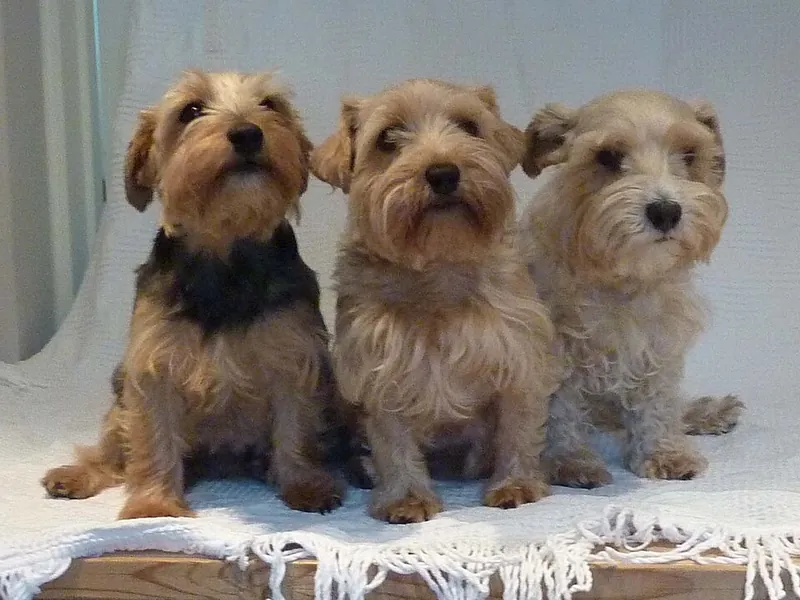
The Lucas Terrier is a small, sturdy British terrier bred from Sealyham and Norfolk Terriers to be a calmer, more sociable companion. It still has a terrier's curiosity and some hunting instinct, but in a softer package that suits many family homes.
Why people love the Lucas Terrier
- Gentler, more sociable temperament than many terriers
- Small and sturdy, suits town or country
- Wiry coat sheds lightly
- Usually friendly with visitors and other dogs
- Affectionate, people-oriented family companion
Things to consider
- Digs and may tunnel under weak fences
- Recall fails when squirrels appear
- Coat needs occasional hand-stripping
- Little published health data
- Very rare, long waits for puppies
Is this breed right for you?
10 questions · live resultHistory and Origin
The breed takes its name from Sir Jocelyn Lucas, a British politician and terrier enthusiast who began crossing Sealyham Terriers with Norfolk Terriers in the mid-20th century. He wanted a small working terrier with a kinder temperament and a more practical build than the show Sealyham of the time.
A small group of breeders has kept the line going. A related variant, sometimes called the Sporting Lucas Terrier, is bred with more emphasis on working ability. In the US the Lucas Terrier is recorded in the AKC Foundation Stock Service; The Kennel Club in the UK does not recognize it.
Size, Wiry Coat and Colors
The Lucas Terrier is a small, sturdy, short-legged terrier with a compact body and a balanced, workmanlike outline. It weighs about 11 to 18 lb. Reliable height figures vary between sources, so we do not quote a range here. Males are usually slightly larger and heavier than females.
The head is strong with a moderate muzzle, dark eyes and small, folded ears. The body is slightly longer than tall, reflecting its Sealyham and Norfolk Terrier ancestry, and the legs are short but strong enough for long walks and country rambles. The tail is carried upright.
The coat is wiry and weather-resistant, with a softer undercoat. It benefits from hand-stripping or tidying a few times a year to keep its texture. Colors commonly seen include wheaten, tan, grizzle, black and tan, and white with tan, lemon or badger markings. Because the breed is rare and not fully standardized by major registries, appearance can vary between lines.
Temperament and Personality
Lucas Terriers were selected to be even-tempered and friendly. Compared with many terriers they are less quarrelsome with other dogs and generally relaxed with visitors.
They are still terriers. Expect curiosity, a love of digging and a keen interest in rodents and squirrels. Most are affectionate, people-oriented dogs that like to follow their owners around the house and join in whatever is going on.
Because they were bred partly as companions, Lucas Terriers tend to settle well into family routines and are less likely than many terriers to start arguments with other dogs on walks. Early socialization still matters, as does supervising them around pet rodents.
Do Lucas Terriers Bark a Lot?
Lucas Terriers bark to alert, but most are not excessive barkers. The breed was developed to be calmer and more sociable than many terriers, and that extends to noise levels.
Like any terrier, a bored or under-exercised Lucas may bark at squirrels, passersby or noises. Daily walks, play and scent games help keep barking in check. Teach a quiet cue early and reward calm behavior at windows and doors. Barking at prey animals in the yard is common, so supervise outdoor time if neighbors are close.
Is the Lucas Terrier Good for First-Time Owners?
Yes, the Lucas Terrier can be a good first dog, especially for owners who like terriers but want a softer temperament. It is friendly, adaptable and generally easy to live with.
Beginners should be ready for terrier traits: digging, chasing small animals and occasional stubbornness when bored. Positive training with food and games works well, and short sessions keep the dog engaged. Plan for weekly brushing and occasional hand-stripping or professional grooming. The biggest challenge for most first-time owners is finding a puppy, since the breed is very rare.
Are Lucas Terriers Good With Cats?
Lucas Terriers can live with cats, especially when raised with them, but their terrier instincts mean careful introductions are important. The breed has a keen interest in rodents and squirrels, and a running cat may trigger a chase.
Introduce a puppy to a calm cat early and supervise closely. Give the cat high perches and dog-free areas, and teach the dog a reliable leave-it. Many Lucas Terriers learn to accept the household cat but may still chase unfamiliar cats outdoors. Pet rodents and rabbits should be kept separate.
Exercise and Training
A brisk walk or two a day, plus play and sniffing time, keeps a Lucas Terrier content. They enjoy country rambles and are sturdy enough for longer hikes once mature.
- Recall can fail when a squirrel appears, so practice in safe areas and use a long line at first.
- Positive training with food and games works well; they can be a little stubborn if bored.
- Earthdog-style games, scent work and puzzle toys use their natural instincts.
- Secure fences matter: a determined digger can tunnel under weak spots.
Grooming and Shedding
The coat is wiry and weather-resistant with a softer undercoat. Weekly brushing removes debris and dead hair. A few times a year the coat benefits from hand-stripping or tidying by a groomer to keep its texture.
Check nails, teeth and ears regularly. Light-colored dogs may show dirt quickly after muddy walks, but the coarse coat tends to shed dirt once dry.
Feeding and Nutrition
The Lucas Terrier is a small, sturdy dog that can gain weight easily, especially if exercise drops. The wiry coat can hide body shape, so check for ribs and a waist by hand.
- Feed puppies three or four meals a day, then two meals for adults.
- Measure portions and adjust to activity: country dogs that walk for hours need more energy than town dogs with shorter outings.
- Lean condition supports the back and knees, which matter in short-legged breeds.
- Use small treats in training and count them as part of the daily ration.
Regular tooth brushing helps prevent dental disease, which is common in small dogs. Many terriers are opportunistic eaters, so keep food and trash out of reach. Fresh water should always be available, especially after long walks.
Weigh your dog every month or two, since small weight gains are easy to miss.
| Adult weight | Less active | Typical adult | Very active |
|---|---|---|---|
| 11 lb | 330 kcal | 370 kcal | 470 kcal |
| 14 lb | 390 kcal | 450 kcal | 560 kcal |
| 18 lb | 470 kcal | 540 kcal | 680 kcal |
Estimates use the resting energy formula veterinarians work with (70 × body weight in kg0.75) and standard activity factors. Use the feeding guide on your food as a starting point and adjust to body condition. Puppies, seniors, pregnant animals and pets that need to lose weight have different needs, so ask your vet.
Health and Lifespan
There is little published health data for the Lucas Terrier, and no reliable lifespan figure. Its moderate build and the generally robust parent breeds are encouraging, but small populations carry a risk of inherited problems going unnoticed.
Ask breeders what screening they do, for example eye examinations and knee checks, and how they manage genetic diversity. Keep your dog lean and active, and schedule annual veterinary checkups.
Lucas Terrier Price and Cost of Ownership
The Lucas Terrier is very rare in the US, with only a handful of breeders, so there is no widely published US price range. Some puppies are imported from the UK, adding travel costs and waiting time. Prices vary by breeder, region and lines. Ask breeders about health screening and how they manage genetic diversity.
Rescue Lucas Terriers are extremely rare, but terrier rescues may place similar small terriers.
Breed-specific ongoing costs include:
- Hand-stripping or professional grooming a few times a year.
- Secure fencing to prevent digging escapes.
- Insurance or savings for general vet care, since breed data is limited.
- Dental care, including cleanings.
Is the Lucas Terrier Right for You?
The Lucas Terrier appeals to people who like terriers but want a less fiery temperament.
- Good match: families, first-time terrier owners, people in town or country with time for daily walks.
- Less ideal: homes with pet rodents, owners who need perfect off-leash recall, anyone wanting a dog that is easy to find quickly.
Expect a waiting list. The breed is uncommon on both sides of the Atlantic.
Lucas Terrier Traits at a Glance
Lucas Terrier FAQ
How big is a Lucas Terrier?
It is a small terrier, usually weighing about 11 to 18 lb, with a compact, sturdy body.
Are Lucas Terriers good family dogs?
Yes, they were bred for a friendly, steady temperament and usually do well with considerate children.
Do Lucas Terriers shed?
They shed lightly. The wiry coat needs weekly brushing and occasional hand-stripping or trimming.
What is the difference between a Lucas Terrier and a Sporting Lucas Terrier?
Both come from the same Sealyham and Norfolk background. The sporting variant is bred more for working ability and may include other terrier lines.
Is the Lucas Terrier AKC-recognized?
It is in the AKC Foundation Stock Service, not yet a fully recognized breed.
Do Lucas Terriers dig?
Many do. Digging is a natural terrier habit, so give them an approved digging spot and check fences for weak points.