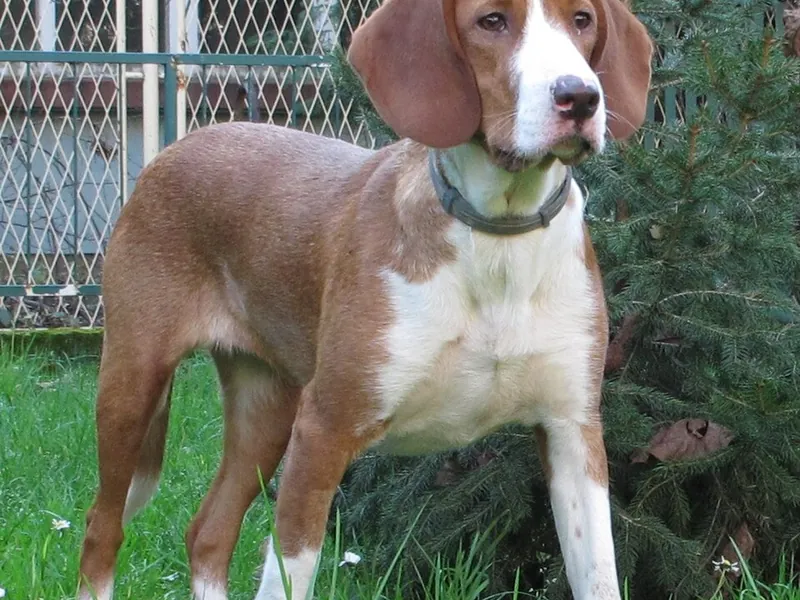
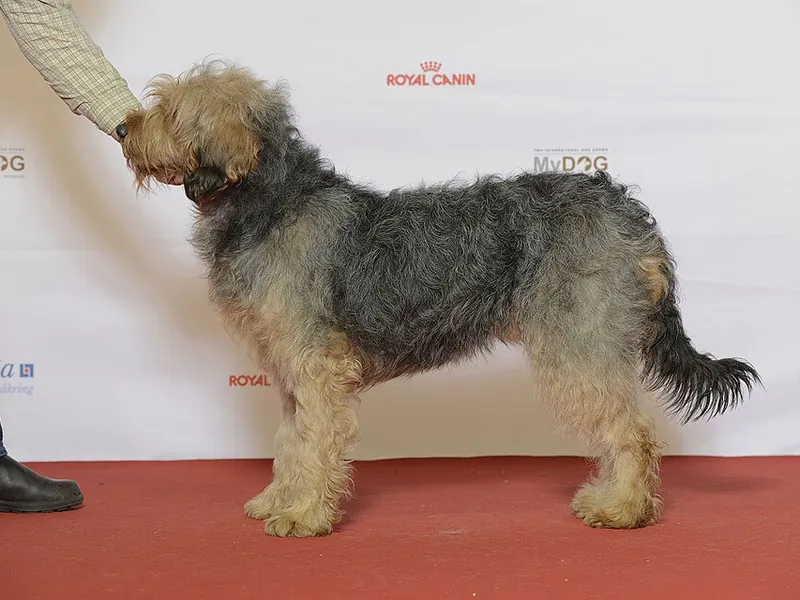
Montenegrin Mountain HoundBlack-and-tan hound of the Balkan mountains
The Montenegrin Mountain Hound is a rare, medium-sized black-and-tan scenthound from the rugged mountains of Montenegro. Balanced, devoted and steady on the trail, it is a working hound first and best suited to hunters and very active rural owners.
Why people love the Montenegrin Mountain Hound
- Balanced, affectionate and obedient by standard
- Persistent, skilled scenthound on rough terrain
- Short, glossy coat is easy to care for
- Not sharp or suspicious with people
- Medium size is easy to transport
Things to consider
- Needs ample daily exercise and scent work
- Strong prey drive around small animals
- Recall unreliable when on a trail
- Vocal on the trail
- Almost unknown outside the Balkans
Is this breed right for you?
10 questions · live resultHistory and Origin
Hunters in the mountainous regions of Montenegro have long used black-and-tan scenthounds to pursue hare, fox and other game across steep, rocky ground. The breed was formerly known as the Yugoslavian Mountain Hound and is recognized by the FCI under its current name.
Its breeding has stayed closely tied to hunting. The FCI standard requires a working trial, which reflects how much emphasis is placed on proven field ability. Outside the region it is very rarely seen.
Size, Build and Color
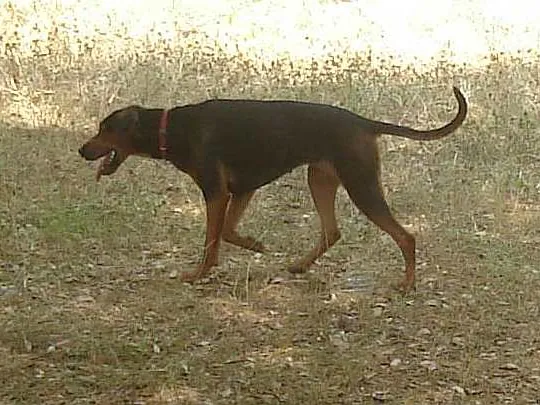
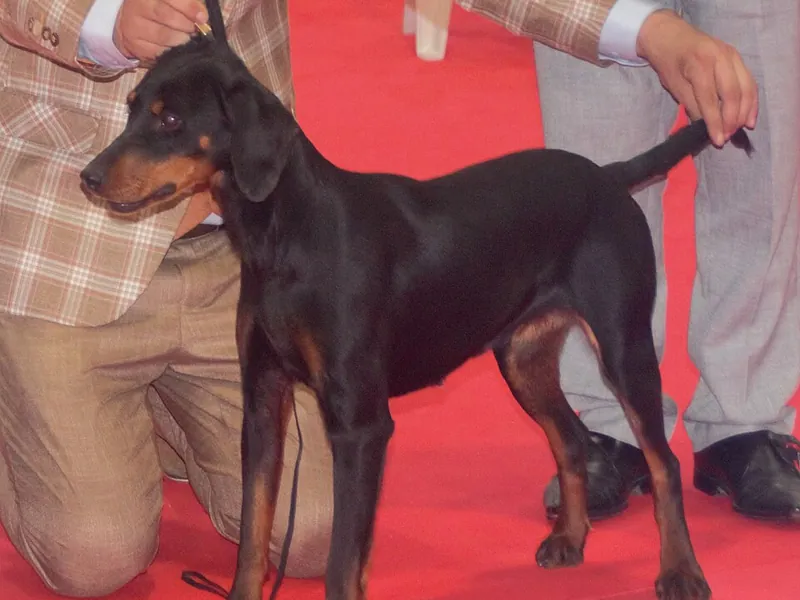
The Montenegrin Mountain Hound is a medium-sized scenthound standing about 17 to 21 inches at the shoulder. It has a strong, slightly elongated body with good bone, built to work on steep, rocky mountain slopes. Males are generally a little taller and more substantial than females.
The head is long with a moderately broad skull and drop ears that hang close to the cheeks. The eyes are dark and the expression calm. The tail is thick at the base and carried in a slight curve.
The coat is short, dense and glossy, with a thin undercoat. The breed has a single color pattern:
- Black with tan markings, typically above the eyes, on the muzzle, chest and legs
A small white marking on the chest may appear. The tan should be rich and clearly defined. The overall impression is of a balanced, enduring hound rather than a heavy or exaggerated one, reflecting the breed's working purpose.
Temperament and Personality
The breed standard describes a balanced, affectionate and obedient dog. At home it tends to be calm and devoted to its family, without nervousness or sharpness.
In the field it is persistent and focused on scent, giving voice as it works so the hunter can follow. Prey drive is strong. Practical experience with the breed as a household pet is limited, so expectations should be based on its purpose as a hunting hound.
Hunters value a hound that stays focused but remains manageable between drives, and the Montenegrin Mountain Hound is bred for that balance. It is generally not a sharp or suspicious dog, which makes it easier to live with than some guarding breeds, but it will announce unusual activity around the home.
Is the Montenegrin Mountain Hound Easy to Train?
The Montenegrin Mountain Hound is described as cooperative and obedient, which makes training relatively straightforward for a scenthound.
It responds well to praise and food rewards. The main challenge is its hunting drive: once on a scent, it may ignore commands, so recall training needs dedicated work and a long line. Tracking, mantrailing and scent work channel its natural abilities. Consistency and patience are key, as with any hound. Experience with the breed as a pet is limited, so expectations should be based on its purpose as a working hunter.
Can a Montenegrin Mountain Hound Live in an Apartment?
An apartment is generally not a good fit for the Montenegrin Mountain Hound.
The breed was developed to cover mountain terrain all day and needs ample daily exercise, ideally in natural surroundings. Its voice, used when trailing, can carry and disturb neighbors. A rural home with a secure yard and access to forests or hills suits it best. If apartment living is unavoidable, owners must commit to long daily hikes, scent work and access to safe areas for running.
Because very few dogs of this breed live outside hunting homes, there is little real-world experience of it in cities.
Can a Montenegrin Mountain Hound Be Left Alone?
Adult Montenegrin Mountain Hounds can usually handle a few hours alone if exercised well, but long absences are not ideal.
Like many hounds, they may howl or bark when bored. A long walk or scent session before leaving helps them settle. Chews and food puzzles can occupy them. Working hounds kept with other dogs often cope better than single dogs. Build up alone time gradually, especially for young dogs, and avoid leaving them unsupervised in yards where they could dig or escape after a scent.
Exercise and Training
A dog bred to cover mountain terrain needs ample daily exercise. Long hikes, trail running on a lead and scent work are good options.
- Free running only in safe, enclosed areas, since game will override recall.
- Tracking and mantrailing give non-hunting homes a meaningful job.
- Training responds well to praise and food; the breed is described as cooperative.
- Socialize with small pets early and continue to supervise.
Mountain hounds develop strong muscles and sound feet on varied ground. If you live in flat country, mix up surfaces: forest trails, hills, sand and grass all help keep the dog fit and mentally engaged. Avoid repetitive hard running on pavement, especially in young dogs.
Grooming and Shedding
The short, dense, glossy coat is easy to care for. Weekly brushing removes dead hair and keeps the coat shiny.
After outings in rough terrain, check paws for cuts and worn pads, and look over the coat for ticks. Clean the ears if they look or smell dirty.
Feeding and Nutrition
Montenegrin Mountain Hounds are working dogs whose energy needs depend on activity. A hound hunting several times a week in steep terrain needs more food than one walking daily. Adjust portions seasonally and check body condition regularly, aiming for a lean, muscular build.
Puppies should eat a complete puppy food suited to medium-sized breeds, with steady growth. Avoid long or strenuous runs until growth is complete.
- Feed two meals a day for adults, three or four for young puppies.
- Avoid heavy exercise right before and after meals.
- Carry water and small snacks on long hunting days.
- Use food rewards for recall and tracking training, and count them in the daily ration.
Like many hounds, they can be food-motivated, so store food securely and avoid table scraps.
After long days in rough terrain, check that the dog is eating normally and drinking well, as tired hounds sometimes skip meals.
Health and Lifespan
No breed-specific health data were found in reliable sources, and lifespan figures are not available. The breed has a moderate, athletic build without exaggerated features.
Ask breeders about hip screening and the health history of their lines, and keep the dog fit and lean. Working hounds benefit from regular checks of joints, pads and ears.
Montenegrin Mountain Hound Price and Cost of Ownership
The Montenegrin Mountain Hound is very rare outside the Balkans and essentially unavailable from US breeders. Most dogs are kept by hunters in Montenegro and neighboring countries. Anyone seeking one would likely need to import, adding travel, vaccinations and paperwork costs.
Rescue placements in the US are extremely unlikely.
Breed-specific ongoing costs include:
- Import fees if buying from the Balkans.
- Secure fencing for a scent-driven hound.
- GPS collars for hunting or roaming dogs.
- Tick prevention and paw care for dogs in rough terrain.
Food costs are moderate, rising with activity.
Because breed-specific health data is limited, a pet insurance policy covering accidents and injuries is a sensible safeguard.
Is the Montenegrin Mountain Hound Right for You?
This hound is a specialist.
- Good match: hunters, scent-sport enthusiasts, rural households with time for daily long outings.
- Poor match: city apartments, sedentary homes, families wanting an easy off-lead companion.
Finding a puppy outside the Balkans is difficult, and buyers should contact breed clubs in the region.
Montenegrin Mountain Hound Traits at a Glance
Montenegrin Mountain Hound FAQ
How big is the Montenegrin Mountain Hound?
It is medium-sized, standing about 17 to 21 inches at the shoulder.
What color is the Montenegrin Mountain Hound?
It is black with tan markings, typically on the head, legs and chest.
Is the Montenegrin Mountain Hound a good family dog?
It is described as calm and affectionate, but it needs a family that can provide hunting or scent work and lots of exercise.
Does the Montenegrin Mountain Hound have strong prey drive?
Yes. It is a hunting hound, so small animals and wildlife will attract its attention.
Was the breed known by another name?
Yes, it was previously called the Yugoslavian Mountain Hound.
Is the Montenegrin Mountain Hound easy to find outside Montenegro?
No. It is very rare internationally, and most dogs are kept by hunters in the Balkans.