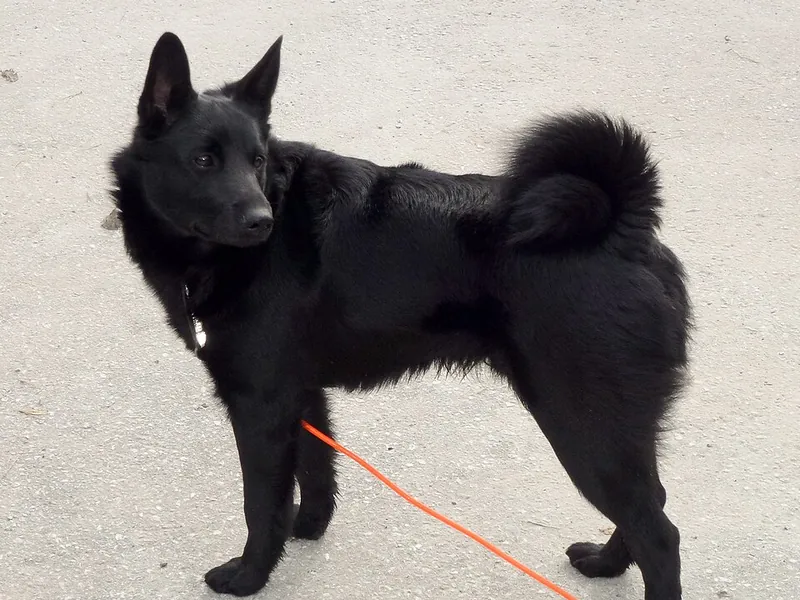
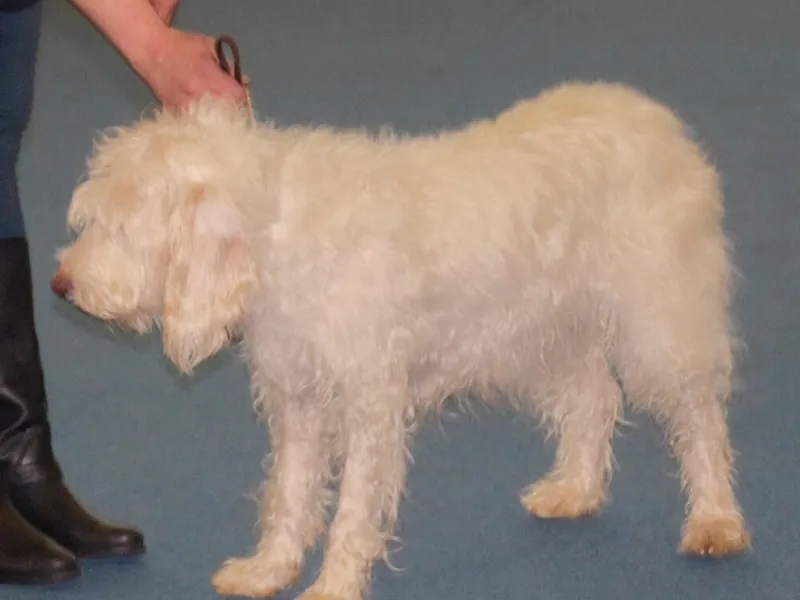
Plummer TerrierA modern British ratting terrier
The Plummer Terrier is a small, tough working terrier created in England in the second half of the 20th century for one main job: ratting. Bright red and white, game and tireless, it suits owners who want a sporty, hands-on terrier rather than a lap dog.

Why people love the Plummer Terrier
- Tough, game working terrier bred for ratting
- Affectionate and good-humored with its people
- Very low-maintenance short coat
- Energetic partner for hiking, flyball and agility
- Compact size suits smaller homes if well exercised
Things to consider
- Extremely strong prey drive toward rodents and cats
- Can be scrappy with other dogs without socialization
- Needs at least an hour of active exercise daily
- Digs and escapes through gaps in fencing
- Rare breed with limited health data
Is this breed right for you?
10 questions · live resultHistory and Origin
The breed is named after David Brian Plummer, a British schoolteacher, author and terrierman who began developing it in the late 1960s and 1970s. He crossed working Jack Russell type terriers with other breeds, reported to include beagle, bull terrier and fell terrier, aiming for a hard, courageous ratter with a consistent look.
Plummer wrote widely about working dogs, and the breed grew through its ratting reputation in rural Britain. It is promoted by its own breed clubs but is not recognized by The Kennel Club, the AKC or the FCI.
Size, Coat and Red Color
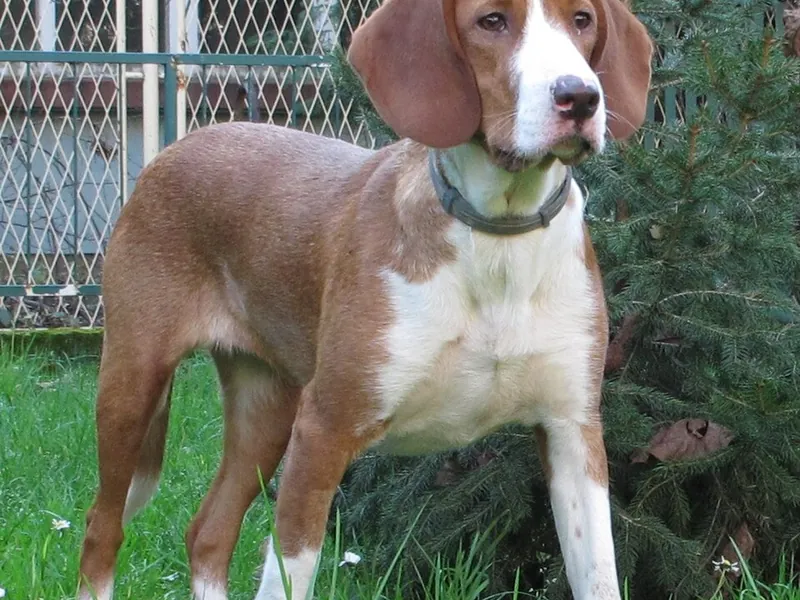
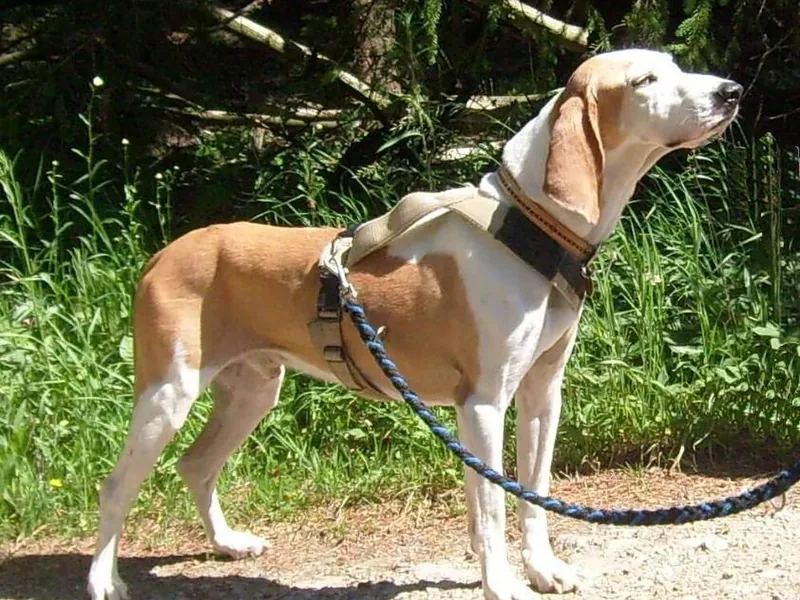
The Plummer Terrier is a small, compact, muscular working terrier, built to be agile, tough and able to work in rough country. It has a strong head with powerful jaws and folded ears, a deep chest and a straight back. Breed sources describe dogs standing up to about 14 inches at the shoulder. Published weight ranges are not consistent, so judge condition by fitness rather than by a target weight. Males tend to be slightly more substantial and broader in the head than females.
The coat is short, dense and smooth, lying close to the body. It dries quickly after wet work and sheds dirt easily.
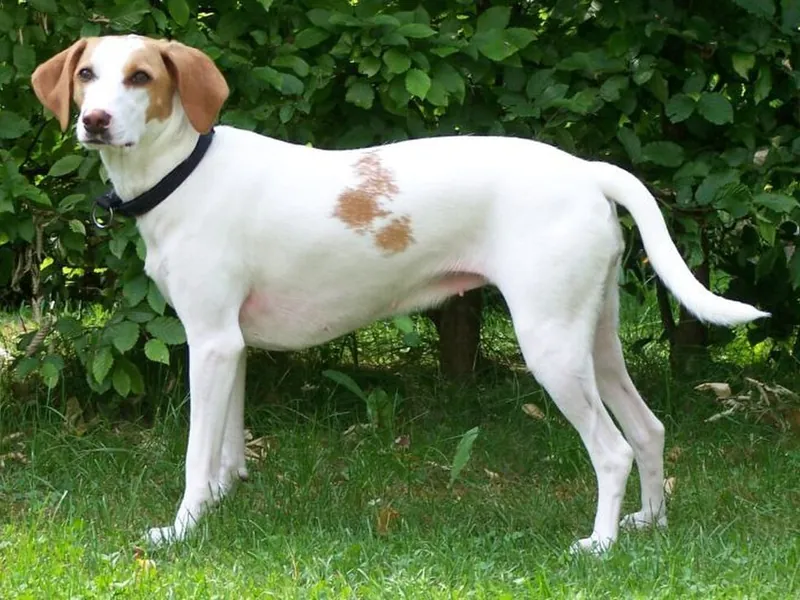
Colors: the breed's signature color is a fiery red or tan, ideally bright and deep, combined with white markings. Typical markings include:
- a white blaze on the face
- white on the chest and throat
- white on the feet and legs
Because the breed is promoted by its own clubs and not by The Kennel Club, the AKC or the FCI, there is some variation in type and markings between breeders.
Temperament and Personality
Plummers are energetic, determined and confident, with the grit typical of working terriers. Owners describe them as affectionate and good-humored with their people, and many enjoy being part of family activity.
Their prey drive is extremely strong. Rodents, rabbits and often cats will trigger an instant chase, and like many terriers they can be scrappy with other dogs if not well socialized. Reliable data on everyday traits such as barking or behavior with children is thin, so meet adult dogs and talk to experienced owners before deciding.
Are Plummer Terriers Good for First-Time Owners?
The Plummer Terrier is generally better suited to owners with terrier experience. Its energy, determination and extremely strong prey drive make it more demanding than most companion breeds.
A motivated first-time owner can succeed with consistent training, secure fencing and plenty of exercise. Expect to commit to at least an hour of active exercise daily, plus outlets for the terrier's need to search and dig, such as scent games, earthdog-style activities or flyball. Early socialization with other dogs is essential. Homes with cats or pet rodents need to be extremely careful. Meeting adult Plummers and talking to experienced owners beforehand is the best preparation.
Are Plummer Terriers Easy to Train?
Plummer Terriers are intelligent and willing with their owners, but their focus on prey and their independence make training a mix of easy and hard.
Basic manners and household routines usually come quickly with positive, consistent training. Recall is the main challenge: when a Plummer catches the scent or sight of a rodent, it may ignore its owner entirely. Start recall work early, use high-value rewards and a long line in open areas, and keep the dog on lead near wildlife and livestock. Dog sports such as flyball and agility channel the breed's energy into cooperative work.
Are Plummer Terriers Good With Other Dogs?
Plummer Terriers can get along well with other dogs, especially when socialized early, but like many working terriers they can be scrappy if challenged.
Many Plummers live and work alongside other terriers and lurchers in rural settings. Problems are more likely between dogs of the same sex or when resources such as food and toys are involved. Introduce new dogs gradually, supervise play and step in if excitement turns into conflict. Plenty of positive experiences with calm, well-mannered dogs during puppyhood help raise a balanced adult. Feeding dogs separately reduces tension in multi-dog homes.
Exercise and Training
A Plummer needs more than a stroll. Aim for at least an hour of active exercise a day, with chances to sniff, dig and search. Earthdog-style activities, ratting where legal and appropriate, flyball and agility all suit the breed.
Use consistent, positive training and start recall work early. Keep the dog on lead near livestock and wildlife, and make sure gardens are secure, as terriers dig and squeeze through gaps.
Grooming and Shedding
The short, dense coat is very low maintenance. A quick brush once a week and an occasional wipe-down after muddy work are usually enough. It does shed, so it is not a choice for allergy sufferers.
Check for small injuries after ratting or rough play, and keep nails trimmed and teeth brushed.
The coat is typically a fiery red or tan with white markings, often with a white blaze. Its short, dense texture dries quickly after wet work.
Feeding and Nutrition
The Plummer Terrier is a small, athletic working dog, and it should stay lean and muscular. Because published weight ranges for the breed are inconsistent, use body condition as your guide: a fit Plummer has a visible waist and ribs you can feel easily under the short coat.
Working versus companion dogs: a Plummer that works regularly, ratting or competing in flyball, burns more energy than a family pet with daily walks. Adjust portions to activity, increasing them during busy periods and reducing them afterward.
Puppies: feed a complete puppy diet suited to small, active breeds, in three or four meals a day at first, moving to two meals as an adult.
Health after work: working terriers can pick up parasites from rodents. Keep parasite control up to date and do not let your dog eat rodents it catches, since they can carry disease or poison bait.
Treats: food is a useful training tool for recall. Use high-value but small rewards, and count them in the daily ration. Brushing teeth regularly supports dental health in a small dog.
Health and Lifespan
There is little published health data for the Plummer Terrier. The breed standard focuses on working soundness, and bite faults are the main structural issue it mentions. Buying from breeders who select for working health and can show veterinary checks of the parents is the best safeguard.
As a small, athletic terrier it can be expected to live into its teens, but no reliable breed-specific lifespan figures are available. Working dogs need prompt care for bites and scratches, and regular parasite control.
Plummer Terrier Price and Cost of Ownership
The Plummer Terrier is rare and largely confined to Britain, where it is promoted by its own breed clubs. There is essentially no established breeder market in the United States, so prices there cannot be given reliably. Prices vary by breeder, region and lines, and anyone in the US would likely need to import a puppy from the UK, adding transport and paperwork costs.
Adoption is unusual, but terrier rescues in the UK sometimes have Plummers or similar working terrier types.
Ongoing costs are modest for a small, short-coated breed. The main drivers are secure fencing for a digger, parasite control and veterinary care for bites and scratches if the dog works, and dog sport equipment or classes. Because health data is limited, pet insurance can help protect against unexpected costs.
Is the Plummer Terrier Right for You?
The Plummer fits active owners who appreciate a true working terrier: people who hike, do dog sports or have a genuine rodent job for it. It can live in smaller homes if exercised well, but it is not suited to households with pet rodents or cats it has not been raised with.
Because the breed is rare, expect to search for a breeder and to learn from its working community.
Plummer Terrier Traits at a Glance
Plummer Terrier FAQ
How big is a Plummer Terrier?
It is a small terrier, standing up to about 14 inches at the shoulder, with a compact, muscular build.
Are Plummer Terriers good family dogs?
They can be affectionate and playful with their family, but their energy and prey drive suit active households without small pets.
Do Plummer Terriers shed?
Yes, the short coat sheds moderately, but grooming is minimal.
Is the Plummer Terrier recognized by The Kennel Club?
No. It is supported by its own breed clubs but not recognized by The Kennel Club, the AKC or the FCI.
Can Plummer Terriers live with cats?
Only with care. Some raised with cats coexist, but their prey drive is very strong and outside cats are likely to be chased.
How much exercise does a Plummer Terrier need?
At least an hour of active exercise daily, with opportunities to sniff, dig and play. Working or sporting outlets are ideal.