Istrian Shorthaired HoundCroatia's white-and-orange hare hound
The Istrian Shorthaired Hound is a lean, white scenthound with orange markings, bred on the Istrian peninsula to trail hare and fox for hours on end. It is good-natured and gentle at home, but its nose and voice were shaped for the hunt, so it suits active rural owners far better than city households.
Why people love the Istrian Shorthaired Hound
- Gentle, undemanding companion at home
- Tireless scenthound with excellent endurance
- Very low-maintenance short coat
- Moderate build without exaggerated features
- Calm and affectionate after a day's work
Things to consider
- Very strong hunting drive and unreliable recall
- Loud voice when trailing or bored
- Needs long daily outings and scent work
- Copes poorly with long hours alone
- Extremely rare outside Croatia
Is this breed right for you?
10 questions · live resultHistory and Origin
The Istrian Shorthaired Hound comes from Istria, the triangular peninsula at the northern end of the Adriatic that today belongs mostly to Croatia. It is generally considered one of the oldest hound breeds of the Balkans, developed by local hunters who needed a tireless dog that could follow a scent trail across rocky, scrub-covered karst.
Its traditional quarry is hare and fox, and it has also been used on wild boar. The breed is recognized by the FCI as a Croatian scenthound in Group 6, and the standard describes a dog of about 19 to 21 inches (roughly 48 to 53 cm) at the shoulder. It remains a working dog in its homeland and is rarely seen outside Croatia and neighboring countries.
Size, Coat and Colors
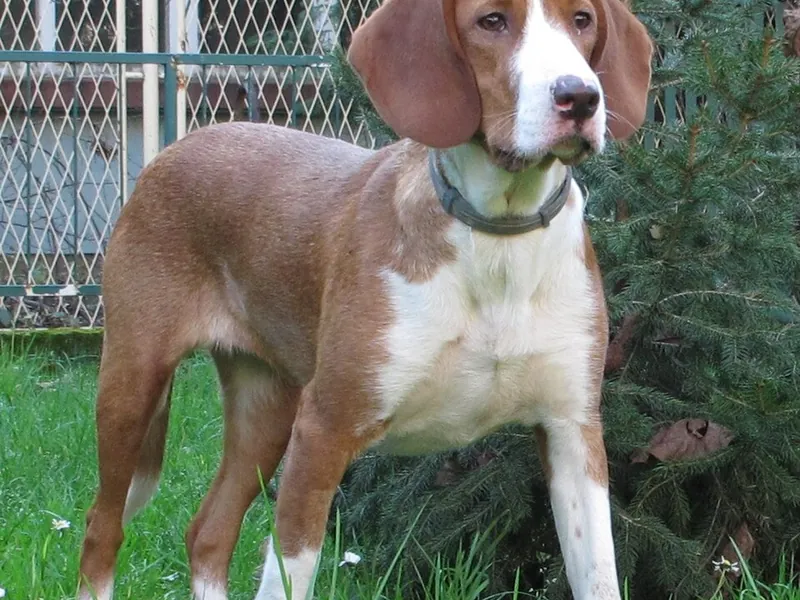
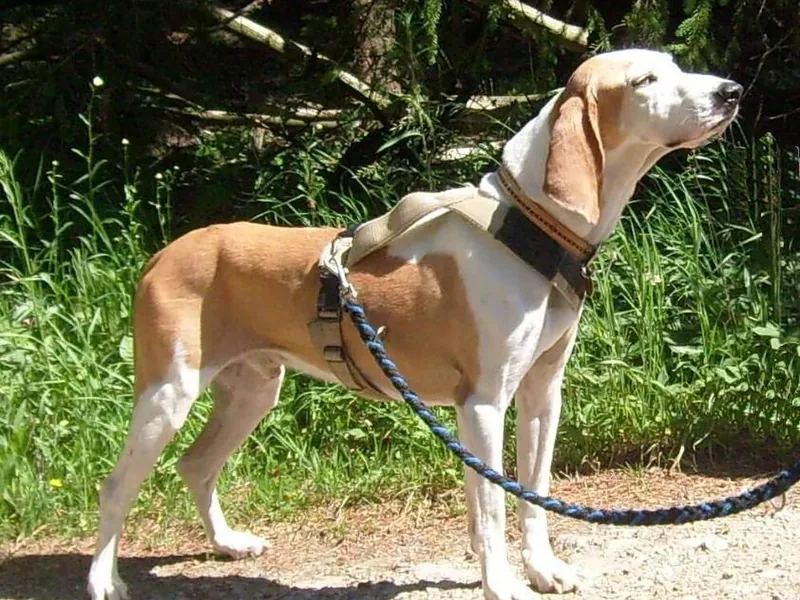
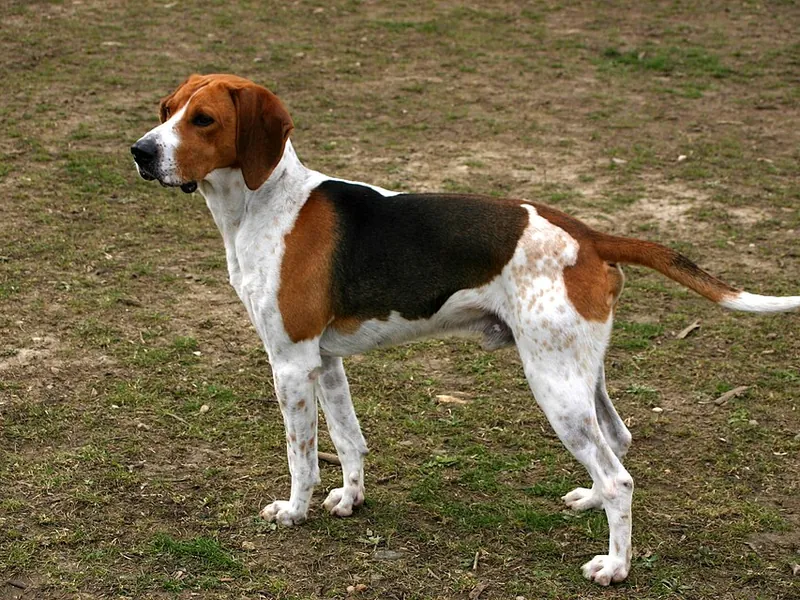
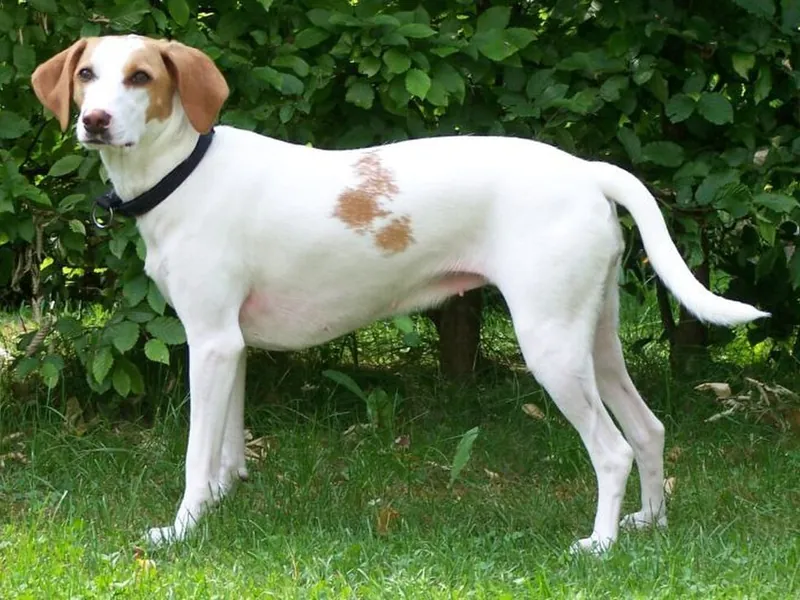
The Istrian Shorthaired Hound is a lean, elegant scenthound of medium size, standing about 19 to 21 inches at the shoulder. Males are typically at the upper end of the range and slightly more substantial, while females are a little smaller and lighter.
The body is athletic, with a deep chest, a straight back and a long tail that tapers to a point and is carried in a slight curve. The head is long and narrow, with a moderately defined stop and thin, flat ears that hang close to the cheeks.
The coat is short, fine and glossy, lying close to the body. The color is snow white with orange (lemon-orange) markings, usually on the ears and head. Small orange spots or ticking on the body may occur, and a white blaze on the face is common.
Its close relative, the Istrian Coarse-haired Hound, has a harsh, wiry coat and is a separate breed. No reliable weight standard is given, and individual dogs vary, but the breed is always lean and athletic rather than heavy.
Temperament and Personality
The breed standard describes the Istrian Shorthaired Hound as lively, good-natured and obedient, with a calm and affectionate side once the day's work is done. With its own people it is friendly and undemanding. With strangers it tends to be reserved rather than outgoing, though it is not a guardian breed.
The defining trait is a very strong hunting drive. Once this hound picks up a trail, it follows with its nose down and its voice going, and it will not easily break off to come back. Expect a dog that is gentle in the house and single-minded outdoors.
Is the Istrian Shorthaired Hound Good for First-Time Owners?
Usually not. While the breed is gentle and good-natured at home, its strong hunting drive, voice and exercise needs are challenging for new owners.
An Istrian Shorthaired Hound needs long daily outings, scent work and a secure fence, and recall in open country is rarely reliable. Training requires patience and food rewards, and harsh corrections backfire. Because the breed is very rare outside Croatia, there is also little local support. First-time owners drawn to scenthounds may find a more common hound with breed clubs and trainers nearby easier to start with.
Do Istrian Shorthaired Hounds Bark a Lot?
They are vocal, especially when trailing. Like most scenthounds, the Istrian gives voice while following a scent so hunters can track its position, and that bay carries a long way.
At home, a well-exercised dog is usually calm and quiet. Problems tend to appear when it is bored, under-exercised or left alone for long periods, when howling and baying can become a habit. Daily long outings, scent games and company reduce noise. Rural homes without close neighbors are the best fit for this breed's natural voice.
Are Istrian Shorthaired Hounds Good With Cats?
Sometimes, if raised with them. The Istrian was bred to hunt hare and fox, so anything small and fast may trigger its chase instinct.
A puppy raised with a confident indoor cat may accept it as part of the family. Introductions should be slow, supervised and include high escape routes for the cat. Outdoor and unfamiliar cats remain at risk even with a cat-friendly dog. Small pets such as rabbits and rodents should be kept securely separated. Adult hunting dogs without cat experience are generally not suitable for cat homes.
Exercise and Training
This is a high-endurance working hound. It was bred to cover ground for hours, so a short walk around the block will leave it frustrated. Plan on long daily outings plus regular opportunities to use its nose: scent trails, tracking work or, ideally, actual hunting.
- Keep it on a leash or long line in open country; recall is unreliable when a scent is fresh.
- Use a securely fenced yard. Scenthounds are known for following a trail straight through gaps.
- Train with food rewards and short, varied sessions. Hounds respond poorly to harsh corrections.
This breed also copes badly with long hours alone. Without company and an outlet, it may howl or become destructive.
Grooming and Shedding
The short, fine, glossy coat is about as low-maintenance as it gets. A weekly rub with a rubber grooming mitt removes dead hair, and baths are only needed when the dog has rolled in something unpleasant. After hunts or runs through brush, check the coat and skin for ticks, burrs and small cuts.
The drop ears deserve routine attention: check and clean them weekly, especially after swimming, since hanging ears hold moisture.
Feeding and Nutrition
The Istrian Shorthaired Hound is a lean, endurance-built dog. Working hounds may need considerably more food during the hunting season, while pets need less, so adjust portions to activity and keep the dog lean and muscular. Ribs should be easy to feel and the waist visible.
- Feed adults two meals a day; puppies three or four.
- Avoid hard exercise for an hour before and after meals, a sensible precaution for deep-chested hounds.
- Increase portions gradually before long working seasons, rather than all at once.
Puppies should grow steadily on a balanced diet suited to medium-sized breeds. Avoid overfeeding, which stresses developing joints.
Like most scenthounds, Istrians scavenge eagerly. Secure trash and counters, and teach a solid leave-it for walks in the countryside. The drop ears may dip into bowls, so narrow, deep bowls help keep them clean and dry. After long hunts or hikes, provide fresh water and allow the dog to cool down before feeding. Food rewards work well in training and should be counted in the daily ration.
Health and Lifespan
There is very little published health data for the Istrian Shorthaired Hound, and no well-documented breed-specific inherited diseases. It is a moderate, functional dog without exaggerated features. Like most medium hounds it can be prone to ear infections, injuries from rough terrain and, if under-exercised and overfed, weight gain.
No reliable breed-specific lifespan figures exist. When looking for a puppy, ask breeders about hip evaluations and the health history of the parents, and choose working-line breeders who know their dogs well.
Istrian Shorthaired Hound Price and Cost of Ownership
The Istrian Shorthaired Hound is extremely rare in the US and UK, and there is no reliable price range. Most dogs come from breeders in Croatia and neighboring countries, and importing adds transport, paperwork and possibly a flight nanny. Prices vary by breeder, region and lines. Many breeders prefer hunting homes.
Rescue availability outside its home region is essentially nonexistent, though a scenthound mix may suit people drawn to the type.
Breed-specific ongoing costs include:
- Secure fencing and a GPS collar for a scent-driven hound.
- Ear cleaning supplies and treatment for ear infections.
- Vet care for injuries from rough terrain.
- Hunting or tracking training and equipment.
Is the Istrian Shorthaired Hound Right for You?
This hound is a strong match for hunters and for active owners in rural areas who can offer daily long-distance exercise and scent work. It is a poor match for apartments, for people away from home all day and for anyone wanting a dog that can roam off leash.
- Good fit: hunting households, experienced hound owners, homes with land and secure fencing.
- Poor fit: city living, long workdays, homes with small pets that might trigger a chase.
Istrian Shorthaired Hound Traits at a Glance
Istrian Shorthaired Hound FAQ
Are Istrian Shorthaired Hounds good family dogs?
They are typically good-natured and affectionate with their own people, but they need a lot of exercise and scent work. They do best with active families in the countryside.
How big do Istrian Shorthaired Hounds get?
They usually stand about 19 to 21 inches at the shoulder and have a lean, athletic build.
Do Istrian Shorthaired Hounds shed?
They shed lightly. Their short coat needs only a weekly brush with a rubber mitt.
Can an Istrian Shorthaired Hound be off leash?
Usually not in open areas. The breed's hunting drive is very strong, and it tends to follow a scent rather than come back when called.
Is the Istrian Shorthaired Hound available in the US or UK?
It is very rare outside Croatia and neighboring countries, and neither the AKC nor The Kennel Club recognizes it. Most dogs come from breeders in its home region.