Anglo-Français de Petite VénerieMedium Anglo-French hound for small game
The Anglo-Français de Petite Vénerie is a medium-sized French pack hound created for hunting hare and other small game. Friendly and even cuddly with people, it still has an intense hunting passion, which makes it a challenging choice as a pure family pet.
Why people love the Anglo-Français de Petite Vénerie
- Friendly and affectionate with people
- Sociable with other dogs as a pack hound
- Short, easy-care coat
- Excellent nose for tracking and scent work
- Medium size that is manageable in the field
Things to consider
- Intense hunting drive and unreliable recall
- Needs substantial daily exercise
- Bays or howls when bored or lonely
- Unsuitable for homes with small pets
- Essentially unavailable in the US
Is this breed right for you?
10 questions · live resultHistory and Origin
Petite vénerie is the French term for hunting smaller game such as hare, rabbit and fox, as opposed to grande vénerie for deer and boar. This breed was developed by crossing English hounds, such as the Harrier and Beagle, with medium-sized French scenthounds like the Poitevin and Porcelaine.
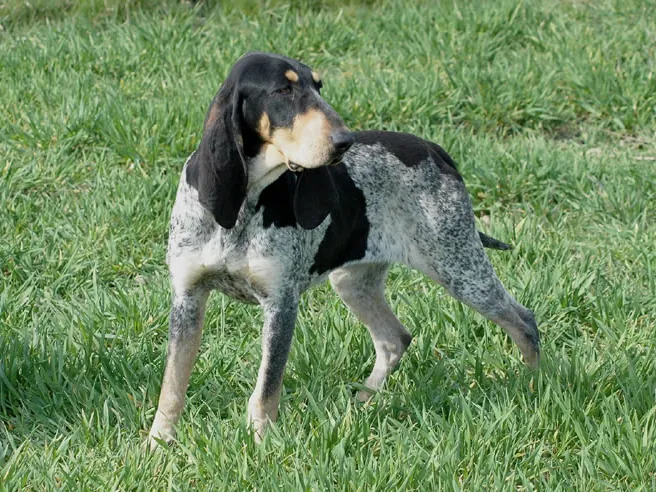
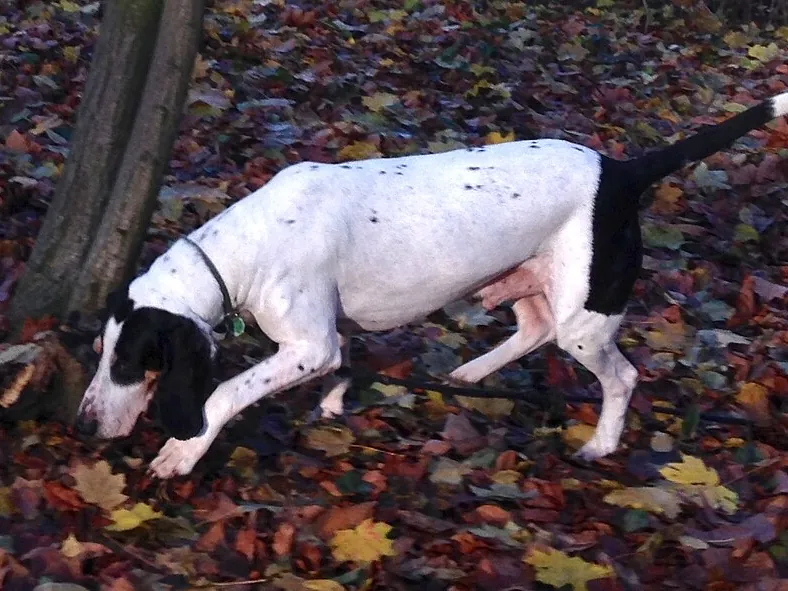
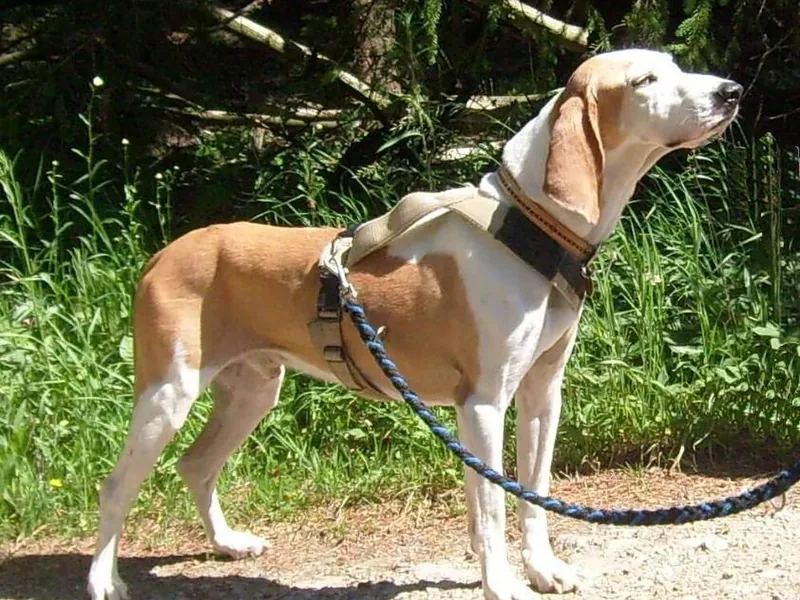
The resulting hound combined French scenting skill and voice with English drive and pack sense. It was formerly called the Petit Anglo-Français and is recognized by the FCI. Colors include tricolor, white and orange, and white and black.
Size, Colors and Coat
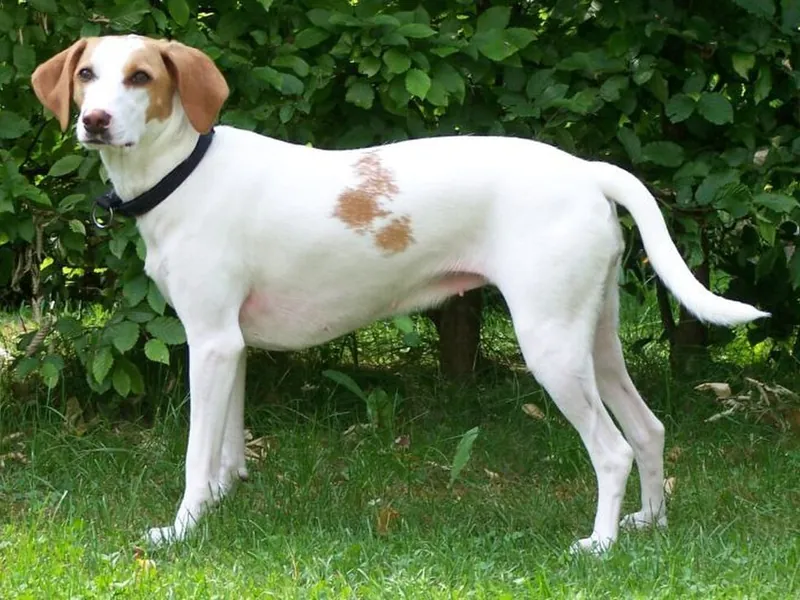
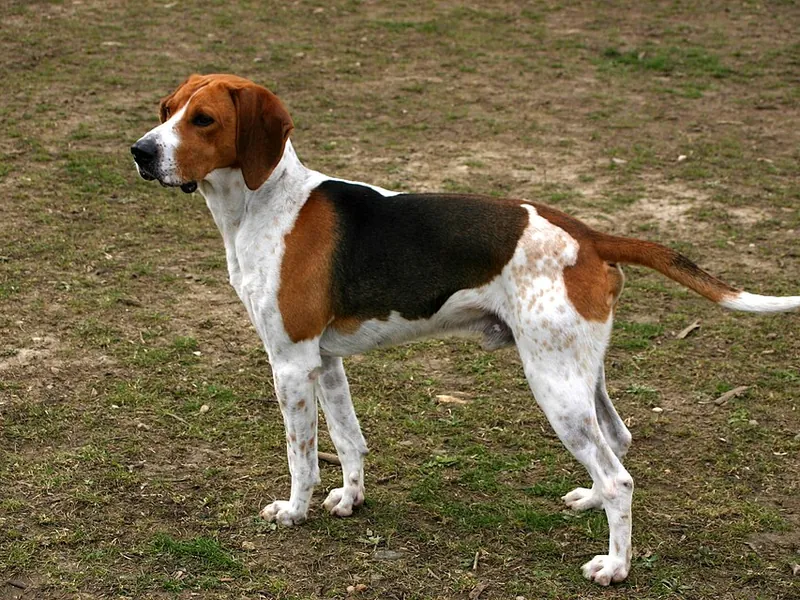
The Anglo-Français de Petite Vénerie is a medium-sized, well-balanced scenthound with a strong but not heavy build, combining the substance of English hounds with the elegance of French breeds. It stands about 19 to 22 inches at the shoulder. Weight is not fixed in our data, but the breed is built as a lean, athletic hunting hound rather than a heavy one. Males are typically slightly taller and more robust than females.
The head is moderately long, with medium-length, slightly folded ears set at eye level. The eyes are large and brown, giving a gentle expression. The tail is long and carried with a slight curve.
The coat is short, smooth and fairly fine. Recognized color combinations include:
- Tricolor: white with black patches or saddle and tan markings
- White and orange
- White and black
Speckling or ticking in the white areas is common.
Temperament and Personality
This hound is friendly, sociable and often very affectionate with people. Being a pack breed, it is generally good with other dogs.
Its passion for hunting hare is strong and constant. The German kennel club describes it as only partly suited to life as a pure family dog, mainly because it needs work and lots of activity to be content.
Its warmth toward people is one of the breed's attractive traits: many individuals greet visitors happily and enjoy physical affection. That friendliness means it is a poor guard dog. Its pack background also means it can struggle if left as the only dog in a quiet home, so a canine companion is often a good idea.
Is the Anglo-Français de Petite Vénerie Good for First-Time Owners?
Generally no, unless the first-time owner hunts or lives an active rural life. The breed is friendly and easy to handle around people, but its hunting drive is intense.
Beginners usually struggle with unreliable recall, the need for hours of activity and the baying or howling of a bored hound. Training requires patience, food rewards and consistency. A first-time owner interested in the breed should have secure fencing, plenty of time outdoors, and ideally another dog. Contacting hound clubs and experienced breeders in France is a sensible first step.
Is the Anglo-Français de Petite Vénerie Good With Cats?
Usually it is a poor match for homes with cats. The breed was developed to hunt hare and small game, and its chase instinct is strong and constant.
Some individuals raised with a cat may accept that particular cat, but supervision is always needed, and outdoor cats, rabbits and other small pets are at risk. Homes without small animals are the safest choice. If a cat is already in the household, introduce the dog very gradually, give the cat dog-free spaces and high escape routes, and never leave them alone together until you are sure.
Can the Anglo-Français de Petite Vénerie Be Left Alone?
Not for long. As a pack hound, it is used to constant company and can struggle when left alone, especially as the only dog in the home.
A bored or lonely hound may bay, howl or become destructive, which can quickly cause problems with neighbors. A second dog helps a lot, and a long outing before you leave makes alone time easier. Build up time alone gradually from a young age. Owners who work long days away from home should consider daycare, a dog walker or a different breed.
Exercise and Training
Exercise must be substantial: long walks, runs and scent work every day.
- Use a long line in open country; recall fails on fresh scent.
- Tracking and scent games are excellent for non-hunting owners.
- Training needs patience, food rewards and consistency.
- Company of another dog helps with time alone.
A practical routine combines a long morning outing with time to sniff, an afternoon run in a secure area and short search games in the evening. Hunting hounds of this size typically handle long distances well once mature, but puppies should not be pushed into long runs before their joints are fully developed.
Grooming and Shedding
The short, smooth coat sheds moderately. Weekly brushing removes loose hair and dirt.
Check ears after walks in fields or forest, and trim nails as needed. Bathing is rarely necessary.
Its ears are of medium length and fairly thin, so check the tips for small tears after runs through brush. Tick checks are important during warmer months.
Feeding and Nutrition
This hound is built to be lean and athletic, and its food needs depend on its workload. A dog hunting several days a week in the season needs more food than the same dog in the off-season. Adjust portions by body condition, aiming for a visible waist and ribs that are easy to feel.
- Feed adults two meals a day; puppies usually get three or four meals until around six months.
- On hunting days, give the main meal after work rather than before, and offer water often during long outings.
- Use food rewards generously in training, but take them from the daily ration.
Like many scenthounds, it may raid trash or counters, so secure food. Dogs coming from a pack may be used to competitive feeding; feed them separately at first and watch for food guarding. Puppies should grow steadily without being pushed into long runs. No breed-specific diet-related health issues are documented in the main sources.
Health and Lifespan
No breed-specific health problems are named in the main sources, and reliable lifespan figures are not available. The breed has a moderate, athletic build.
Choose breeders who screen hips and select for soundness. Keep the dog lean and check ears regularly.
Anglo-Français de Petite Vénerie Price and Cost of Ownership
The Anglo-Français de Petite Vénerie is not AKC-recognized and is essentially unavailable in the US. There is no US price range. Most dogs live in France with hunters and hound breeders, and the few people who own one elsewhere usually import a puppy directly. Prices vary by breeder, region and lines, and importing adds flight costs, health certificates and paperwork.
Rescue dogs are very rare outside France, though some French associations rehome retired hunting hounds.
Breed-specific ongoing cost drivers include:
- Secure fencing and a long line or GPS collar for outings
- Tick and flea prevention for a dog that spends much time in fields and forests
- Ear checks and treatment for minor injuries from brush
- A second dog or daycare to avoid loneliness
Is the Anglo-Français de Petite Vénerie Right for You?
This hound fits best with hunters or very active rural owners.
- Good match: hare hunters, hound clubs, rural families with a second dog and plenty of time outdoors.
- Poor match: apartments, households with small pets, owners away for long hours.
Its warmth toward people is real, but it is happiest when its nose is busy.
Anglo-Français de Petite Vénerie Traits at a Glance
Anglo-Français de Petite Vénerie FAQ
How big is the Anglo-Français de Petite Vénerie?
It is medium-sized, about 19 to 22 inches tall.
What does petite vénerie mean?
It is the French term for hunting smaller game such as hare, rabbit and fox.
Is it good with other dogs?
Yes. As a pack hound it is usually very sociable with other dogs.
Is the Anglo-Français de Petite Vénerie a good family dog?
It is affectionate, but its hunting drive and exercise needs make it best for active, rural families or hunters.
Does it shed?
It sheds moderately; weekly brushing keeps it under control.
Does the Anglo-Français de Petite Vénerie bark a lot?
It gives voice while hunting and may bay or howl at home when bored or lonely.