Griffon NivernaisA shaggy French hound built for boar
The Griffon Nivernais is a rugged, rough-coated scenthound from central France, bred to track wild boar through rough woodland. It is tireless, independent and driven by scent, and it is best suited to hunters or very active owners who understand hounds.
Why people love the Griffon Nivernais
- Gentle and easygoing with people at home
- Usually sociable with other dogs
- Rugged, weather-resistant coat with simple care
- Tireless hunting partner with great endurance
- Hardy working hound
Things to consider
- Very strong prey drive; recall unreliable on a scent
- Needs long daily outings and scent work
- Independent and slow to train
- Vocal when tracking or bored
- Very rare outside France
Is this breed right for you?
10 questions · live resultHistory and Origin
The breed comes from the Nivernais region of central France, an area of forests and hills where rough-coated hounds were used to hunt wolves and wild boar for centuries. These were practical dogs kept by local hunters rather than showy pack hounds, which is why the type was sometimes called a country dog.
After the French Revolution and the decline of large hunting packs, the old griffon type became scarce. Enthusiasts revived it in the early 20th century and founded a breed club in the 1920s. Today the Griffon Nivernais is recognized by the FCI in Group 6 and is still used mainly as a boar hound in France, where it hunts alone or in small packs.
Size, Coat and Colors
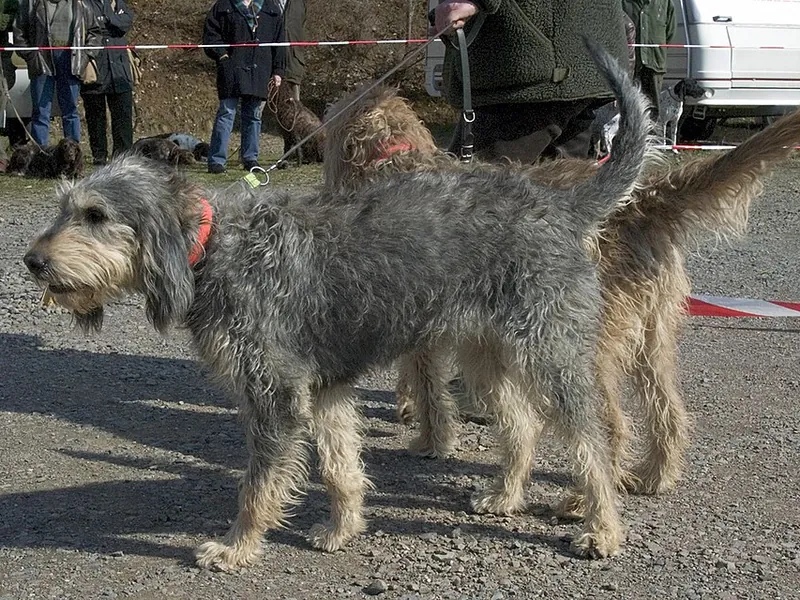
The Griffon Nivernais is a lean, rangy scenthound built for endurance in rough terrain. Adults stand about 21 to 24 inches at the shoulder. Reliable weight figures vary between sources, but the breed is lightly built for its height. Males are generally taller and slightly heavier than females.
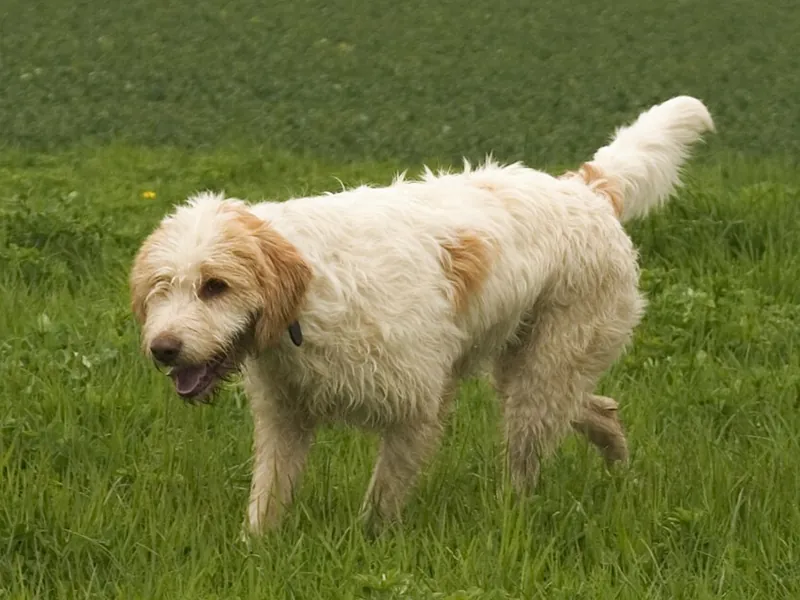
The body is long and athletic, with a deep but not overly broad chest, a straight back and long, thin legs. The head is relatively small and lean, with drooping ears and lively eyes. The tail is carried in a sabre shape.
The coat is harsh, shaggy and somewhat long, never woolly or curly. It protects the dog in thorny undergrowth. Typical colors include:
- Wolf gray or blue gray.
- Gray with a black overlay.
- Fawn with a black overlay, sometimes with tan markings.
The overall look is rustic and slightly unkempt, reflecting the breed's practical working origins rather than a show-oriented appearance.
Temperament and Personality
Griffon Nivernais are usually gentle and easygoing with people, sometimes a little reserved at first. In the field they are bold, determined and capable of working far from the hunter. That independence is a feature for boar hunting and a challenge for pet owners.
They are pack animals by background and tend to get along with other dogs. Prey drive is very strong, so small animals and unfenced countryside need careful management. Like most French hounds, they use their voice on a trail.
Is the Griffon Nivernais a Good Family Dog?
It can be, for active families who understand hounds. The Griffon Nivernais is usually gentle and easygoing with people, including children, once it knows them.
The challenges are energy, prey drive and independence. The breed needs long daily exercise and scent work, and small pets may be at risk. Recall is unreliable when a scent is involved, so secure fencing and long lines are essential. Families with older children who enjoy outdoor activities and are prepared for a working hound can find it a loyal companion. Households seeking a low-energy pet are better served by another breed.
Do Griffon Nivernais Bark a Lot?
They can be vocal. As scenthounds, they give voice when tracking, and some bark or howl when bored or left alone.
Indoors, a well-exercised Griffon Nivernais is usually calm. Barking increases when the dog lacks activity or picks up interesting scents. Providing long walks, scent work and companionship helps manage vocalization. Rural homes are better suited to the breed's voice than close urban neighborhoods. Many owners in rural settings accept the voice as part of the breed, but neighbors in closer quarters may not, so think about your surroundings before choosing one. Teaching a quiet cue early also helps.
Is the Griffon Nivernais a Good Apartment Dog?
Generally no. The breed's endurance, scent drive and vocal nature make apartment living difficult.
A Griffon Nivernais needs long daily outings, ideally with chances to use its nose in open countryside. In apartments, under-exercised hounds may become noisy or destructive. Rural or suburban homes with secure yards and nearby trails suit the breed far better. Even in a house, the dog will need far more than short neighborhood walks. Plan for long outings several times a week in places where it can work its nose, plus daily exercise, and expect a bored dog to make its feelings known through noise or chewing.
Exercise and Training
This is a high-endurance dog that needs long daily outings, ideally with chances to use its nose. Tracking, mantrailing and scent work are good outlets for non-hunting homes. Allow off-lead running only in secure areas, because once on a scent this hound may not come back.
Training requires patience. The breed is not eager to please in the way a retriever is, and it learns best with calm repetition and strong rewards. Short sessions, consistent rules and early socialization help. It does not cope well with being left alone for long hours.
Grooming and Shedding
The coat is long-ish, harsh and shaggy, typically wolf-gray, gray-blue or fawn with a sandy or grizzled look. It is designed to protect the dog in thorny undergrowth and needs little more than a weekly brush and checks for burrs, seeds and ticks after outings.
Look inside the drop ears regularly and keep them clean, trim nails and check paws after work in rough terrain.
Feeding and Nutrition
The Griffon Nivernais is a lean, athletic hound built for long days in the field. Its food needs vary greatly with activity: hunting dogs in season need much more food than companions with moderate walks. Keep the dog lean, with ribs easy to feel beneath the shaggy coat.
Feed puppies three to four meals a day at first, moving to two meals by about six months. A complete puppy food and steady growth support healthy joints. Ask breeders about hip screening.
- Avoid vigorous exercise right after eating.
- On long hunting days, a small meal before and a main meal after work suits many dogs, with water available throughout.
- Scenthounds are often opportunistic scavengers, so secure food and garbage.
Use part of the daily ration for scent games and tracking practice. Training treats should be small and counted toward the daily total.
Health and Lifespan
There is little published breed-specific health data for the Griffon Nivernais. It is generally described as a hardy working hound, but that is not the same as a documented clean bill of health. Lifespan figures vary between sources, so we do not list a firm range.
As with any medium-to-large active hound, it makes sense to ask breeders about hip screening, ear health and the longevity of related dogs. Keep the dog lean and fit, and check regularly for injuries after hunting or long hikes.
Griffon Nivernais Price and Cost of Ownership
The Griffon Nivernais is very rare in the US and not recognized by the AKC, so prices are not published. Most dogs are found in France, and importing adds travel, shipping and paperwork costs. Prices vary by breeder, region and lines. Rescue dogs are rare.
Breed-specific cost drivers include:
- Import costs, including transport and veterinary paperwork.
- Secure fencing and long lines for a scent-driven hound.
- Tick prevention and ear care for a dog that works in woods and fields.
- Hunting gear or scent work classes to provide outlets.
French breeders often prefer to place dogs with hunters, so explain your plans for exercise and scent work openly when you make contact.
Is the Griffon Nivernais Right for You?
The Griffon Nivernais is a specialist. It is a great fit for hunters, especially those pursuing boar where legal, and for experienced hound people with time for long daily runs and tracking work.
- Good match: rural homes, hunters, active owners who enjoy scent sports.
- Less ideal: apartments, owners who want reliable off-lead obedience, or households with free-roaming small pets.
Outside France the breed is rare, so finding a puppy may take patience and contact with French breeders.
Griffon Nivernais Traits at a Glance
Griffon Nivernais FAQ
How big does a Griffon Nivernais get?
They stand about 21 to 24 inches at the shoulder and have a lean, rangy build. Reliable weight figures vary between sources.
What was the Griffon Nivernais bred for?
Hunting wild boar, and historically wolves, in the forests of central France.
Is a Griffon Nivernais a good pet?
It can be affectionate at home, but its strong prey drive, independence and exercise needs make it best for hunters or very active, experienced owners.
How much exercise does a Griffon Nivernais need?
A lot: long daily walks or runs plus scent work. A bored hound may become noisy or destructive.
Is the Griffon Nivernais easy to train?
Not especially. It is independent and scent-driven, so expect slow, patient training and limited off-lead freedom.