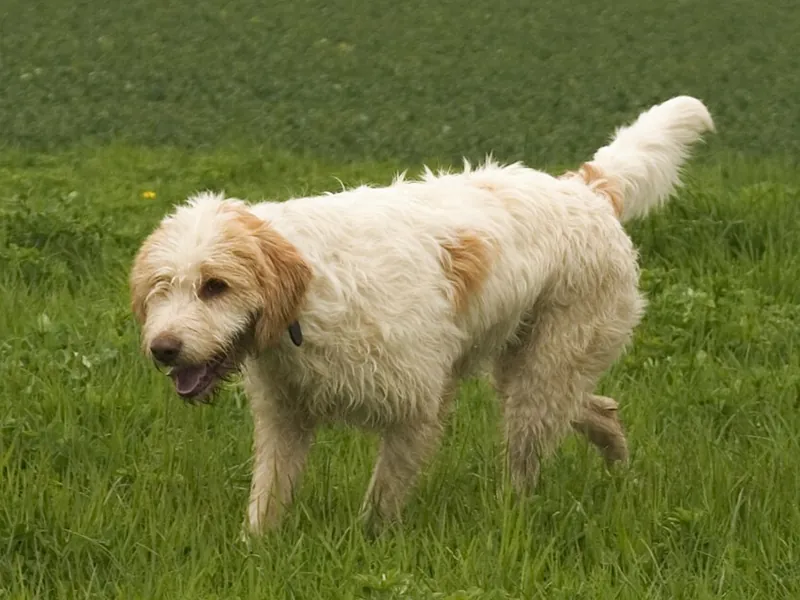
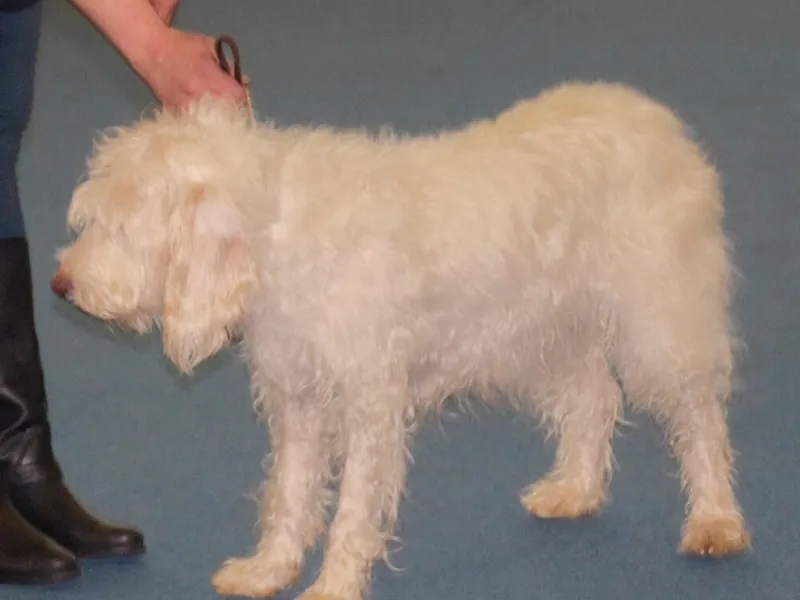
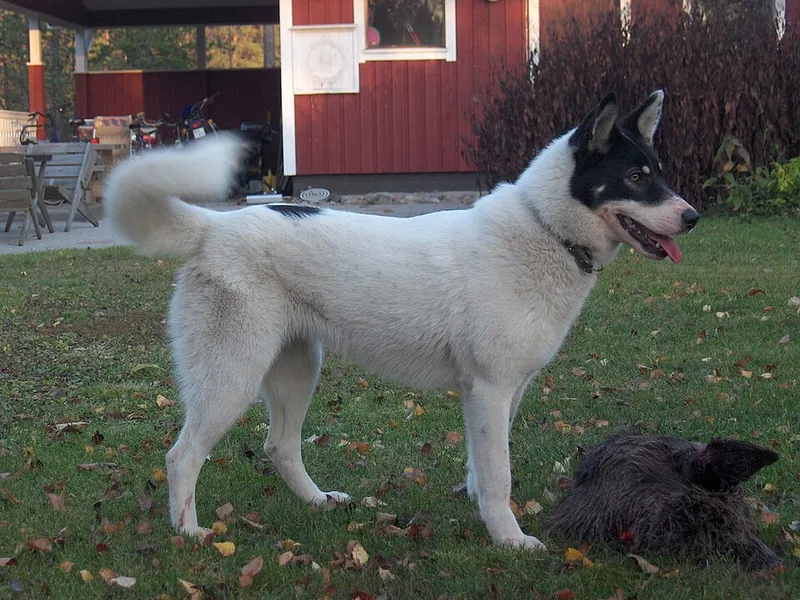
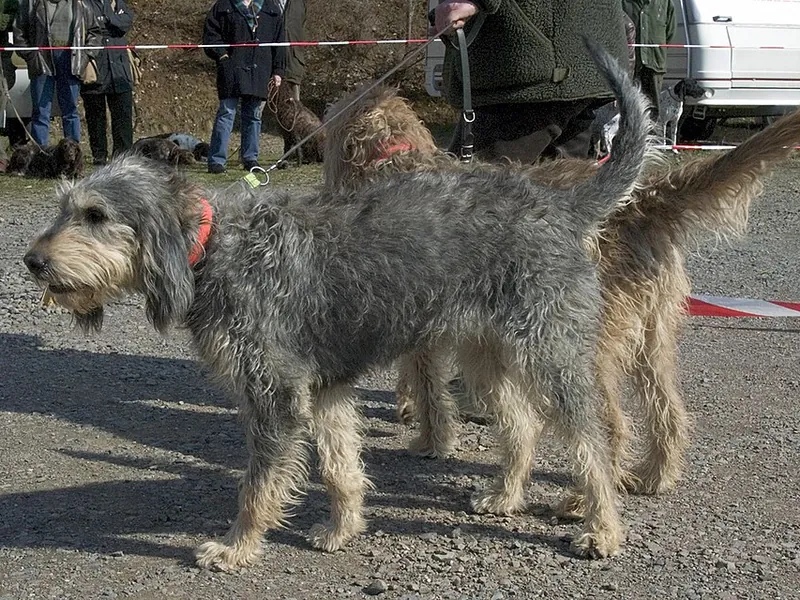
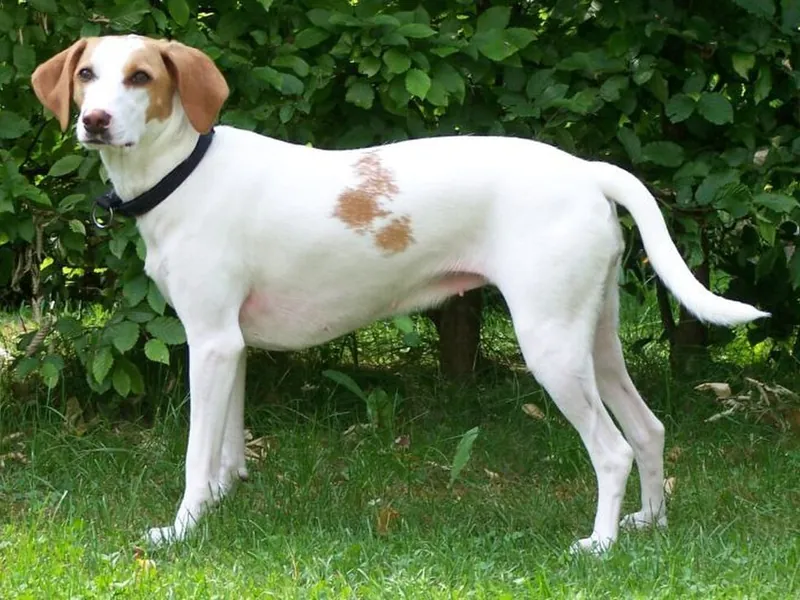
French Tricolour HoundLarge tricolor French pack hound
The French Tricolour Hound, or Français Tricolore, is a large, athletic pack hound developed in France for hunting big game. Built for hours of pack work behind deer and boar, it needs extreme amounts of exercise and is rarely kept as a family pet.
Why people love the French Tricolour Hound
- Sociable with other dogs as a pack hound
- Gentle and manageable with handlers
- Excellent nose and great stamina
- Short, easy-care coat
- Striking tricolor appearance
Things to consider
- Extremely high exercise needs
- Not suited to single-dog homes
- Very strong prey drive and unreliable recall
- Loud voice while hunting and when bored
- Essentially unavailable outside France
Is this breed right for you?
10 questions · live resultHistory and Origin
After many old French hound strains declined, French huntsmen in the 20th century wanted to create a uniform, tricolored French pack hound. They drew mainly on French breeds such as the Poitevin and the Billy, along with Anglo-French hounds, and selected for a consistent look, a good nose and stamina.
The breed was established in the mid-20th century and is recognized by the FCI. It is used in French vénerie, traditional mounted pack hunting, mainly for deer and wild boar. It is one of the more numerous French pack hounds in France, but remains rare elsewhere.
Size, Colors and Coat
The French Tricolour Hound is a large, athletic pack hound with a distinguished, elegant look and a strong but not heavy frame. It stands about 24 to 28 inches at the shoulder. Weight is not set in our data, but the breed is lean and muscular, built for endurance. Males are typically taller and heavier than females, with the FCI standard placing them about an inch higher.
The head is long and fairly lean, with a slightly arched nose and large brown eyes. The ears are long, flat and slightly twisted, set at eye level. The tail is long and carried gracefully.
The coat is short, dense and fine. Color is always tricolor:
- A white base
- A black mantle or large black patches
- Tan on the head and legs, often a bright, rich shade
Some dogs show slight ticking in the white areas. In a pack, the uniform color and size give a striking look, which was one of the goals when the breed was created.
Temperament and Personality
As a pack hound, it is bred to live closely with many other dogs and is generally sociable with its own kind. With handlers it is usually gentle and manageable.
Little is documented about its behavior as a household companion, because nearly all French Tricolour Hounds live in hunting kennels. Its prey drive is very strong, and its attention outdoors is entirely on scent.
Is the French Tricolour Hound Good for First-Time Owners?
No. The French Tricolour Hound is not a practical breed for first-time owners. It was developed for organized pack hunting and is almost exclusively kept by hunters in France.
Its exercise needs are extreme, its prey drive is very strong and recall on a scent is unreliable. It also does poorly as a single dog. First-time owners who admire scenthounds should look at more adaptable hound breeds, such as a Beagle or a Basset Hound, and work up to more demanding breeds with experience.
Do French Tricolour Hounds Bark a Lot?
Yes. Like most French pack hounds, it uses its voice while hunting, and hunters value a strong, melodious cry that helps them follow the pack.
At home, a bored or lonely hound may bay or howl, which can cause problems with neighbors. Plenty of exercise, scent work and the company of other dogs reduce noise. The breed is best suited to rural properties where the sound of hounds is part of life. Owners with close neighbors should be cautious, as quieting a pack hound's voice is difficult.
Can French Tricolour Hounds Be Left Alone?
Not well. The French Tricolour Hound is bred to live with many other hounds and copes poorly when left alone, especially as an only dog.
In France, these hounds usually live in kennels with their pack, where they have constant canine company. A single hound in a private home may bay, dig or become destructive when left alone. Anyone keeping one should provide at least one other dog, plenty of daily exercise and gradual training for short periods alone. Even then, long days alone are not recommended.
Exercise and Training
Exercise needs are very high. On hunting days these hounds may cover long distances at a steady pace.
- Pack hunting or long daily runs in large, secure areas are necessary.
- Secure fencing is essential; once on a trail it may not return for hours.
- Training is built around pack routines, voice and horn rather than individual obedience.
- It is happiest with other hounds and does poorly alone.
Grooming and Shedding
The short, dense coat is tricolor: white with a black mantle or large black patches, and rich tan on the head and legs. Weekly brushing with a hound glove is sufficient.
Check ears, pads and skin after hunting or long runs, and keep nails trimmed if the dog spends time on soft ground.
Feeding and Nutrition
Food needs vary greatly with the hunting season. A hound working long days behind deer or boar burns far more than in the off-season. Adjust portions by body condition, aiming for a lean, athletic frame with ribs easy to feel and a visible waist.
- Feed adults two meals a day, and on hunting days give the main meal after work rather than before.
- Puppies grow into a large, leggy frame; three or four meals a day and steady growth support developing joints.
- Offer water often during long outings, especially in warm weather.
As a large, deep-chested hound, avoid hard exercise right after meals to reduce bloat risk. Hounds living in packs may be used to competitive feeding; feed them separately in a home setting and watch for food guarding. Secure trash and counters, as scenthounds find food easily. No breed-specific diet-related conditions are documented.
Health and Lifespan
No breed-specific health data were found in reliable sources, and lifespan figures are not available. Pack breeding emphasizes soundness, stamina and working ability.
General large-breed precautions apply: keep the dog lean, avoid hard exercise right after meals to reduce bloat risk, and check joints and feet regularly in working hounds.
French Tricolour Hound Price and Cost of Ownership
The French Tricolour Hound is not AKC-recognized and is essentially unavailable in the US, so there is no US price range. Nearly all dogs live in French hunting packs, and puppies are rarely sold outside hunting circles. Prices vary by breeder, region and lines, and anyone importing a puppy should expect costs for flights, health certificates and paperwork.
Rescue dogs are very rare outside France, though some French associations rehome retired pack hounds.
Breed-specific ongoing cost drivers include:
- A second dog, since the breed does poorly alone
- High, secure fencing and a GPS collar for outings
- Tick and flea prevention for a dog spending long hours outdoors
- Care for feet, ears and minor injuries from working terrain
Is the French Tricolour Hound Right for You?
For almost all private owners, this is not a practical breed.
- Good match: hunting packs, experienced hound keepers with large rural properties and other dogs.
- Poor match: apartments, suburban homes, single-dog households, people wanting off-lead walks.
If you admire scenthounds but cannot offer pack life, a smaller, more adaptable hound breed is likely a better choice.
French Tricolour Hound Traits at a Glance
French Tricolour Hound FAQ
How big is a French Tricolour Hound?
It is a large hound, about 24 to 28 inches tall at the shoulder.
What does the French Tricolour Hound hunt?
Large game such as deer and wild boar, in organized packs.
Is the French Tricolour Hound a family dog?
Generally not. It is bred for pack hunting and needs very high levels of exercise.
Is the French Tricolour Hound good with other dogs?
Yes. As a pack hound, it is usually very sociable with other dogs.
Is the French Tricolour Hound rare?
It is fairly established in French hunting circles but very rare outside France.