Briquet Griffon VendéenThe medium-sized hound of the Vendée
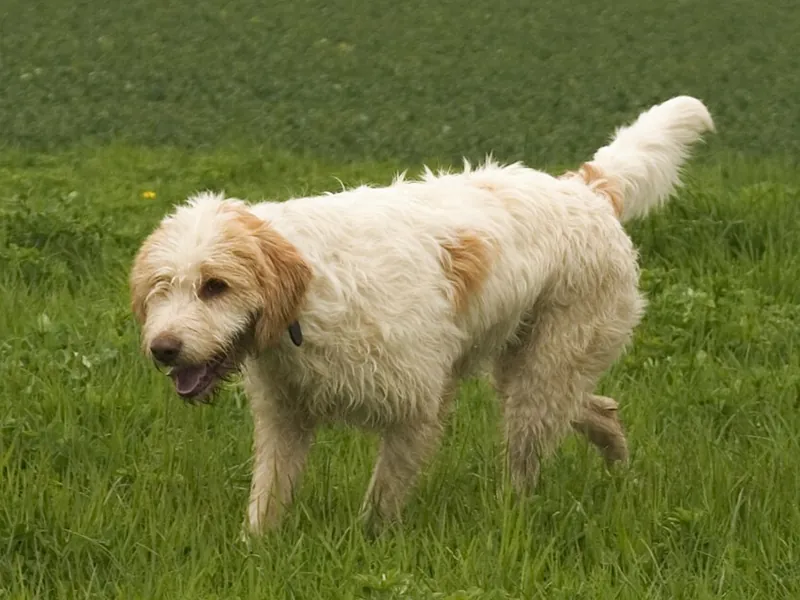
The Briquet Griffon Vendéen is a medium-sized, rough-coated hound from western France, sitting between the Grand Griffon Vendéen and the basset types in size. It is tireless, enterprising and passionate about hunting, a demanding but rewarding dog for experienced hound owners.
Why people love the Briquet Griffon Vendéen
- Friendly with people and sociable with dogs
- Tireless stamina for long hikes
- Harsh coat protects in brambles and cover
- Medium size between large and basset hounds
- Excellent nose for scent work and hunting
Things to consider
- Very high prey drive with small animals
- Independent, obedience takes patience
- Gives voice on scent and may howl
- Needs long daily outings and scent work
- Very rare outside France
Is this breed right for you?
10 questions · live resultHistory and Origin
The Vendée region on France's Atlantic coast produced a whole family of rough-coated hounds: the Grand Griffon Vendéen, the Briquet Griffon Vendéen and the Grand and Petit Basset Griffon Vendéen. The word briquet traditionally describes a medium-sized hound. The Briquet was developed as a reduced version of the Grand Griffon, better suited to hunting hare, fox, roe deer and wild boar in smaller packs or alone.
The breed was standardized in the early 20th century. Like many French hounds, it came close to disappearing around the Second World War and was rebuilt by dedicated hunters. It is recognized by the FCI in Group 6 and is still used mainly for hunting in France.
Size, Rough Coat and Colors
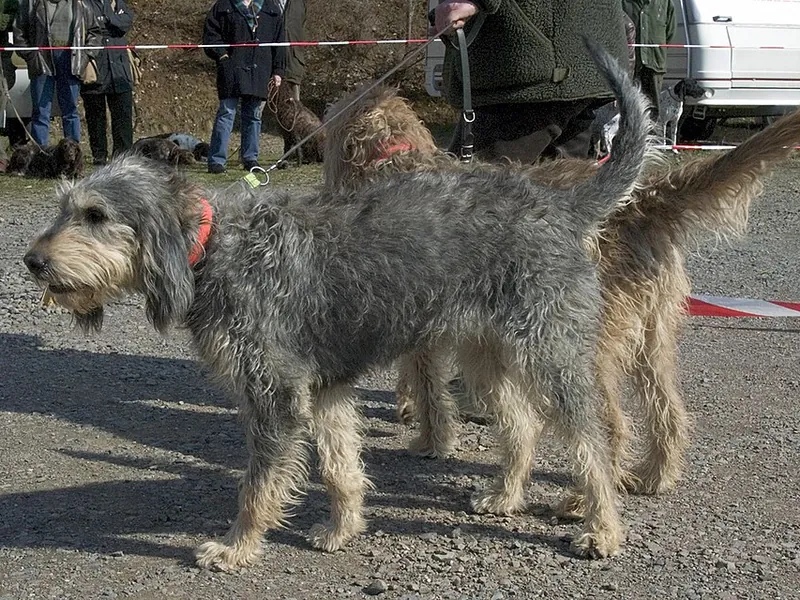
The Briquet Griffon Vendéen is a medium-sized, rough-coated hound, smaller than the Grand Griffon Vendéen and longer-legged than the basset Vendéens. It stands about 19 to 22 inches at the shoulder. Reliable weight figures vary between sources. Males are usually slightly taller and more substantial than females.
The body is well balanced and athletic, with a strong back, a deep chest and sturdy legs. The head is long with a slightly domed skull, and the long, supple ears are set low and fold inward. The tail is carried like a saber, slightly curved.
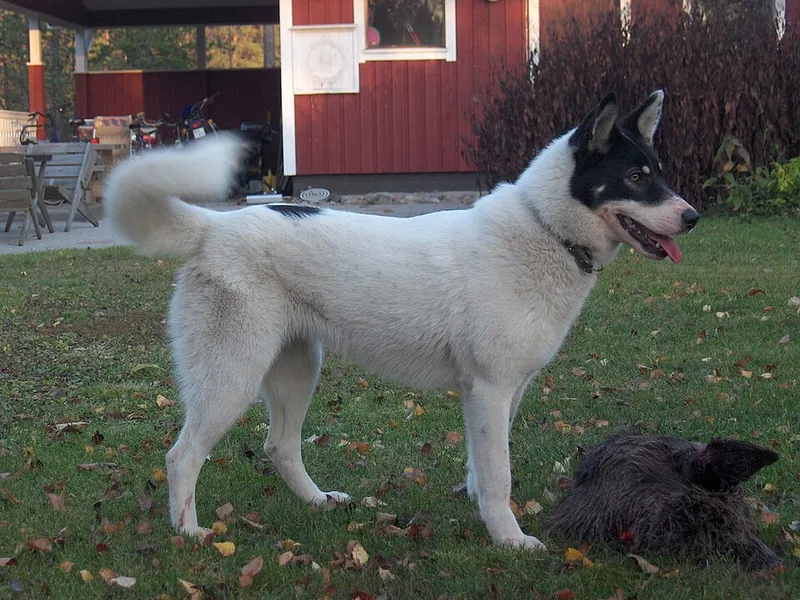
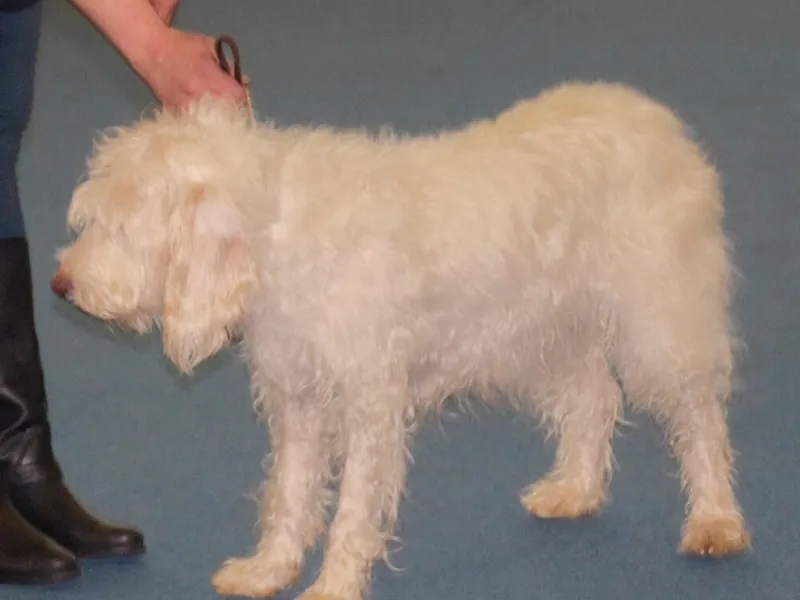
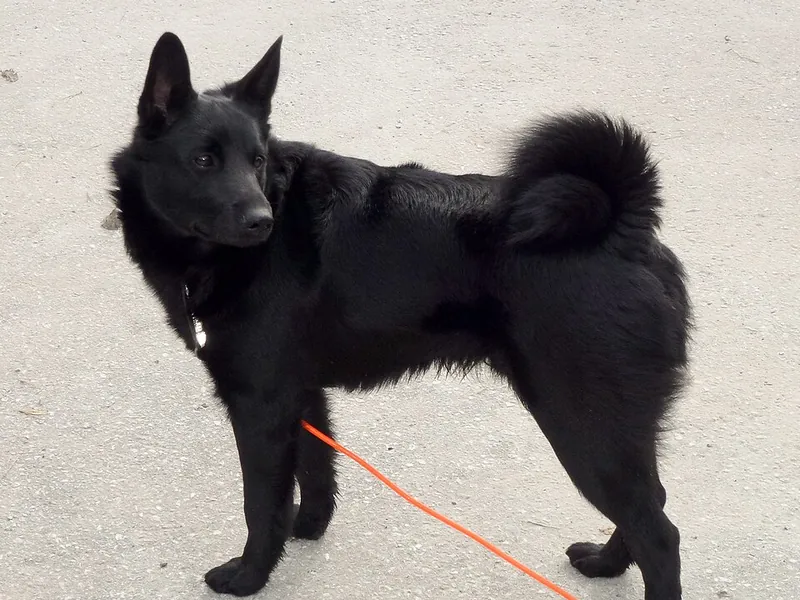
The coat is harsh, rough and fairly long, with a thick undercoat, forming bushy eyebrows and a beard. Colors include solid fawn, more or less dark, sometimes with a black overlay, as well as hare-colored, white and orange, white and black, white and gray and tricolor combinations. The coat protects the dog in brambles and thick cover, which is why it is never trimmed short.
Temperament and Personality
Briquets are generally friendly with people and sociable with other dogs, reflecting their pack heritage. At home they can be affectionate and relaxed once well exercised.
When hunting they show great initiative and independence, which can test an owner's patience in everyday life. Prey drive is very high, so they are not reliable with small animals and need careful management outdoors. Like other Vendéen hounds, they give voice on a scent.
Is the Briquet Griffon Vendéen a Good Family Dog?
The Briquet Griffon Vendéen can be a good family dog for active, rural households. It is usually friendly with people, including children, and sociable with other dogs thanks to its pack heritage.
The challenges are its exercise needs, independence and strong prey drive. Families need time for long daily outings and scent work, and must manage the dog carefully around cats and small pets. Children should learn to keep doors and gates closed, since a Briquet that finds a scent may disappear quickly. In the right home, it is affectionate and relaxed indoors once well exercised.
Does the Briquet Griffon Vendéen Bark a Lot?
The Briquet Griffon Vendéen is a vocal hound, especially when it picks up a scent. Like other Vendéen hounds, it gives voice on the trail, which is valued by hunters but can surprise pet owners.
At home, noise levels depend on exercise and company. A bored or lonely Briquet may bay, howl or bark. Long daily walks, scent games and time with people or other dogs help keep the dog calm. Neighbors close by may find the voice disruptive, so a rural setting is easier.
Is the Briquet Griffon Vendéen Good for First-Time Owners?
The Briquet Griffon Vendéen is usually better suited to experienced hound owners. It is friendly and affectionate, but its independence, prey drive and need for long daily exercise challenge many beginners.
First-time owners often underestimate how difficult recall can be with a scent hound. Expect to use long lines and secure areas for off-leash time, and plan for patient, reward-based training. A motivated beginner with rural access, time for scent work and support from a hound club can succeed, but owners seeking an easy companion should look at other breeds.
Exercise and Training
This hound needs a lot of exercise: long daily outings, running in safe areas and regular scent work. Hunting, tracking or mantrailing provide a natural outlet for its nose and energy.
Training requires consistent effort. The Briquet does not obey automatically, and obedience must be built up step by step with patience and rewards. Practice recall on a long line and keep off-lead time to secure areas, because once on a trail it may range far. It copes poorly with long periods alone and can become noisy or destructive if bored.
Because it was bred for long days covering rough ground, the Briquet usually has plenty of stamina for hiking and long countryside walks. Varied routes with lots of scent keep it far more content than repetitive loops.
Grooming and Shedding
The coat is harsh, rough and fairly long, protecting the dog in brambles and thick cover. Common colors include fawn, gray, black with white and tricolor combinations.
- Brush weekly and hand-strip occasionally to remove dead hair.
- Check for burrs, seeds and ticks after every outing.
- Clean ears regularly and keep nails short.
Feeding and Nutrition
The Briquet is an active working hound that should stay lean and fit. You should feel the ribs easily and see a waist from above, though the rough coat can hide shape, so check by hand.
- Feed puppies three or four meals a day, then two meals for adults.
- Adjust portions to activity: hounds that hunt or hike all day need more energy than those with shorter walks.
- Avoid hard exercise right after meals, a sensible precaution for deep-chested hounds.
- Many hounds are opportunistic eaters, so keep food out of reach and secure trash cans.
Use small treats or part of the daily ration as rewards during recall and scent training. Fresh water should always be available after long outings. Ask your vet to assess body condition, since there is little breed-specific health data.
Health and Lifespan
Reliable breed-specific health information is scarce for the Briquet Griffon Vendéen. It is generally described as a hardy working hound, but there is little published data on lifespan or inherited conditions, so we do not quote figures here.
Ask breeders about the health and longevity of parents and grandparents, and consider hip screening. Keep the dog fit and lean and check the drop ears regularly, as hounds with hanging ears are prone to infections.
Briquet Griffon Vendéen Price and Cost of Ownership
The Briquet Griffon Vendéen is very rare outside France and essentially unavailable from US breeders. Prospective owners usually need to contact French breeders or hunting clubs, which means import costs, travel and long waiting periods. Prices vary by breeder, region and lines. Ask about the health and working ability of the parents.
Rescue dogs are almost unheard of in the US, though hound rescues may place related griffon types.
Breed-specific ongoing costs include:
- Secure fencing and long lines for safe exercise.
- Hand-stripping or grooming help a few times a year.
- Ear cleaning supplies and vet visits for ear problems.
- Tick prevention and checks after outings in brush.
Is the Briquet Griffon Vendéen Right for You?
This breed suits hunters and experienced hound owners with rural access and time for daily exercise. It is rarely seen outside France, so finding a puppy means connecting with French breeders and hunting clubs.
- Good match: hunters, multi-dog homes, people who enjoy scent sports.
- Less ideal: apartments, first-time owners, homes with small pets, owners wanting off-lead obedience.
Briquet Griffon Vendéen Traits at a Glance
Briquet Griffon Vendéen FAQ
How big is a Briquet Griffon Vendéen?
It stands about 19 to 22 inches at the shoulder. Reliable weight figures vary between sources.
How is the Briquet different from other Vendéen griffons?
It is medium-sized: smaller than the Grand Griffon Vendéen and longer-legged than the Grand and Petit Basset Griffon Vendéen.
Is the Briquet Griffon Vendéen easy to train?
Not especially. It is independent and scent-driven, so obedience takes patient, consistent work.
How much exercise does a Briquet Griffon Vendéen need?
A lot, ideally long daily outings with scent work or hunting.
Is the Briquet Griffon Vendéen good with other dogs?
Usually yes. As a pack hound it tends to be sociable with other dogs.