KokoniGreece's lively little village companion
The Kokoni is a small, lively companion dog from Greece, long familiar in villages and towns but only recently standardized. Affectionate, alert and quick to learn, it suits families and individuals who want a little dog with plenty of energy.
Why people love the Kokoni
- Small, cheerful and affectionate companion
- Quick learner that enjoys trick training
- Adapts well to apartments and smaller homes
- Medium coat is easy to brush
- No breed-specific hereditary diseases known
Things to consider
- Alert barker that announces visitors
- Dislikes being left alone for long
- Sheds; not a low-allergen breed
- Very rare outside Greece
- Moderate interest in chasing small animals
Is this breed right for you?
10 questions · live resultHistory and Origin
Small dogs of the Kokoni type have been part of everyday life in Greece for a long time, kept in homes and on farms as companions and as alert little watchdogs that also kept mice and rats in check. The word kokoni is a Greek term for a small dog.
For most of its history the Kokoni was a landrace rather than a formally bred breed. In the early 2000s Greek enthusiasts began breeding it to a standard, and the Kennel Club of Greece recognized it. It is not recognized by the FCI, AKC or The Kennel Club. Kokonis stand about 9 to 11 inches tall and weigh roughly 9 to 18 lb.
Size, Coat and Colors
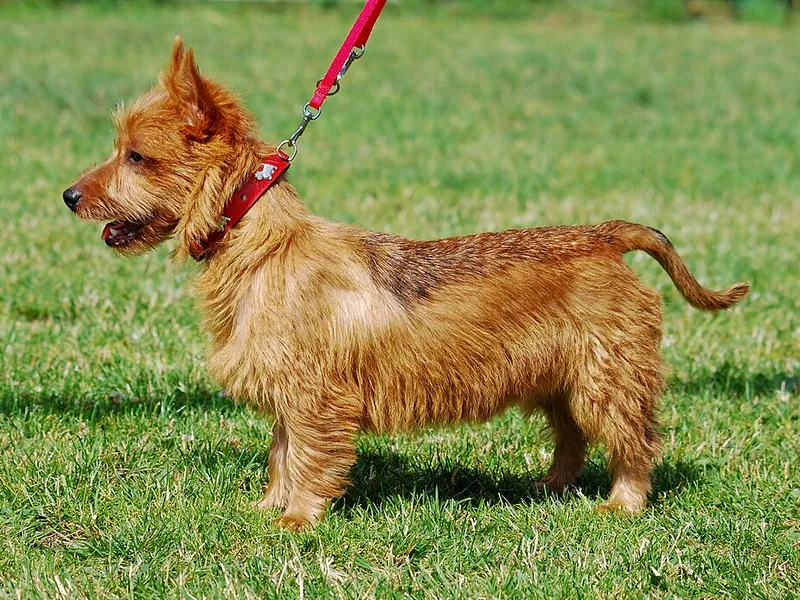
The Kokoni is a small, well-proportioned dog with a slightly longer-than-tall body and a lively, intelligent expression. Adults stand about 9 to 11 inches at the shoulder and weigh roughly 9 to 18 lb. Males are generally slightly larger and sturdier than females.
The head is moderately broad with a gentle stop, dark almond eyes and medium ears that hang or fold. The tail is carried up, often curled over the back, especially when the dog is excited.
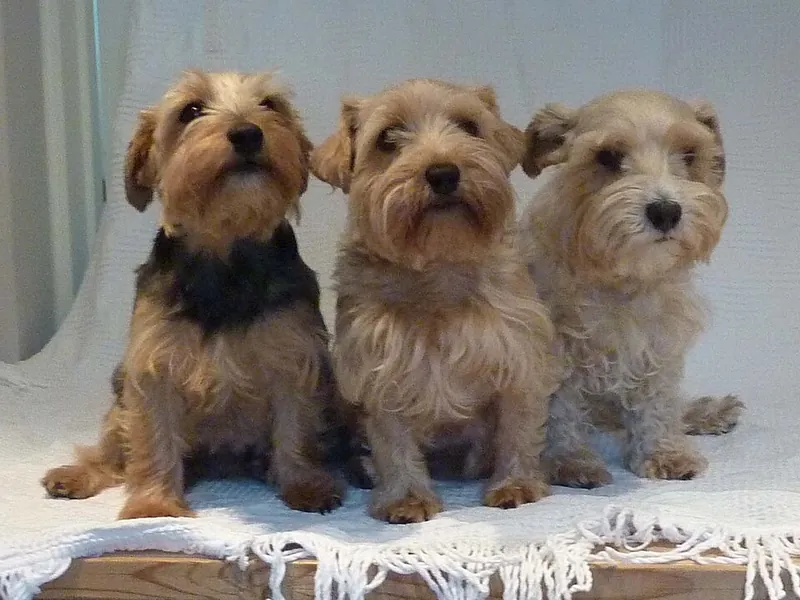
The coat is medium length, soft and either straight or slightly wavy, with feathering on the ears, legs and tail. It is dense enough to protect the dog but not heavy.
The Kokoni comes in many colors and patterns, including:
- Solid colors such as white, cream, fawn, red, brown and black
- Bicolor and tricolor patterns
- Sable and brindle variations
Because the breed was a landrace for most of its history, appearance varies more than in long-standardized breeds.
Temperament and Personality
Kokonis are lively, affectionate and eager to be with their people. They are generally good with children who handle them gently and often fit easily into family life.
They are reliable alarm dogs: a Kokoni will let you know when someone approaches the house. That watchfulness can tip into frequent barking if it is not guided early. Their background as ratters also shows in a moderate interest in chasing small animals.
Are Kokonis Good for First-Time Owners?
Yes, the Kokoni is often a good choice for first-time owners. It is small, affectionate, quick to learn and easy to groom.
New owners should plan for alert barking, which needs early training with a quiet cue, and daily exercise beyond what its size suggests. The breed prefers company and may struggle with long hours alone. Because it is rare outside Greece, finding a puppy may take time and research. Owners who want a cheerful, active small dog and can provide companionship usually find the Kokoni easy to live with.
Can Kokonis Be Left Alone?
A trained adult Kokoni can typically manage a few hours alone, but the breed is people-oriented and prefers company. Long absences can lead to barking, whining or chewing.
Build independence gradually from puppyhood, starting with short absences. Exercise the dog before leaving, provide a puzzle toy and create a safe, comfortable space. Households where someone works from home, or where a midday walk is possible, are ideal. Because Kokonis are alert barkers, neighbors may notice if the dog is unhappy alone.
Are Kokonis Good With Cats?
Many Kokonis live well with cats, especially when they are raised together. They are sociable dogs and generally adapt easily to multi-pet homes, and their small size means a confident cat is rarely intimidated for long.
Their background as village dogs that kept rodents in check means some have a moderate interest in chasing. Calm introductions, high perches for the cat and rewards for relaxed behavior help a lot. Rodents and other small caged pets should be kept secure. Outdoors, a Kokoni may chase unfamiliar cats, so keep it leashed in unfenced areas.
Exercise and Training
Despite its small size, the Kokoni is an active dog. Plan on several walks a day plus play sessions; many enjoy longer hikes as well. Puzzle toys and short training sessions provide useful mental exercise.
- Kokonis are quick learners and generally easy to train with rewards.
- Teach a quiet cue early to manage alert barking.
- They enjoy activities such as trick training, rally or beginner agility.
- They prefer company and do not like being left alone for long.
Grooming and Shedding
The coat is medium length, soft and slightly wavy or straight, and it comes in many colors. Brush once or twice a week to remove loose hair and prevent tangles behind the ears and on the legs. The Kokoni sheds; it is not a low-allergen breed.
As with most small dogs, regular tooth brushing and nail trims are important parts of routine care.
Feeding and Nutrition
The Kokoni is a small, active dog, and its weight range of 9 to 18 lb means portion sizes differ widely between individuals. Feed according to your dog's ideal weight and activity level, and keep it lean, with ribs easy to feel under the coat.
Small dogs gain weight quickly from treats and table scraps, so count all extras in the daily ration. Extra weight increases stress on small joints, and patellar luxation is a general small-dog concern worth keeping in mind.
- Feed puppies three to four small meals a day and adults two.
- Choose small kibble that encourages chewing.
- Brush teeth regularly, as dental disease is common in small breeds.
- Use tiny, low-calorie treats for training.
Food puzzles and scatter feeding provide mental exercise for this intelligent breed and slow down fast eaters.
| Adult weight | Less active | Typical adult | Very active |
|---|---|---|---|
| 9 lb | 280 kcal | 320 kcal | 400 kcal |
| 14 lb | 390 kcal | 450 kcal | 560 kcal |
| 18 lb | 470 kcal | 540 kcal | 680 kcal |
Estimates use the resting energy formula veterinarians work with (70 × body weight in kg0.75) and standard activity factors. Use the feeding guide on your food as a starting point and adjust to body condition. Puppies, seniors, pregnant animals and pets that need to lose weight have different needs, so ask your vet.
Health and Lifespan
No breed-specific hereditary diseases are known for the Kokoni, which may reflect its long history as a functional village dog as well as limited data. Reliable lifespan figures are not available.
General small-dog issues worth watching include dental disease and kneecap problems (patellar luxation). Ask breeders about the health of the parents and choose those who know the breed's background.
Kokoni Price and Cost of Ownership
The Kokoni is very rare in the US, and there is no reliable published price range. Most breeders are in Greece, so acquiring a puppy often means importing, which adds transport, paperwork and travel costs. Prices vary by breeder, region and lines. Ask for information about the parents, since breed-specific health data are limited.
In Greece, Kokoni-type dogs are also common in shelters, and some international rescue groups place them abroad.
Breed-specific ongoing costs include:
- Import and travel costs if sourcing from Greece
- Dental care, including professional cleanings
- Training for alert barking
- Grooming tools for the medium coat
- Routine vet care and knee checks
Is the Kokoni Right for You?
The Kokoni suits families, singles and seniors who want a small, cheerful dog and can offer daily walks and companionship. Its size makes it workable in apartments if barking is managed and it gets enough exercise.
- Good fit: active small households, families with considerate children, first-time owners.
- Poor fit: homes where it would be alone all day, owners who want a silent dog.
Kokoni Traits at a Glance
Kokoni FAQ
How big do Kokonis get?
Kokonis stand about 9 to 11 inches tall and weigh roughly 9 to 18 lb.
Are Kokonis good family dogs?
Yes. They are usually affectionate, playful and good with gentle children.
Do Kokonis bark a lot?
They are alert watchdogs and will bark at visitors. Early training helps keep it manageable.
Are Kokonis hypoallergenic?
No. They shed and are not considered a low-allergen breed.
How much exercise does a Kokoni need?
More than their size suggests: several walks daily plus play and mental exercise.
Can a Kokoni live in an apartment?
Yes, its small size suits apartment life, provided it gets several walks a day and its alert barking is managed with early training.