Australian TerrierSmall, spirited and down-to-earth
The Australian Terrier is a small, sturdy working terrier with a rough coat, a soft topknot and a big personality. Confident, alert and affectionate, it suits owners who want a compact dog with real character and enjoy daily play and training.
Why people love the Australian Terrier
- Small, sturdy size suits apartments and houses
- Light shedding and easy weekly grooming
- Alert watchdog for its size
- Affectionate and keen to join family activities
- Quick learner for tricks and terrier sports
Things to consider
- Barks readily at visitors and noises
- Strong prey drive; small pets usually unsafe
- Can be bossy with other dogs
- Digs and may escape poorly fenced yards
- Predisposed to diabetes
Is this breed right for you?
10 questions · live resultHistory and Origin
The breed developed in 19th-century Australia from rough-coated terriers brought by British settlers, likely including ancestors of the Cairn, Dandie Dinmont, Skye, Yorkshire and Norwich terriers. Settlers needed a small, tough dog to kill rats and snakes, guard homesteads and keep working in a harsh climate.
The Australian Terrier was the first breed developed in Australia to be officially recognized there. It was shown in the late 1800s, recognized by The Kennel Club in the UK in 1933 and by the AKC in 1960.
The breed's small size and toughness made it useful on remote stations and in gold-mining areas, where it controlled vermin and alerted families to strangers.
Size, Colors and Coat
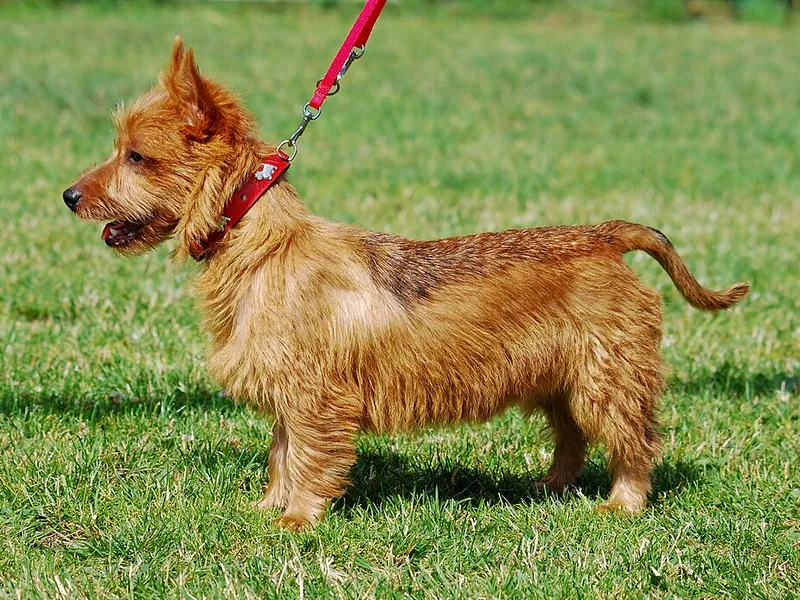
The Australian Terrier is one of the smallest working terriers, standing 10 to 11 inches at the shoulder and weighing 14 to 20 lb. It is longer than tall, sturdy and low to the ground. Males and females are similar in size, with males slightly heavier and broader in the head.
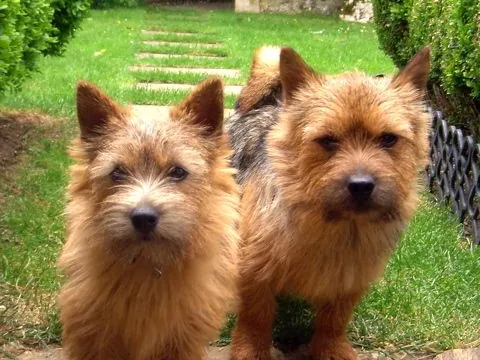
The harsh, straight outer coat is about 2.5 inches long over a short, soft undercoat. It forms a ruff around the neck and an apron on the chest, while the muzzle, lower legs and feet are short-coated. A soft, silky topknot crowns the head.
Breed standards accept three colors:
- Blue and tan, with a blue or silver-blue body and rich tan on the face, legs and underside
- Solid sandy
- Solid red
On blue and tan dogs the topknot is silver or lighter than the head color. Puppies are often born dark and develop their final color during the first year.
Temperament and Personality
Aussies are spirited, confident and very people-oriented. They love to be involved in family activities and often get on well with children. They are alert and quick to bark at visitors and unusual sounds, making them good watchdogs.
True to their ratting roots, they have a strong prey drive and can be bossy with other dogs. Sources differ on how well they live with cats and other dogs; much depends on early socialization and the individual. Small pets such as rodents are generally not safe.
Aussies are often described as less aggressive than many terriers toward people. They are typically friendly with visitors once introduced, yet remain bold and confident in new situations.
Is the Australian Terrier Good for First-Time Owners?
Yes, the Australian Terrier is one of the more manageable terriers for a first dog, if you are ready for terrier independence.
Its small size, easy coat and affectionate nature help beginners. The challenges are typical of terriers: barking, digging, chasing small animals and testing rules. A puppy class, a consistent daily routine and early work on a quiet cue go a long way. Aussies respond best to short, upbeat sessions with food rewards. First-time owners should also check the yard for gaps under fences and keep the dog leashed near roads and wildlife.
Are Australian Terriers Good with Cats?
Australian Terriers can live with cats, but it depends heavily on early socialization and the individual dog.
The breed was developed to kill rats and snakes, so quick movement can trigger a chase. A puppy raised with a calm, confident cat often accepts it as part of the household. An adult dog with no cat experience is less predictable. Introduce them slowly, keep the dog on a leash at first and give the cat high places to retreat. Pet rodents, rabbits and birds are at real risk and should be kept fully separate from an Aussie.
Can Australian Terriers Be Left Alone?
Most adult Australian Terriers can be left alone for a few hours, especially after exercise and with something to do.
Aussies are people-oriented but usually less clingy than some companion breeds. Problems tend to show up as barking at outside noises or digging if the dog is left in the yard. Leave the dog indoors in a safe area, away from street-facing windows if it reacts to passersby. Food puzzles and chews keep it occupied. Puppies need gradual practice with short absences. For long workdays, a midday walk or a dog walker is a good idea.
Exercise and Training
Aussies need daily exercise: a couple of brisk walks and active play. They love having a task and do well in earthdog trials, barn hunt, agility and rally. Mental stimulation is important for this clever breed.
They learn quickly but can be stubborn. Keep training short, upbeat and reward-based. Use a leash in unfenced areas, and fence the yard securely; they dig. Teaching a quiet cue early helps manage barking.
A daily routine that includes a sniffing walk and a short training session works well. Aussies enjoy learning tricks and solving food puzzles, which helps prevent boredom barking.
Grooming and Shedding
The harsh, weatherproof outer coat is about 2.5 inches long, with a short undercoat and a soft topknot on the head. Colors include blue and tan, sandy and red. Grooming is fairly easy:
- Brush weekly
- Hand-strip dead hair a few times a year to keep the coat texture
- Trim around the feet and ears as needed
Shedding is light, which some allergy sufferers find easier to live with.
Feeding and Nutrition
Australian Terriers are predisposed to diabetes, which makes weight control especially important. Keep your Aussie lean, with a visible waist and easily felt ribs, and measure every meal. Feeding at consistent times each day also makes it easier to notice changes in appetite or thirst. Drinking more, urinating more or losing weight despite eating well are reasons to see your vet promptly.
- Feed puppies three or four small meals a day and adults two.
- Use tiny treats in training and count them as part of the daily ration.
- Avoid frequent table scraps, which add up quickly in a small dog.
Keeping the dog lean also reduces strain on the knees and hips, relevant in a breed with patellar luxation and Legg-Calvé-Perthes disease.
Skin allergies occur in the breed. If your vet suspects a food component, an elimination trial under veterinary guidance is the way to confirm it. Like many small dogs, Aussies benefit from regular tooth brushing to limit tartar buildup.
| Adult weight | Less active | Typical adult | Very active |
|---|---|---|---|
| 14 lb | 390 kcal | 450 kcal | 560 kcal |
| 20 lb | 510 kcal | 590 kcal | 730 kcal |
Estimates use the resting energy formula veterinarians work with (70 × body weight in kg0.75) and standard activity factors. Use the feeding guide on your food as a starting point and adjust to body condition. Puppies, seniors, pregnant animals and pets that need to lose weight have different needs, so ask your vet.
Health and Lifespan
Australian Terriers typically live 11 to 15 years. Conditions reported in the breed include patellar luxation, Legg-Calvé-Perthes disease (degeneration of the hip joint), allergies with itchy skin, and diabetes, which appears more often in this breed than in many others. Keep your dog lean, watch for increased thirst or urination, and ask breeders about health testing.
Australian Terrier Price and Cost of Ownership
The Australian Terrier is uncommon in the US, and breeders often have waiting lists. Prices vary by breeder, region and lines; contact the national breed club for breeder referrals and current expectations. Breed rescues occasionally rehome adult dogs.
Breed-specific cost drivers include:
- Health screening of breeding dogs, including patella checks
- Hand-stripping a few times a year, done by a groomer or learned at home
- Possible diabetes care later in life, which involves insulin, regular monitoring and vet visits
- Pet insurance that covers chronic conditions and orthopedic surgery
- Secure fencing that prevents digging out
Food costs are low for a dog of 14 to 20 lb.
Is the Australian Terrier Right for You?
An Aussie suits you if you:
- Want a small, sturdy dog with a big personality
- Can provide daily walks, play and training
- Do not mind some barking
It adapts well to apartments if exercised. Think carefully if you have small pets or need a quiet dog.
Australian Terrier Traits at a Glance
Australian Terrier FAQ
Are Australian Terriers good family dogs?
Yes. They are affectionate, love being involved and usually get along well with children.
How big do Australian Terriers get?
They stand about 10 to 11 inches tall and weigh roughly 14 to 20 lb.
Do Australian Terriers shed?
They shed lightly. Weekly brushing and occasional hand-stripping keep the coat in good condition.
Are Australian Terriers hypoallergenic?
No dog is fully hypoallergenic, but this low-shedding breed may suit some people with mild allergies.
Do Australian Terriers bark a lot?
They are alert watchdogs and can be vocal. Training a quiet cue helps.
How long do Australian Terriers live?
Typically 11 to 15 years.