Welsh TerrierA spirited, friendly terrier from Wales
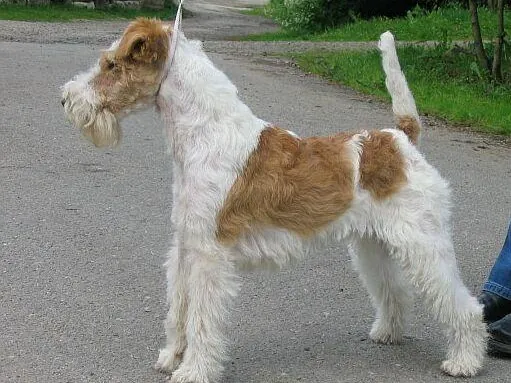
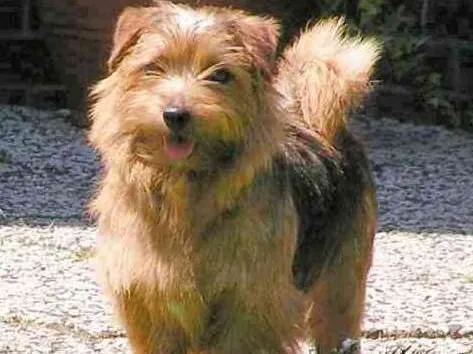
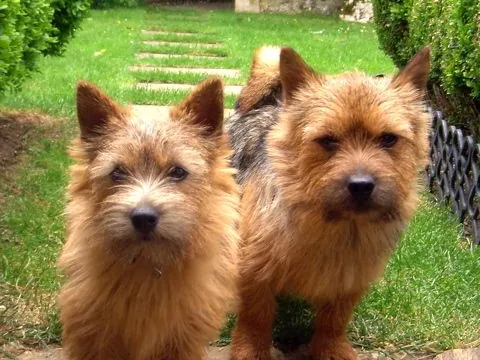
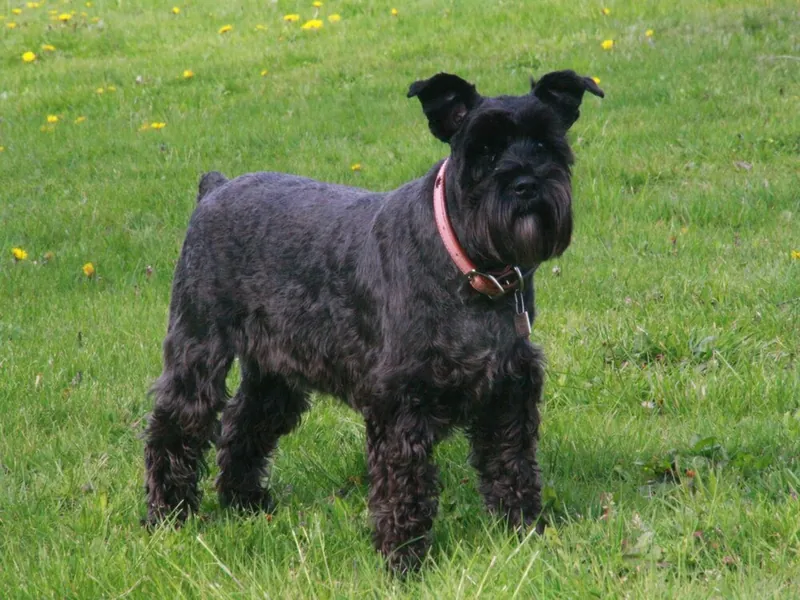
The Welsh Terrier is a sturdy, medium-small terrier from Wales with a black and tan wiry coat. It is cheerful, playful and usually great with children, while keeping a strong terrier hunting instinct. It suits active families who want a robust, low-shedding dog and can handle a bit of independence.
Why people love the Welsh Terrier
- Cheerful, playful and usually excellent with children
- Low-shedding wiry coat
- Sturdy, robust build for an active family
- Adapts to apartments with daily exercise
- Calmer and more sensible than many terriers
Things to consider
- Strong prey drive with cats and small animals
- Can be stubborn and independent in training
- Coat needs regular hand-stripping or clipping
- Skilled digger, fences need checking
- May not get along with all other dogs
Is this breed right for you?
10 questions · live resultHistory and Origin
The Welsh Terrier is considered one of the oldest terrier types in Britain. Farmers in Wales used these dogs with hounds to hunt fox, badger and otter, and similar black and tan rough-coated terriers were known in northern England as the Old English Broken-Haired Terrier.
The Kennel Club recognized the Welsh Terrier in 1886. Dogs were imported to the United States in the late 1880s, and the AKC recognized the breed in 1888. Its outline resembles a smaller Airedale, but it is a separate and older breed.
Size, Coat and Colors
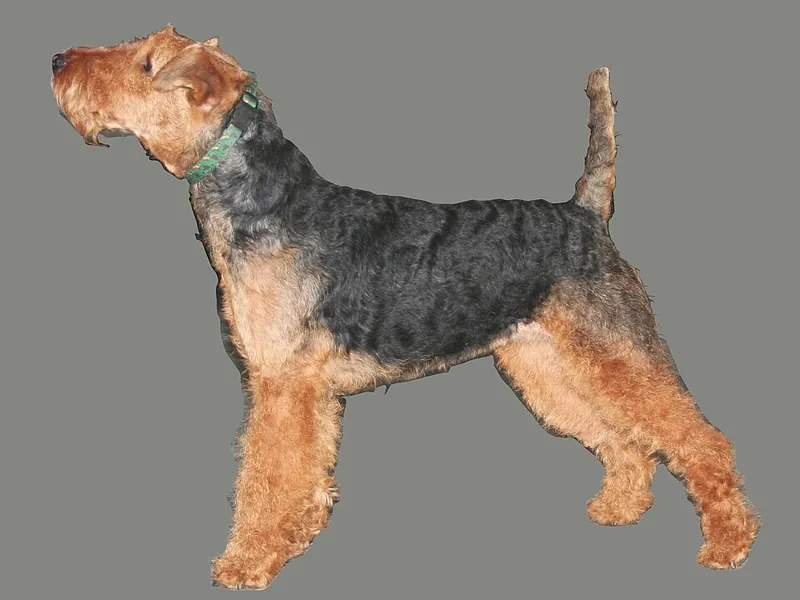
The Welsh Terrier is a sturdy, square, medium-small dog standing up to 15 inches and weighing about 20 to 21 lb. It looks like a smaller Airedale: a flat skull, a strong, rectangular head, small V-shaped ears and a straight, upright tail.
The AKC calls for males of about 15 inches and 20 lb, with females proportionally smaller. Weight can vary somewhat with condition and coat.
The coat is double: a hard, wiry, dense outer layer and a short, soft undercoat. It is meant to protect against weather and brush.
Colors are limited:
- Black and tan, with a black jacket over a tan head, legs and underside
- Black grizzle and tan
Puppies are born mostly black and gain tan as they mature. Hand-stripped coats keep rich color; clipped coats fade and soften. A tail may be docked in the US; in the UK and Europe tails are natural.
Temperament and Personality
Welshies are friendly, outgoing and full of fun. They are usually excellent with children and enjoy games and activity. They are alert and will bark to announce visitors.
Their prey drive remains strong. Squirrels, cats and small animals can trigger chasing, and some Welsh Terriers do not get along with other dogs. They are a little calmer than some terriers but still need activity and structure.
Welshies are often described as calmer and more sensible than some other terriers, but they still enjoy a challenge and can be stubborn. They thrive when they have a job, such as learning tricks or competing in dog sports.
Do Welsh Terriers Bark a Lot?
Welsh Terriers bark more than some breeds but less than many small terriers. They are alert and will announce visitors, delivery drivers, squirrels in the yard and unusual noises, usually with a deep bark that sounds bigger than the dog.
Without enough activity or company, barking can become a hobby. What helps most:
- An hour of exercise and play each day
- A trained quiet cue, rewarded generously
- Blocking the view of busy streets from favorite windows
Most owners find a well-exercised Welshie barks mainly when something genuinely happens, which makes the breed workable in apartments with some management.
Are Welsh Terriers Easy to Train?
Welsh Terriers are moderately easy to train: intelligent and quick to learn, but independent enough to decide a cue is optional. They respond best when training feels like play.
Tips that work with this breed:
- Keep sessions short, around five to ten minutes, and vary the exercises
- Use food, tug and ball games as rewards
- Keep household rules consistent so the dog cannot find loopholes
- Work on recall early, but expect a squirrel to win in open areas
Many Welshies shine in agility, earthdog trials, barn hunt and trick training. Harsh corrections tend to make them more stubborn, not more cooperative.
Can Welsh Terriers Be Left Alone?
Adult Welsh Terriers can usually handle several hours alone if they are exercised first and taught gradually as puppies. They are not a good choice for owners away all day with no help.
A bored, lonely Welshie may bark, dig at doors or chew furniture. To set yours up for success:
- Start with short absences and build up slowly
- Use a crate or dog-proofed room
- Leave a stuffed food toy or long-lasting chew
- Walk or play hard before leaving
If you work long hours, a midday dog walker or terrier-friendly daycare makes a real difference.
Exercise and Training
A Welsh Terrier needs about an hour of exercise daily, including walks and play such as fetch, tug or digging games. They also enjoy agility, earthdog trials and scent work.
They are intelligent but independent. Training works best with short, varied sessions and plenty of rewards. Keep them on a leash or in a fenced area, as they may chase animals and ignore recall. With enough exercise they adapt well to apartment life.
Welsh Terriers are skilled diggers, so check fences regularly. Many enjoy chasing a flirt pole or ball, which offers a controlled outlet for their prey drive.
Grooming and Shedding
The dense, wiry coat sheds very little but needs regular attention:
- Brush once or twice a week, combing the beard and leg furnishings
- Hand-strip several times a year to keep the coat's harsh texture and colors; clipping is easier but softens and lightens the coat
- Trim around the feet and keep the beard clean
Many owners use a professional groomer familiar with terriers.
Start grooming routines early so puppies learn to stand calmly on a table.
Feeding and Nutrition
Welsh Terriers are compact, muscular dogs and should stay lean: ribs easy to feel, a defined waist from above and no fat pad over the hips. Active Welshies usually hold their weight well, but neutered adults with less exercise gain quickly, and the wiry coat can hide a few extra pounds.
Puppies grow quickly and reach adult size at about a year. Three or four small meals a day until about six months, then two meals daily, suit most.
Allergies and skin problems are among the breed's most common issues. If itching, paw licking, ear infections or loose stools persist, your vet may suggest a structured elimination diet trial. Avoid frequent food switches, which make it harder to identify a trigger.
Hip dysplasia and Legg-Calvé-Perthes disease occur in the breed, so keeping weight in check protects the joints. Use small treats for training and count them in the daily ration. Wipe the beard after meals to keep it clean and odor-free.
| Adult weight | Less active | Typical adult | Very active |
|---|---|---|---|
| 20 lb | 510 kcal | 590 kcal | 730 kcal |
| 21 lb | 530 kcal | 610 kcal | 760 kcal |
Estimates use the resting energy formula veterinarians work with (70 × body weight in kg0.75) and standard activity factors. Use the feeding guide on your food as a starting point and adjust to body condition. Puppies, seniors, pregnant animals and pets that need to lose weight have different needs, so ask your vet.
Health and Lifespan
Welsh Terriers are generally a robust breed with a lifespan of 12 to 15 years. Conditions noted by the AKC include:
- Allergies and skin problems
- Hip dysplasia
- Legg-Calvé-Perthes disease
- Primary lens luxation (PLL), for which a DNA test exists
Look for breeders who test for PLL, screen hips and are open about allergies in their lines.
Welsh Terrier Price and Cost of Ownership
Typical breeder price in the US$1,500 to $2,500
A Welsh Terrier puppy from a reputable US breeder typically costs about $1,500 to $2,500. Prices vary by breeder, region and lines. The breed is uncommon, with relatively few litters each year, so waiting lists are typical. Ask for PLL DNA results, hip evaluations and honest information on allergies in the lines.
Breed rescue groups occasionally place adults, sometimes older dogs looking for a quieter home.
Breed-specific ongoing costs:
- Hand-stripping by a terrier-savvy groomer several times a year, or regular clipping every six to eight weeks
- Allergy diagnostics and treatment, which can be ongoing
- Secure fencing for a digging terrier
Food costs are moderate for a 20 lb dog. Pet insurance taken out early helps with allergy and orthopedic bills.
Is the Welsh Terrier Right for You?
A Welshie is a good match for active families with children, apartment or house dwellers who exercise their dog daily, and owners who want a low-shedding, sturdy companion.
It is less suitable for homes with cats or small pets unless raised together, owners away all day or anyone wanting a perfectly obedient dog.
Welsh Terriers can be a good choice for first-time terrier owners who are willing to learn about the breed's needs and commit to training and grooming.
Welsh Terrier Traits at a Glance
Welsh Terrier FAQ
How big do Welsh Terriers get?
They stand up to about 15 inches tall and weigh around 20 to 21 lb.
Are Welsh Terriers good with kids?
Yes, they are typically playful and very good with children.
Do Welsh Terriers shed?
They shed very little, but their coat needs regular brushing and hand-stripping.
Are Welsh Terriers hypoallergenic?
They are low-shedding and may suit some allergy sufferers, but no dog is completely hypoallergenic.
How long do Welsh Terriers live?
Typically 12 to 15 years.
Are Welsh Terriers good with other pets?
They may chase cats and small animals; early socialization helps, but supervision is wise.