Terrier BreedsBold, spirited dogs bred to dig and hunt
Terrier breeds were developed to hunt vermin and small game, often by digging into burrows, and that history shows in their bold, energetic and independent personalities. This guide covers the main terrier types, from tiny companions to the large Airedale, and helps you find a terrier that fits your home.
Top 10 Terrier Breeds
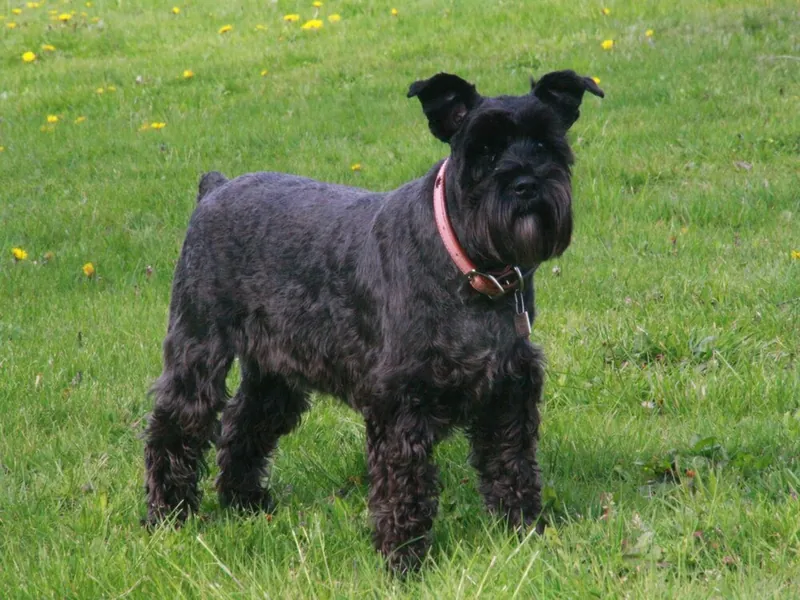
The Miniature Schnauzer is a small, sturdy German farm dog with bushy eyebrows, a beard and a big-dog attitude.
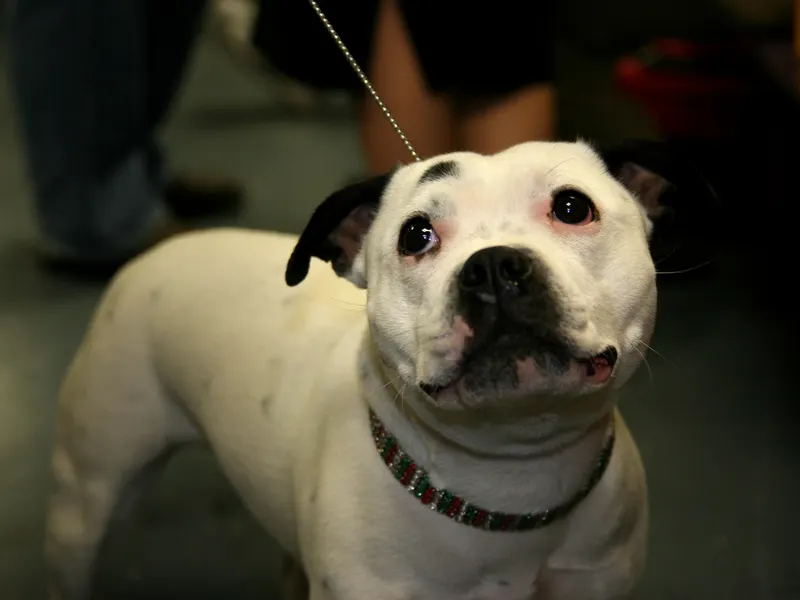
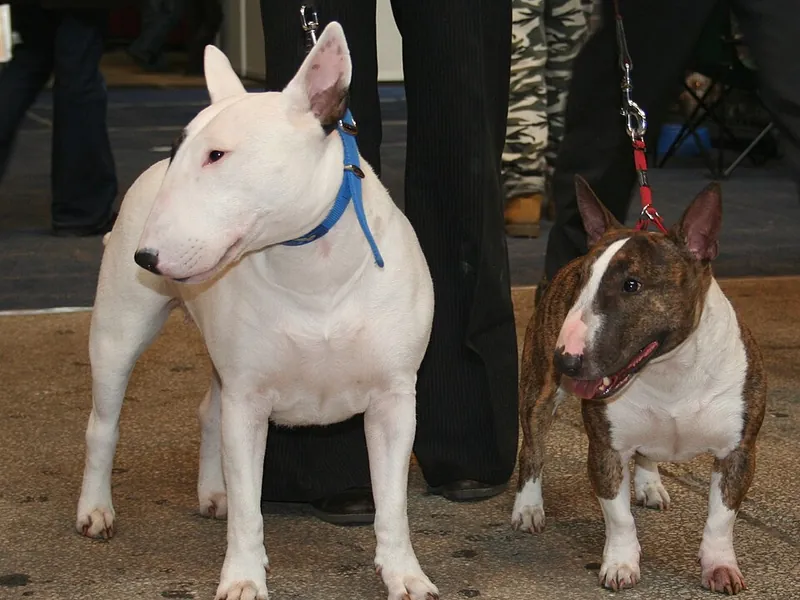
A muscular, compact bull terrier with a famously affectionate, people-loving nature and plenty of enthusiasm.
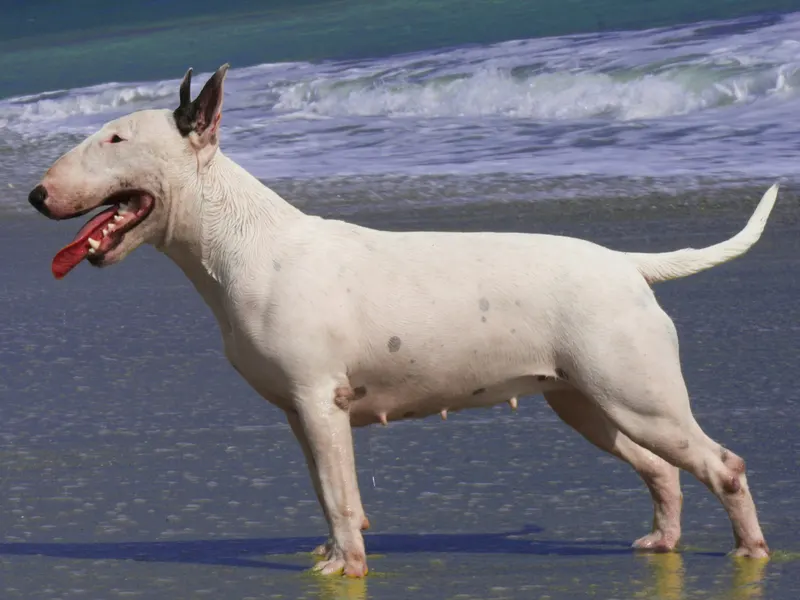
Instantly recognized by its egg-shaped head, the Bull Terrier is playful, clownish and strong-willed.
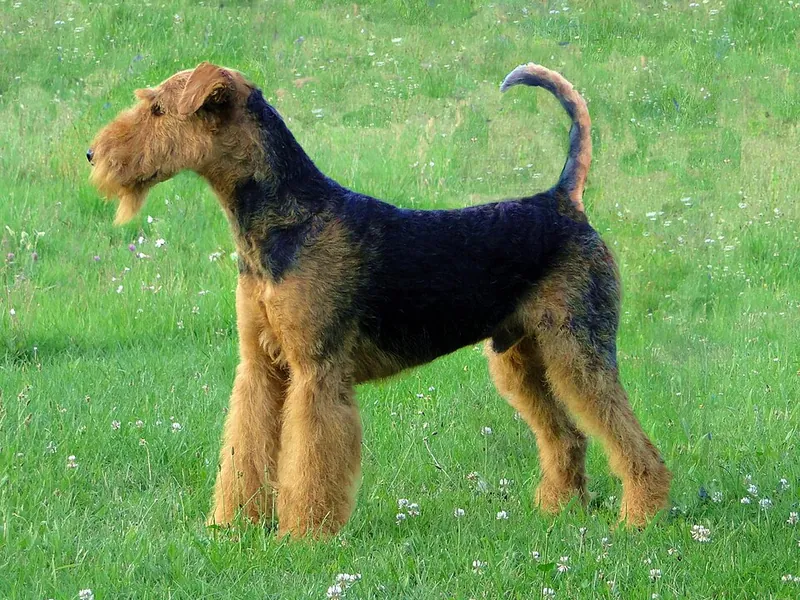
The King of Terriers is the largest terrier breed, versatile, clever and full of energy.
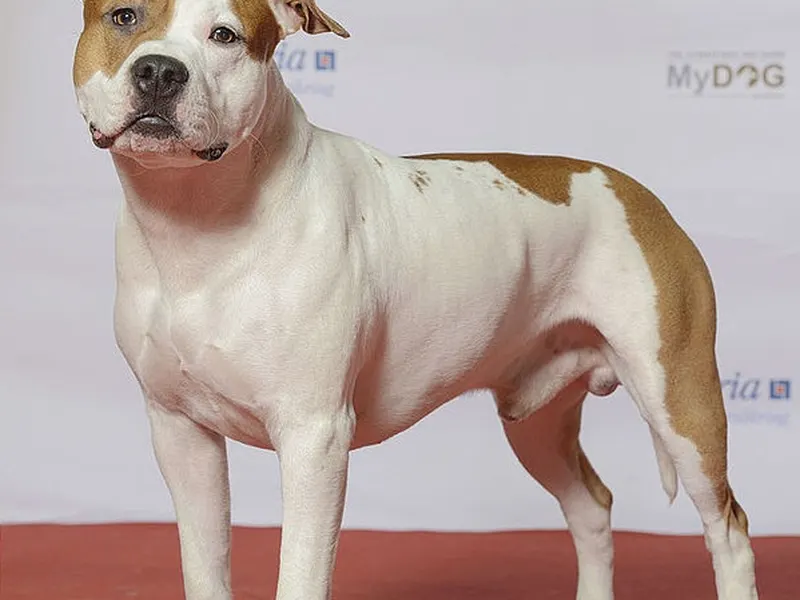
A strong, athletic bull-type terrier that is loyal and affectionate with its family and needs consistent training.
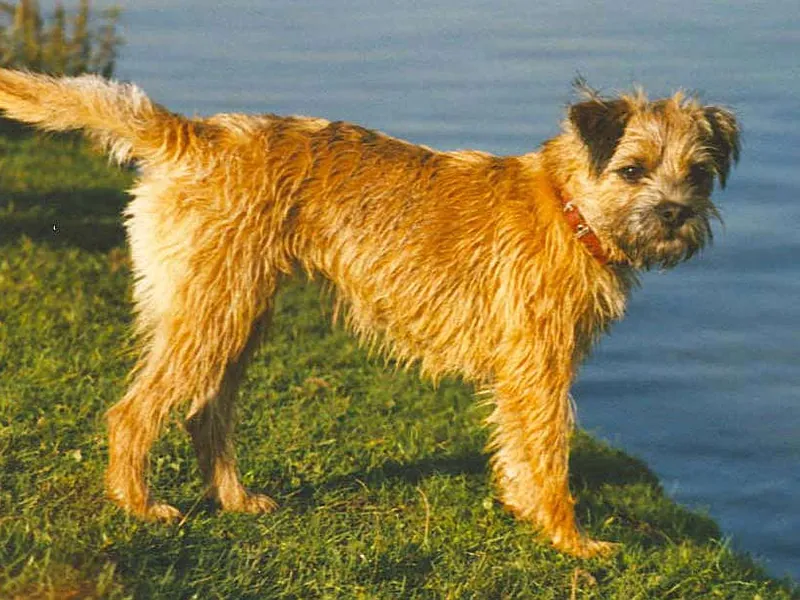
A hardy little working terrier with an otter-shaped head, known as one of the more easygoing terriers.
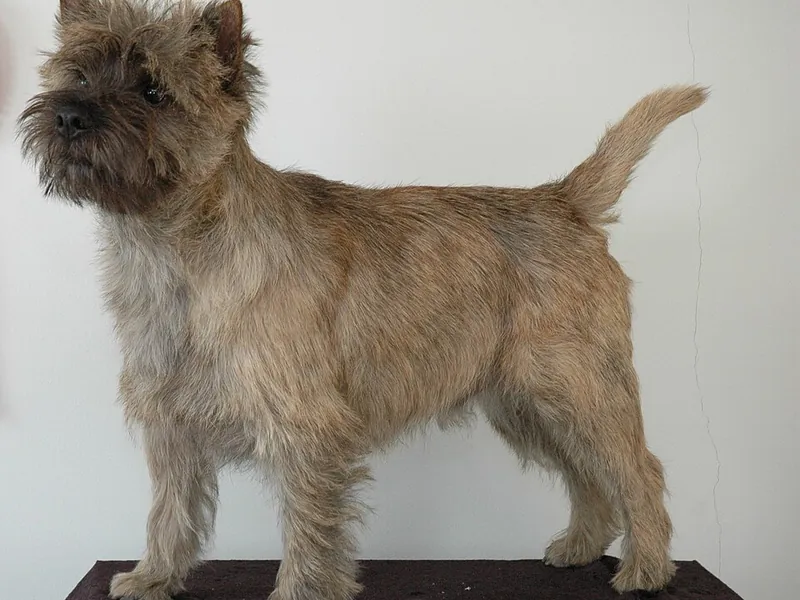
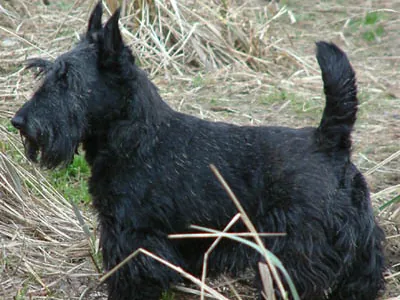
A small, shaggy Scottish terrier bred to work among rock piles, cheerful, curious and independent.
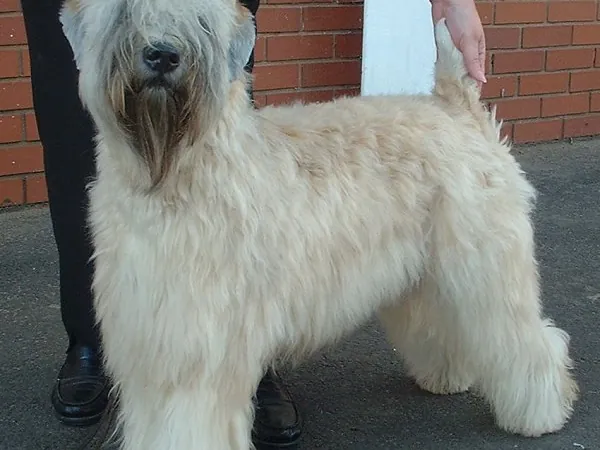
A silky, wheaten-colored coat and a bouncy, friendly temperament make this terrier a lively companion.
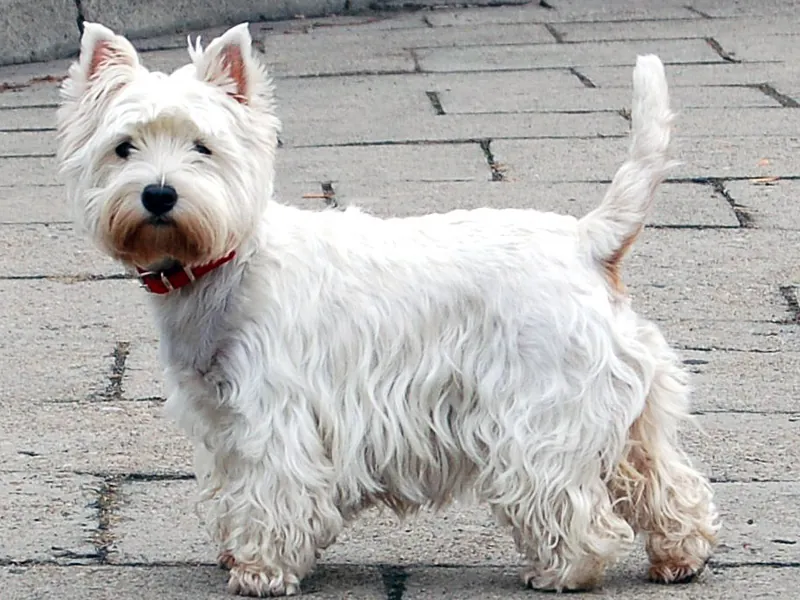
The Westie is a bright white, sturdy little terrier with a confident, self-assured attitude.
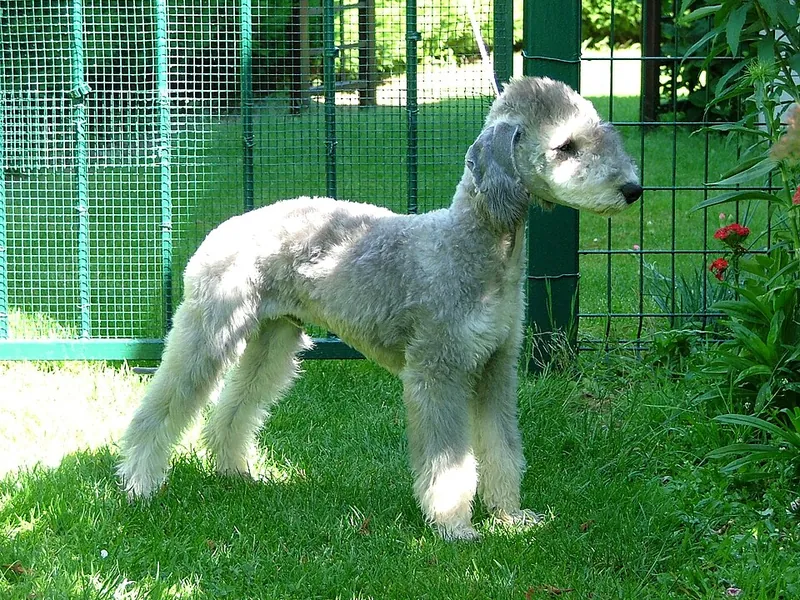
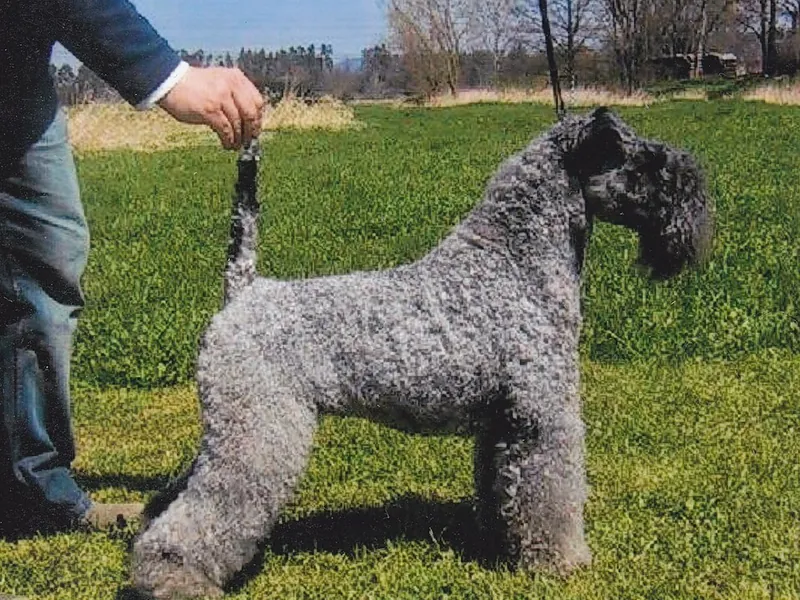
Lamb-like in appearance with a curly coat, the Bedlington is gentle at home but quick and agile outdoors.
All Terrier Breeds A to Z
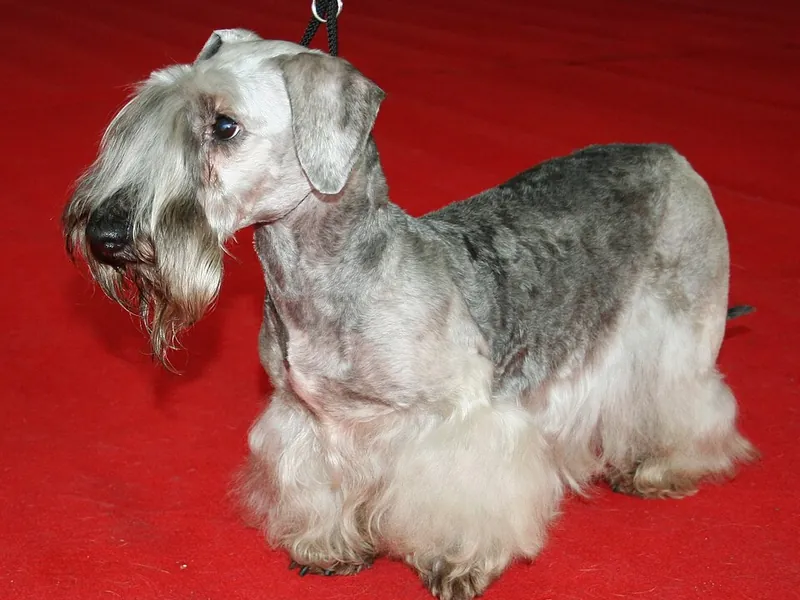
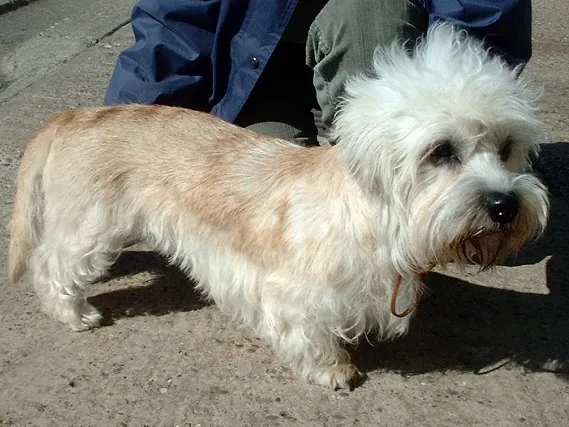
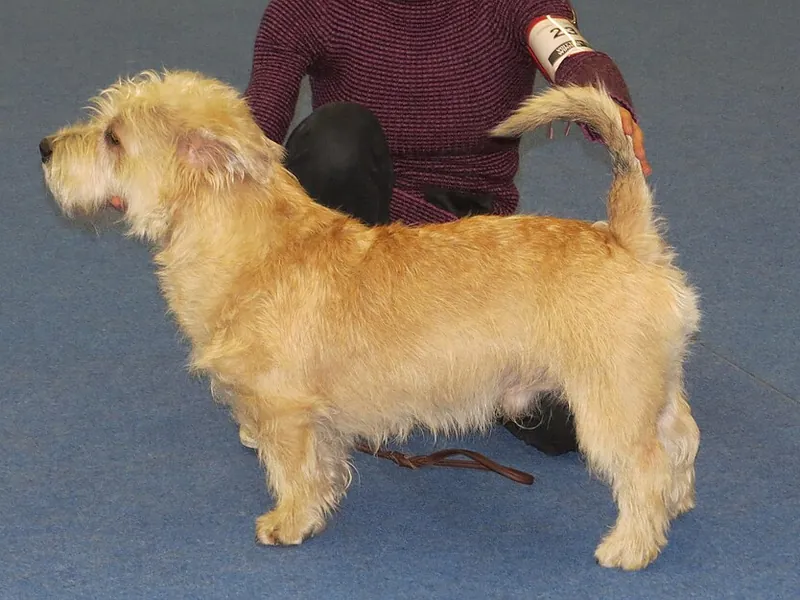
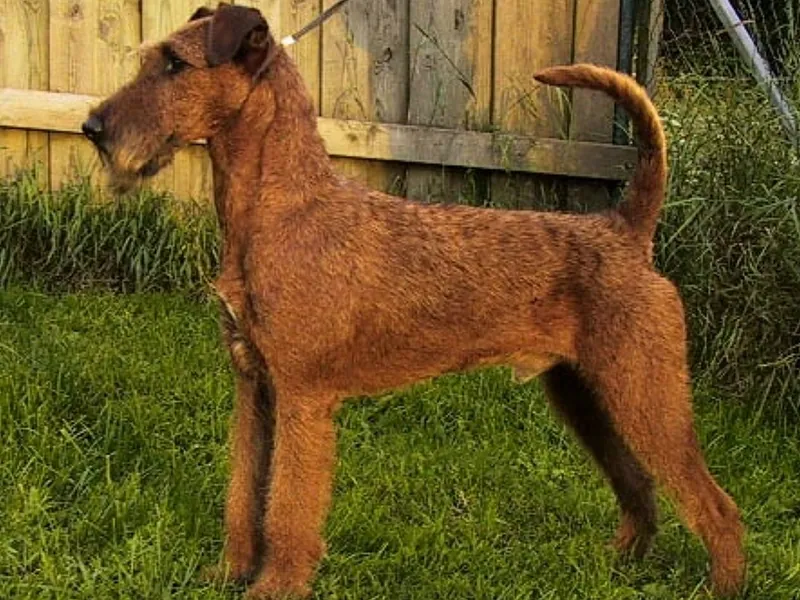
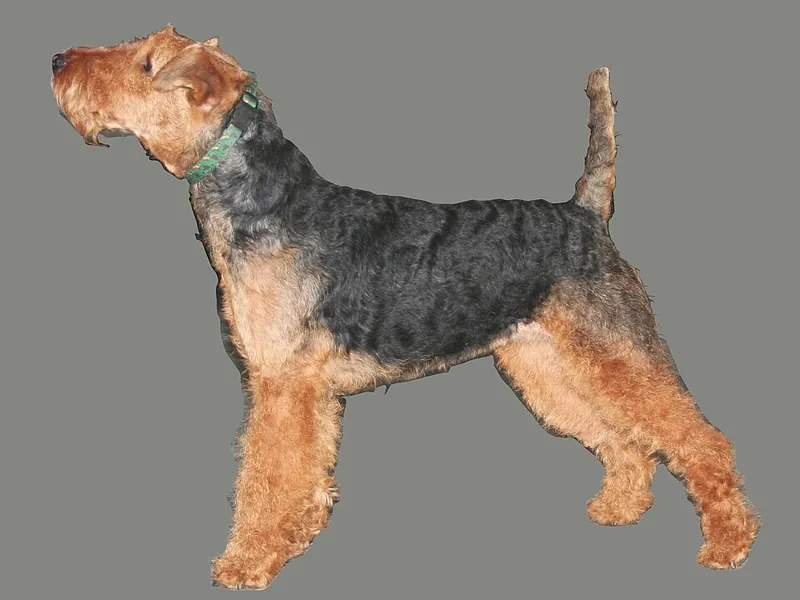
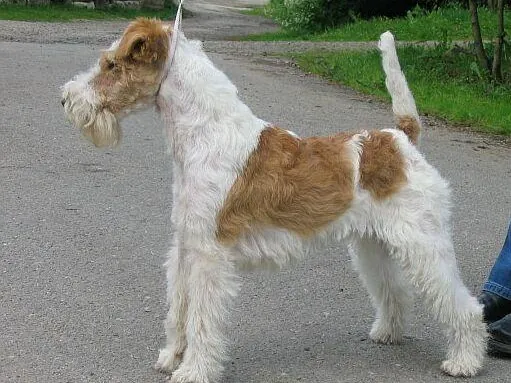
What makes a terrier
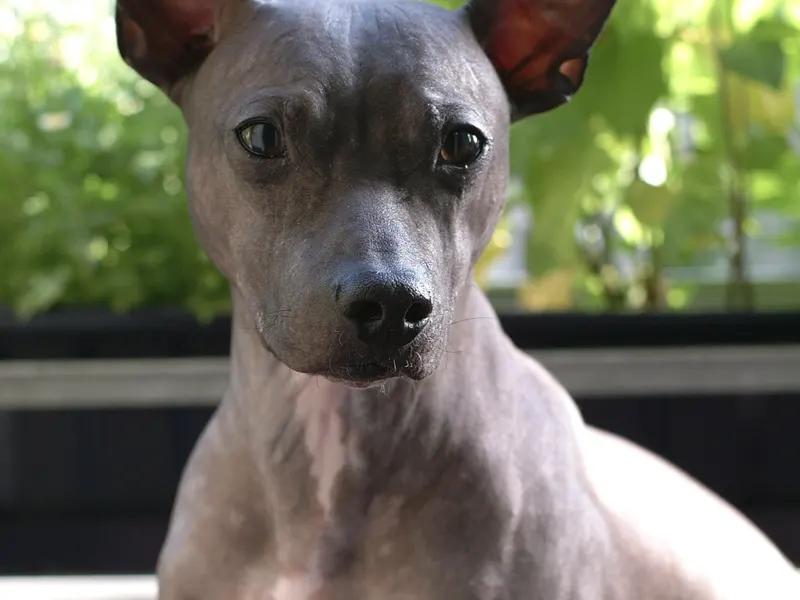
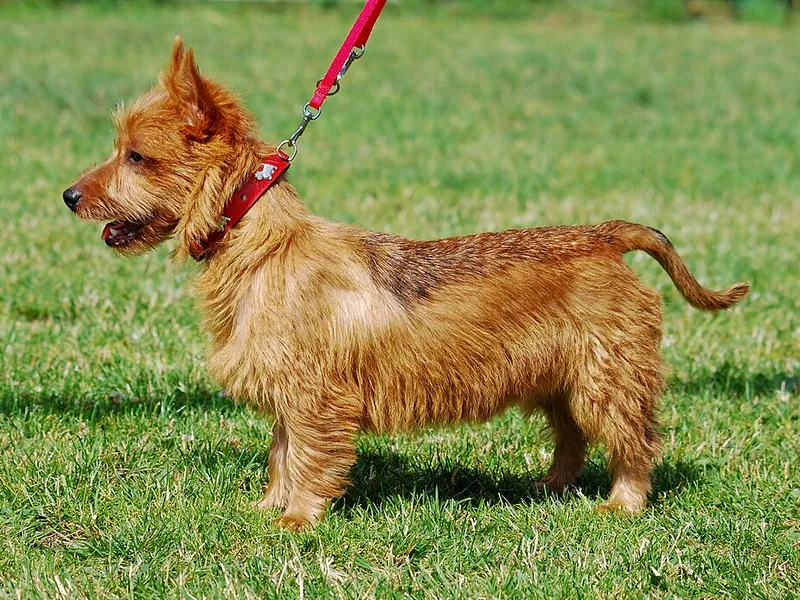
The word terrier comes from the Latin word terra, meaning earth, because many terriers were bred to go to ground after foxes, badgers and rats. Most developed in Britain and Ireland, with others from Germany, Australia, Japan, Brazil and Spain. In the AKC system most belong to the Terrier Group, though small companion terriers like the Yorkshire Terrier and Silky Terrier are placed in the Toy Group.
Main terrier types
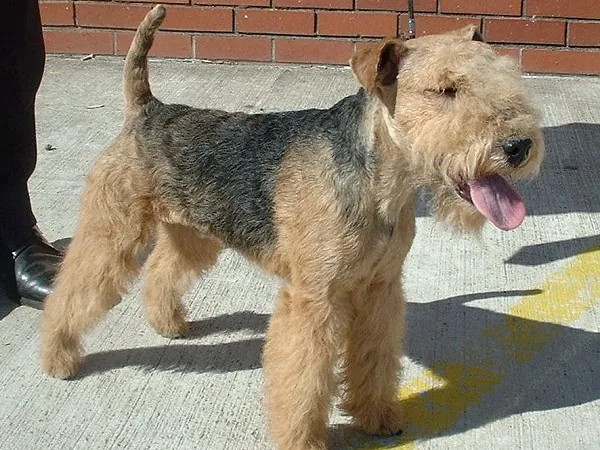
- Long-legged terriers such as the Airedale, Irish Terrier, Welsh Terrier and Wire Fox Terrier, bred to run with hunters and bolt quarry.
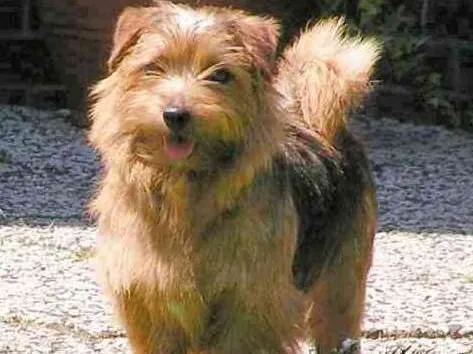
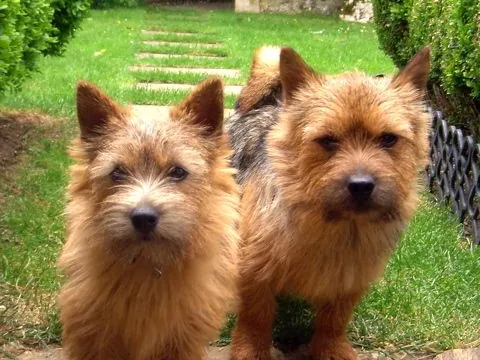
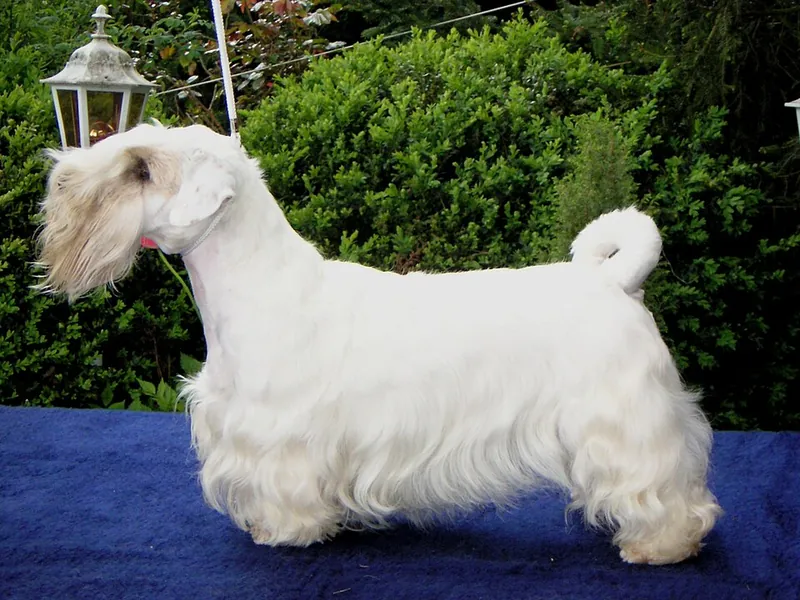
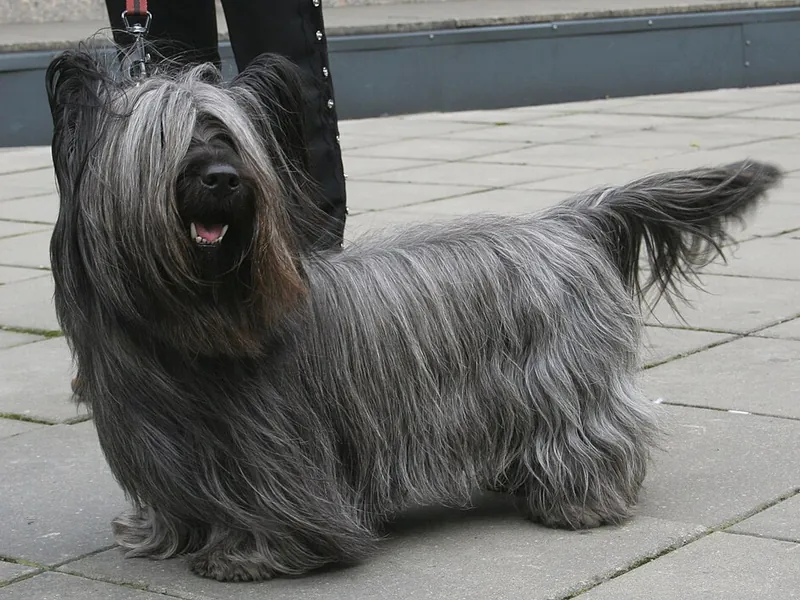
- Short-legged terriers such as the Cairn, Westie, Scottish, Norfolk, Norwich, Dandie Dinmont and Skye Terrier, built to dig and squeeze into dens.
- Bull-type terriers such as the Staffordshire Bull Terrier, American Staffordshire Terrier, Bull Terrier and Miniature Bull Terrier, strong and very people-oriented.
- Toy terriers such as the Yorkshire Terrier, Silky Terrier and English Toy Terrier, small companions with terrier spirit.
Living with a terrier
Terriers are smart, confident and usually very playful, but they were bred to make decisions on their own. Expect strong prey drive, enthusiastic digging and a voice they like to use. Many terriers do not tolerate other dogs as easily as some breeds, and small pets may trigger their chase instinct. Short, varied, reward-based training sessions work best, and a secure fence is a must.
Early socialization pays off with terriers more than with many groups. Introduce puppies calmly to other dogs, people, sounds and handling, and give them legal outlets for their instincts: a digging box, flirt pole games, scent work or earthdog trials. A terrier with a job is usually a much happier and easier companion.
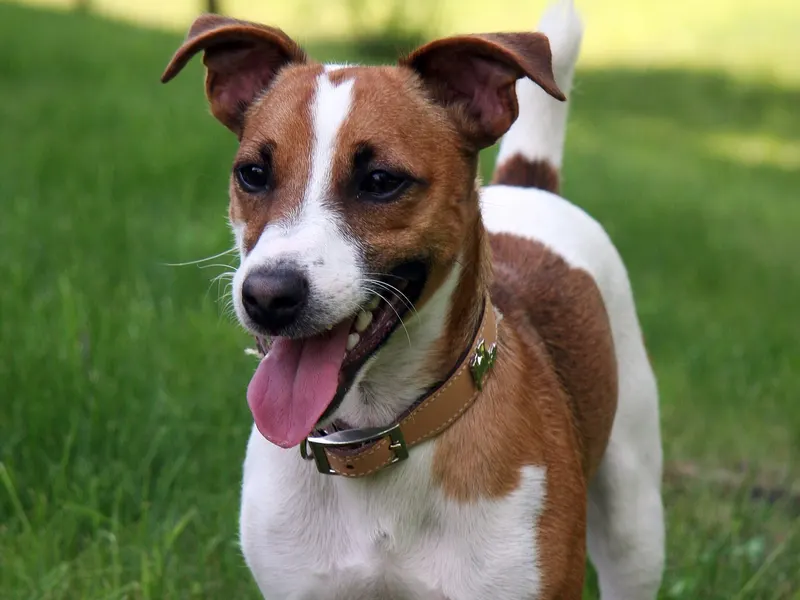
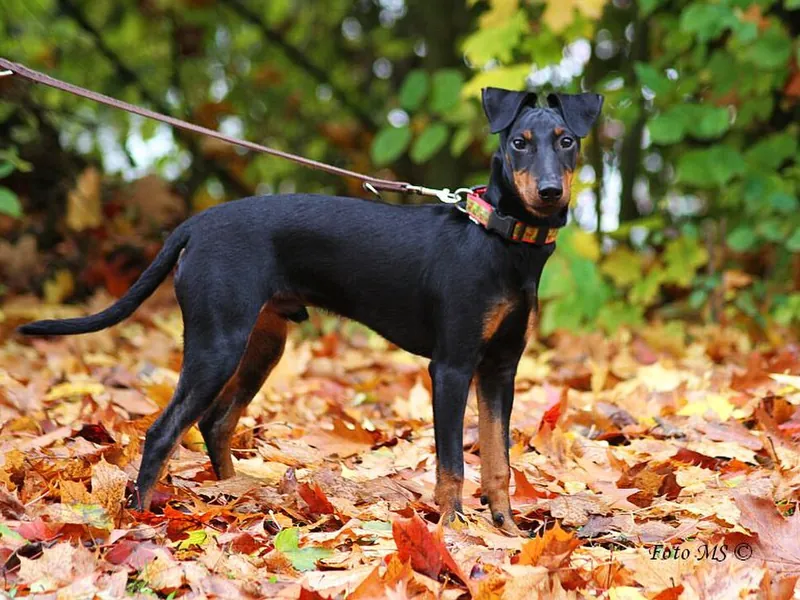
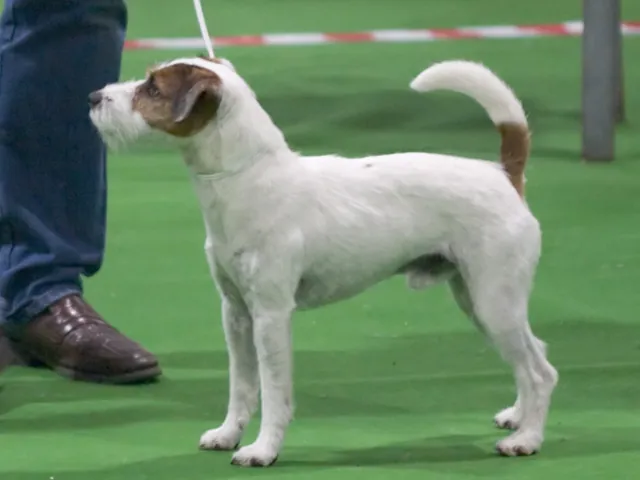
The Border Terrier and Soft Coated Wheaten Terrier are often considered more adaptable choices, while the Jagdterrier and Parson Russell Terrier are high-drive working dogs for active owners.
Coat care
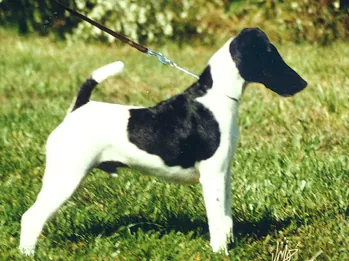
Many terriers have a wiry double coat. To keep the harsh texture and color, it is traditionally hand-stripped, which means pulling out dead hair by hand a few times a year. Clipping is easier but softens the coat. Silky or soft-coated terriers like the Yorkshire Terrier and Wheaten need regular brushing and trims. Smooth-coated terriers like the Smooth Fox Terrier and Manchester Terrier are the easiest to groom.
Health notes
Terriers are generally hardy, and many small terriers are long-lived. Breed-specific issues include skin allergies in some white terriers like the Westie, kneecap problems in small breeds, and copper storage disease in the Bedlington Terrier, for which DNA testing is available. Choose breeders who test for the known conditions in their breed.
Frequently Asked Questions
Are terriers good family dogs?
Many are, especially the Border Terrier, Soft Coated Wheaten Terrier and Staffordshire Bull Terrier. They need training, exercise and supervision around small pets.
What is the largest terrier breed?
The Airedale Terrier is the largest terrier and is often called the King of Terriers.
Do terriers bark a lot?
Many terriers are vocal and alert. Training, exercise and mental stimulation help keep barking under control.
Are terriers good with cats?
Some live happily with cats they grow up with, but strong prey drive makes careful introductions and supervision important.
What does hand-stripping mean?
Hand-stripping is pulling out loose, dead hair from a wire coat to keep its harsh texture. Many owners use a groomer for it.
Not sure which breed fits you?
Answer 8 quick questions and get breeds ranked for your home, schedule and experience.