Scottish TerrierThe dignified, independent Highland terrier
The Scottish Terrier is a short-legged, sturdy terrier from the Scottish Highlands, known for its beard, eyebrows and dignified bearing. It is loyal, confident and independent, with a strong watchdog instinct. It suits owners who appreciate a self-assured small dog and will invest in grooming and consistent training.
Why people love the Scottish Terrier
- Loyal and dignified with its family
- Calm indoors and adaptable to apartments
- Low shedding with regular grooming
- Alert watchdog in a small package
- Copes reasonably well with moderate time alone
Things to consider
- Independent and stubborn in training
- Can be intolerant of other dogs
- Coat needs regular stripping or clipping
- Higher risk of bladder cancer and Scottie cramp
- Better with older children than toddlers
Is this breed right for you?
10 questions · live resultHistory and Origin
Short-legged terriers were used in the Scottish Highlands for centuries to hunt foxes, badgers and rodents in rocky terrain. The Scottish Terrier emerged from this group in the 19th century, and the Aberdeen area was an important breeding center, giving the breed its early name, Aberdeen Terrier.
Captain Gordon Murray wrote one of the first breed standards in the 1880s. The breed came to the United States in 1883, and the AKC recognized it in 1885. President Franklin D. Roosevelt's Scottie, Fala, made the breed famous in America.
Size, Colors and Coat
The Scottish Terrier is a short-legged, compact and sturdy terrier with a long head, heavy bone and a powerful build for its size. It stands about 10 to 11 inches at the shoulder and weighs roughly 19 to 23 lb. Males and females are close in height, but males are typically slightly heavier with broader heads.
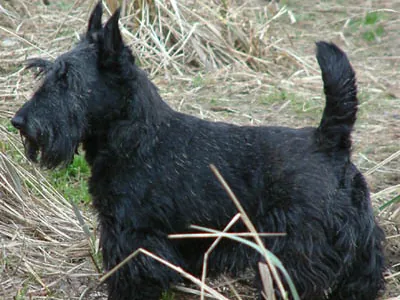
The body is moderately short, with a deep chest and a straight back. The head is long, with prick ears, small dark almond-shaped eyes, bushy eyebrows and a prominent beard. The tail is carried upright with a slight curve.
The coat is a hard, wiry outer coat with a soft, dense undercoat. Leg furnishings and the beard are longer. Recognized colors include:
- Black, the best-known color
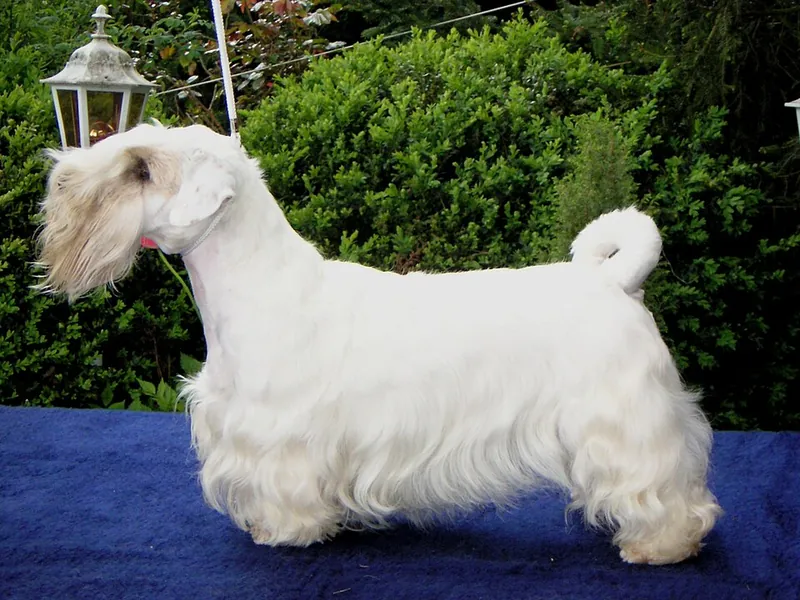
- Wheaten, from pale cream to golden
- Brindle of any color
A few white or silver hairs are accepted, and a small white mark on the chest is permissible.
Temperament and Personality
Scotties are independent, dignified and loyal. They often bond closely with one or two people and are reserved with strangers. They are alert watchdogs and will bark at visitors.
They can be territorial and may not tolerate other dogs, especially unfamiliar ones. Small pets may be chased. Scotties are generally better with older, respectful children than with toddlers.
Scotties are often described as having a big-dog personality in a small body. They are usually calm indoors, enjoying quiet companionship and observing their surroundings from a favorite spot. Their self-confidence can come across as aloofness, but they are loyal and affectionate with their own people.
Is the Scottish Terrier Good for First-Time Owners?
It can be, for a patient first-time owner who appreciates an independent dog. The Scottie's moderate exercise needs and calm indoor manner make it easier to live with than many terriers.
Beginners should expect stubbornness in training, a tendency to be selective with other dogs and the need for regular grooming, including stripping or clipping. Consistent rules, early socialization and short, rewarding training sessions help. First-time owners should also budget for professional grooming and vet care for known breed conditions.
Do Scottish Terriers Bark a Lot?
They bark a moderate amount, mainly as watchdogs. Scotties alert their owners to visitors and unusual noises, and their bark is surprisingly deep for their size.
Barking tends to increase when the dog is bored or lacks clear rules. Teaching a quiet cue early, rewarding calm behavior and providing enough mental and physical exercise keep barking in check. Scotties are usually calm indoors and do not bark constantly, but they may react strongly to dogs passing the house. In apartments, early desensitization to hallway noises helps reduce alert barking.
Are Scottish Terriers Easy to Train?
Not especially. Scotties are intelligent but independent and stubborn, a trait bred into dogs that had to make decisions underground.
Training works best with short sessions, food rewards and clear, consistent rules. Repetitive drills bore them, and harsh corrections tend to make them dig in their heels. House training is usually straightforward with a routine. Recall is challenging because of the breed's prey drive, so keep Scotties on a leash outside secure areas. Many enjoy scent work and earthdog games, which use their natural instincts.
Exercise and Training
Daily walks and play sessions are usually enough. Scotties enjoy digging games, earthdog trials and scent work.
Training requires consistency and patience. Scotties are intelligent but stubborn and may resist repetitive drills. Use rewards, short sessions and clear rules. Keep them leashed outside secure areas, as their prey drive can override recall.
Scotties are not built for long runs, but they enjoy brisk daily walks and exploring with their nose. Their short legs make jumping onto furniture and steep stairs a strain, so ramps or steps can help in later life.
Grooming and Shedding
The harsh, wiry outer coat and soft undercoat shed little but need regular care:
- Brush several times a week, paying attention to the beard and leg furnishings
- Hand-strip or clip every few months to maintain shape
- Wipe the beard after meals
Many owners use a professional groomer familiar with terriers.
Colors include black, wheaten and brindle.
Feeding and Nutrition
Scotties are sturdy and can gain weight easily, especially as they age and slow down. Keep the dog lean, with a visible waist and ribs easy to feel under the coat. Extra weight strains the back and joints of this short-legged breed.
- Feed adults two meals a day; puppies usually get three or four meals until around six months.
- Use part of the daily ration for training rewards.
- Wipe the beard after meals to keep it clean and prevent staining.
Scotties have a higher risk of bladder cancer than many breeds. One study found that Scotties eating vegetables several times a week had a lower risk; discuss with your vet whether adding vegetables suits your dog, but do not view any food as a cure. Skin allergies occur in the breed, and persistent itching may need a vet-guided elimination diet. Cushing's disease can cause increased thirst and appetite, so report changes to your vet.
| Adult weight | Less active | Typical adult | Very active |
|---|---|---|---|
| 19 lb | 490 kcal | 560 kcal | 700 kcal |
| 23 lb | 570 kcal | 650 kcal | 810 kcal |
Estimates use the resting energy formula veterinarians work with (70 × body weight in kg0.75) and standard activity factors. Use the feeding guide on your food as a starting point and adjust to body condition. Puppies, seniors, pregnant animals and pets that need to lose weight have different needs, so ask your vet.
Health and Lifespan
Scotties typically live 10 to 12 years. Health concerns reported by the PDSA and breed clubs include:
- Scottie cramp: a neurological condition causing episodes of muscle stiffness, usually triggered by excitement or stress
- Von Willebrand's disease: a bleeding disorder, with a DNA test available
- Deafness, luxating kneecaps and lens luxation
- Skin allergies, heart disease and Cushing's disease
- An increased risk of bladder cancer compared with many breeds
The breed's short legs and large head can also make birth difficult, and caesarean sections are common. Choose breeders who DNA test for vWD and screen for other conditions.
Scottish Terrier Price and Cost of Ownership
Typical breeder price in the US$1,500 to $3,000
A Scottish Terrier puppy from a reputable US breeder typically costs around $1,500 to $3,000. Prices vary by breeder, region and lines. Ask for von Willebrand's disease DNA test results and other screening on both parents.
Scottie rescues regularly place adult dogs, often with known temperament and health history. Adoption fees are usually modest.
Breed-specific ongoing cost drivers include:
- Professional grooming every few months for stripping or clipping, the biggest routine expense
- Testing and monitoring for von Willebrand's disease before any surgery
- Urine screening for bladder cancer, which some vets recommend for older Scotties
- Treatment for skin allergies
- Pet insurance covering cancer and Cushing's disease
Is the Scottish Terrier Right for You?
A Scottie is a good match for adults or families with older children, apartment or house dwellers and owners who appreciate an independent, dignified dog. It copes reasonably well with moderate time alone.
It is less ideal for homes with other dogs or small pets, owners wanting an easily obedient dog, or those not prepared for regular grooming.
Scottish Terrier Traits at a Glance
Scottish Terrier FAQ
How big do Scottish Terriers get?
They stand about 10 to 11 inches tall and weigh roughly 19 to 23 lb.
Are Scottish Terriers good family dogs?
They are loyal to their families but do best with older, respectful children.
Do Scottish Terriers shed?
They shed little, but their coat needs regular brushing and stripping or clipping.
What is Scottie cramp?
It is an inherited neurological condition causing temporary muscle stiffness, usually triggered by excitement or exercise.
How long do Scottish Terriers live?
Typically 10 to 12 years.
Are Scottish Terriers good with other dogs?
They can be selective or intolerant with other dogs, so early socialization is important.