Wire Fox TerrierThe fearless, lively British terrier
The Wire Fox Terrier is a lively, confident terrier with a crisp wiry coat and a big personality. Playful, alert and always ready for action, it suits active families who enjoy a spirited dog and can manage its strong prey drive.
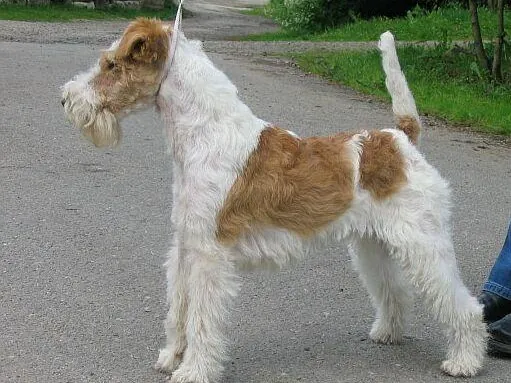
Why people love the Wire Fox Terrier
- Playful, energetic companion that often suits active children
- Low shedding when the coat is kept correctly
- Compact size adapts to apartments with enough exercise
- Bright and quick, excels in agility and earthdog
- Typical lifespan of 12 to 15 years
Things to consider
- Strong prey drive puts cats and small pets at risk
- Hand-stripping or regular professional grooming adds work and cost
- Can be vocal and bark at noises
- Digs and may challenge larger dogs
- Recall is unreliable outside fenced areas
Is this breed right for you?
10 questions · live resultHistory and Origin
Fox terriers were developed in England to flush foxes from their dens for mounted hunts. The wire and smooth varieties shared roots but were eventually separated; the AKC recognized them as distinct breeds in 1985.
The Wire Fox Terrier became a star of the show ring and pop culture, with more Westminster Best in Show wins than any other breed. Asta from The Thin Man films and Snowy from The Adventures of Tintin are famous examples.
The Wire's ancestry is thought to include rough-coated working terriers from Wales, Durham and Derbyshire. The breed was refined in the late 1800s, and its sharp, stylish outline became a hallmark of the terrier group at dog shows.
Size, Coat and Colors
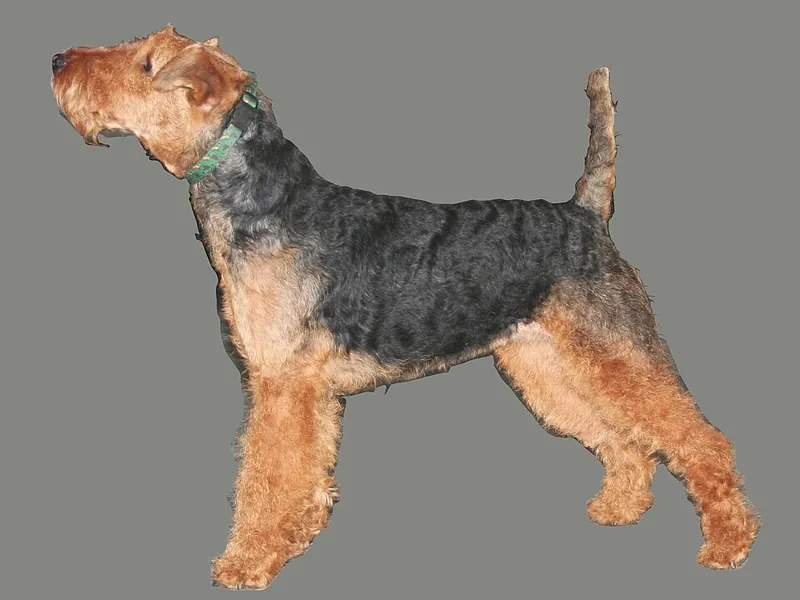
The Wire Fox Terrier is a short-backed, square, balanced terrier with a long, flat head, small V-shaped ears that fold forward, dark eyes full of expression and a high-set, upright tail. Its look is crisp and alert, and the outline should suggest speed and endurance.
Adults stand up to about 15 inches and weigh roughly 15 to 18 lb. Males are typically at the top of the height range and slightly heavier, while females are a little smaller and finer.
The coat is dense and wiry, with a broken, twisted texture on top and a short, soft undercoat. The furnishings on the legs and muzzle form the characteristic beard. Colors are:
- white predominating, usually with tan, black and tan, or black markings
- head markings often in tan, with a black saddle on the body
Brindle, red, liver or slate blue are considered objectionable in the standard. A coat that is clipped instead of stripped becomes softer and the colors fade, so show dogs are always hand-stripped.
Temperament and Personality
Wires are energetic, fearless and affectionate. They love to play, and they usually do well with children who enjoy active games. They are alert watchdogs and can be quite vocal.
Their prey drive is strong, and they may chase cats and small animals. Some can be pushy with other dogs. Early socialization helps.
Wires are often described as being on their toes, always watching for something to happen. They have a sense of fun that makes them entertaining companions, but they can also be bold enough to challenge larger dogs, so supervision at the dog park is wise.
Are Wire Fox Terriers Good for First-Time Owners?
They can be, if the new owner is active, patient and ready for a lively terrier. Wires are affectionate, playful and quick to learn, but they are also independent and easily bored.
First-time owners usually struggle with three things: barking, chasing and coat care. Start training and socialization early, use short, varied sessions and teach a quiet cue. Keep the dog leashed outside fenced areas and avoid homes with small pets unless you are confident in management. Plan grooming appointments with a groomer who understands terrier coats. A beginner wanting a calm, quiet dog will find a different breed easier.
Are Wire Fox Terriers Good With Cats?
Often not, though it depends on upbringing. Wire Fox Terriers were bred to pursue foxes, and their prey drive remains strong. Cats that run, especially unfamiliar or outdoor cats, may be chased.
A Wire raised from puppyhood with a confident, calm cat can learn to live with it, and some households manage well. Introduce them carefully, keep the dog on a leash at first, give the cat dog-free areas and supervise until the relationship is clearly stable. Rabbits, rodents and birds are a much bigger risk and should be kept fully separated.
Are Wire Fox Terriers Good Apartment Dogs?
Yes, with the right routine. At about 15 to 18 lb, Wires fit comfortably in apartments, and their low shedding helps keep a small home tidy.
The key is energy management. Plan for an hour or more of activity daily, including brisk walks, play and training games. Without that, a Wire is likely to bark at hallway noises, chew or race around the apartment. Barking is the main issue with neighbors, so teach a quiet cue early and reward calm behavior at the window or door. Puzzle toys and short training sessions help on rainy days.
Exercise and Training
Plan for an hour or more of daily activity, mixing walks, play and training. They excel in agility, earthdog and barn hunt.
Training should be consistent, short and fun. They are clever but independent. Keep them leashed outside fenced areas. Secure fencing is important, as they dig.
A bored Wire will find its own entertainment, often by digging, barking or chewing. Rotating toys, food puzzles and short daily training sessions help channel its energy productively. Many enjoy learning tricks and respond well to food rewards.
Grooming and Shedding
The dense, wiry coat sheds little but needs regular care:
- Brush weekly
- Hand-strip a few times a year to keep texture
- Clipping is easier but softens the coat
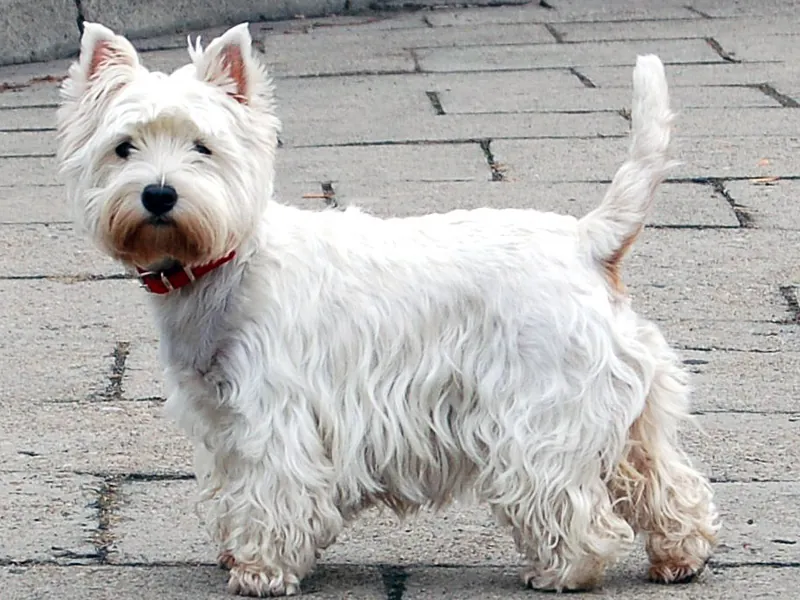
The coat is mainly white with tan and/or black markings.
Professional groomers familiar with terrier coats can help maintain the classic look. Between grooms, keep the beard clean and check the feet for mats. Regular tooth brushing is helpful, as small dogs are prone to dental problems.
Feeding and Nutrition
Wire Fox Terriers are active and usually stay lean, but neutered adults and older dogs can put on weight surprisingly fast. Keep an eye on body condition, as extra weight is hard to spot under a full wiry coat.
- Feed puppies three or four meals a day, then two measured meals for adults.
- Increase food modestly for dogs in agility, earthdog or long hikes, and reduce it for quieter seniors.
- Use food puzzles and scatter feeding to occupy a busy mind, which also reduces boredom barking.
- Keep training treats tiny, since frequent rewards are needed with an independent terrier.
Atopic dermatitis is reported in the breed. If your dog scratches, licks its paws or develops ear problems, ask your veterinarian about a structured elimination trial before trying multiple foods. Small dogs are prone to dental disease, so daily tooth brushing matters more than any chew.
| Adult weight | Less active | Typical adult | Very active |
|---|---|---|---|
| 15 lb | 410 kcal | 470 kcal | 590 kcal |
| 18 lb | 470 kcal | 540 kcal | 680 kcal |
Estimates use the resting energy formula veterinarians work with (70 × body weight in kg0.75) and standard activity factors. Use the feeding guide on your food as a starting point and adjust to body condition. Puppies, seniors, pregnant animals and pets that need to lose weight have different needs, so ask your vet.
Health and Lifespan
Wire Fox Terriers typically live 12 to 15 years. Eye conditions such as lens luxation, cataracts and glaucoma occur. Legg-Calvé-Perthes disease and patellar luxation are also reported, as is atopic dermatitis. Choose a breeder who does eye screening and DNA testing for primary lens luxation.
Watch for itchy skin or chronic licking, which may indicate allergies, and see your vet promptly about any sudden eye redness or cloudiness, since lens luxation can be an emergency.
Wire Fox Terrier Price and Cost of Ownership
Typical breeder price in the US$1,000 to $2,500
A Wire Fox Terrier puppy from a reputable US breeder typically costs about $1,000 to $2,500. Prices vary by breeder, region and lines, and puppies from successful show lines may cost more. Terrier rescues sometimes have adults available.
The biggest ongoing cost driver is coat care:
- Professional hand-stripping several times a year, which is slower and pricier than clipping
- Clipping as a cheaper alternative, at the cost of a softer coat
Other costs include secure fencing, as many Wires dig, and eye checks, since lens luxation can require urgent surgery. Insurance that covers eye conditions, knee problems and skin allergies is worth considering.
Is the Wire Fox Terrier Right for You?
A Wire suits you if you:
- Want a playful, energetic dog for an active home
- Can provide daily exercise and training
- Can manage grooming or professional hand-stripping
It is less suited to homes with small pets or those wanting a quiet dog.
The breed adapts to apartments if exercise needs are met, but be prepared for barking at noises. Wires are best with owners who appreciate a confident, lively dog rather than one that is calm and quiet.
Wire Fox Terrier Traits at a Glance
Wire Fox Terrier FAQ
Are Wire Fox Terriers good with kids?
Yes, they are typically playful and great with active children.
How big do Wire Fox Terriers get?
They stand up to about 15 inches tall and weigh roughly 15 to 18 lb.
Do Wire Fox Terriers shed?
Very little, but the coat needs regular brushing and hand-stripping.
Are Wire Fox Terriers hypoallergenic?
No dog is fully hypoallergenic, but low shedding may suit some allergy sufferers.
How long do Wire Fox Terriers live?
Typically 12 to 15 years.
Do Wire Fox Terriers bark a lot?
They are alert and can be vocal. Training a quiet cue and providing enough exercise help manage barking.