West Highland White TerrierConfident little white Highland terrier
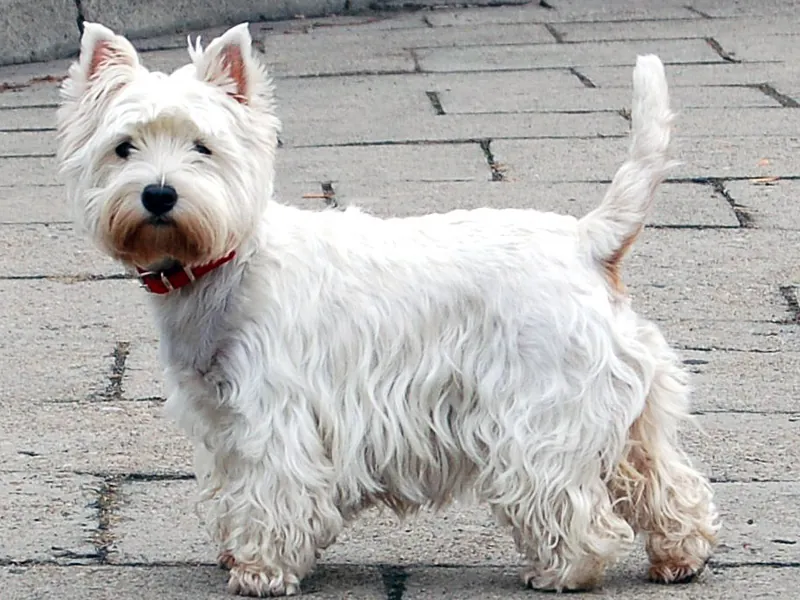
The West Highland White Terrier, or Westie, is a sturdy little white terrier from Scotland with a bold personality. Cheerful and affectionate, it suits families and apartment dwellers who can live with alert barking and keep up with skin and coat care.
Why people love the West Highland White Terrier
- Sturdy, playful small dog that enjoys children
- Adapts to apartments and houses alike
- Handles long walks better than its size suggests
- Confident and cheerful rather than nervous
- Good choice for committed first-time owners
Things to consider
- Prone to itchy skin allergies that need ongoing care
- Quick to bark at noises and visitors
- Digs and chases small animals
- White coat needs regular grooming to stay clean
- Can be stubborn during training
Is this breed right for you?
10 questions · live resultHistory and Origin
Westies come from the same family of small, rough-coated Scottish terriers as the Cairn and Scottish Terrier, bred to hunt foxes, badgers and vermin among rocks. White dogs were favored by the Malcolm family of Poltalloch in Argyll; according to breed tradition, Colonel Edward Malcolm chose white dogs so they could not be mistaken for quarry in the field.
The breed was shown under names such as Poltalloch and Roseneath Terrier before being recognized as the West Highland White Terrier by The Kennel Club in 1907. The AKC recognized it the following year.
Size, Coat and Color
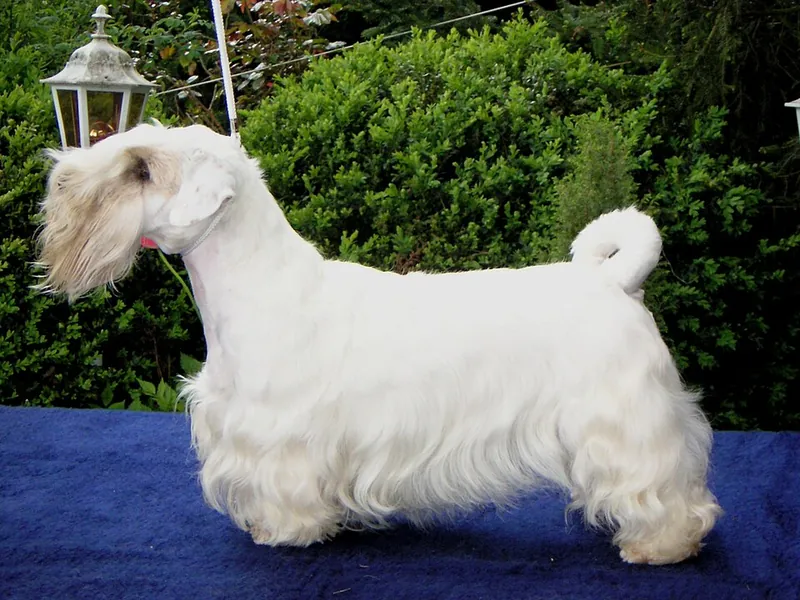
The Westie is a compact, short-legged terrier standing about 10 to 11 inches at the shoulder and weighing around 15 to 20 lb. Males are typically about 11 inches and females about 10 inches. The body is deep-chested and muscular, with a short, straight back and powerful hindquarters. The head is carried high, with small, pointed erect ears, dark almond-shaped eyes and a carrot-shaped tail held upright.
The double coat combines a straight, harsh outer coat about 2 inches long with a short, soft, close undercoat. Hair on the head is shaped into the breed's familiar round, chrysanthemum-like frame around the face.
The only accepted color is white. Wheaten tinges along the back occur in some dogs but are faults in the show ring, and a black nose, lips and eye rims are expected. Hand-stripped coats stay harsher and whiter, while clipped coats grow softer and can look slightly creamier.
Temperament and Personality
Westies are confident, friendly and full of self-esteem. They enjoy people, usually love play with children and adapt well to family life. They are alert and quick to bark at visitors and noises.
The terrier instincts remain strong: they dig, chase small animals and may challenge other dogs. Cats can be accepted if raised together, but small pets such as rodents are at risk. They tolerate some time alone but prefer company.
Westies are usually confident with visitors once the initial barking is over, and they enjoy being the center of attention.
Are Westies Hypoallergenic?
No dog is fully hypoallergenic, and Westies are no exception. They shed moderately, and a hand-stripped Westie drops relatively little hair around the home, which some people with mild dog allergies tolerate better than heavy shedders.
Allergic reactions come mainly from proteins in skin flakes, saliva and urine, not the hair itself. Westies are also prone to atopic dermatitis, and a dog with irritated, flaky skin may shed more dander than a healthy one.
If allergies are a concern, spend several hours with adult Westies before committing, keep the dog out of the bedroom, use a HEPA air filter and wash bedding often. Good skin care for the dog helps both of you.
Are Westies Easy to Train?
Westies are smart and learn quickly, but they are terriers with opinions, so training is easy only when it feels like a game to the dog. They respond well to food rewards, play and variety, and poorly to repetition or harsh corrections.
The basics usually come quickly. The harder areas are typical terrier traits:
- Recall around squirrels and other small animals, which needs years of practice on a long line.
- Barking at noises, managed with a taught quiet cue.
- Digging, which is easier to redirect to a dig box than to stop.
Many Westies enjoy earthdog trials, rally and trick training, and short, upbeat sessions build a cooperative, well-mannered dog.
Can Westies Be Left Alone?
Westies cope with being alone better than many companion breeds. An adult that has been exercised and trained to settle can usually manage about four to six hours on its own.
Problems tend to show up as barking at outside noises or digging at doors and carpets when the dog is bored. To make alone time easier:
- Give a brisk walk and a short play session before leaving.
- Offer a chew or food puzzle.
- Block window views of the street if the dog barks at passersby.
- Build up alone time gradually from puppyhood.
For full workdays, a midday walk is a good investment. Apartment neighbors will often notice a lonely Westie before you do.
Exercise and Training
About an hour of daily activity keeps a Westie content. Walks, games of fetch and scent work all suit them, and many enjoy earthdog trials.
- Keep them leashed in unfenced areas, as chasing can override recall.
- Train with short, fun sessions and food rewards; Westies can be stubborn.
- Teach a "quiet" cue to manage barking, especially in apartments.
- Provide a dig box if your garden matters to you.
Westies are tough little dogs that handle long walks and hikes better than their size suggests, as long as you build up distance gradually.
Grooming and Shedding
The double coat has a harsh, straight outer layer and a soft undercoat. Hand-stripping keeps the coat harsh and white; many pet owners clip instead, which softens the texture. Professional grooming every 8 to 12 weeks is typical.
Brush a few times a week and keep the white coat clean around the mouth and eyes. Shedding is moderate. Watch the skin closely, since redness, itching or odor can be signs of allergies.
Bathe with a mild, vet-recommended shampoo only when needed, since over-bathing can dry sensitive skin. Many owners rinse feet after walks to reduce contact with allergens.
Feeding and Nutrition
Diet matters for Westies mainly because of the breed's skin. Atopic dermatitis is common, and some dogs also react to food ingredients. If your Westie scratches, licks its paws or has recurring ear infections, ask your vet about a structured elimination diet trial rather than switching foods every few weeks. During a trial, treats and table food must follow the same rules.
Copper-associated liver disease has been reported in Westies. Your vet may check liver values on routine bloodwork, and any supplements containing minerals are worth discussing with the vet first.
- Feed adults two measured meals a day, and puppies three or four.
- Westies are food-motivated and gain weight easily, which also makes knee problems worse.
- Use small training treats counted in the daily ration.
- Wipe the beard after meals, since food residue can stain the white coat and irritate skin.
| Adult weight | Less active | Typical adult | Very active |
|---|---|---|---|
| 15 lb | 410 kcal | 470 kcal | 590 kcal |
| 20 lb | 510 kcal | 590 kcal | 730 kcal |
Estimates use the resting energy formula veterinarians work with (70 × body weight in kg0.75) and standard activity factors. Use the feeding guide on your food as a starting point and adjust to body condition. Puppies, seniors, pregnant animals and pets that need to lose weight have different needs, so ask your vet.
Health and Lifespan
Westies often live 13 to 15 years. The breed is well known for atopic dermatitis (skin allergies), which can need lifelong management. Craniomandibular osteopathy, an inherited jaw-bone disorder in growing puppies, has a DNA test.
Other reported conditions include patellar luxation, eye disease, heart problems and idiopathic pulmonary fibrosis, a lung disease of older Westies. Choose breeders who test parents and ask about skin health in the family. Contact your vet early about itching or persistent coughing.
West Highland White Terrier Price and Cost of Ownership
Typical breeder price in the US$1,500 to $3,500
A Westie puppy from a reputable US breeder typically costs about $1,500 to $3,500. Prices vary by breeder, region and lines. Ask breeders about skin health in the family and the craniomandibular osteopathy DNA test.
Westie rescues place adults and seniors regularly, often dogs with managed skin conditions, and adoption is worth considering.
The breed's main ongoing cost driver is skin care. Allergies can mean repeated vet visits, medicated shampoos, prescription medication and diet trials over many years, so insurance taken out before any skin signs appear is worth comparing. Professional grooming every 8 to 12 weeks, especially hand-stripping, adds a steady cost. Later in life, idiopathic pulmonary fibrosis and knee problems can bring further vet expenses.
Is the West Highland White Terrier Right for You?
Westies suit families, singles and seniors who want a small, sturdy and playful dog that adapts to apartments or houses. They are good choices for first-time owners willing to train consistently.
They are less suited to homes with small pets, owners who need a quiet dog or people who are not prepared for grooming costs and possible skin treatments.
West Highland White Terrier Traits at a Glance
West Highland White Terrier FAQ
Are Westies good family dogs?
Yes. They are playful, sturdy and affectionate with children, though they need supervision around small pets.
How big do Westies get?
They stand about 10 to 11 inches tall and weigh 15 to 20 lb.
Do Westies bark a lot?
Yes, they are alert and vocal. Training and enough exercise help.
Do Westies shed?
Moderately. Regular brushing and stripping or clipping keep the coat manageable.
Why do Westies have skin problems?
The breed is predisposed to atopic dermatitis, an allergic skin condition. Early vet care and good management help.
How long do Westies live?
Typically 13 to 15 years.