Miniature SchnauzerBearded, bold and always on watch
The Miniature Schnauzer is a small, sturdy German farm dog with bushy eyebrows, a beard and a big-dog attitude. It is clever, cheerful and devoted to its family, but it barks readily and its wiry coat needs regular professional grooming.
Why people love the Miniature Schnauzer
- Sheds little on furniture and clothes
- Sturdy small dog, not fragile like toy breeds
- Bright and quick to learn
- Excellent alert watchdog
- Adapts to apartments and houses alike
Things to consider
- Vocal; barks at every arrival and noise
- Professional grooming every five to eight weeks
- Prone to pancreatitis; needs careful diet
- Strong urge to chase rodents and squirrels
- Can be bossy with other dogs
Is this breed right for you?
10 questions · live resultHistory and Origin
The Miniature Schnauzer was developed in Germany in the late 1800s by breeding small Standard Schnauzers with smaller breeds, most likely the Affenpinscher and possibly the Poodle. The goal was a compact farm dog that could keep barns and stables free of rats while also alerting to strangers.
The first Miniature Schnauzer was recorded in 1888. The breed arrived in the United States after World War I, and the AKC recognized it in 1926. Unusually for a non-British breed, the AKC places it in the Terrier Group, while The Kennel Club in the UK lists it in the Utility Group.
Size, Colors and Coat
The Miniature Schnauzer is a sturdy, nearly square dog standing 12 to 14 inches and weighing about 9 to 18 lb. It is the smallest of the three Schnauzer breeds and should look robust rather than delicate. Males and females share the same height range, though males often appear slightly heavier in bone and head.
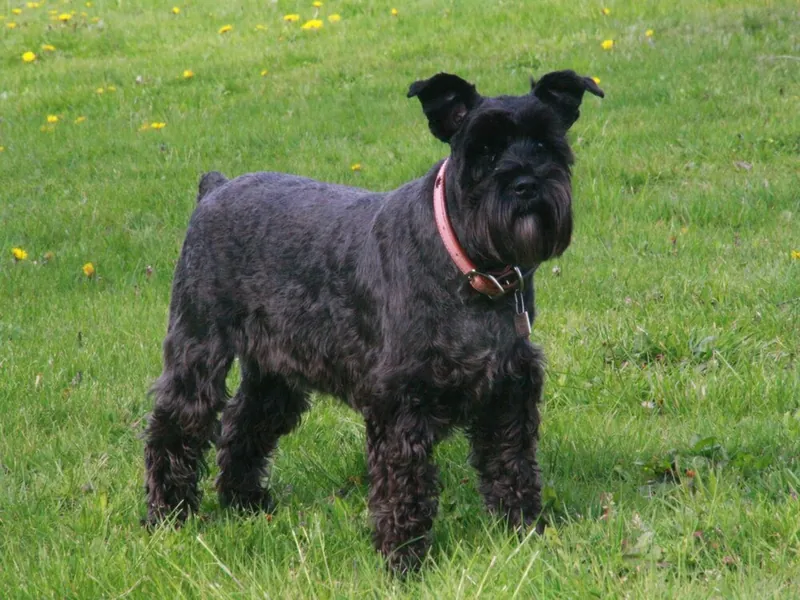
The signature look comes from the rectangular head with a bushy beard, long eyebrows and leg furnishings set against a harsh, wiry body coat with a soft undercoat. Ears may be cropped to stand erect or left natural, folding forward. Tails are docked in many US-bred dogs, while natural tails are standard in countries where docking is banned.
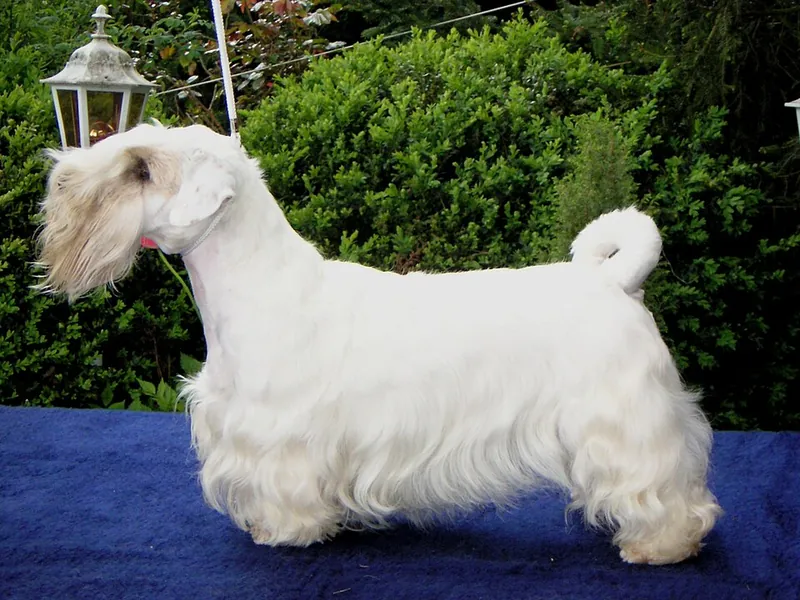
The AKC accepts three colors: salt and pepper, black and silver, and solid black. White Miniature Schnauzers are recognized by the FCI in Europe but are not accepted in the AKC show ring. Parti and liver colors are not part of either standard. Clipped pet coats tend to look softer and lighter than hand-stripped show coats.
Temperament and Personality
Miniature Schnauzers are lively, curious and very people-oriented. They like to follow their owners from room to room and are usually good with respectful children. They are confident with strangers once introduced but announce every arrival first.
Barking is a defining trait: this is a watchdog in a small package. The ratting background also shows in a strong interest in squirrels, rodents and small pets, so introductions to rabbits or hamsters need care. Some can be bossy with other dogs if not well socialized.
Are Miniature Schnauzers Good for First-Time Owners?
Yes, the Miniature Schnauzer is one of the better choices for first-time owners who want a small dog with personality.
It is eager to learn, sturdy enough to handle normal family life and does not need hours of exercise. The learning curve lies elsewhere: managing barking, booking regular grooming appointments and paying attention to diet because of the breed's tendency to high blood fats and pancreatitis. A beginner who starts a puppy class early, teaches a quiet cue and keeps table scraps off the menu usually does very well. Expect a dog that tests rules with charm, so consistency from day one matters.
Are Miniature Schnauzers Good Apartment Dogs?
Yes, Miniature Schnauzers adapt well to apartments if their barking is managed.
Their size, low shedding and moderate exercise needs make them easy indoor companions. The challenge is noise: they are watchdogs at heart and will announce footsteps in the hallway and every delivery. Start training early by rewarding calm behavior when sounds occur, block views of busy hallways or streets if the dog reacts to movement, and give at least two good walks a day plus puzzle toys. A tired, mentally busy Schnauzer barks far less than a bored one.
Are Miniature Schnauzers Good with Cats?
Many Miniature Schnauzers live peacefully with cats, especially when raised with them from puppyhood.
The breed was developed to catch rats on farms, so movement triggers interest. Indoor cats that the dog knows well are usually accepted as family, while unfamiliar cats outdoors may still be chased. Introduce a puppy to a calm, confident cat with plenty of escape routes and high perches for the cat. Adult Schnauzers with no cat experience need slower, supervised introductions, and some never settle with cats. Pet rodents and rabbits are a different matter and should be kept securely separated.
Exercise and Training
Daily walks totaling 45 to 60 minutes plus play keep most Miniature Schnauzers content. They enjoy agility, earthdog-style digging games and scent work.
They are bright and learn quickly, but they will test boundaries. Helpful approaches:
- Reward quiet behavior and teach a cue to stop barking early.
- Use a leash in unfenced areas; the chase instinct can override recall.
- Give puzzle toys and short training sessions to occupy their busy minds.
Miniature Schnauzers are also a good choice for beginners in dog sports such as rally obedience, where their quick minds shine.
Grooming and Shedding
The double coat is wiry on top with a soft undercoat. It does not shed much on furniture, but it grows continuously and needs shaping every five to eight weeks. Show dogs are hand-stripped, which keeps the harsh texture and rich color; most pets are clipped, which softens the coat over time.
Brush the beard, eyebrows and leg furnishings several times a week to prevent mats, and wipe the beard after meals. Low shedding is why many people with mild allergies consider the breed, but no dog is fully allergen-free.
Feeding and Nutrition
Diet matters more for Miniature Schnauzers than for most small breeds. The breed is prone to hyperlipidemia (high levels of fat in the blood), which raises the risk of pancreatitis, a painful and sometimes serious inflammation. For this reason many vets recommend a complete diet with moderate fat content and strict avoidance of fatty table scraps such as bacon, sausage, cheese and meat trimmings.
- Feed two measured meals a day for adults and three or four for puppies.
- Choose low-fat training rewards and count them in the daily ration.
- Keep the dog lean, as obesity adds to the risk of diabetes and pancreatitis.
Bladder stones are also reported more often in the breed. Fresh water at all times, frequent toilet breaks and your vet's advice after any urinary problem are important, since the right approach depends on the stone type. If your vet finds high blood fats on routine bloodwork, follow their guidance on a fat-restricted diet rather than adjusting portions on your own. Wipe the beard after meals to keep food residue from causing odor or skin irritation.
| Adult weight | Less active | Typical adult | Very active |
|---|---|---|---|
| 9 lb | 280 kcal | 320 kcal | 400 kcal |
| 14 lb | 390 kcal | 450 kcal | 560 kcal |
| 18 lb | 470 kcal | 540 kcal | 680 kcal |
Estimates use the resting energy formula veterinarians work with (70 × body weight in kg0.75) and standard activity factors. Use the feeding guide on your food as a starting point and adjust to body condition. Puppies, seniors, pregnant animals and pets that need to lose weight have different needs, so ask your vet.
Health and Lifespan
Miniature Schnauzers typically live 12 to 15 years. The breed is prone to high blood fats (hyperlipidemia) and pancreatitis, so a moderate-fat diet and avoiding table scraps are important. Diabetes, bladder stones and Cushing's disease are also reported more often than average.
Other issues include schnauzer comedo syndrome (blackheads along the back), atopic skin allergies and inherited eye disease such as progressive retinal atrophy. Ask breeders for eye exam results and DNA tests for known inherited conditions.
Miniature Schnauzer Price and Cost of Ownership
Typical breeder price in the US$1,500 to $3,000
A Miniature Schnauzer puppy from a reputable US breeder typically costs about $1,500 to $3,000. Prices vary by breeder, region and lines, and show-quality puppies can cost more. Be cautious with breeders advertising rare colors such as white or parti, which are not accepted by the AKC standard.
Adoption is a good option: Miniature Schnauzer rescues across the US regularly place adult dogs and seniors.
Grooming is the main breed-specific running cost. A professional clip every five to eight weeks adds up over a year, and hand-stripping costs more where available. Factor in routine bloodwork as the dog ages to monitor blood fats, liver values and blood sugar, plus possible treatment for pancreatitis, diabetes or bladder stones. Comparing insurance that covers these chronic conditions before any diagnosis is worthwhile. Regular dental cleanings are also a common expense in small breeds.
Is the Miniature Schnauzer Right for You?
This breed fits city apartments, suburban homes, families and first-time owners who want a small but sturdy, trainable dog with real personality. It enjoys walks but does not need intense exercise.
It may frustrate people who need a quiet dog, who keep small rodents as pets, or who do not want to budget for grooming every couple of months. Shared walls and a vocal watchdog can be a tricky mix without training.
Miniature Schnauzer Traits at a Glance
Miniature Schnauzer FAQ
Are Miniature Schnauzers hypoallergenic?
They shed little, which helps some allergy sufferers, but no dog is truly hypoallergenic. Spend time with the breed before committing.
How big do Miniature Schnauzers get?
They stand 12 to 14 inches tall and usually weigh 9 to 18 lb.
Do Miniature Schnauzers bark a lot?
Yes, they are alert and vocal. Training and enough activity help keep it under control.
Are Miniature Schnauzers good family dogs?
Yes. They are affectionate and playful with children, though they may chase small pets.
How often do Miniature Schnauzers need grooming?
Brush several times a week and plan a clip or hand-strip every five to eight weeks.
How long do Miniature Schnauzers live?
Typically 12 to 15 years.