Bull TerrierThe egg-headed clown of the terrier world
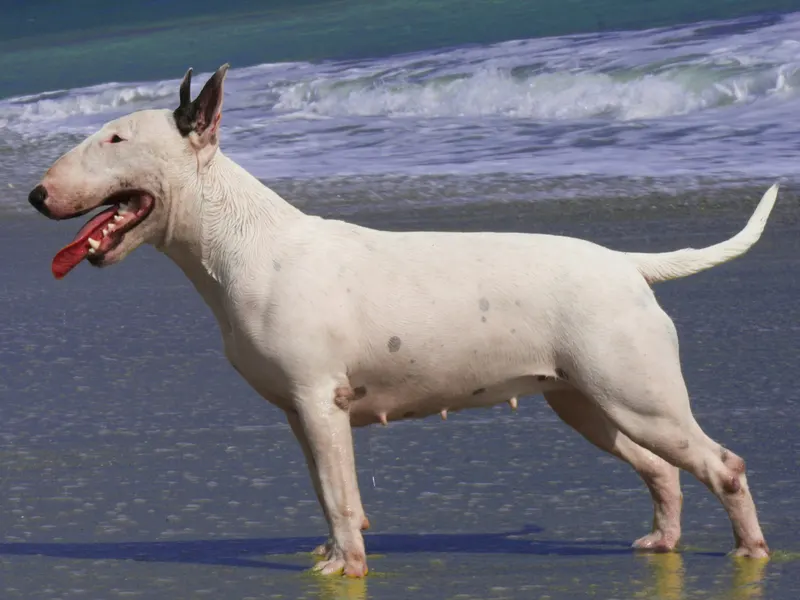
The Bull Terrier is instantly recognizable by its long, egg-shaped head and small triangular eyes, but owners remember it for its personality: comical, physical and deeply attached to its people. It is a strong, stubborn terrier that suits experienced owners who enjoy rough-and-tumble play and can set firm, friendly rules.
Why people love the Bull Terrier
- Comical, affectionate character that loves family life
- Short, flat coat is quick and easy to groom
- Sturdy and robust for rough-and-tumble play
- Usually friendly with people, including visitors
- Unique egg-shaped head makes it instantly recognizable
Things to consider
- Often intolerant of other dogs, especially same sex
- Strong prey drive puts cats and small pets at risk
- Stubborn streak, recall rarely fully reliable
- Prone to compulsive behaviors like tail chasing
- White dogs carry higher risk of deafness
Is this breed right for you?
10 questions · live resultHistory and Origin
The breed was shaped in Birmingham, England, in the 1850s and 1860s by dog dealer James Hinks. He crossed the old bull-and-terrier fighting types with the now extinct White English Terrier, and possibly Dalmatian blood, to create a cleaner-lined, all-white dog meant for gentlemen rather than the pit. These white dogs were nicknamed the White Cavalier.
Colored Bull Terriers were reintroduced in the early 20th century, partly to reduce deafness linked to the all-white coat. The distinctive downfaced, egg-shaped head developed gradually over the following decades. The Miniature Bull Terrier, which shares the same history, is now registered as a separate breed.
Size, Varieties and Colors
The Bull Terrier is a strongly built, muscular dog, typically 21 to 22 inches tall and 50 to 70 lb. Neither the AKC nor The Kennel Club sets a size limit; the standard asks for the maximum substance for the dog's size. Males are usually heavier and broader in the head and chest than females.
The defining feature is the long, oval head that curves downward from skull to nose with no stop, plus small, dark, triangular eyes set close together. The body is round, with a deep chest and short, strong back.
The AKC divides the breed into two varieties by color:
- White: pure white, with markings allowed on the head only
- Colored: any color other than white, or any color with white markings, with brindle preferred; common colors include red, fawn, black-brindle and tricolor
The coat is short, flat and harsh to the touch with a fine gloss. The Miniature Bull Terrier, standing 10 to 14 inches, is registered as a separate breed.
Temperament and Personality
Bull Terriers are playful, affectionate and often described as clowns. Many love wrestling, chasing balls and leaning their full weight against their owners. They want to be involved in everything and do not like being left out.
They are also independent and single-minded. Many do not get along with other dogs, especially of the same sex, and their strong prey drive makes cats and small pets a real risk. Because play can be boisterous, the breed usually fits best with older children who can handle a strong, bouncy dog.
Some Bull Terriers develop compulsive behaviors such as tail chasing or spinning, which is worth discussing with a vet or behaviorist early if it appears.
Are Bull Terriers Good for First-Time Owners?
Bull Terriers are generally not the easiest first dog. Their humor and affection win people over, but their strength, independence and tendency to clash with other dogs require patient, informed handling.
A committed beginner can succeed with:
- A breeder who prioritizes temperament and health testing
- Puppy and adolescent classes using reward-based methods
- A secure yard and leash walks rather than off-leash freedom
- A plan for how the dog will meet other dogs
If you have never trained a dog before, talk to breed clubs and owners first, and consider an adult dog with a known temperament.
Are Bull Terriers Aggressive?
Bull Terriers are usually friendly with people, and the breed standard calls for an even temperament that responds to discipline. They are not typically suspicious of strangers, so they make poor guard dogs.
Tension with other dogs is a different matter. Many Bull Terriers do not tolerate unfamiliar dogs, especially of the same sex, and their strength means scuffles can become serious. Early, ongoing socialization and careful management help. Some local laws and insurance policies group the Bull Terrier with bull-type breeds, so check the rules where you live before bringing one home. Compulsive behaviors and sudden mood changes should be discussed with a vet.
Are Bull Terriers Easy to Train?
Bull Terriers are intelligent but not easy to train in the traditional sense. They learn quickly when they see a reason to cooperate and lose interest fast with repetition or pressure.
What works best:
- Very short sessions of five to ten minutes
- High-value rewards, including tug and play
- Turning cues into games
- Starting impulse control and leash manners early
House training and basic manners are usually achievable. A dependable off-leash recall is the hardest goal, and many owners never fully achieve it. Harsh corrections tend to make this breed more stubborn, not less.
Exercise and Training
Plan on about an hour of activity a day: brisk walks on leash, games of tug and fetch, and scent or puzzle work to occupy the mind. A bored Bull Terrier tends to invent its own projects, which often involve chewing or digging.
Training works best in short, upbeat sessions using food, toys and play. Harsh corrections tend to make this breed dig in its heels. Start socialization with other dogs early and keep up with it throughout adolescence. A secure fence and reliable leash manners matter more than a perfect recall, which many Bull Terriers never fully develop.
Grooming and Shedding
The short, flat coat is easy to keep clean. A weekly rub with a rubber grooming mitt removes loose hair, and shedding increases during seasonal coat changes. White dogs and white patches can sunburn, so limit midday sun in summer or ask your vet about pet-safe sun protection.
Check nails and teeth regularly. The breed's unusual jaw shape can make dental problems more likely, so tooth brushing is a good habit from puppyhood.
Feeding and Nutrition
Bull Terriers are muscular, food-loving dogs that gain fat easily when underexercised. Aim for a dense, solid body with a visible waist; the ribs should be felt under a thin layer of muscle and skin.
Puppies should grow steadily on a diet suited to medium to large breeds, without being pushed to look bulky early. Extra weight on a young dog adds stress to the knees, which matters because luxating patellas occur in the breed.
Kidney disease runs in some lines. Have your vet check kidney values and urine at routine visits, and if a problem appears, follow veterinary advice on diet rather than making changes alone.
Skin allergies are fairly common. If itching, ear problems or soft stools persist, your vet may suggest a structured elimination trial. Two meals a day suits most adults. Use part of the daily ration for training and food puzzles, which also help with boredom-driven chewing.
| Adult weight | Less active | Typical adult | Very active |
|---|---|---|---|
| 50 lb | 1,020 kcal | 1,160 kcal | 1,450 kcal |
| 70 lb | 1,310 kcal | 1,500 kcal | 1,870 kcal |
Estimates use the resting energy formula veterinarians work with (70 × body weight in kg0.75) and standard activity factors. Use the feeding guide on your food as a starting point and adjust to body condition. Puppies, seniors, pregnant animals and pets that need to lose weight have different needs, so ask your vet.
Health and Lifespan
Bull Terriers usually live 12 to 13 years. Breed-related concerns include:
- Deafness, most common in white dogs. Puppies can be BAER tested.
- Kidney disease, including hereditary nephritis and polycystic kidney disease.
- Heart valve disease, such as mitral valve dysplasia and aortic stenosis.
- Lethal acrodermatitis, a rare inherited condition in white Bull Terriers.
- Luxating patellas and skin allergies.
The strongly downfaced head can be associated with dental and mouth problems. Choose a breeder who hearing-tests puppies and screens parents for kidney and heart disease.
Bull Terrier Price and Cost of Ownership
Typical breeder price in the US$1,500 to $3,500
A Bull Terrier puppy from a reputable US breeder typically costs about $1,500 to $3,500. Prices vary by breeder, region and lines, and colored puppies sometimes cost differently from whites. Ask for BAER hearing results for each puppy and kidney (urine protein ratio) and heart screening for the parents.
Breed rescues place adult Bull Terriers, often with notes on how they get along with other dogs.
Breed-specific costs to plan for:
- Treatment for skin allergies, which can be ongoing
- Kidney and heart monitoring as the dog ages
- Durable toys, since many Bull Terriers destroy soft ones
- Possible higher premiums on homeowner or renter insurance in some areas
Pet insurance taken out early helps cover allergy and orthopedic treatment.
Is the Bull Terrier Right for You?
A Bull Terrier suits active owners with dog experience, a secure yard and time to spend together every day. It is a poor fit for homes with cats or rabbits, multi-dog households with an uncertain mix, or people who are out all day. If you want a funny, loyal and very physical companion and enjoy patient, reward-based training, this breed can be hugely rewarding.
Bull Terrier Traits at a Glance
Bull Terrier FAQ
Are Bull Terriers good family dogs?
They are loving with their own family but are strong and boisterous, so they usually do best with older children. Supervision and early training are important.
How big do Bull Terriers get?
Standard Bull Terriers typically stand 21 to 22 inches at the shoulder and weigh around 50 to 70 lb, with a very muscular build for their size.
Do Bull Terriers get along with other dogs?
Many find other dogs difficult, especially of the same sex. Early socialization helps, but some Bull Terriers are happiest as the only dog.
Do Bull Terriers shed?
Yes, moderately. The short coat sheds year-round and more heavily in spring and fall, but a weekly brush keeps it manageable.
Why are some Bull Terriers deaf?
Deafness is linked to the white coat pattern. Reputable breeders BAER test litters so buyers know each puppy's hearing status.
How long do Bull Terriers live?
The typical lifespan is about 12 to 13 years.