American Hairless TerrierLouisiana's hairless terrier with real grit
The American Hairless Terrier traces back to a single hairless puppy born in a Louisiana Rat Terrier litter in 1972. It is a small, energetic terrier with a playful, trainable nature, available in hairless and coated varieties. The hairless type appeals to people with dog allergies, as long as they are ready to protect its skin from sun and cold.
Why people love the American Hairless Terrier
- Hairless variety has no coat to shed
- Normal, full dentition unlike other hairless breeds
- Playful, trainable and good with children
- Small size suits apartments if exercised
- Long-lived, often 14 to 16 years
Things to consider
- Hairless skin needs sun and cold protection
- Terrier instincts to chase and dig
- Can be bossy with other dogs
- Does not like long days alone
- Less allergy-friendly than many buyers expect
Is this breed right for you?
10 questions · live resultHistory and Origin
In 1972, a hairless female puppy appeared in a litter of Rat Terriers in Louisiana. Edwin and Willie Scott named her Josephine and set out to reproduce her hairlessness. When Josephine was later bred, she produced a hairless litter, and the Scotts used these dogs to found a new breed.
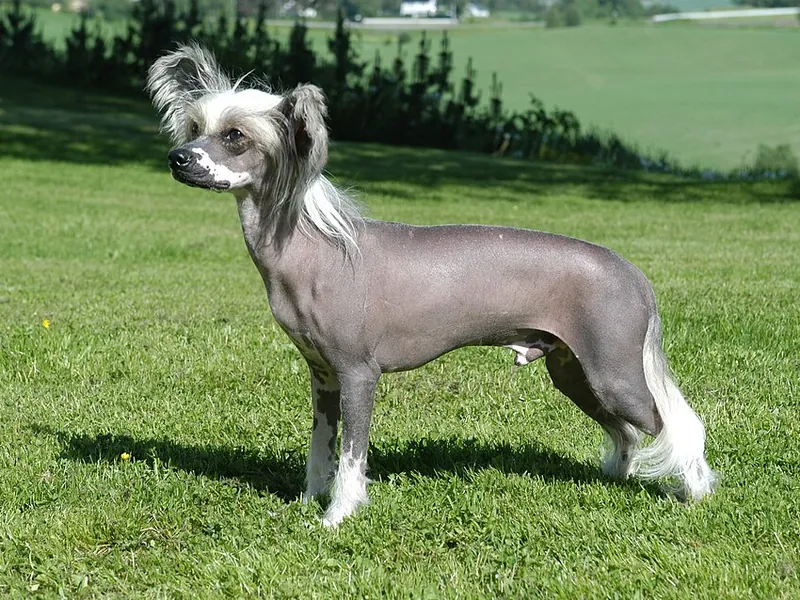
Unlike the Chinese Crested or Xoloitzcuintli, whose hairlessness comes from a dominant gene often linked to missing teeth, the AHT's hairlessness is caused by a recessive gene. Hairless AHTs therefore have normal, full dentition.
The United Kennel Club first registered the dogs as a variety of Rat Terrier and later as a separate breed. The AKC recognized the American Hairless Terrier in the Terrier Group in 2016. It is the first hairless breed developed in the United States, and The Kennel Club in the UK does not currently recognize it.
Varieties, Size and Colors
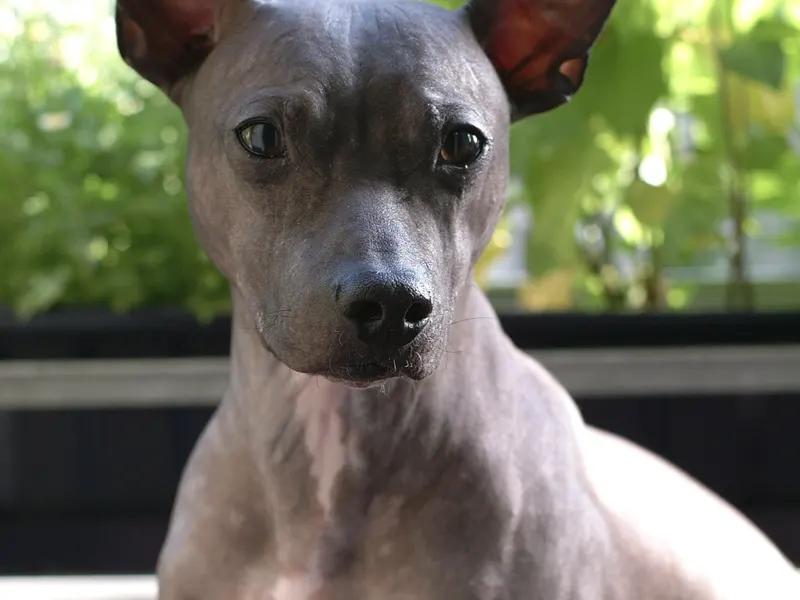
The American Hairless Terrier is a small, muscular terrier standing 12 to 16 inches at the shoulder and weighing about 12 to 28 lb. It is slightly longer than tall, with a wedge-shaped head and alert expression. Males are usually a bit more substantial than females, but size varies more between lines.
Two varieties exist:
- Hairless: born with a fine fuzz that disappears within weeks, leaving smooth, warm skin. Whiskers and eyebrows may remain.
- Coated: a short, dense, smooth coat. Coated dogs carry the hairless gene and can produce hairless puppies.
Any color or combination is allowed except merle and albinism. Hairless skin is often spotted or freckled, and the color can darken with sun exposure. Ears may be erect, semi-erect or button, and the tail is natural length. The overall look is a balanced, athletic terrier rather than a fragile toy dog.
Temperament and Personality
The AHT is a true terrier: curious, bold and busy, but generally more biddable than many terrier breeds. It is affectionate with its family, and the AKC rates it very highly with children. It is alert and protective, and will bark to announce visitors.
The breed comes from vermin-hunting Rat Terrier stock, so the instinct to chase and dig is real. Supervise around hamsters, rats or birds. With other dogs, early socialization helps, as some AHTs can be bossy.
AHTs like company and are not suited to long days alone.
Are American Hairless Terriers Good for First-Time Owners?
Yes, American Hairless Terriers can be a good choice for first-time owners who are prepared for terrier energy and skin care.
They are among the more trainable terriers, affectionate and good with children. Owners must commit to daily exercise and protection for hairless skin from sun and cold, including sunscreen and sweaters. Terrier traits such as chasing and digging require supervision and secure fencing. Choosing a breeder who socializes puppies and meeting adult dogs helps first-time owners understand what to expect.
Do American Hairless Terriers Bark a Lot?
American Hairless Terriers are alert and will bark to announce visitors or unusual noises, but they are not usually excessive barkers.
Their protective instinct makes them good watchdogs. Barking tends to increase when an AHT is bored or under-exercised. Daily walks, play and training games reduce excess noise. Teaching a quiet cue early and rewarding calm behavior at the door helps. Most adapt well to apartment life when their exercise and company needs are met.
Coated and hairless AHTs are similar in this respect, and many owners find them easier to quiet than more vocal terriers.
Are American Hairless Terriers Good with Cats?
Many American Hairless Terriers live peacefully with cats, especially when raised with them, but their terrier heritage means supervision is needed.
Descended from Rat Terriers bred to hunt vermin, AHTs often have a strong chase instinct. A puppy that grows up with a household cat usually accepts it as family. Adult AHTs without cat experience vary, so introductions should be gradual. Small pets such as hamsters, rats and birds are at real risk and should be kept separate and secure.
Exercise and Training
Daily exercise of 30 to 60 minutes, split between walks and play, keeps most AHTs content. They enjoy agility, barn hunt, rally and trick training, and the AKC rates them among the most trainable terriers. Reward-based, varied sessions keep their attention.
Their small size and adaptability make them good apartment dogs if exercised. Fence gaps matter: a determined AHT can squeeze through or dig under.
Grooming and Shedding
The hairless variety is born with a fine coat that it loses within the first weeks of life, leaving smooth, warm skin, sometimes with whiskers and eyebrows. The coated variety has a short, smooth coat and sheds little.
Hairless skin needs its own routine:
- Use a dog-safe sunscreen or light clothing for time in strong sun, since sunburn is a real risk.
- Provide a sweater or coat in cool weather and avoid long periods in the cold.
- Bathe as needed with a gentle shampoo and moisturize if the skin becomes dry; some AHTs get blackheads or acne.
Trim nails and brush teeth regularly in both varieties.
Feeding and Nutrition
Hairless American Hairless Terriers lose body heat faster than coated dogs, especially in cold weather. Some need slightly more food in winter to maintain weight, while coated dogs usually do not. Adjust portions by body condition rather than guessing: you should feel the ribs easily and see a waist.
Unlike Chinese Cresteds or Xoloitzcuintli, AHTs have normal, full dentition, so they can eat regular kibble without problems. Daily tooth brushing still helps prevent dental disease, common in small breeds.
- Feed two meals a day for adults, three or four for young puppies.
- Weigh portions; small terriers gain weight quickly from extra treats.
- Skin issues such as acne or dryness can sometimes be linked to diet or allergies. Ask your vet before changing foods.
- Use small, soft treats for training, as AHTs learn quickly with food rewards.
| Adult weight | Less active | Typical adult | Very active |
|---|---|---|---|
| 12 lb | 350 kcal | 400 kcal | 500 kcal |
| 20 lb | 510 kcal | 590 kcal | 730 kcal |
| 28 lb | 660 kcal | 750 kcal | 940 kcal |
Estimates use the resting energy formula veterinarians work with (70 × body weight in kg0.75) and standard activity factors. Use the feeding guide on your food as a starting point and adjust to body condition. Puppies, seniors, pregnant animals and pets that need to lose weight have different needs, so ask your vet.
Health and Lifespan
The AHT is a long-lived breed, often 14 to 16 years. Conditions seen in the breed include luxating patellas, Legg-Calve-Perthes disease, hip dysplasia and skin problems such as allergies, sunburn and acne in hairless dogs. Responsible breeders screen joints and eyes and are open about results.
Hairlessness itself is not linked to dental problems in this breed, but exposed skin means extra care with sun and cold. Ask for health clearances for both parents, or look for a breed rescue.
American Hairless Terrier Price and Cost of Ownership
Typical breeder price in the US$1,000 to $2,500
An American Hairless Terrier puppy from a reputable US breeder typically costs about $1,000 to $2,500. Prices vary by breeder, region, variety and lines. Hairless puppies are often in higher demand than coated ones. Responsible breeders screen for hip, eye and knee conditions.
Rescue placements are rare, but breed clubs sometimes help rehome adults.
Breed-specific ongoing costs include:
- Dog-safe sunscreen, moisturizers and gentle shampoos for hairless skin.
- Sweaters and coats for cold weather.
- Pet insurance for skin issues and patellar luxation.
- Secure fencing to prevent digging and escapes.
Food costs remain low for a dog of 12 to 28 lb.
Is the American Hairless Terrier Right for You?
An AHT is a good choice if you:
- have mild dog allergies and want a low-dander option (meet the dog first)
- want a small, active, trainable dog for an apartment or house
- are willing to manage sunscreen, clothing and skin care
It is not ideal if you want a dog to spend long hours outdoors in winter or alone at home, or if you keep small rodents as pets.
American Hairless Terrier Traits at a Glance
American Hairless Terrier FAQ
Are American Hairless Terriers hypoallergenic?
The hairless variety is one of the best options for many people with allergies because it has no coat to shed. No dog is fully allergen-free, as dander and saliva still contain allergens, so spend time with the breed before committing.
How big do American Hairless Terriers get?
They stand 12 to 16 inches at the shoulder and weigh about 12 to 28 lb.
Do American Hairless Terriers need sunscreen?
Yes, the hairless variety can sunburn. Use a dog-safe sunscreen or a light shirt for longer periods in sun, and a coat in cold weather.
Are American Hairless Terriers good with kids?
Generally yes. They are playful and affectionate, and the AKC rates them highly with children. Supervise interactions with very young kids, as with any small dog.
Do American Hairless Terriers have a coated variety?
Yes. Coated AHTs have a short, smooth coat and can carry the hairless gene, so coated and hairless puppies can appear in the same litter.
How long do American Hairless Terriers live?
Usually 14 to 16 years with good care.