Hairless Dog BreedsRare, ancient and surprisingly easy to love
Hairless dog breeds carry a gene that leaves most of the body bare, often with a little hair on the head, feet or tail. This page explains the few recognized hairless breeds, how they differ and what owning a dog without a coat really involves.
All Hairless Dog Breeds A to Z
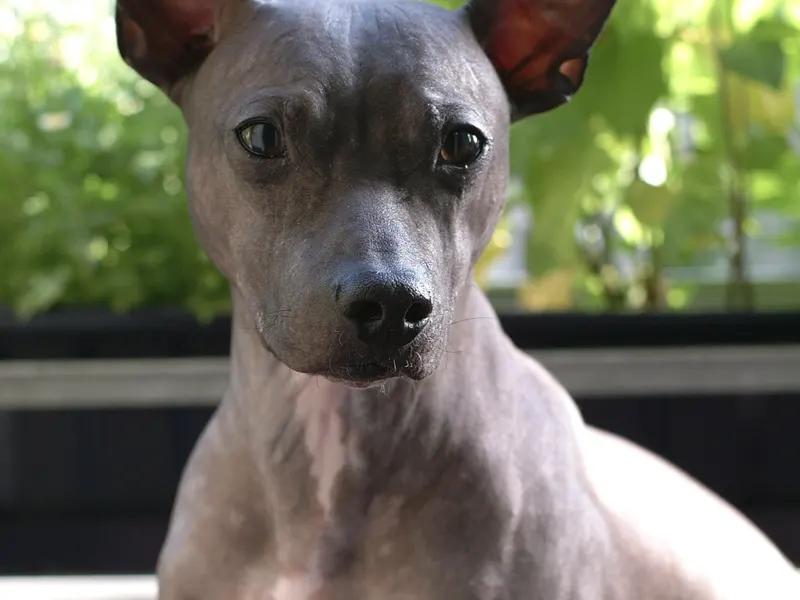
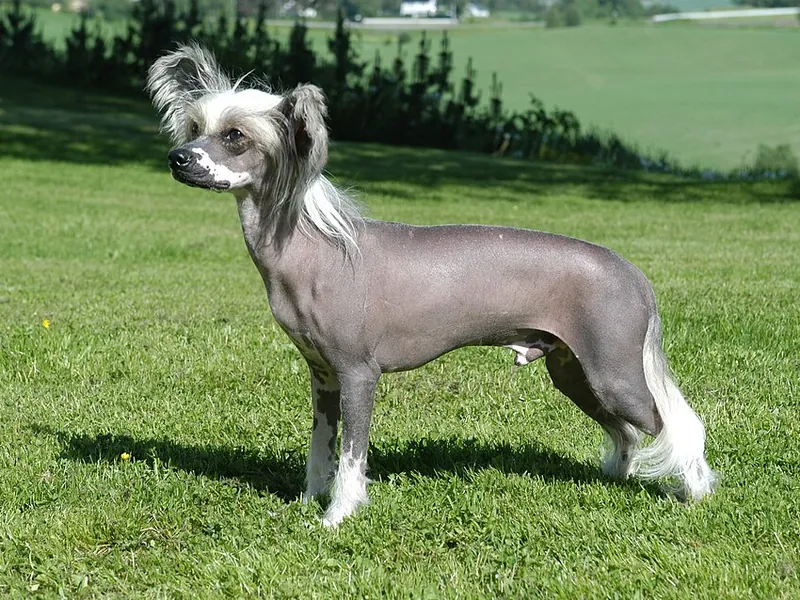
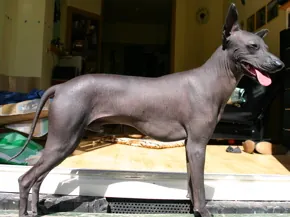
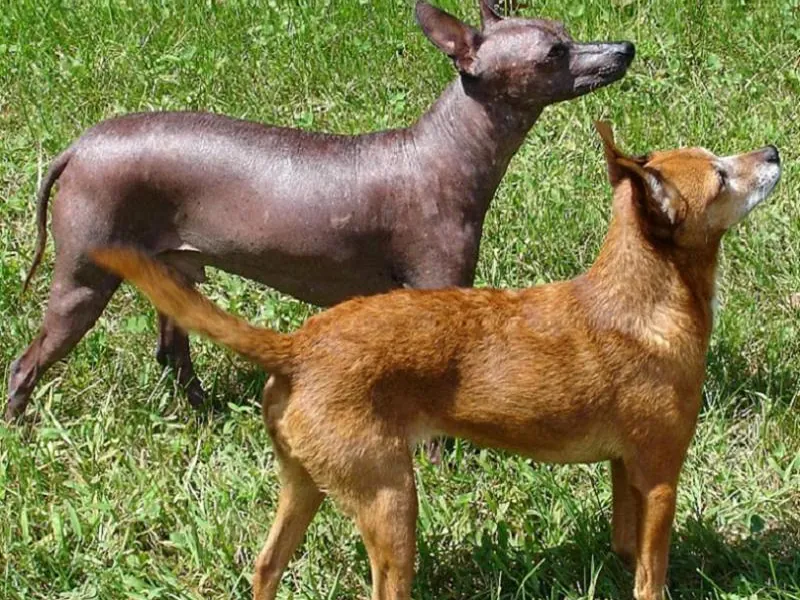
Meet the hairless breeds
Only a handful of breeds are hairless, and each has a long history:
- Xoloitzcuintli: Mexico's ancient hairless dog, often shortened to Xolo. It comes in toy, miniature and standard sizes and is calm, alert and loyal to its family.
- Chinese Crested: a small, affectionate companion with hair on the head, feet and tail. Despite the name, its exact origins are debated.
- Peruvian Inca Orchid, also called the Peruvian Hairless Dog: a slender, sighthound-like breed from Peru that comes in several sizes and is graceful and protective.
How the hairless gene works
In these breeds hairlessness is caused by a dominant gene. A puppy needs only one copy to be hairless, and puppies with two copies do not survive, so hairless parents regularly produce some coated puppies in every litter. That is why each of these breeds also has a coated form: the Chinese Crested's coated version is known as the Powderpuff.
The same gene is linked to tooth development, so hairless dogs often have missing or irregular teeth, especially premolars. This is normal for the breed, but it makes daily dental care and soft food options worth discussing with your vet.
Caring for bare skin
No coat does not mean no grooming. Instead of brushing, you are caring for skin:
- Sun protection: hairless dogs can sunburn, so limit midday sun and use a sunscreen made for dogs on exposed areas.
- Warmth: they feel the cold quickly and usually need a sweater or coat in cool weather.
- Bathing and moisturizing: regular gentle baths help prevent clogged pores and blackheads, which are common, especially in young dogs.
- Checking for scrapes: bare skin is more exposed to cuts and insect bites outdoors.
Their bodies often feel warm to the touch because there is no coat in the way, not because they run hotter than other dogs.
Are hairless dogs right for you?
Hairless breeds suit people who want almost no loose hair in the home and do not mind a skin care routine. They tend to be close companions that like to be near their people, and they can be reserved with strangers, so early socialization matters.
Some allergy sufferers do well with hairless dogs, but dander and saliva still carry allergens, so no hairless breed is guaranteed to be allergy-friendly. All three breeds are relatively uncommon outside their home regions, which means you may need patience to find a responsible breeder or a breed rescue.
Health and lifespan
Apart from dental quirks and skin care, hairless breeds are generally considered sturdy, and many live well into their teens. The Chinese Crested can be prone to eye conditions and luxating kneecaps, as many small breeds are, so ask breeders about eye screening and knee checks. Xolos and Peruvian Inca Orchids tend to be lean and athletic and enjoy daily walks and play. Keep nails trimmed and teeth brushed, and watch for skin irritation from harsh soaps, wool sweaters or too much sun.
Frequently Asked Questions
What are the main hairless dog breeds?
The best-known hairless breeds are the Xoloitzcuintli from Mexico, the Chinese Crested and the Peruvian Inca Orchid from Peru.
Do hairless dogs need sunscreen?
Yes. Their exposed skin can burn, so use a dog-safe sunscreen and avoid long periods in strong midday sun.
Are hairless dogs hypoallergenic?
They shed almost no hair, which helps some people, but allergens are also in dander and saliva, so they are not completely allergy-free.
Why do hairless dog litters have puppies with hair?
Hairlessness comes from a dominant gene, and coated puppies are a normal outcome of breeding hairless dogs. They are the same breed, just with a full coat.
Do hairless dogs get cold?
Yes, they feel the cold quickly. Most need a sweater or coat in cool weather and a warm bed indoors.
Not sure which breed fits you?
Answer 8 quick questions and get breeds ranked for your home, schedule and experience.