Bedlington TerrierA lamb in looks, a terrier at heart
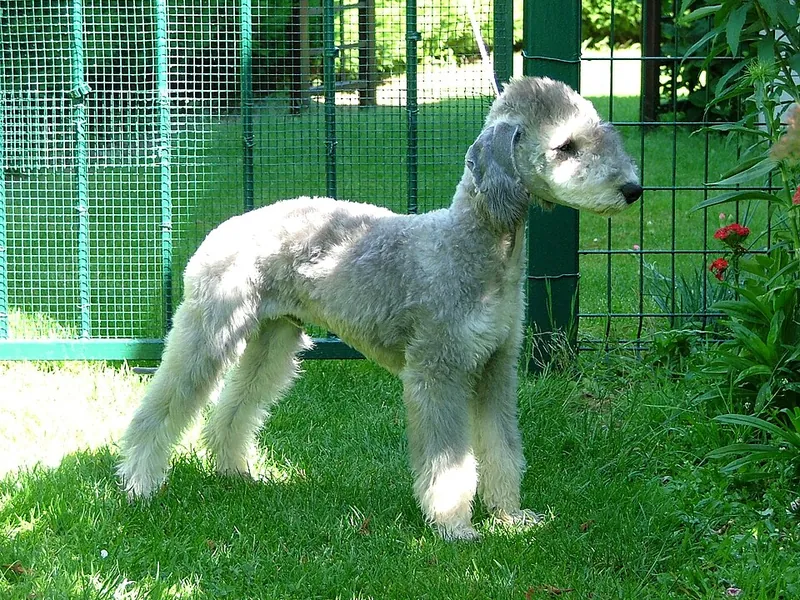
The Bedlington Terrier looks like a little lamb, with its pear-shaped head and soft, curly coat, but underneath is a fast, tough terrier bred to hunt vermin. It is affectionate, gentle at home and low-shedding, but it needs regular grooming and secure exercise areas.
Why people love the Bedlington Terrier
- Very low shedding coat suits many tidy homes
- Gentle and affectionate indoors, often quiet
- Athletic sprinter that enjoys running and agility
- Long-lived, often 11 to 16 years
- Compact size suits houses and apartments
Things to consider
- Needs professional clipping every six to eight weeks
- Copper toxicosis risk requires DNA-tested parents
- Strong prey drive makes small pets risky
- Recall is unreliable around wildlife
- Dislikes long periods alone
Is this breed right for you?
10 questions · live resultHistory and Origin
The breed developed in the mining region of Northumberland, northern England, around the town of Bedlington. Early versions were known as Rothbury Terriers and were kept by miners and traveling people to hunt rats, rabbits and other vermin, and sometimes for racing.
The name Bedlington was in use by the 1820s. Its arched back and speed are often attributed to whippet-type influence, though records are sparse. The breed has long been shown in the Terrier Group, both in the UK and with the AKC.
Size, Coat and Colors
The Bedlington Terrier is a graceful, lithe terrier with a distinctive lamb-like outline. Adults stand about 15 to 17 inches at the shoulder and weigh roughly 18 to 22 lb. The AKC ideal is about 16.5 inches for males and 15.5 inches for females, so males are a little taller.
The body is muscular and flexible, with a natural arch over the loin and a tucked-up underline. The head is narrow and pear-shaped, with a rounded topknot and no stop between skull and muzzle. The ears are low-set, triangular and fringed at the tips. The long hind legs give the breed its speed.
The coat is a mix of hard and soft hair that stands away from the skin with a crisp, linty texture and a tendency to curl, especially on the head and face. Recognized colors are blue, sandy and liver, each with or without tan markings. Puppies are born dark and lighten as they mature, often taking a year or more to reach their adult color.
Temperament and Personality
Bedlingtons are affectionate and often quiet at home, enjoying cuddles on the couch. They are loyal and alert, and they make good watchdogs without being overly noisy.
Do not be fooled by their soft look: they are true terriers. They chase quickly and with intent, and they may not tolerate small pets or unfamiliar dogs that provoke them. Many become strongly attached to their people and dislike being left alone.
Bedlingtons are known for their gentle and tender manner at home. Many enjoy curling up with family, and they are typically less hyper than other terriers once their exercise needs are met.
Is the Bedlington Terrier Good for First-Time Owners?
Yes, for many first-time owners. Bedlingtons are less intense than many terriers, gentle at home and responsive to reward-based training.
The things to plan for are grooming, recall and prey drive. Professional clipping every six to eight weeks is part of ownership, and the coat needs weekly combing between appointments. Bedlingtons are fast and will chase, so they need a fenced area for running and a leash elsewhere. They are sensitive and do better with gentle, consistent handling. First-time owners who choose a breeder who DNA tests for copper toxicosis and who commit to grooming usually find the breed easy to live with.
Do Bedlington Terriers Bark a Lot?
Not usually. Compared with many terriers, Bedlingtons are relatively quiet indoors and bark mainly to alert you to visitors or unusual sounds.
They will bark more if bored, left alone too long or excited by wildlife on walks. Some react to squirrels or cats outside the window. A good daily routine of walks and a chance to sprint, plus a quiet cue taught early, keeps barking manageable. The breed's moderate voice is one reason it can work in apartments, provided the dog is well exercised and not left alone for long periods.
Can Bedlington Terriers Be Left Alone?
For a few hours, yes, but many Bedlingtons dislike long periods alone. They tend to bond closely with their people.
Build up alone time gradually from puppyhood, starting with short absences and a comfortable crate or quiet room. Exercise before you leave and offer a food puzzle or chew to help the dog settle. Signs of distress include whining, barking, chewing at doors and house soiling. If you work long hours outside the home, a dog walker or a second dog may help, although introductions should be careful because some Bedlingtons are selective with other dogs.
Exercise and Training
Bedlingtons are athletic sprinters. They need daily walks and a chance to run in fully enclosed areas. Lure coursing, agility and earthdog activities are good outlets.
- Keep on a leash in unfenced areas; their prey drive overrides recall.
- Use reward-based training; they are sensitive and dislike harsh treatment.
- Introduce alone time gradually from puppyhood.
Many Bedlingtons love to sprint in short bursts and then settle quietly. A fenced field where they can run flat out a few times a week makes a big difference to their behavior at home.
Grooming and Shedding
The coat is a mix of soft and harder hair that stands off the skin with a linty, crisp texture. It barely sheds, which is why the breed is often chosen by allergy-conscious owners. It does mat, so comb thoroughly at least weekly.
Plan on professional clipping every six to eight weeks to keep the classic shape. Colors are blue, liver or sandy, with or without tan. Puppies are born dark and lighten with age.
Feeding and Nutrition
The Bedlington's best-known health issue, copper toxicosis, makes diet more relevant than in most breeds. Affected dogs cannot excrete copper properly, so it builds up in the liver. If your dog is affected or of unknown status, your vet may recommend a low-copper diet and avoiding high-copper foods such as liver, organ meats and shellfish, as well as supplements containing copper. Dogs from DNA-tested clear parents generally do not need special restrictions, but ask your breeder and vet.
Otherwise, the breed should be kept lean and athletic. Bedlingtons naturally look slim under the coat, and the coat can hide weight gain, so feel for the ribs regularly.
- Feed puppies three to four meals a day, moving to two meals for adults.
- Choose a complete and balanced food and avoid frequent home-cooked additions unless your vet knows the copper status.
- Keep the facial hair clean after meals to avoid staining.
Use small training treats, count them toward the daily ration and check that treats do not include liver if your vet has advised a low-copper diet.
| Adult weight | Less active | Typical adult | Very active |
|---|---|---|---|
| 18 lb | 470 kcal | 540 kcal | 680 kcal |
| 22 lb | 550 kcal | 630 kcal | 790 kcal |
Estimates use the resting energy formula veterinarians work with (70 × body weight in kg0.75) and standard activity factors. Use the feeding guide on your food as a starting point and adjust to body condition. Puppies, seniors, pregnant animals and pets that need to lose weight have different needs, so ask your vet.
Health and Lifespan
Bedlingtons commonly live 11 to 16 years. The breed's best-known issue is copper toxicosis, an inherited liver disorder in which copper builds up. A DNA test exists, and responsible breeders test all breeding dogs.
Eye disease, including retinal dysplasia, ear infections and patellar luxation are also reported. Ask breeders for copper toxicosis results and current eye examinations of both parents.
Bedlington Terrier Price and Cost of Ownership
Typical breeder price in the US$1,500 to $3,000
A Bedlington Terrier puppy from a reputable US breeder typically costs about $1,500 to $3,000, and prices vary by breeder, region and lines. The breed is uncommon in the US, so expect a waiting list and possibly travel to collect a puppy. Breed rescue occasionally places adults.
Breed-specific cost drivers include:
- Professional grooming every six to eight weeks to maintain the classic outline.
- Copper toxicosis DNA test results for both parents, and liver monitoring if your dog's status is unknown.
- Eye exams for retinal dysplasia and other inherited eye problems.
- Secure fencing for a fast dog with strong prey drive.
- Insurance, worth comparing for coverage of hereditary liver disease.
Is the Bedlington Terrier Right for You?
At 18 to 22 lb and 15 to 17 inches, the Bedlington suits adults and families with older children who want a gentle house companion with terrier spirit. Its low shedding helps many allergy-prone homes.
It is not a good fit for homes with small pets or for owners who cannot commit to grooming and secure exercise.
Bedlingtons are relatively quiet indoors, so they can live in apartments with daily walks and safe running time. Grooming costs are an ongoing expense to budget for.
Bedlington Terrier Traits at a Glance
Bedlington Terrier FAQ
Are Bedlington Terriers hypoallergenic?
They shed very little, which suits many allergy sufferers, but no breed is completely hypoallergenic.
Why does a Bedlington Terrier look like a lamb?
Its soft, curly coat and pear-shaped head are traditional breed features, enhanced by the standard grooming style.
What is copper toxicosis in Bedlingtons?
It is an inherited condition in which copper builds up in the liver. A DNA test helps breeders avoid it.
Are Bedlington Terriers good with cats?
Some live peacefully with cats they grow up with, but their strong prey drive makes small animals a risk.
How long do Bedlington Terriers live?
They often live 11 to 16 years.
How big do Bedlington Terriers get?
They stand about 15 to 17 inches tall and weigh around 18 to 22 lb.