Jack Russell TerrierFearless fox terrier packed with energy
The Jack Russell Terrier is a small, tough working terrier bred to bolt foxes from their dens. It is clever, energetic and fearless, and it suits active owners who enjoy training and can channel its strong drive to dig, chase and explore.
Why people love the Jack Russell Terrier
- Lively, clever and endlessly entertaining
- Small but sturdy and athletic
- Excellent at agility and dog sports
- Easy-care coat
- Generally hardy and long-lived
Things to consider
- Strong prey drive; chases cats and small pets
- Digs, barks and chews when bored
- Needs an hour of vigorous activity daily
- May not tolerate other dogs of the same sex
- Recall often unreliable around prey
Is this breed right for you?
10 questions · live resultHistory and Origin
The breed traces back to Reverend John Russell, a hunting parson in Devon who in 1819 bought a white terrier bitch named Trump, reportedly from a milkman while he was a student at Oxford. He bred working terriers that could run with foxhounds and then bolt foxes from their earths without killing them.
Over time two types developed: the longer-legged Parson Russell Terrier and the shorter Jack Russell Terrier. The FCI recognizes the Jack Russell, and The Kennel Club added it in 2016. The AKC registers the shorter type as the Russell Terrier, recognized in 2012.
Size, Coat Types and Colors
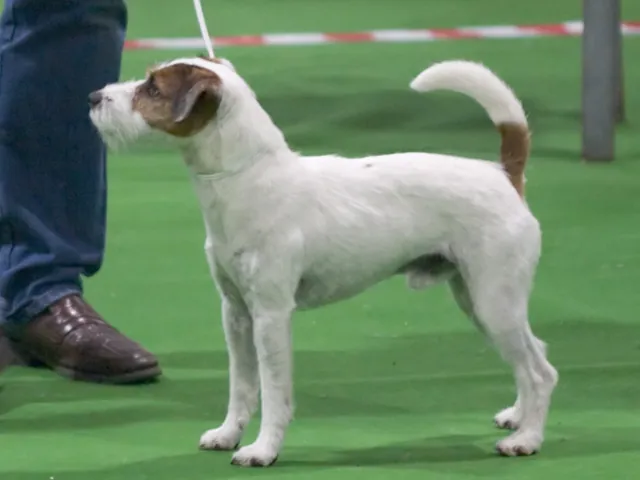
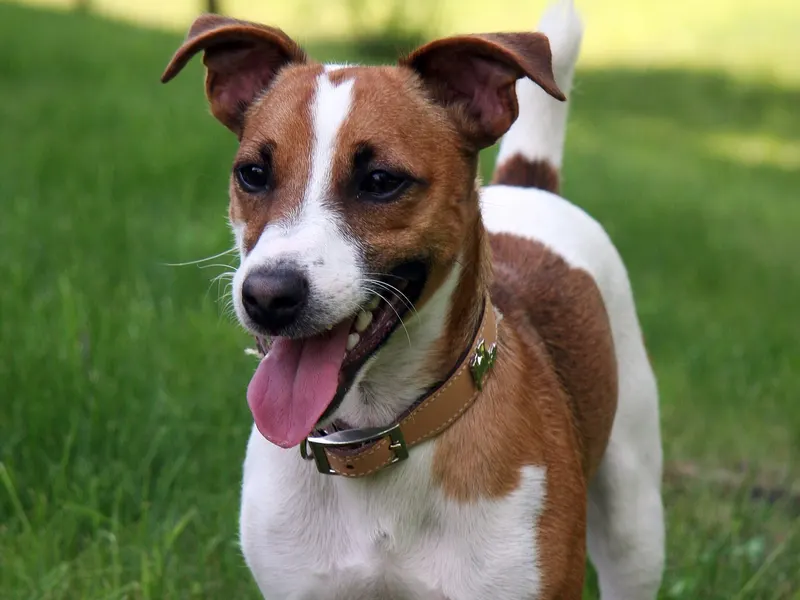
The Jack Russell Terrier is a small, energetic working terrier standing 10 to 12 inches and weighing about 11 to 13 lb. The body is slightly longer than tall, strong and flexible, with a flat skull, a strong jaw and small V-shaped ears that fold forward. The tail is carried upright when moving.
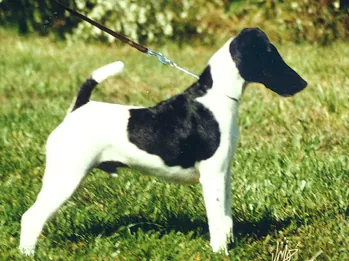
Three coat types are recognized: smooth, broken and rough. Smooth coats are short and dense. Rough coats are harsher and longer, often with a slight beard. Broken coats fall between the two, with a mostly smooth body and some longer hair on the face.
The coat should be predominantly white with tan, black or tan and black markings, usually on the head and around the tail base. Males are typically slightly larger and stronger than females. In the US, the AKC registers the shorter-legged type as the Russell Terrier, while the longer-legged Parson Russell Terrier is a separate breed.
Temperament and Personality
Jack Russells are lively, bold and curious. They bond closely with their families and enjoy being involved in everything. Their working background makes them persistent, independent and quick to react to movement.
Prey drive is strong. Many chase cats, squirrels and small pets, and some do not tolerate other dogs, particularly of the same sex. They are vocal and alert. With children they can be playful companions, but they may not tolerate rough handling. Without enough activity, they dig, bark and chew.
A Jack Russell often treats life as a series of projects: finding the ball under the sofa, digging up a flower bed or figuring out how to open a gate. This problem-solving drive is endearing but means the dog needs supervision and a home that is properly dog-proofed.
Are Jack Russell Terriers Good for First-Time Owners?
Jack Russells can suit active first-time owners who are ready for a high-energy, independent terrier, but they are not an easy beginner's dog.
They are clever and eager to engage, but also stubborn, prey-driven and quick to develop bad habits. A first-time owner who provides an hour of vigorous activity daily, enrolls in training classes early and dog-proofs the home can do well. Those wanting a calm lap dog should choose another breed.
Puppy classes, early socialization with other dogs and plenty of structured play make the first year much easier. Choosing a puppy from a breeder who selects for stable temperament also helps.
Do Jack Russell Terriers Bark a Lot?
Yes, Jack Russells are vocal and alert, and many bark at sounds, movement and visitors.
Barking is part of their working heritage. Boredom and lack of exercise make it worse. Teaching a quiet cue early, rewarding calm behavior and providing enough physical and mental activity help reduce barking. They are not ideal for thin-walled apartments or noise-sensitive neighbors.
Avoid yelling, which many terriers take as joining in. Instead, call the dog away from a window, reward it for quiet and block views of passing dogs or squirrels if needed.
Can Jack Russell Terriers Be Left Alone?
Jack Russells can stay alone for a few hours once trained, but long periods alone often lead to digging, chewing and barking.
Start alone-time training in puppyhood. Exercise before leaving and a puzzle toy or chew help. Dog-proof the home, as Jack Russells are skilled at finding mischief. Long workdays alone are not ideal; plan for a dog walker or daycare.
A secure crate or puppy-proof room keeps a young dog safe. Some Jack Russells cope better with another dog at home, but choose a companion carefully because of possible same-sex tension.
Exercise and Training
Jack Russells need at least an hour of vigorous activity daily, plus mental challenges. Ball games, agility, earthdog trials, flyball and scent work are excellent outlets. Secure fencing is essential, as they dig under or climb over barriers.
They learn quickly but are independent, so training must be consistent, fun and reward-based. Recall is often unreliable once they spot prey, so use a long line in open areas. Teaching impulse control helps prevent chasing and leash reactivity.
- Provide a sandpit or dig box to redirect digging.
- Rotate toys to keep interest high.
- Practice calm settling after play so the dog learns to switch off.
Grooming and Shedding
Coats can be smooth, broken or rough. All shed, smooth coats often the most. Weekly brushing removes loose hair; rough and broken coats benefit from hand-stripping a few times a year. Bathe as needed after muddy adventures. Trim nails regularly and brush teeth.
Feeding and Nutrition
Jack Russells are active, but their small size means extra treats quickly lead to weight gain. Keep them lean to protect their knees, as luxating patellas occur in the breed. The ribs should be easy to feel and the waist visible from above.
- Feed puppies three or four meals a day and adults two meals.
- Use small, low-calorie treats for training and count them in the daily ration.
- Adjust portions to activity; a dog doing agility or earthdog trials needs more than a quieter companion.
Small breeds are prone to dental disease, so regular tooth brushing and appropriate chews matter. Food puzzles provide mental stimulation and slow down eating. Store food securely, as Jack Russells are resourceful scavengers.
Hard chews should be sized for a small dog and supervised. Fresh water should always be available after vigorous play.
| Adult weight | Less active | Typical adult | Very active |
|---|---|---|---|
| 11 lb | 330 kcal | 370 kcal | 470 kcal |
| 13 lb | 370 kcal | 420 kcal | 530 kcal |
Estimates use the resting energy formula veterinarians work with (70 × body weight in kg0.75) and standard activity factors. Use the feeding guide on your food as a starting point and adjust to body condition. Puppies, seniors, pregnant animals and pets that need to lose weight have different needs, so ask your vet.
Health and Lifespan
Jack Russells are generally hardy. Primary lens luxation, in which the lens of the eye moves out of place, can cause sudden pain and glaucoma; a DNA test is available. Late-onset ataxia and spinocerebellar ataxia, which affect coordination, can also be tested for. Luxating patellas and deafness, especially in predominantly white dogs, occur in the breed.
Choose a breeder who uses these DNA tests and checks eyes and knees. Jack Russells typically live 12 to 14 years.
Jack Russell Terrier Price and Cost of Ownership
Typical breeder price in the US$800 to $2,000
A Jack Russell Terrier puppy from a reputable US breeder typically costs about $800 to $2,000. Prices vary by breeder, region and lines. Look for breeders who use DNA tests for primary lens luxation and ataxia and check eyes and knees.
Adoption is a good option. Jack Russells are common in shelters and terrier rescues, often surrendered by owners who underestimated their energy.
Breed-specific ongoing costs are moderate. The coat needs little professional grooming, though rough and broken coats may benefit from occasional hand-stripping. Budget for secure fencing, dog sports classes and toys that stand up to a determined chewer. Insurance covering eye and knee problems is worth comparing while the dog is young.
Is the Jack Russell Terrier Right for You?
The Jack Russell suits active individuals and families with older children who want an energetic, clever companion and enjoy training or dog sports. Rural or suburban homes with secure gardens suit them well.
It is not ideal for homes with small pets, for owners away all day or for people wanting a calm lap dog. An apartment can work only if the dog receives plenty of exercise and mental stimulation.
Jack Russell Terrier Traits at a Glance
Jack Russell Terrier FAQ
Are Jack Russell Terriers good family dogs?
They can be lively, affectionate family dogs for active households with older children. Their energy and prey drive need management.
How big do Jack Russells get?
They stand about 10 to 12 inches at the shoulder and weigh around 11 to 13 lb.
Do Jack Russells shed?
Yes, all coat types shed, with smooth coats often shedding the most. Weekly brushing helps.
How much exercise does a Jack Russell need?
At least an hour of vigorous activity daily, plus training and games to keep their minds busy.
Are Jack Russells good with cats?
Some live peacefully with cats they grow up with, but many have a strong instinct to chase. Supervise closely.
How long do Jack Russells live?
Jack Russells typically live 12 to 14 years.