PomskyPomeranian and Husky in one package
The Pomsky is a designer cross between a Pomeranian and a Siberian Husky, popular for its husky-like looks in a smaller body. Size, coat and personality vary widely because the mix is still young, so prospective owners should expect an energetic, vocal and heavy-shedding dog rather than a guaranteed miniature Husky.
Why people love the Pomsky
- Smart, curious and playful personality
- Husky look in a smaller size
- Affectionate and attached to its family
- Enjoys training games and puzzle toys
- Typically lives 12 to 15 years
Things to consider
- Size and temperament are hard to predict
- Heavy shedding from a dense double coat
- Vocal: howling, yodeling and barking
- Can develop separation-related behavior
- Designer-breed prices attract unethical sellers
Is this breed right for you?
10 questions · live resultHistory and Origin
The Pomsky emerged in the United States around 2010 to 2012, when photos of small husky-looking dogs spread online and created demand before many such dogs existed. Breeders began producing them deliberately, and the first litters are commonly dated to around 2012.
Because of the large size difference between the parent breeds, first-generation Pomskies are usually produced by artificial insemination, with the Husky as the mother. Many breeders now pair Pomsky with Pomsky to create more consistent later generations. The Pomsky is not recognized by the AKC, The Kennel Club or the FCI.
Size, Generations, Coat and Colors
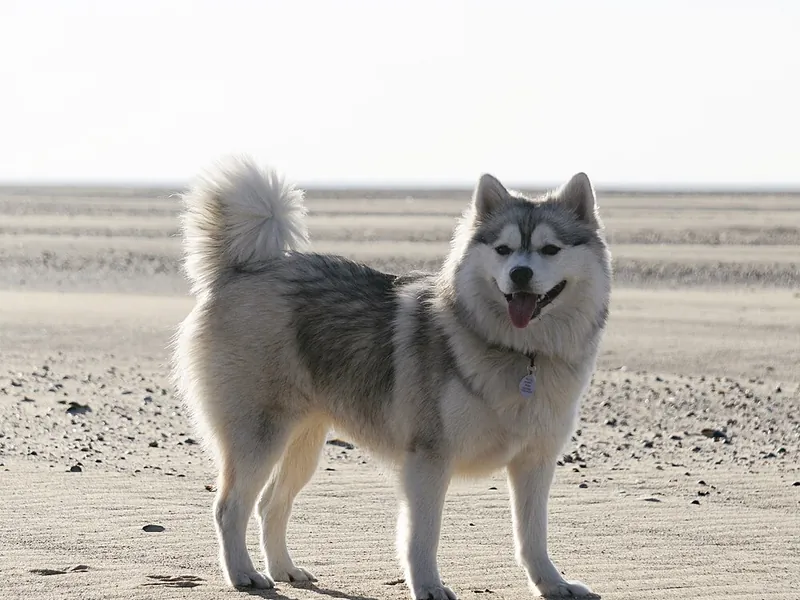
The Pomsky is a cross between the Siberian Husky and the Pomeranian, so its appearance varies more than in an established breed. Adults usually weigh about 12 to 35 lb. Height varies widely and has no standard, depending on the parents and generation. Males are often slightly larger than females.
Breeders often describe generations:
- F1: a direct cross, typically with the Husky as mother
- F2 and later: Pomsky bred to Pomsky, aiming for more consistent size and type
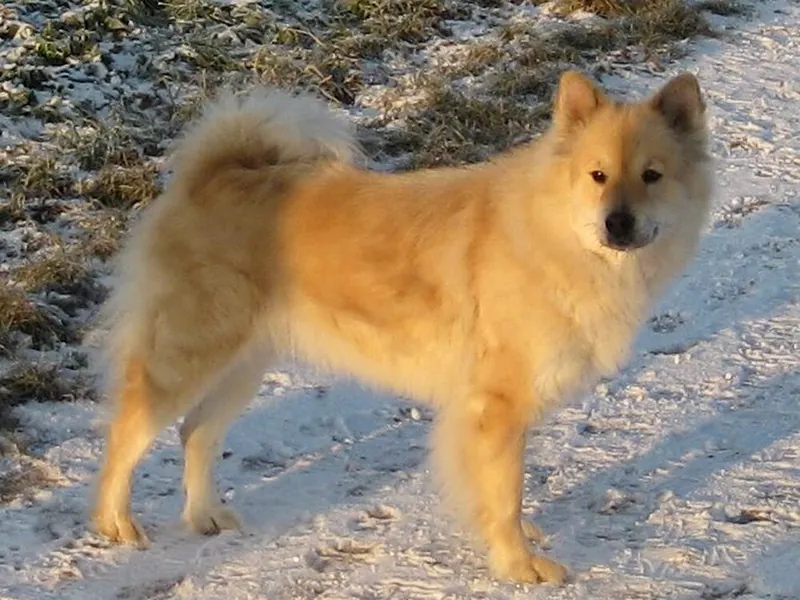
Many Pomskies have a fox-like face, erect ears and a plumed tail curled over the back. Some look more Husky-like, others more Pomeranian-like.
The coat is a thick double coat, ranging from plush and medium length to longer and fluffier.
Common colors include:
- Black and white, gray and white, or red and white with Husky-type masks
- Solid colors such as cream, white or brown
- Merle in some lines
Eye colors include brown, blue, amber or bi-colored eyes.
Temperament and Personality
Pomskies are typically smart, curious and playful. They often blend the Husky's sociability and mischief with the Pomeranian's alertness and attachment to its people.
Both parent breeds are vocal, so expect howling, yodeling or barking. Many Pomskies dislike being left alone and can develop separation-related behavior. They may chase cats and small animals, especially if they inherit more Husky drive, and early socialization matters because temperament is less predictable than in established breeds. Small children should be supervised, as smaller Pomskies can be injured by rough handling and some dislike being grabbed.
Are Pomskies Good for First-Time Owners?
They can be, but they are more demanding than their size suggests. Pomskies are intelligent and playful, but they inherit energy, independence and vocal tendencies from both parent breeds.
First-time owners should plan for daily exercise, training from puppyhood, regular brushing and work on barking and howling. Pomskies can also develop separation-related behavior, so practice short absences early. Choosing a responsible breeder is especially important for beginners, as health and temperament vary. Owners who want an active, engaging small dog and are willing to train consistently often do well.
Can a Pomsky Live in an Apartment?
Yes, with enough exercise and training. Smaller Pomskies fit easily into apartments, and many adapt well to city life as long as their days include real activity.
The main challenges are noise and energy. Pomskies howl, yodel and bark, which can disturb neighbors through shared walls, so teaching a quiet cue early is important. They need at least an hour of daily exercise plus mental work such as puzzle feeders and trick training. Heavy shedding means frequent vacuuming. Larger Pomskies at the top of the 35 lb range need more space and more exercise than the smallest ones.
Can Pomskies Be Left Alone?
Many Pomskies struggle with long periods alone. Both parent breeds are people-oriented, and Pomskies can develop separation-related behavior such as howling, chewing, digging or trying to escape.
Build independence gradually from puppyhood with short absences, crate training and puzzle toys, and keep departures and returns low-key. Exercise the dog well before leaving. For long workdays, a dog walker, daycare or a canine companion can help. Households where someone is home much of the day suit Pomskies best, and a dog that howls when alone can quickly become a problem in shared buildings.
Exercise and Training
This is an active dog. Plan for at least an hour of exercise a day, including walks, play and mental work such as puzzle feeders and trick training. Bored Pomskies dig, chew and get noisy.
Training is achievable with short, reward-based sessions, but the Husky influence can add independence and selective hearing. Recall in open areas may be unreliable, and some Pomskies are escape artists, so check fences and gates. Barking and howling are easier to manage when you start teaching a quiet cue early.
Grooming and Shedding
Pomskies have a thick double coat that sheds steadily and heavily during seasonal molts. Brush two or three times a week, and daily during heavy shedding, using a slicker brush and undercoat rake. Do not shave the coat, as it regulates temperature and may grow back poorly.
They are not hypoallergenic. Regular tooth brushing is worthwhile, as small dogs often have crowded teeth.
Feeding and Nutrition
Because Pomskies vary from about 12 to 35 lb, feeding must be based on your dog's actual size, growth pattern and activity. Ask your breeder about the expected adult weight, and monitor body condition rather than following generic guidelines. Ribs should be easy to feel under the thick coat.
Smaller Pomskies may have crowded teeth, inherited from the Pomeranian side, which makes dental care important. Choose a kibble size appropriate for your dog and brush teeth regularly.
- Feed puppies three to four meals a day and adults two.
- Small puppies may need frequent meals to maintain steady blood sugar.
- Use food puzzles to provide mental exercise and reduce boredom.
- Count training treats in the daily ration to avoid weight gain.
Heavy shedding is normal for the double coat. A complete, balanced diet supports coat quality, but unusual hair loss or skin problems should be checked by a vet.
| Adult weight | Less active | Typical adult | Very active |
|---|---|---|---|
| 12 lb | 350 kcal | 400 kcal | 500 kcal |
| 24 lb | 590 kcal | 670 kcal | 840 kcal |
| 35 lb | 780 kcal | 890 kcal | 1,110 kcal |
Estimates use the resting energy formula veterinarians work with (70 × body weight in kg0.75) and standard activity factors. Use the feeding guide on your food as a starting point and adjust to body condition. Puppies, seniors, pregnant animals and pets that need to lose weight have different needs, so ask your vet.
Health and Lifespan
A typical lifespan is about 12 to 15 years, but there is little reliable health data for the cross. Problems known in the parent breeds may appear: kneecap luxation from the Pomeranian side, eye disease and hip dysplasia from the Husky side, plus dental issues and allergies.
Ask breeders for health testing of both parents, including hips, eyes and knees, and be cautious of sellers who advertise teacup sizes or unusual eye colors as selling points.
Pomsky Price and Cost of Ownership
Typical breeder price in the US$2,000 to $5,000
A Pomsky puppy from a US breeder typically costs about $2,000 to $5,000. Prices vary by breeder, region and lines, and sellers often charge more for small size, blue eyes or certain colors. Be cautious of breeders who emphasize these traits over health.
Responsible breeders should provide health testing for both parents, including hips, eyes and knees, and explain how the litter was produced. Adoption through rescues or shelters is sometimes possible.
Breed-specific ongoing costs include:
- Grooming tools or professional deshedding
- Training for barking and separation issues
- Dental care, including cleanings
- Insurance covering joint, eye and dental issues
- Daycare or dog walkers if left alone often
Is the Pomsky Right for You?
A Pomsky suits active owners who enjoy training, can tolerate noise and hair, and want a smaller dog with plenty of personality. It works best when someone is home for much of the day.
It is less suited to people expecting a calm lapdog, close neighbors sensitive to noise, or households with small pets and no time for training.
Expect to pay attention to breeder ethics: ask how the litter was produced, meet at least the mother and ask for health results rather than photos of blue eyes.
Pomsky Traits at a Glance
Pomsky FAQ
How big do Pomskies get?
Most adults weigh 12 to 35 lb. Height varies widely with the generation and parents, so meeting the parent dogs gives the best clue.
Are Pomskies hypoallergenic?
No. They have a dense double coat and shed heavily.
Are Pomskies good family dogs?
They can be affectionate family dogs with older, respectful children. Supervise young kids, and expect a dog that needs exercise and company.
Do Pomskies bark a lot?
Often, yes. Both parent breeds are vocal, so howling and barking are common.
Is the Pomsky a recognized breed?
No. It is a designer cross not recognized by the AKC, The Kennel Club or the FCI.
How long do Pomskies live?
Most Pomskies live around 12 to 15 years.