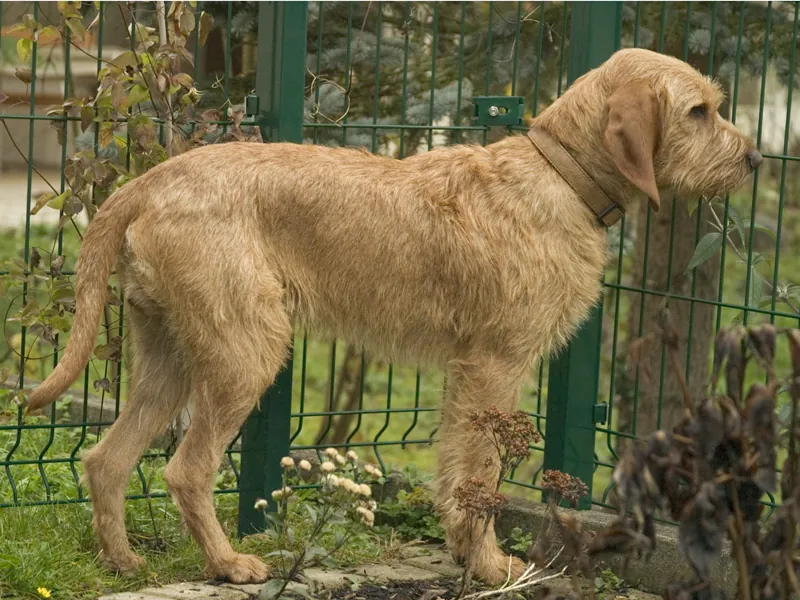
Sussex SpanielA rare, golden-liver English gundog
The Sussex Spaniel is a low, solid spaniel with a rich golden-liver coat and a serious, frowning expression that hides a warm personality. It is steady and affectionate at home and gives voice when it hunts. It suits owners who want a calm, devoted dog and can handle its stubborn streak and rarity.
Why people love the Sussex Spaniel
- Calm, affectionate and devoted to its family
- Slower-paced than Cocker or Springer Spaniels
- Usually kind and patient with children
- Long lifespan of 13 to 15 years
- Unique golden-liver coat and frowning expression
Things to consider
- Barks and howls more than most spaniels
- Stubborn streak in training
- Loves food and gains weight easily
- Rare, with long waiting lists for puppies
- Long back needs careful weight control
Is this breed right for you?
10 questions · live resultHistory and Origin
The breed was developed in the late 18th century in Sussex, southern England, notably by Augustus Elliot of Rosehill Park. Hunters needed a sturdy, short-legged spaniel that could push through dense hedgerows and heavy clay, and that would give tongue so they could follow it in thick cover.
The Sussex was among the first breeds recognized by the AKC in 1884. Numbers fell sharply during the World Wars, and the breed survived thanks to a few dedicated breeders. It remains rare, and The Kennel Club lists it as a vulnerable native breed. A Sussex named Stump won Best in Show at Westminster in 2009 at age ten.
Size, Coat and Color
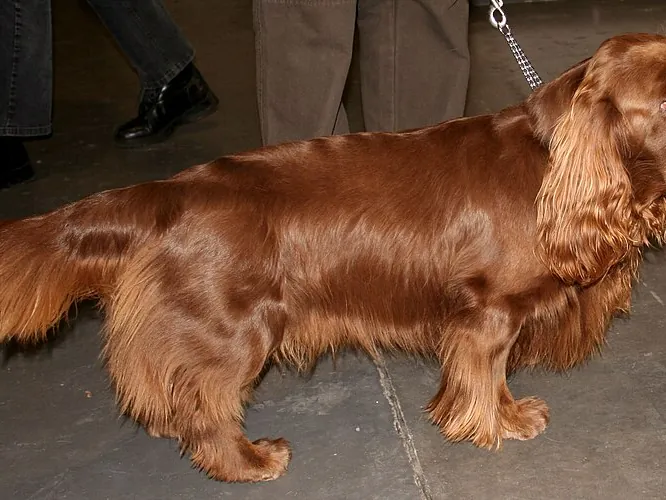
The Sussex Spaniel is a long, low, massive dog standing 13 to 15 inches and weighing 35 to 45 lb. It is built rectangular, much longer than tall, with a deep, well-developed chest, heavy bone and short, strong legs designed to push through dense hedgerows rather than outrun other dogs.
The head is broad and heavy, with a pronounced brow, full eyebrows and hazel eyes that give the breed its solemn, frowning look. The large, lobe-shaped ears are set low and lie close to the head. The movement is a distinctive rolling gait.
Males are usually a little heavier and broader than females.
The coat is abundant and flat, or with a slight wave, never curly. Feathering grows on the ears, chest, legs and tail. There is only one accepted color:
- Golden liver, a rich, deep color with golden tips to the hair
Dark liver or puce is a fault. No other spaniel has this exact shade, and it is a hallmark of the breed.
Temperament and Personality
Despite the solemn face, Sussex Spaniels are friendly, cheerful and strongly attached to their families. They tend to be calmer and slower-paced than Cocker or Springer Spaniels.
They can bark and howl more than other spaniels, a trait inherited from their working style. They may chase cats and rabbits, and they do not like long periods alone. With children they are generally kind, but supervision is wise with toddlers.
Are Sussex Spaniels Good for First-Time Owners?
Yes, a Sussex Spaniel can suit a first-time owner who wants a calm, affectionate dog and is ready for some stubbornness. Its relaxed pace and forgiving nature make it easier to live with than the busier spaniel breeds.
Beginners should be ready for:
- Patient, food-based training in short sessions
- Managing barking and the occasional howl
- Strict portion control in a food-loving breed
- A long wait, since few litters are born each year
Joining a breed club or talking to owners before buying gives a realistic picture of daily life with this rare spaniel.
Can Sussex Spaniels Live in Apartments?
Sussex Spaniels can adapt to apartment life thanks to their calm indoor manner, but their voice can cause trouble with neighbors. The breed was developed to give tongue while hunting, and many still bark or howl when bored or excited.
An apartment works better if you:
- Provide around an hour of daily walks with plenty of sniffing
- Teach a quiet cue early
- Avoid long absences
- Limit stairs for puppies to protect growing joints
A ground-floor home or house with a small yard is easier, especially for a dog with a long back and short legs.
Can Sussex Spaniels Be Left Alone?
Sussex Spaniels do not like long periods alone. They are strongly attached to their people, and a lonely Sussex is likely to bark, howl or chew.
Most adults can manage a few hours if they are taught gradually from puppyhood. Helpful steps:
- Practice short departures and return calmly
- Leave a food puzzle or long-lasting chew
- Give a sniffy walk before you go
- Provide a comfortable bed in a quiet room
For full workdays, a dog walker, a relative at home or a calm companion dog helps. The breed suits retirees and families who are home often.
Exercise and Training
A Sussex needs daily walks and outdoor time, roughly an hour total, but not marathon running. Slow, sniffy rambles through woods and fields suit it perfectly.
- Train with patience and treats; the breed can be stubborn and sensitive to harshness.
- Limit jumping and stairs in puppies to protect developing joints.
- Manage weight carefully, since the breed loves food.
- Practice recall early, as hunting instincts can take over.
Sussex Spaniels mature slowly and can remain puppyish until about two years old. They do well in scent work, rally and hunting tests, which suit their methodical style better than high-speed sports.
Grooming and Shedding
The flat, abundant coat with feathering on legs, ears and chest needs brushing two or three times a week. Trim the hair between the pads and around the ears. Shedding is moderate. Check the heavy, low-set ears weekly, and expect some drool, since the loose lips catch water.
Bathe only as needed with a mild dog shampoo, and dry the coat and ears thoroughly afterward to avoid skin and ear problems.
Feeding and Nutrition
Sussex Spaniels love food, and their heavy build hides extra weight well. Their long back and short legs make weight control especially important: every extra pound adds strain to the spine, elbows and hips. Aim for a solid dog with a visible waist and ribs you can feel under the coat.
The breed matures slowly, often staying puppyish until about two years. Feed a diet suited to medium breeds in measured portions, three meals a day until about six months and twice daily for adults. Slow, steady growth protects joints in a dog prone to hip and elbow dysplasia.
Practical habits for this breed:
- Weigh portions instead of scooping
- Use part of the daily ration as training rewards
- Avoid table scraps, which teach begging fast
- Wipe the loose lips and ears after meals and drinking
If a Sussex tires unusually quickly on walks, tell your vet; the breed carries PDP1 deficiency, which causes exercise intolerance and has a DNA test.
| Adult weight | Less active | Typical adult | Very active |
|---|---|---|---|
| 35 lb | 780 kcal | 890 kcal | 1,110 kcal |
| 45 lb | 940 kcal | 1,080 kcal | 1,340 kcal |
Estimates use the resting energy formula veterinarians work with (70 × body weight in kg0.75) and standard activity factors. Use the feeding guide on your food as a starting point and adjust to body condition. Puppies, seniors, pregnant animals and pets that need to lose weight have different needs, so ask your vet.
Health and Lifespan
Sussex Spaniels often live 13 to 15 years. Known concerns include:
- Pyruvate dehydrogenase phosphatase 1 (PDP1) deficiency: a metabolic disorder causing exercise intolerance; a DNA test is available.
- Heart conditions, which breeding dogs should be screened for.
- Hip and elbow dysplasia.
- Breeding and whelping difficulties, which contribute to small litter numbers.
The long back and short legs mean weight control and sensible exercise matter. Buy only from breeders who DNA-test and screen hearts and joints.
Sussex Spaniel Price and Cost of Ownership
Typical breeder price in the US$1,500 to $3,000
A Sussex Spaniel puppy from a reputable US breeder typically costs about $1,500 to $3,000. Prices vary by breeder, region and lines. The Sussex is one of the rarest AKC breeds, with only a handful of litters each year, so waiting lists of a year or more are normal.
Rescue options are limited, but the breed club occasionally rehomes adults.
Ongoing cost drivers:
- Heart screening and joint evaluations, plus a PDP1 DNA test if the breeder has not done it
- Regular trims of feathering, feet and ears
- Ear care for heavy, low-set ears
- Insurance covering heart and orthopedic conditions
Food costs are moderate, but a weight-control plan often saves vet bills later.
Is the Sussex Spaniel Right for You?
The Sussex suits people who want a gentle, people-oriented spaniel with a more relaxed pace, and who live in a house with a yard. It is a good companion for retired owners or families who are home often.
It is less suited to small apartments, households where the dog would be alone all day, or owners bothered by barking. Expect a waiting list for puppies.
Sussex Spaniel Traits at a Glance
Sussex Spaniel FAQ
How big do Sussex Spaniels get?
They stand about 13 to 15 inches tall and weigh around 35 to 45 pounds, with a long, low, heavy-boned build.
Are Sussex Spaniels good family dogs?
Yes. They are affectionate and usually patient with children, though they prefer a calm household.
Do Sussex Spaniels bark a lot?
More than most spaniels. They give voice while hunting and can be vocal at home.
Why are Sussex Spaniels so rare?
Numbers fell during the World Wars, and small litters and breeding difficulties have kept the population small.
How long do Sussex Spaniels live?
Typically 13 to 15 years.
Are Sussex Spaniels easy to train?
They are moderately easy. They are willing but can be stubborn, so short sessions and food rewards work best.