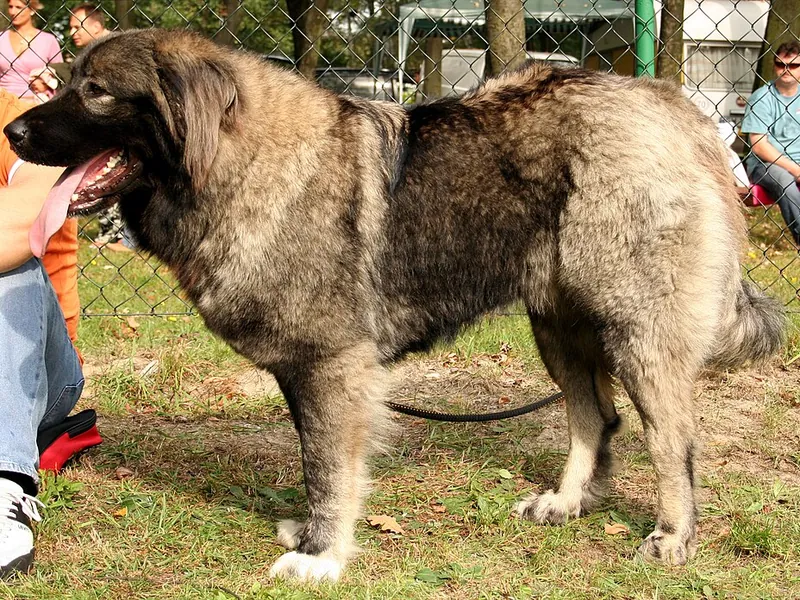
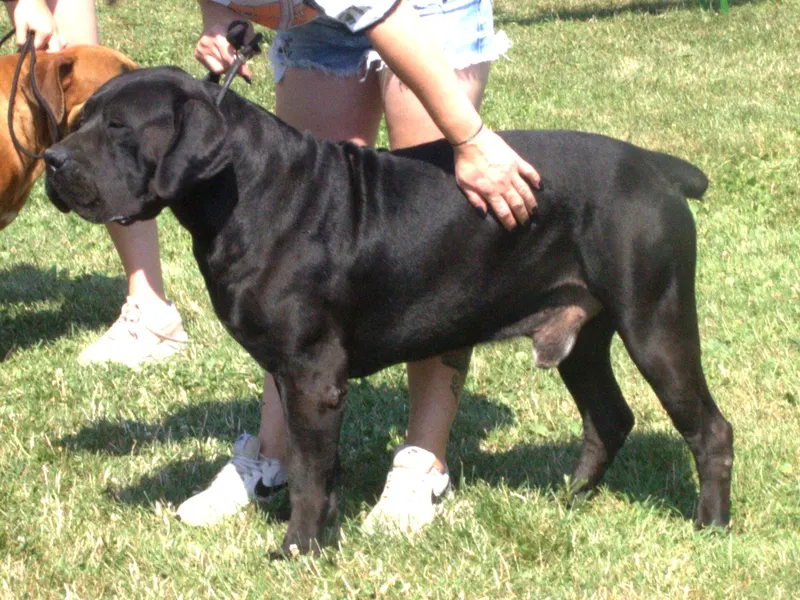
Neapolitan MastiffMassive, wrinkled guardian from Naples
The Neapolitan Mastiff is a giant Italian guardian known for its loose, heavily folded skin and imposing presence. Calm and devoted with its family but watchful with strangers, it needs an experienced owner and careful attention to health.
Why people love the Neapolitan Mastiff
- Calm, quiet and affectionate with its own family
- Natural guardian with an imposing presence
- Moderate exercise needs as an adult
- Rarely barks without reason
- Short coat is easy to brush
Things to consider
- Short lifespan of about 7 to 9 years
- Heavy drool and skin-fold care
- Very wary of strangers without thorough socialization
- Giant size makes handling and vet care costly
- Overheats easily in warm weather
Health note: this breed is affected by health concerns linked to its body shape. Read the health section and choose a breeder who health-tests and breeds for moderate features.
Is this breed right for you?
10 questions · live resultHistory and Origin
Large mastiff-type dogs have guarded homes and estates in southern Italy for centuries, and the breed is often linked to the war and guard dogs of the Roman era. In the countryside around Naples, these dogs protected farms and property.
After World War II, the Italian writer and painter Piero Scanziani championed the breed and helped draft its first standard. The FCI recognized it soon after, and the AKC recognized it in 2004. In the UK, The Kennel Club places it among breeds whose exaggerated features receive extra attention, and dogs winning at championship shows must pass a veterinary check.
Size, Skin and Colors
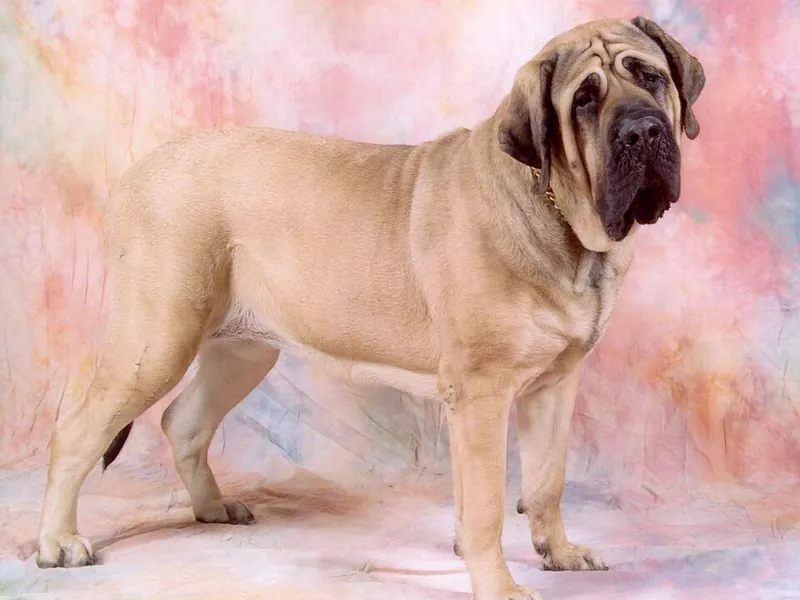
The Neapolitan Mastiff is a giant, massive dog standing about 24 to 30 inches at the shoulder and weighing roughly 110 to 154 lb, with large males often heavier. The AKC standard gives males 26 to 31 inches and females 24 to 29 inches. The body is longer than tall, broad and heavily boned, and the dog moves with a slow, rolling, bear-like gait.
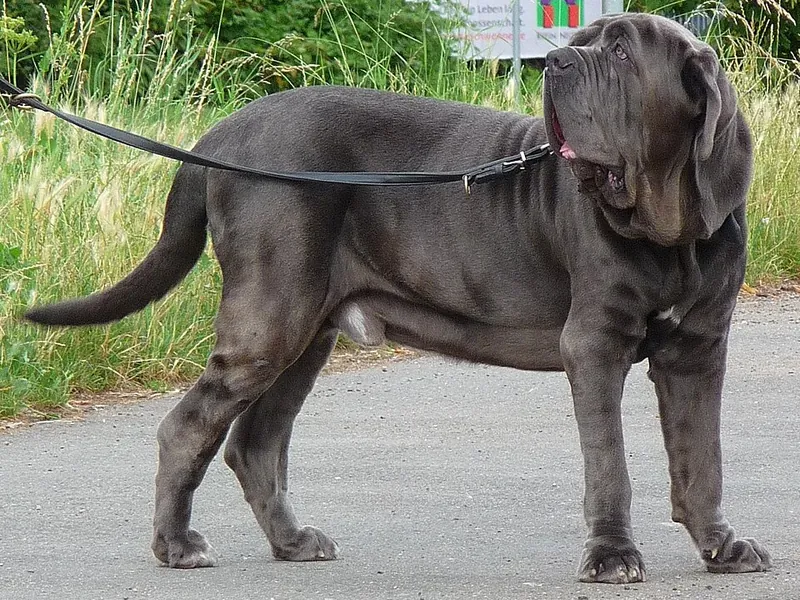
Its signature feature is the loose skin, which forms heavy folds and wrinkles on the head and a large dewlap under the neck. The head is enormous with a short muzzle and pendulous lips.
The coat is short, dense and even. Accepted colors are gray (blue), black, mahogany and tawny, with or without brindling, and small white marks on the chest, toes and underside are allowed. Males are clearly larger and heavier, with more massive heads. Breeders focused on health select for moderate skin and eyelids that close properly.
Temperament and Personality
At home, Neapolitan Mastiffs are typically calm, quiet and affectionate, often following their owners from room to room. They bark rarely but are highly watchful and protective of their family and property.
They are naturally reserved, often suspicious, with strangers, and early socialization is essential so they can tell normal visitors from real threats. Their sheer size and strength mean that even friendly behavior, such as leaning or bumping, can knock over children or older adults.
Is the Neapolitan Mastiff Good for First-Time Owners?
Generally no. The Neapolitan Mastiff is calm at home, but its size, guarding instinct and health needs make it a breed best suited to owners with giant-breed or guardian-breed experience.
A first-time owner would need to socialize the puppy intensively so it learns which visitors are normal, teach leash manners before the dog outweighs them, and manage drool, skin folds and a body that overheats easily. Vet care for a 150 lb dog is expensive, and the lifespan is short, which is emotionally hard for any owner. Novices who are drawn to mastiffs often do better starting with a more moderate giant breed, or working closely with an experienced breeder and trainer from day one.
Are Neapolitan Mastiffs Aggressive?
Neapolitan Mastiffs are not described as aggressive by nature in the breed standard, but they are bred as guardians and are naturally protective and suspicious of strangers. How that instinct shows depends heavily on genetics, socialization and handling.
A well-raised Neo is typically quiet and steady, watching visitors rather than reacting to them, and gentle with its own family. Without early and ongoing socialization, guarding behavior can become excessive, and because of the dog's size, even a warning lunge is serious. Owners should introduce visitors calmly, avoid encouraging protective displays and keep the dog behind secure fencing. Some insurers and landlords restrict mastiff breeds, so check policies before buying.
Are Neapolitan Mastiffs Good with Other Pets?
Many Neapolitan Mastiffs live well with other pets they are raised with, including cats and dogs of the opposite sex. Their prey drive is generally low, and indoor life tends to be peaceful.
Challenges more often involve other dogs. Some Neos, especially males, do not tolerate unfamiliar dogs or same-sex dogs, and their size means any scuffle is risky. Introductions should be slow, on leash and in neutral territory, and dog parks are rarely a good idea.
With small pets, the main issue is size: a playful paw or lean can injure a cat or small dog by accident. Give smaller animals escape routes and supervise until you know how the dog behaves.
Exercise and Training
Exercise needs are moderate. Daily walks at a relaxed pace and free time in a secure garden are enough for adults. Puppies grow very quickly and must not be overexercised, jump from heights or climb many stairs.
- Start leash manners and handling early; adults are too heavy to manage by force.
- Train calmly and consistently with rewards. Neos are intelligent but can be stubborn.
- Avoid exercise in heat: the heavy body and folded skin make overheating likely.
Neapolitan Mastiffs respond well to calm routines and do not enjoy repetitive drills. Short, consistent training sessions and early exposure to visitors are more effective than long sessions.
Grooming and Shedding
The short, dense coat comes in gray (blue), black, mahogany and tawny, sometimes brindled. A weekly brushing with a rubber mitt removes loose hair.
The real work is skin and face care. Clean and dry facial and body folds regularly to prevent infections, check the eyes daily, and keep towels handy: Neapolitan Mastiffs drool heavily, especially after eating and drinking.
Feeding and Nutrition
Growth control is the first priority. Neapolitan Mastiff puppies gain weight at a remarkable pace, and too much food or energy encourages joint problems. Feed a diet formulated for giant-breed puppies, keep the puppy lean, and avoid extra calcium or supplements unless your vet prescribes them. Weigh the puppy regularly and adjust portions to body condition.
Bloat is a serious risk in this deep-chested giant. Feed two or three smaller meals a day, avoid exercise and excitement around meals, and ask your vet about a preventive gastropexy.
- Adults are moderately active and can gain weight quickly, which strains joints and the heart.
- Wipe the lips and facial folds after eating to prevent fold infections.
- Provide fresh water in a heavy bowl, and expect a lot of splashing.
- Keep training treats small and include them in the daily ration.
| Adult weight | Less active | Typical adult | Very active |
|---|---|---|---|
| 110 lb | 1,840 kcal | 2,100 kcal | 2,630 kcal |
| 154 lb | 2,370 kcal | 2,710 kcal | 3,380 kcal |
Estimates use the resting energy formula veterinarians work with (70 × body weight in kg0.75) and standard activity factors. Use the feeding guide on your food as a starting point and adjust to body condition. Puppies, seniors, pregnant animals and pets that need to lose weight have different needs, so ask your vet.
Health and Lifespan
The Neapolitan Mastiff has one of the shorter lifespans among dog breeds, around 7 to 9 years. Its heavy folds and loose lids are linked to eye problems such as entropion, ectropion and cherry eye, and to skin fold infections.
Giant size brings risks of hip and elbow dysplasia, heart disease and bloat (gastric dilatation-volvulus). Look for breeders who select for moderate skin, healthy eyes and sound movement, screen hips, elbows and hearts, and are honest about lifespan in their lines.
Neapolitan Mastiff Price and Cost of Ownership
Typical breeder price in the US$2,000 to $4,000
Neapolitan Mastiff puppies from reputable US breeders typically cost about $2,000 to $4,000. Prices vary by breeder, region and lines, and the breed is not common, so expect to wait for a litter. Ask about hip, elbow and cardiac screening and the age reached by older dogs in the line.
Breed rescues occasionally place adult Neos, usually to experienced homes.
Ongoing costs are high for a dog with a short lifespan. Food, medication and anesthesia scale with weight, and eyelid surgery for entropion, ectropion or cherry eye is common in the breed. Bloat surgery, joint care and treatment of skin-fold infections are other cost drivers, so insurance taken out early is worth comparing. Budget also for secure fencing, a large vehicle and possibly higher homeowner's insurance premiums or restrictions for mastiff breeds.
Is the Neapolitan Mastiff Right for You?
This breed suits experienced owners with a house, a securely fenced property and a calm household, who want a devoted, imposing guardian and accept the costs of a giant breed.
It is not a good choice for first-time owners, very small homes, hot climates without air conditioning, or anyone who dislikes drool. Budget for higher veterinary costs and a shorter life together.
Neapolitan Mastiff Traits at a Glance
Neapolitan Mastiff FAQ
How big do Neapolitan Mastiffs get?
They stand about 24 to 30 inches tall and weigh roughly 110 to 154 lb, with large males often heavier.
Are Neapolitan Mastiffs good family dogs?
They are affectionate and calm with their own family, but their size and protective nature mean they suit experienced owners and need supervision with children.
Do Neapolitan Mastiffs drool?
Yes, heavily. Drool is part of life with this breed.
How long do Neapolitan Mastiffs live?
Typically 7 to 9 years.
Do Neapolitan Mastiffs need a lot of exercise?
No. Moderate daily walks are enough, but puppies need controlled exercise to protect their joints.
Are Neapolitan Mastiffs good guard dogs?
They are natural guardians, watchful and protective of family and property. Early socialization helps them respond appropriately to visitors.