Prazsky KrysarikTiny companion from Bohemia
The Prazsky Krysarik, or Prague Ratter, is one of the smallest dog breeds, weighing only a few pounds. Lively, affectionate and generally quiet, it suits calm households and apartment dwellers who can protect a fragile toy dog.
Why people love the Prazsky Krysarik
- Tiny and portable, ideal for apartments
- Affectionate and playful with its family
- Quieter than many toy breeds
- Short, glossy coat needs minimal grooming
- Adaptable traveler and city companion
Things to consider
- Fragile bones, at risk from falls and rough play
- Feels the cold, needs a sweater in winter
- Prone to dental problems and retained baby teeth
- Housetraining needs consistency
- Rare outside Europe, breeders hard to find
Is this breed right for you?
10 questions · live resultHistory and Origin
Small dogs are said to have been kept at the royal courts of Bohemia, the historic region of today's Czech Republic, as companions and rat catchers. The breed's name refers to Prague and to its ratting role.
The modern breed was revived in Czechoslovakia in the late 20th century. It is recognized by the FCI, and the AKC records it in its Foundation Stock Service. It remains rare outside Central Europe.
The breed's numbers fell sharply in the 20th century, and Czech enthusiasts began a breeding program in the 1980s to reestablish it. Since then, it has gained a following in Central and Eastern Europe and among toy-dog fanciers elsewhere.
Size, Coat and Colors
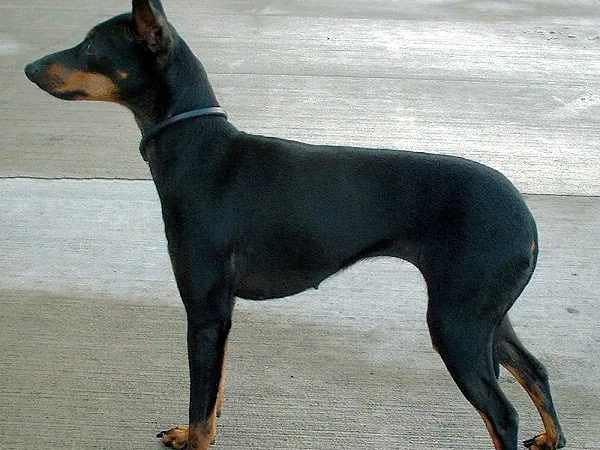
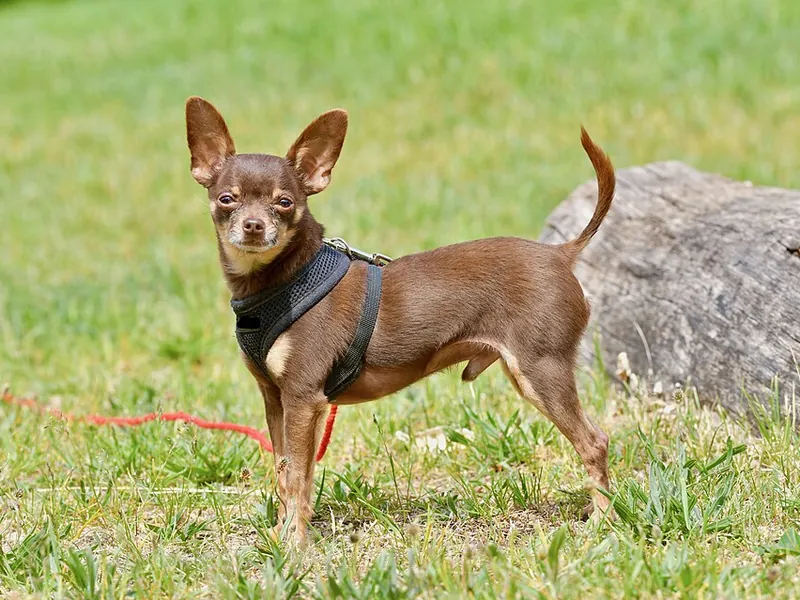
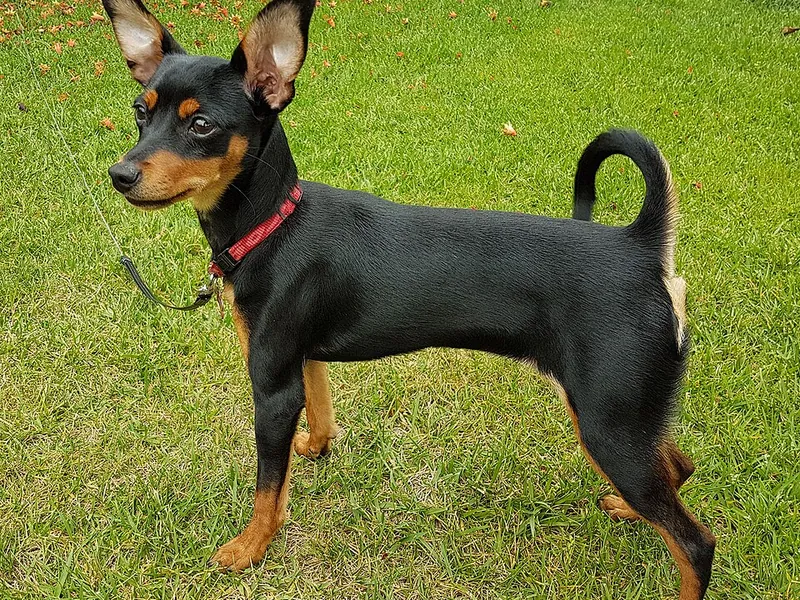
The Prazsky Krysarik is one of the smallest dog breeds, standing 8 to 9 inches and weighing 3 to 8 lb. It is nearly square in outline, with a slender but well-muscled body and fine, straight legs. The head is pear-shaped with a slight stop, dark eyes and large, erect triangular ears.
Males and females are similar in size, with the FCI standard giving an ideal weight of about 5.7 lb.
The coat is short, smooth and glossy. A longer-coated variety, with fringes on the ears, legs and tail, is accepted in some registries. Colors include:
- Black and tan, the most common
- Brown and tan
- Blue and tan
- Lilac and tan
- Red, yellow or merle in some registries
Tan markings appear above the eyes, on the cheeks, chest and legs. Merle-to-merle breeding should be avoided because of health risks.
Temperament and Personality
Prague Ratters are affectionate, playful and attached to their people. They are usually quieter than many toy breeds but alert enough to notice visitors.
Despite their size, they have a real prey drive and may chase small animals. They tend to get along with gentle dogs and can be reserved with strangers.
Prague Ratters are often described as balanced and less nervous than some tiny breeds. They are curious and like to follow their owners around the house. Many are adaptable travelers and fit easily into city life. With good early socialization, they are confident rather than yappy.
Are Prague Ratters Good for First-Time Owners?
Yes, Prague Ratters can be good for first-time owners. They are affectionate, adaptable and quieter than many toy breeds, with modest exercise needs that suit busy or city-based beginners.
New owners should be ready for:
- Protecting a very small, fine-boned dog from falls and rough play
- Consistent housetraining, which can take months
- Regular tooth brushing and dental checks
- A long search for a breeder, since the breed is rare in the US
Positive training and early socialization with people, other gentle dogs and city noise help them grow into confident, sociable companions rather than nervous ones.
Are Prague Ratters Easy to Train?
Prague Ratters are generally easy to train. They are intelligent, curious and food-motivated, and they respond well to positive reinforcement.
Training tips for this breed:
- Use tiny treats and keep sessions short and upbeat
- Stay consistent with housetraining, using frequent trips outside or an indoor potty area
- Teach recall early, as their ratting instinct can show around small animals
- Socialize widely to prevent shyness with strangers
Many enjoy trick training and small-dog agility. Housetraining is usually the main challenge, as with many toy breeds, rather than learning cues.
Can Prague Ratters Be Left Alone?
Prague Ratters can manage short periods alone, but they are very attached to their people and do not cope well with long absences.
Helpful steps:
- Train alone time gradually from puppyhood
- Provide a cozy, warm and safe space such as a playpen
- Leave a small chew or puzzle toy
- Keep the home warm, as they feel the cold
Avoid leaving them loose where they can jump from furniture, a common cause of injury. For longer workdays, consider a pet sitter or bringing the dog along where allowed. Their tiny size makes them easy companions for travel and pet-friendly workplaces.
Exercise and Training
Short daily walks and indoor play meet their needs. They enjoy trick training and short games.
- Use positive reinforcement; they learn well.
- Protect them from rough play with larger dogs.
- House-training needs consistency, as with many toy breeds.
Even small dogs need daily outings. Short walks, sniffing time and play keep them fit and mentally content. Avoid letting them jump from furniture or be carried by children, as falls are a common cause of injuries in very small dogs.
Grooming and Shedding
The coat is short and glossy, usually black and tan or brown and tan. A weekly wipe or brush is enough. A longer-coated variety exists in some countries.
They feel the cold, so a sweater helps in winter. Brush teeth often.
Nails grow quickly on toy breeds that walk mainly on soft surfaces, so trim them every few weeks.
Feeding and Nutrition
Prague Ratters are tiny dogs with fast metabolisms, and every gram counts. A few extra treats a day can be a large share of a 3 to 8 lb dog's needs, and extra weight strains fine bones and small knees prone to luxation. Aim for a slim body with ribs easy to feel and a visible waist.
Puppies are prone to low blood sugar if they skip meals. Feed four small meals a day until about four months, then three until six months, and two for adults. Watch for weakness or trembling in a puppy that has missed a meal and contact your vet if it occurs.
Toy breeds often have crowded teeth and retained baby teeth:
- Choose food sized for tiny mouths
- Brush teeth several times a week
- Ask your vet to check for retained puppy teeth by six months
Use very small treats for training, broken into pieces, and count them in the daily ration. Avoid table scraps.
| Adult weight | Less active | Typical adult | Very active |
|---|---|---|---|
| 3 lb | 120 kcal | 140 kcal | 180 kcal |
| 6 lb | 210 kcal | 240 kcal | 300 kcal |
| 8 lb | 260 kcal | 290 kcal | 370 kcal |
Estimates use the resting energy formula veterinarians work with (70 × body weight in kg0.75) and standard activity factors. Use the feeding guide on your food as a starting point and adjust to body condition. Puppies, seniors, pregnant animals and pets that need to lose weight have different needs, so ask your vet.
Health and Lifespan
Prague Ratters usually live 12 to 14 years. Dental problems, retained baby teeth and patellar luxation are common in very small breeds. Their fine bones can break from falls or jumps.
Merle coloring is accepted in some registries; merle-to-merle breeding should be avoided. Choose breeders who test knees and eyes.
Dental care is especially important: brush teeth several times a week and schedule regular veterinary dental checks. Keep your dog at a healthy weight, since extra weight strains small joints.
Prazsky Krysarik Price and Cost of Ownership
Prague Ratters are rare in the US, with only a handful of breeders, and there is no reliable published price range. Prices vary by breeder, region and lines. Some owners import puppies from the Czech Republic or elsewhere in Europe, which adds transport, health certificates and sometimes travel costs.
Adoption is uncommon, though toy breed rescues occasionally see similar dogs.
Breed-specific ongoing costs:
- Dental cleanings and extraction of retained baby teeth
- Knee and eye screening
- Sweaters and coats for winter
- Ramps or steps to protect fragile legs from jumping
- Insurance covering fractures and knee problems
Food costs are very low for a dog this size.
Is the Prazsky Krysarik Right for You?
This breed suits adults and calm families in apartments or houses who want a small, affectionate companion.
It is not ideal for homes with very young children or rough play.
A Prague Ratter is a good fit for owners who want a portable, sociable companion and are home much of the day. Families with older, gentle children can do well too.
Prospective owners should know that this is a rare breed outside Europe, so locating a reputable breeder may take time.
Prazsky Krysarik Traits at a Glance
Prazsky Krysarik FAQ
How big do Prague Ratters get?
They stand about 8 to 9 inches tall and weigh 3 to 8 lb.
Are Prague Ratters good apartment dogs?
Yes. Their small size and moderate needs make them well suited to apartments.
Do Prague Ratters bark a lot?
They are generally quieter than many toy breeds but will alert to visitors.
How long do Prague Ratters live?
Typically 12 to 14 years.
Are Prague Ratters good with children?
They are fragile, so they suit homes with older, gentle children better than families with toddlers.
Do Prague Ratters shed?
They shed lightly. Their short coat needs only a weekly brush.