French BulldogCharming companion with real health needs
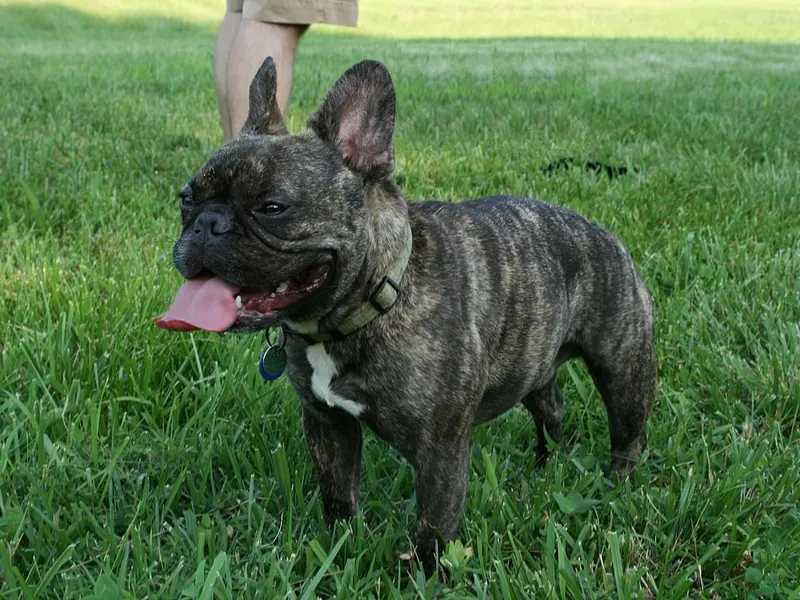
The French Bulldog is a small, muscular companion with bat ears and a playful, affectionate nature. It needs little exercise or grooming, but its flat face and compact build bring serious health risks, so careful breeder choice and heat management are essential.
Why people love the French Bulldog
- Needs only modest daily exercise
- Adapts well to apartments and city life
- Usually friendly with visitors, kids and other pets
- Barks less than many small breeds
- Short coat is quick to groom
Things to consider
- Flat face often causes breathing problems (BOAS)
- Poor heat tolerance; needs air conditioning in summer
- Vet bills can be high, including surgery
- Struggles when left alone for long hours
- Often cannot swim safely
Health note: this breed is affected by health concerns linked to its body shape. Read the health section and choose a breeder who health-tests and breeds for moderate features.
Is this breed right for you?
10 questions · live resultHistory and Origin
In the 19th century, lace workers from Nottingham who moved to northern France took small bulldogs with them. In France these dogs were crossed with local breeds and became fashionable companions in Paris, where the distinctive upright bat ears developed. American fanciers in the late 1800s insisted on keeping the bat ear in the breed standard, and the French Bull Dog Club of America was founded in 1897.
The AKC recognized the breed in 1898. Popularity surged in the 2010s, and the Frenchie has topped AKC registration rankings in recent years. That boom has also drawn attention to health problems linked to the breed's shape.
Size, Colors and Ears
The French Bulldog is a small but heavy-boned dog, compact and muscular, standing about 11 to 13 inches and weighing 18 to 28 lb. The AKC standard sets 28 lb as the upper limit. Males are usually a little broader and heavier in the head than females, though the difference is modest.
The hallmarks are the large, upright bat ears with rounded tips, the square head with a short muzzle, and a short tail that may be straight or screwed but is never docked. The coat is short, fine and smooth.
The AKC accepts brindle, fawn, white, cream and combinations of these, including brindle and white or fawn and white pied, often with a black mask. Fashionable colors such as blue, lilac, chocolate and merle are not accepted in the standard. Merle does not occur naturally in the breed, and dilute colors are linked to a coat and skin condition called color dilution alopecia. Price tags for rare colors say nothing about health.
Temperament and Personality
Frenchies are cheerful, affectionate and comical. They enjoy attention, follow their people around and are usually friendly with visitors, children and other pets. They bark less than many small breeds, although they make plenty of snorts and grunts.
They can be stubborn and are strongly attached to their owners, often struggling with being left alone. Some French Bulldogs guard toys or food or do not get along with other dogs, so early socialization helps.
Are French Bulldogs Good Apartment Dogs?
Yes, French Bulldogs are among the best-suited breeds for apartment living. They are small, rarely bark and are content with short walks plus play indoors.
A few practical points matter more than floor space. Frenchies need a cool home in summer, so air conditioning is close to essential in hot regions. Stairs can be hard on their backs, so an elevator or a willingness to carry the dog helps as it ages. Their snoring and snorting can be surprisingly loud through thin walls. Finally, apartment dogs still need daily outings for toilet breaks and mental stimulation, kept short and timed for cool parts of the day.
Are French Bulldogs Easy to Train?
French Bulldogs are moderately easy to train: they are food-motivated and eager for attention, but they have a stubborn streak and a short attention span.
Short sessions of five to ten minutes work far better than long drills. Use small, soft treats and plenty of praise, and stop while the dog is still keen. House training is often the slowest part, so a consistent schedule and frequent trips outside are important, especially in rain or cold, which many Frenchies dislike. Avoid physically demanding training, and skip activities like long jogs or high jumps. Many Frenchies do well in trick training, rally and canine good citizen classes, which suit their playful, people-focused nature.
Do French Bulldogs Bark a Lot?
No, French Bulldogs are generally quiet dogs that bark mainly to alert you to visitors or unusual sounds.
That does not make them silent. Frenchies are known for a wide range of noises: snorts, grunts, yodel-like grumbles and loud snoring. Some of this is personality, but noisy breathing at rest can also signal airway problems, so it is worth mentioning to your vet. Excessive barking in a Frenchie usually points to boredom or anxiety when left alone, since the breed is very attached to its people. Building up alone time gradually and giving chew toys or food puzzles helps prevent this.
Exercise and Training
Daily walks totaling 30 to 60 minutes, plus play, are enough for most Frenchies. Walk in the cooler parts of the day, keep outings short in warm weather and watch for noisy breathing, which can signal distress. Many French Bulldogs cannot swim well because of their heavy front end, so supervise them closely near water.
Training works best in short, reward-based sessions. Frenchies are often food-motivated but independent, and house training may take patience. Use a harness rather than a collar to avoid pressure on the airway.
Grooming and Shedding
The short, fine coat needs only weekly brushing, though Frenchies shed more than many people expect. Clean the facial folds and the area around the tail regularly to prevent skin infections, and dry them thoroughly. Check the large, open ears often, as they catch dirt. Trim nails and keep teeth clean.
Feeding and Nutrition
Keeping a French Bulldog lean is one of the most useful things you can do for its health. Extra weight makes breathing harder for a dog with a short airway, adds strain to a spine already prone to disc disease and reduces heat tolerance. You should be able to feel the ribs easily under a thin layer of fat, and the dog should have a visible waist from above.
- Feed two measured meals a day for adults and three or four for young puppies.
- A slow-feeder bowl or puzzle feeder helps Frenchies that gulp, which can cause regurgitation and swallowed air.
- A shallow, wide bowl is easier for a flat face to use.
Skin and digestive sensitivities are common in the breed. If your dog has itchy skin, ear problems or loose stools, work with your vet on a structured elimination trial rather than switching foods repeatedly. Training treats should be tiny and counted as part of the daily ration, since Frenchies are food-motivated and gain weight quickly. Avoid hard chews that are too large for the short jaw, and keep feeding calm after walks so the dog can catch its breath before eating.
| Adult weight | Less active | Typical adult | Very active |
|---|---|---|---|
| 18 lb | 470 kcal | 540 kcal | 680 kcal |
| 28 lb | 660 kcal | 750 kcal | 940 kcal |
Estimates use the resting energy formula veterinarians work with (70 × body weight in kg0.75) and standard activity factors. Use the feeding guide on your food as a starting point and adjust to body condition. Puppies, seniors, pregnant animals and pets that need to lose weight have different needs, so ask your vet.
Health and Lifespan
The shortened skull and muzzle cause brachycephalic obstructive airway syndrome (BOAS) in many French Bulldogs. Signs include loud breathing, snoring, poor tolerance of exercise and heat and, in severe cases, collapse. Some dogs need surgery to widen the nostrils or shorten the soft palate. Other common problems include malformed spinal vertebrae and disc disease, skin fold infections, allergies, eye ulcers and cherry eye, and many litters are delivered by cesarean section.
In Germany, veterinary welfare experts classify breeding for these extreme features as a welfare problem under animal protection law. If you choose a Frenchie, look for a breeder who selects for a longer muzzle, open nostrils and good breathing and who uses respiratory function grading where available, or consider adopting from a rescue. Lifespan is typically 10 to 12 years.
French Bulldog Price and Cost of Ownership
Typical breeder price in the US$2,000 to $5,000
A French Bulldog puppy from a reputable US breeder typically costs about $2,000 to $5,000, and some breeders charge more. Prices vary by breeder, region and lines. Breeders asking a premium for rare colors such as blue, lilac or merle are a warning sign rather than a mark of quality. Because most litters are born by cesarean section and breeding is costly, extremely cheap puppies are also a red flag.
Adoption is a realistic option: breed-specific rescues place many French Bulldogs, often surrendered because of medical costs.
The main ongoing cost driver is veterinary care. Airway surgery, spinal disc disease, skin allergies and eye ulcers can each run into large bills, so pet insurance taken out early, before conditions are diagnosed, is worth comparing. Some insurers charge higher premiums for brachycephalic breeds. Budget also for air conditioning in summer, a well-fitted harness and regular skin-fold care.
Is the French Bulldog Right for You?
The French Bulldog suits apartment dwellers and families who want an affectionate companion that needs little exercise, provided someone is home often. It adapts well to city living.
Owners must budget for potentially significant veterinary costs, avoid heat and strenuous activity and be prepared for breathing and spinal issues. It is not a good choice for runners, hot homes without air conditioning or long days alone.
French Bulldog Traits at a Glance
French Bulldog FAQ
Are French Bulldogs good family dogs?
Yes, they are affectionate and generally good with children and other pets. Families should be ready for their health needs and the cost of veterinary care.
How big do French Bulldogs get?
Adults weigh about 18 to 28 lb and stand around 11 to 13 inches at the shoulder.
Do French Bulldogs shed?
Yes, moderately. Their coat is short but sheds more than many owners expect, and weekly brushing helps.
Why do French Bulldogs snore?
Their short muzzle and narrow airways restrict breathing, causing snoring and snorting. Loud breathing, even at rest, can indicate BOAS and should be checked by a vet.
Can French Bulldogs be left alone?
They prefer company and can become anxious or destructive when left alone for long periods.
How long do French Bulldogs live?
French Bulldogs usually live 10 to 12 years, depending heavily on breathing and spinal health.