Ratonero Bodeguero AndaluzThe sherry cellar ratter of Andalusia
The Ratonero Bodeguero Andaluz was bred to keep rats out of the wine cellars of southern Spain, and it still brings that alert, quick-footed energy into every home. Compact, short-coated and fond of people, it suits active owners who enjoy a busy little dog with a big hunting instinct.
Why people love the Ratonero Bodeguero Andaluz
- Very easy short-coat care
- Friendly and patient with children
- Compact, sturdy size
- Quick learner with reward-based training
- Heat-tolerant breed from southern Spain
Things to consider
- Strong prey drive toward small animals
- Recall hard to build around wildlife
- Barks at noises and visitors
- Dislikes long hours alone
- Rare outside Spain
Is this breed right for you?
10 questions · live resultHistory and Origin
The breed comes from Andalusia, particularly the area around Jerez de la Frontera and Cádiz, where sherry has been aged in large bodegas for centuries. The barrels and stored grain attracted rodents, and local cellar workers kept small, fast terriers to hunt them. The name says it plainly: ratonero means ratter and bodeguero refers to the wine cellar.
These dogs are generally thought to descend from British terriers, likely smooth-coated fox terrier types brought over by English merchants involved in the sherry trade, crossed with local Spanish dogs. The result was a hardier, heat-tolerant ratter that also worked on farms and stables. The Spanish Kennel Club (RSCE) recognizes the breed nationally, and it has become a familiar sight in rural Andalusia and at Spanish fairs.
Size, Colors and Coat
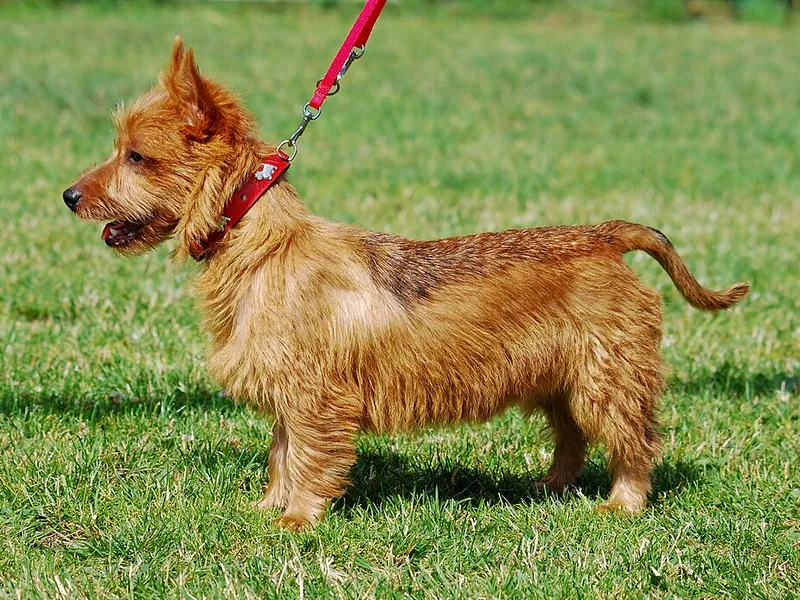
The Ratonero Bodeguero Andaluz is a compact, athletic terrier standing 14 to 17 inches at the shoulder and weighing 18 to 26 lb. Males are slightly larger and more muscular than females. The body is roughly square, with a strong back and long, lean legs built for speed.
The head is wedge-shaped with a strong jaw and dark, alert eyes. Ears are erect or semi-erect, triangular and set high. The tail is traditionally docked in Spain, but natural tails are increasingly common where docking is restricted.
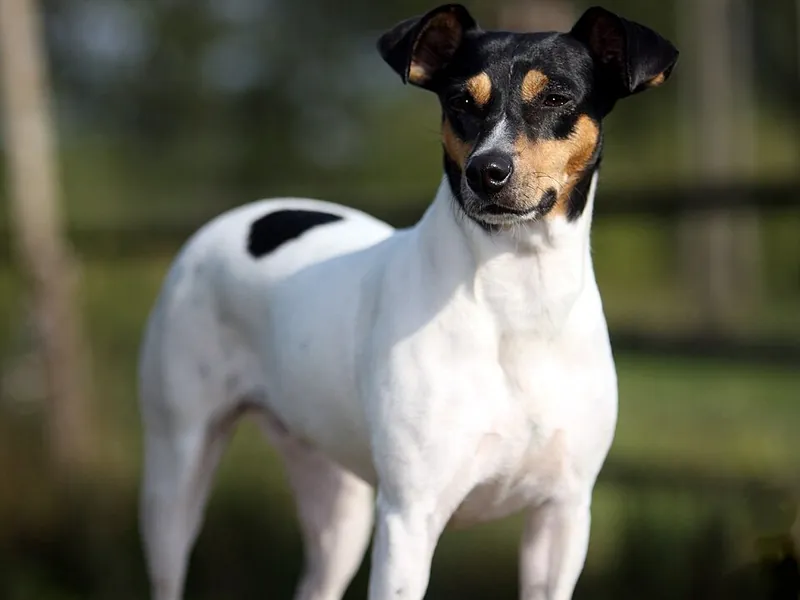
The coat is short, fine and close-lying. The classic color pattern is:
- Predominantly white body
- A black and tan head, often with a tan mask
- Small black patches on the body in some dogs
Bicolor dogs with fewer markings also occur. The thin coat offers little protection from cold weather.
Temperament and Personality
Bodegueros are cheerful, bold and highly alert. They notice everything that moves, and anything small and fast, from mice to lizards, will trigger an immediate chase. Indoors they are affectionate and like to stay close to their family.
Most are friendly and patient with children, which is one reason the breed is popular as a family dog in Spain. With other dogs they are usually sociable, but small pets such as hamsters, rats or rabbits are a real risk. Cats can work if the dog is raised with them, though outdoor cats may still be chased.
Is the Ratonero Bodeguero Andaluz Good for First-Time Owners?
A Bodeguero can suit a first-time owner who is active and ready to train, though its terrier instincts need management.
Its easy coat, friendly nature and compact size make daily care straightforward. The challenges are prey drive, alert barking and energy. Beginners should plan daily vigorous exercise, puppy classes and short, varied training sessions. Keep the dog leashed near wildlife and roads, and fence the yard securely, since Bodegueros dig and chase. Owners who enjoy dog sports such as agility or barn hunt usually find this breed rewarding.
Do Bodegueros Bark a Lot?
Bodegueros are alert barkers: they announce visitors, noises and movement outside, but are not usually nonstop barkers when their needs are met.
Barking increases with boredom, loneliness or lack of exercise. In apartments, hallway sounds may trigger alerts. Teach a quiet cue early, reward calm behavior at doors and windows and provide plenty of exercise and mental work. Scent games and food puzzles help. A dog left alone for long periods is more likely to bark persistently, so plan for a dog walker on long days.
Are Bodegueros Easy to Train?
Yes, Bodegueros generally learn quickly and enjoy reward-based training, though they can be distracted by anything small and moving.
They respond well to short, varied sessions with food and play rewards. Tricks, agility and barn hunt are good outlets for their quick minds. The hardest skill is recall around prey, so practice on a long line and keep the dog leashed in risky areas. Impulse control exercises, such as waiting at doors and leaving dropped food, help build focus. Harsh methods are unnecessary and tend to make terriers less cooperative.
Exercise and Training
This is a working terrier that needs daily outlets. Plan on at least an hour of activity, including brisk walks, games of fetch and chances to sniff and search. Many enjoy agility, scent games and barn hunt style activities that let them use their ratting instinct legally and safely.
They learn quickly and respond well to reward-based training with short, varied sessions. A reliable recall is hard to build in a dog with this prey drive, so keep walks near roads or wildlife on leash and use a secure, dig-proof fence. Bodegueros do not like long hours alone and may bark or dig when bored.
Grooming and Shedding
The short, fine coat is about as low-maintenance as coats get. A weekly rub with a rubber mitt or soft brush removes loose hair, and baths are only needed when the dog gets dirty. The breed is typically white with black and tan markings on the head, often with small black patches on the body.
Because the coat is thin, the dog feels the cold, so a jacket can help in northern winters. Trim nails regularly, check ears and brush teeth several times a week.
Feeding and Nutrition
Bodegueros are lean, athletic terriers, and an active dog may need more food than its size suggests. Aim for a defined waist and easily felt ribs; with a short coat, condition is easy to judge visually. Reduce portions in less active periods and in senior years to avoid weight gain.
- Feed puppies three or four small meals a day and adults two.
- Use small treats in training and deduct them from the daily ration.
- Provide plenty of fresh water, especially in hot weather.
As a breed developed in the heat of Andalusia, the Bodeguero is fairly heat-tolerant, but it still needs shade and water on hot days. Avoid feeding large meals right before vigorous exercise.
Dental care is important, as small terriers are prone to tartar buildup. Brush teeth several times a week and use appropriate chews.
Food puzzles and scatter feeding offer mental stimulation that suits a dog bred to search and hunt. No breed-specific food sensitivities are documented.
| Adult weight | Less active | Typical adult | Very active |
|---|---|---|---|
| 18 lb | 470 kcal | 540 kcal | 680 kcal |
| 26 lb | 620 kcal | 710 kcal | 890 kcal |
Estimates use the resting energy formula veterinarians work with (70 × body weight in kg0.75) and standard activity factors. Use the feeding guide on your food as a starting point and adjust to body condition. Puppies, seniors, pregnant animals and pets that need to lose weight have different needs, so ask your vet.
Health and Lifespan
No major breed-specific diseases are well documented, and the breed is generally described as sturdy. One issue reported in males is cryptorchidism, meaning one or both testicles fail to descend, which a vet should evaluate. Like other small terriers, they may also be prone to dental tartar, so dental care matters.
Reliable lifespan figures are scarce, but small, healthy terriers of this size commonly live well into their teens with good care. Buy from breeders who health-check parents and can show a pedigree registered with the Spanish Kennel Club, or consider breed rescues in Spain.
Ratonero Bodeguero Andaluz Price and Cost of Ownership
The Ratonero Bodeguero Andaluz is rare in the US, and most puppies are imported from Spain. Expect transport costs and a search through Spanish breeders registered with the Spanish Kennel Club. Prices vary by breeder, region and lines. Rescue groups in Spain sometimes rehome Bodegueros and mixes abroad.
Breed-specific cost drivers include:
- Import and travel expenses
- Secure, dig-proof fencing
- Training classes and dog sports such as agility or barn hunt
- Dental cleanings under anesthesia over the years
- Vet evaluation of cryptorchidism in males, which may require surgery
- Winter coats in colder climates
Grooming costs are minimal, and food costs are low for a dog of 18 to 26 lb.
Is the Ratonero Bodeguero Andaluz Right for You?
A Bodeguero is a good match if you:
- Want a small, sturdy dog with very easy coat care
- Have time for daily exercise and play
- Have children and want a friendly, playful companion
Think twice if you keep small pets, are away from home for long workdays, or want a dog you can let off leash anywhere. Apartment life can work if exercise needs are met, but expect alert barking at noises.
Ratonero Bodeguero Andaluz Traits at a Glance
Ratonero Bodeguero Andaluz FAQ
Is the Ratonero Bodeguero Andaluz a good family dog?
Yes, most are friendly and playful with children and bond closely with their family. Supervise interactions with small pets, since the breed's ratting instinct is strong.
How big does a Ratonero Bodeguero Andaluz get?
Adults usually stand about 14 to 17 inches at the shoulder and weigh around 18 to 26 lb.
Does the Ratonero Bodeguero Andaluz shed?
It sheds lightly to moderately. The short coat is easy to care for with a weekly brushing.
How much exercise does a Bodeguero need?
Plan for at least an hour a day of walks, play and sniffing games. Mental work such as scent games helps keep this busy terrier content.
Can a Bodeguero live with cats?
Many can if raised with them from puppyhood, but rodents, rabbits and other small pets are usually not safe around this breed.