Transylvanian HoundA calm hunter from the Carpathian forests
The Transylvanian Hound, or Erdélyi Kopó, is a black and tan Hungarian scenthound developed to hunt in the forests and mountains of the Carpathian Basin. It is calm and balanced at home but has a powerful hunting drive outdoors. It suits patient, active owners with secure space.
Why people love the Transylvanian Hound
- Calm, balanced and devoted with its family
- Courageous, enduring hunting dog
- Short, easy-care coat
- Quiet indoors when well exercised
- Generally healthy, with no breed-specific defects listed by the AKC
Things to consider
- Strong prey drive and independent on a scent
- Needs an hour or more of daily exercise
- Not suited to off-leash walks in open areas
- Very rare in the US
- High-pitched voice on the trail
Is this breed right for you?
10 questions · live resultHistory and Origin
Hounds of this type were used by Hungarian nobility in Transylvania for centuries. Historically there were two varieties: a tall one for big game such as boar, deer and bear in forests, and a short-legged one for fox and hare in rocky terrain. Today the tall variety is the one commonly bred.
Changes in land use and the upheavals of the 20th century pushed the breed close to extinction. Hungarian enthusiasts began a recovery program in the late 1960s, and the breed has since been rebuilt. It is recognized by the FCI, and in the US it is recorded through the AKC Foundation Stock Service.
The breed's black coat with tan markings and its light, enduring trot suit long days in mountain forests. It is known for a high-pitched, carrying voice on the trail.
Size, Varieties, Coat and Colors
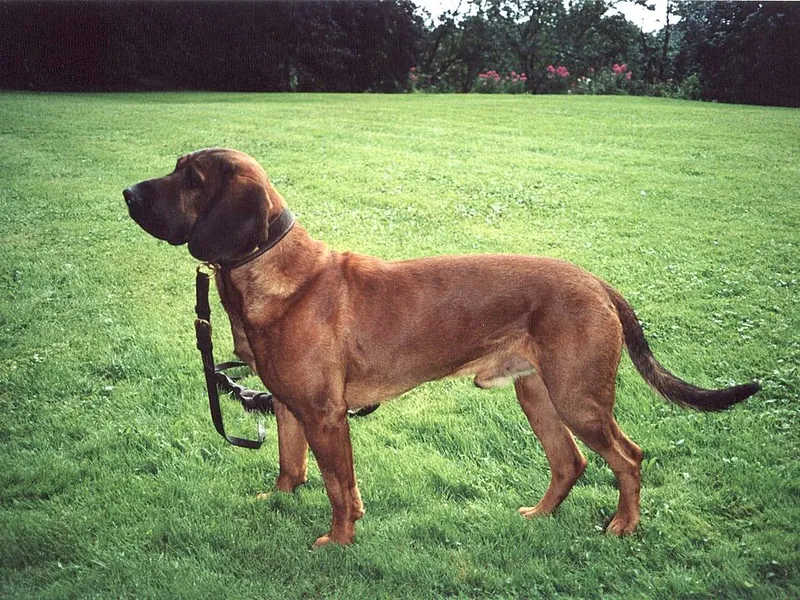
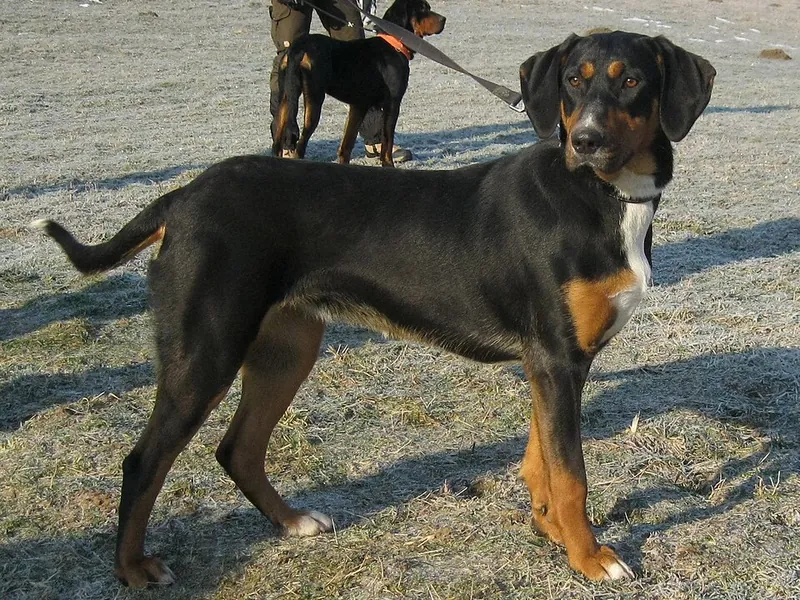
The Transylvanian Hound is a medium to large scent hound with a lean, muscular body, long legs and an elegant outline. Adults stand about 22 to 26 inches at the shoulder and weigh roughly 55 to 77 lb. Males are larger and heavier than females, with a stronger head.
Historically, there were two varieties:
- The tall variety, used for big game in forests, which is the one commonly bred today
- The short-legged variety, used for smaller game in rocky terrain, now very rare
The head is long with a slightly domed skull, dark eyes and medium-length ears that hang close to the cheeks. The tail is long and carried low, rising slightly when the dog is alert.
The coat is short, dense and harsh, lying flat to the body, with a thicker winter coat.
Color is black with tan markings on the muzzle, eyebrows and legs. A white blaze on the chest or white toes may appear. The black-and-tan pattern is a defining breed trait.
Temperament and Personality
The Transylvanian Hound is described as good-natured, calm and balanced, devoted to its family and courageous in the field. It is usually reserved rather than unfriendly with strangers.
Its prey drive is very strong, and it can be independent once it picks up a scent. Behavior with children and other pets depends heavily on socialization, and small pets may not be safe.
At home, a well-exercised Transylvanian Hound is usually quiet and adaptable. It tends to bond strongly with its family and can be watchful when strangers approach.
Its courage in the field is matched by a fairly gentle nature at home, and it is generally not a quarrelsome dog with other hounds.
Is the Transylvanian Hound Good for First-Time Owners?
Generally not. While the Transylvanian Hound is calm and devoted with its family, its strong prey drive, independence on a scent and high exercise needs require experience.
First-time owners would need to commit to daily long walks or hikes, tracking or scent work, secure fencing and patient, reward-based training. Recall will not be reliable around wildlife. The breed's rarity in the US also means fewer resources and mentors. Experienced hound owners, especially in rural areas, are best suited to the breed.
Are Transylvanian Hounds Good With Other Dogs?
Generally yes. The breed is described as not quarrelsome with other hounds and often enjoys canine company, especially when raised with other dogs. Historically these hounds often worked alongside others in the field.
Early socialization with stable dogs helps, and introductions should be gradual. Some individuals may be selective, so watch body language and supervise early interactions. Small pets are a different matter, as the breed's prey drive is strong. Cats raised with the dog may be accepted, but unfamiliar cats and wildlife are likely to be chased, so keep it leashed outside fenced areas.
Can a Transylvanian Hound Live in an Apartment?
It is not recommended. The Transylvanian Hound is calm indoors when exercised, but it needs an hour or more of daily activity, ideally with tracking or long hikes, and does best with a secure yard where it can move around between outings.
Apartment owners would need to provide extensive daily exercise and scent work, plus a plan for its high-pitched, carrying voice, which can disturb neighbors if the dog is bored or left alone. A strong adult pulling on a scent also makes busy city sidewalks harder. A rural or suburban home with a secure fence and easy access to forests or fields suits the breed far better.
Exercise and Training
An hour or more of daily exercise is needed, ideally with tracking or long hikes. The breed has great stamina.
- Let it run free only in securely fenced areas.
- Training requires patience; use rewards and keep sessions short.
- Do not leave it alone for long periods.
- Tracking, mantrailing and long hikes satisfy the breed's instincts.
- Start leash manners early; adults are strong pullers on a scent.
- Practice recall in safe areas with high-value rewards.
Grooming and Shedding
The short, dense coat needs weekly brushing and occasional baths. Check ears and paws after outings in forests.
Shedding is moderate. Keep nails trimmed, and check for ticks after outings in woods and fields.
Feeding and Nutrition
The Transylvanian Hound is an enduring, athletic dog, and its food needs depend on workload. Dogs hunting or hiking long distances need more energy than those on regular walks. Adjust portions to body condition and keep the dog lean, with ribs easy to feel.
Puppies should eat a diet for medium to large breeds to support steady growth. Avoid overfeeding to protect developing joints; hip screening is recommended in breeding stock.
- Feed puppies three to four meals a day and adults two.
- As a deep-chested hound, avoid hard exercise around mealtimes.
- On hunting or hiking days, give a light snack before activity and the main meal after rest.
- Carry water on long outings.
Use high-value rewards for recall training, deducted from daily food. Food puzzles and scatter feeding engage the hound's nose at home.
| Adult weight | Less active | Typical adult | Very active |
|---|---|---|---|
| 55 lb | 1,090 kcal | 1,250 kcal | 1,560 kcal |
| 77 lb | 1,410 kcal | 1,610 kcal | 2,010 kcal |
Estimates use the resting energy formula veterinarians work with (70 × body weight in kg0.75) and standard activity factors. Use the feeding guide on your food as a starting point and adjust to body condition. Puppies, seniors, pregnant animals and pets that need to lose weight have different needs, so ask your vet.
Health and Lifespan
The AKC describes the breed as generally healthy, with no breed-specific defects listed. Reliable lifespan data is limited. Ask breeders about hip screening and parents' health.
Keep ears clean, especially after wet or brushy outings, and maintain a lean body condition to support joints. Regular veterinary checks help catch problems early.
Transylvanian Hound Price and Cost of Ownership
The Transylvanian Hound is very rare in the US, and there is no reliable published price range. Most breeders are in Hungary and neighboring countries, so acquiring a dog often means importing, which adds transport, paperwork and travel costs. Prices vary by breeder, region and lines, and breeders often prefer homes that hunt or do serious tracking work.
US rescue options are very unlikely, though hound clubs may help with contacts.
Breed-specific ongoing costs include:
- Import and travel costs
- Secure, tall fencing
- Tracking or scent work classes
- GPS collars for outdoor activities
- Hip screening if you plan to breed
- Tick prevention for dogs working in forests
Is the Transylvanian Hound Right for You?
The breed suits experienced, active owners with rural homes. It is not suited to apartments or owners who want off-leash walks.
For a patient owner who enjoys long days outdoors, the Transylvanian Hound is a calm, loyal companion with a rich history. Puppies are mostly available in Hungary and nearby countries.
Transylvanian Hound Traits at a Glance
Transylvanian Hound FAQ
How big do Transylvanian Hounds get?
They stand about 22 to 26 inches and weigh roughly 55 to 77 pounds.
Is the Transylvanian Hound rare?
Yes. It nearly died out in the 20th century and is still uncommon outside Hungary.
Is the Transylvanian Hound a good family dog?
It can be calm and devoted with family, but needs exercise and secure fencing.
Can Transylvanian Hounds live with cats?
With caution; their prey drive is strong.
Do Transylvanian Hounds bark a lot?
They give voice on the trail and may howl when bored, but are generally quiet at home when exercised.
How much exercise does a Transylvanian Hound need?
At least an hour a day, ideally with tracking or long hikes.