WetterhounFriesland's curly-coated water dog
The Wetterhoun is a sturdy, curly-coated dog from the Dutch province of Friesland, once used to hunt otters and polecats along canals and ditches. Calm at home but alert and reserved with strangers, it is a capable all-rounder for an experienced owner who values an independent character.
Why people love the Wetterhoun
- Calm and steady indoors
- Loyal, watchful family companion
- Loves water and swimming
- Low-maintenance curly coat
- Versatile for retrieving, tracking and hunting
Things to consider
- Strong will; needs patient training
- Reserved with strangers; territorial if unguided
- Needs at least an hour of daily exercise
- Tiny population; very rare in the US
- Not ideal for first-time owners
Is this breed right for you?
10 questions · live resultHistory and Origin
Wetter means water in Frisian, and the breed was developed by farmers and fishermen in Friesland, in the northern Netherlands, to control otters and polecats that raided fish stocks and poultry. The dogs had to swim in cold water, work through reeds and tackle tough quarry, which shaped their courage and oily, curly coat.
Over time Wetterhouns also served as farm guards and as retrievers for duck hunters. The Dutch kennel club recognized the breed in 1942, and it remains rare even in its home country, with a small population that breeders manage carefully. The AKC records it in its Foundation Stock Service.
Size, Curly Coat and Colors
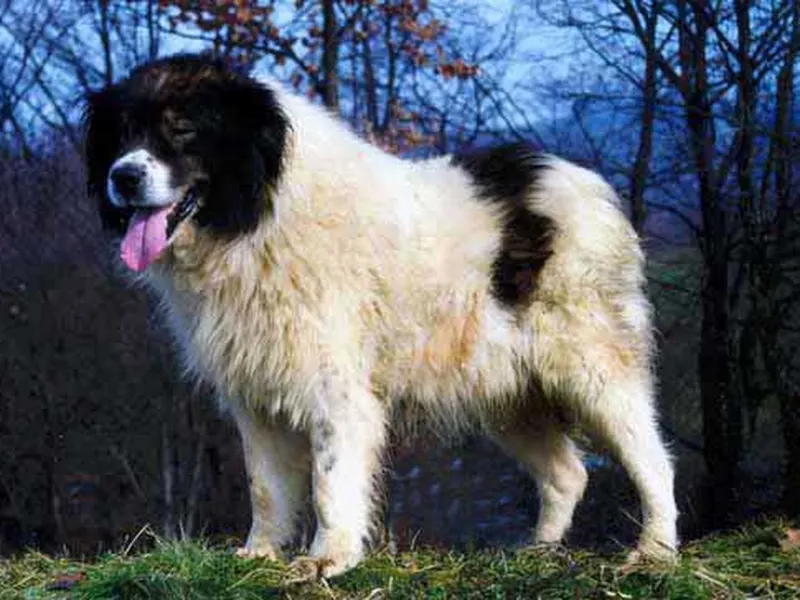
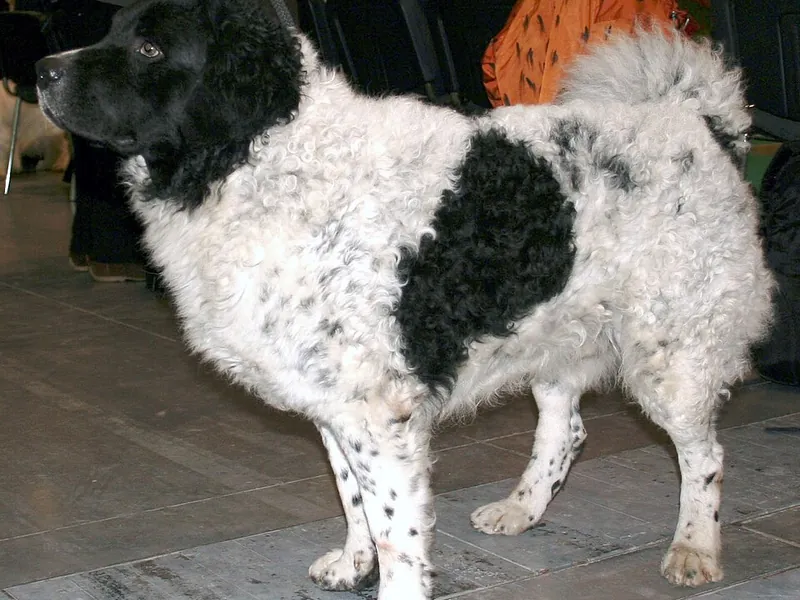
The Wetterhoun is a strong, medium-large Frisian water dog standing about 22 to 23 inches and weighing roughly 51 to 75 lb. It is sturdily built, slightly longer than tall, with a broad head, a strong muzzle and low-set ears that hang close to the head. The tail is carried in a tight curl over the back when the dog is moving, a feature that sets it apart from many water dogs.
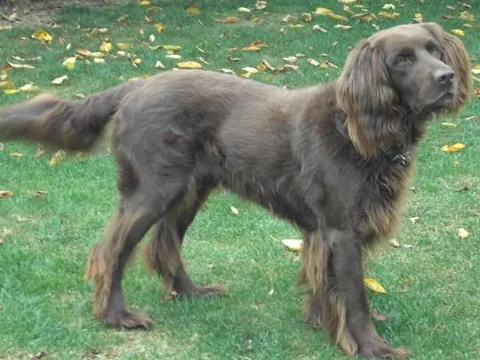
The coat is distinctive. Over most of the body it forms tight, oily curls that shed water, while the hair on the head and legs is smoother. The curls should be dense and close to the body, never woolly or loose.
Accepted colors are black, brown, black and white, and brown and white. Some dogs show ticking or roan in the white areas. Males are usually larger and more powerful than females, with a broader head. The breed's very small population means appearance can vary between lines.
Temperament and Personality
The Wetterhoun is typically calm and steady indoors, loyal to its family and serious about its territory. Toward strangers it is reserved and watchful rather than overtly friendly, and it will alert you to anything unusual.
It is known for a strong will. A Wetterhoun likes to consider a request before complying, and it can react badly to rough handling. Fair, consistent leadership and early socialization with people, dogs and different environments help it grow into a confident, sensible adult.
Are Wetterhouns Good for First-Time Owners?
Generally no. The Wetterhoun is best for experienced owners who understand strong-willed, territorial breeds.
The breed is loyal and calm, but it likes to consider requests before complying, reacts badly to rough handling and needs early guidance to accept visitors calmly. A first-time owner who is patient, consistent and works with an experienced trainer can succeed, especially with early socialization. Owners wanting quick obedience will find the breed challenging.
Early puppy classes and socialization with many people help the dog stay calm around visitors.
Are Wetterhouns Easy to Train?
Wetterhouns are moderately difficult to train. They are intelligent but strong-willed and bored by repetition.
Training works best with calm, patient, varied sessions and generous rewards. Mix retrieving, tracking and search games to keep the dog engaged. Recall around wildlife needs particular attention due to the breed's hunting background. Guide guarding instincts early so the dog learns to accept visitors. Harsh methods tend to make a Wetterhoun more stubborn.
Short, varied sessions with clear rewards keep this breed motivated.
Expect progress to be steady rather than fast.
Are Wetterhouns Good with Other Pets?
Wetterhouns can live with other pets they are raised with, but their hunting background means small animals need care.
Many Wetterhouns get along with other dogs in the household, especially with early socialization. Same-sex tension can occur. The breed was historically used to hunt otters and polecats, so small pets such as rodents or rabbits should be kept securely separated. Cats raised with the dog are often accepted, but introductions should be slow and supervised.
Teach a reliable leave-it early and supervise new introductions closely.
Exercise and Training
Daily walks of at least an hour, with swimming whenever possible, keep a Wetterhoun fit. It enjoys varied work such as retrieving from water, tracking, search games and hunting tests.
Training should be calm and patient. Repetition bores the breed, so mix exercises and reward generously. Because of its hunting background, recall around wildlife needs particular attention, and its guarding instinct should be guided early so it learns to accept visitors.
A Wetterhoun that is under-exercised or bored can become stubborn and territorial, so give it a role, whether retrieving, search work or simply long walks with swimming breaks.
Grooming and Shedding
The coat consists of tight, oily curls over most of the body, with smoother hair on the head and legs. It is designed to shed water, so avoid frequent bathing, which removes protective oils.
- Brush or comb lightly every week or two; over-brushing can frizz the curls.
- Check for burrs and mats after outings in reeds or brush.
- Dry and inspect ears after swimming.
Feeding and Nutrition
Wetterhouns are sturdy, active dogs, and their food needs depend on workload and swimming. Feed by body condition: the ribs should be easy to feel under the curly coat and the waist visible from above. Keeping the dog lean protects its hips, which are screened in the breed.
- Feed puppies a growth diet suited to a medium-large breed, divided into three or four meals.
- Adults usually do well on two meals a day. Avoid vigorous exercise or swimming right after eating.
- Use part of the daily ration or small treats as training rewards.
Dogs that swim regularly in cold water may need slightly more energy. Fresh water should always be available. Because the population is very small, there is no breed-specific nutrition research. Work with your vet to adjust portions to activity and body condition, and introduce diet changes gradually.
| Adult weight | Less active | Typical adult | Very active |
|---|---|---|---|
| 51 lb | 1,030 kcal | 1,180 kcal | 1,480 kcal |
| 75 lb | 1,380 kcal | 1,580 kcal | 1,970 kcal |
Estimates use the resting energy formula veterinarians work with (70 × body weight in kg0.75) and standard activity factors. Use the feeding guide on your food as a starting point and adjust to body condition. Puppies, seniors, pregnant animals and pets that need to lose weight have different needs, so ask your vet.
Health and Lifespan
No major breed-specific diseases are listed in the sources we checked, but the Wetterhoun's very small population, estimated at only a few hundred to around a thousand dogs, raises the risk of inbreeding-related problems. Responsible breeders use coordinated breeding plans to protect genetic diversity and screen for hip dysplasia.
Ask breeders about health testing and the inbreeding coefficient of a planned litter. Wetterhouns commonly live around 12 to 13 years.
Wetterhoun Price and Cost of Ownership
The Wetterhoun is very rare in the US, and there is no reliable typical puppy price. The global population is small, and most dogs live in the Netherlands. Acquiring one usually means importing, which adds travel costs and a waiting period. Breeders follow coordinated breeding plans and often interview buyers closely.
Adoption is not a realistic option for this breed in the US.
Breed-specific ongoing costs are moderate. The curly coat needs no professional grooming. Budget for access to water for swimming, training classes and hunting or retrieving activities. Health screening of hips and inbreeding coefficients is part of responsible breeding. Insurance or an emergency fund is advisable.
Is the Wetterhoun Right for You?
The Wetterhoun suits experienced owners in rural or semi-rural homes, ideally with access to water and an interest in dog sports or hunting. It does well with people who appreciate a self-possessed dog that is affectionate on its own terms.
It is less suited to first-time owners, very busy households with frequent visitors, or homes where it would be left alone for long hours.
Wetterhoun Traits at a Glance
Wetterhoun FAQ
How big do Wetterhouns get?
Wetterhouns stand about 22 to 23 inches at the shoulder and weigh roughly 51 to 75 lb.
Are Wetterhouns good family dogs?
They are loyal and calm with their own family, but their reserve with strangers and strong will make them best for experienced owners.
Do Wetterhouns like water?
Yes. They were bred to hunt in canals and ditches and usually love swimming.
Are Wetterhouns hypoallergenic?
No breed is truly hypoallergenic, and the Wetterhoun does shed. People with allergies should spend time with the breed first.
How long do Wetterhouns live?
Wetterhouns commonly live around 12 to 13 years.
Is the Wetterhoun AKC recognized?
Not fully. It is recorded in the AKC Foundation Stock Service, the first step toward recognition.