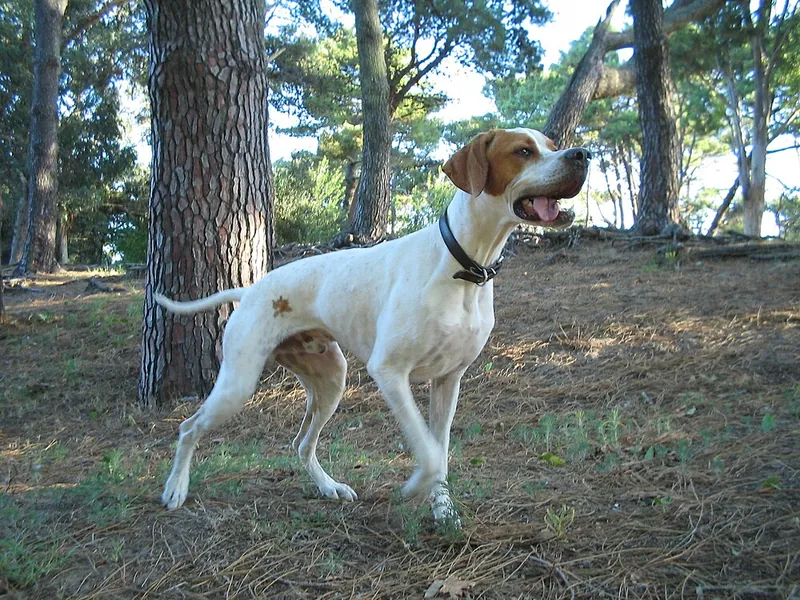
German Longhaired PointerThe calm all-round German hunting dog
The German Longhaired Pointer is a versatile gundog bred to point, track and retrieve on land and in water. It is even-tempered and easy to handle, but it carries a strong hunting drive and needs serious daily work. It suits active, outdoorsy owners, ideally hunters.
Why people love the German Longhaired Pointer
- Calm and easy to handle for a pointing breed
- Versatile at pointing, tracking and water retrieves
- Gentle with children within its family
- Cooperative and quick to learn
- Generally robust working health
Things to consider
- Needs two or more hours of activity daily
- Strong hunting drive around birds and deer
- Feathered coat collects burrs and seeds
- Long ears prone to infection
- Very rare in the US
Is this breed right for you?
10 questions · live resultHistory and Origin
Long-coated hunting dogs were used in Germany for centuries for bird and falconry work. In the late 19th century German hunters set out to turn these dogs into a standardized, versatile pointer, and a breed standard was drawn up in 1879. Some crossing with setters was used to improve pointing and speed.
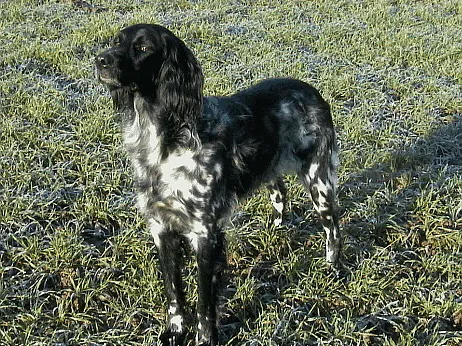
The breed was developed as a "Vollgebrauchshund", a dog that does everything: pointing, retrieving, tracking wounded game and working in water. Black and white dogs were later separated into the Large Munsterlander, leaving the GLP in brown and brown roan. The Kennel Club recognizes it in the Gundog group, and in the United States it is in the AKC Foundation Stock Service.
Size, Colors and Coat
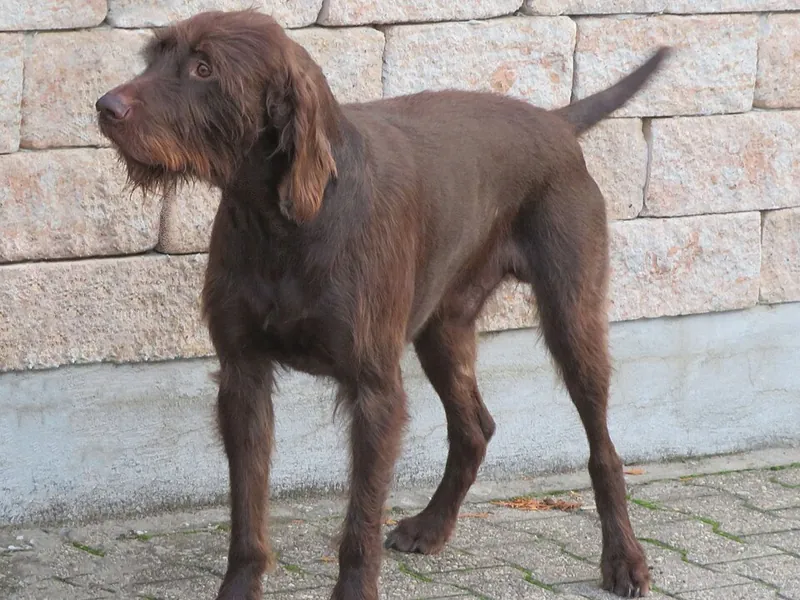
The German Longhaired Pointer is a large, muscular gundog standing 24 to 26 inches at the shoulder and weighing 55 to 79 lb. Males are larger and more heavily built, with stronger heads; females are lighter and slightly smaller. The build is noble and athletic, not heavy.
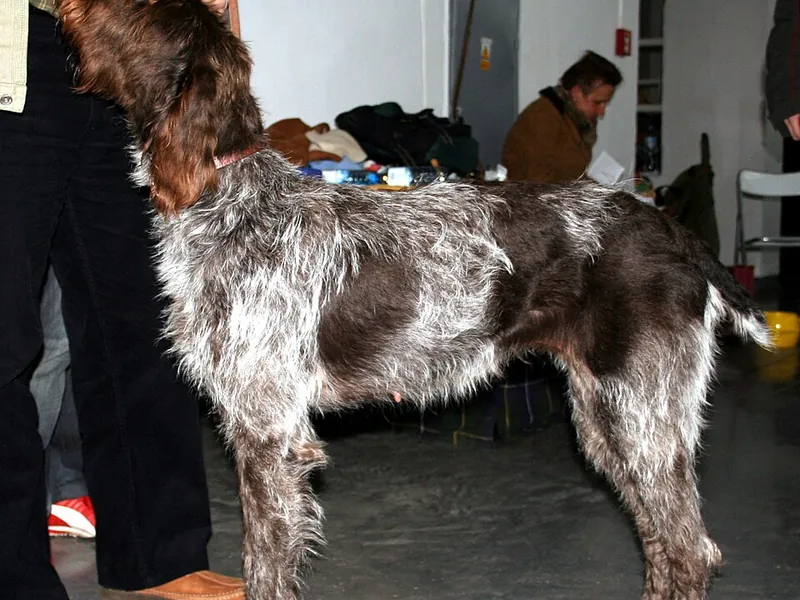
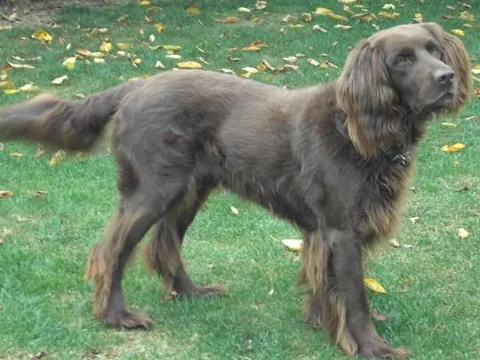
The coat is the breed's trademark. On the body it is about 1 to 2 inches long, dense, flat and slightly wavy, with longer feathering on the ears, back of the legs, belly and tail. The undercoat makes the coat weather-resistant without being woolly.
Accepted colors include:
- Solid brown, often with small white marks on the chest or toes
- Brown roan, in dark or light shades
- Brown with white or ticked patterns, sometimes called trout-colored
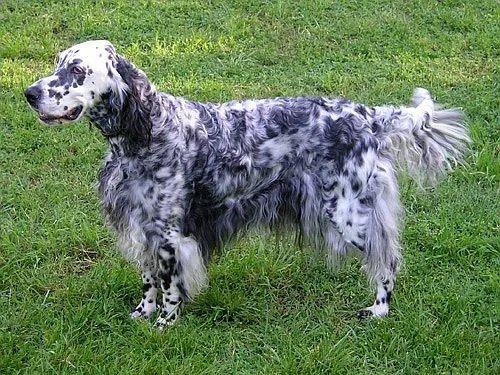
Black is not accepted; black and white longhaired pointers form the separate Large Munsterlander. The tail is long and natural or docked only in some countries.
Temperament and Personality
German breeders describe the GLP as balanced, good-natured and easy to lead, and it is known for being calmer than some other pointing breeds. It bonds closely with its family and is usually friendly with people.
That gentle manner sits alongside a powerful hunting instinct. Birds, rabbits and deer will catch its attention instantly. Without enough exercise and mental work, a GLP can become restless and vocal.
Within the family, GLPs are usually gentle with children and tolerant of household routines once their exercise needs are met. They are not natural guard dogs, though most will announce a visitor. Raised with cats, many learn to leave them alone indoors, but outdoor wildlife remains fair game in their eyes.
Is the German Longhaired Pointer Good for First-Time Owners?
A German Longhaired Pointer can suit a first-time owner only if that person leads a very active outdoor life and is ready to train regularly.
The breed is calmer and more biddable than many pointers, which helps beginners. The challenge is volume: two or more hours of daily exercise, continuous recall training around wildlife and coat care after outings. Many breeders in Germany place puppies mainly with hunters, so newcomers may need to show a clear plan for exercise and work. Joining a gundog training class from day one gives both dog and owner structure and support.
Do German Longhaired Pointers Shed?
Yes, German Longhaired Pointers shed moderately year round, with heavier shedding during seasonal coat changes in spring and fall.
Loose hairs are medium length and brown, so they are visible on light floors and fabrics. Brushing once or twice a week with a slicker and a comb removes most of the dead hair before it falls out. During the seasonal molt, brushing every day or two helps. The coat should not be clipped short, because that reduces its weather resistance. Like all dogs, a GLP is not hypoallergenic in an absolute sense.
Are German Longhaired Pointers Easy to Train?
Yes, German Longhaired Pointers are generally easy to train, with a cooperative and even temperament that German breeders value.
They respond well to calm, consistent, reward-based handling and enjoy structured tasks such as retrieving dummies and tracking. The main challenge is the hunting drive: a GLP that winds a deer or a bird may ignore cues it knows well indoors. Build recall on a long line in many settings and reward heavily. Short, varied sessions keep the dog engaged. Formal gundog training or hunt tests give this versatile breed purpose and improve everyday obedience.
Exercise and Training
Plan on two hours or more of activity daily, including off-leash running where it is safe and legal. Hunting is the ideal outlet; otherwise retrieving work, tracking, gundog training, canicross and swimming keep a GLP satisfied.
The breed is cooperative and learns readily with consistent, positive training. Recall needs to be built early and proofed around wildlife. A GLP left alone for long hours or kept in a small apartment without a job is likely to be unhappy.
Grooming and Shedding
The medium-long, dense coat with feathering on the ears, legs and tail is fairly weather-resistant. Brush once or twice a week and after field work to remove burrs and seeds. Shedding is moderate, heavier during seasonal changes.
Check the long, hanging ears often, especially after swimming, and keep them clean and dry to prevent infections.
Feeding and Nutrition
German Longhaired Pointers burn a lot of energy in the field, and food needs change with the season. A dog hunting several days a week in autumn needs more than the same dog in spring, so weigh regularly and adjust portions to keep a lean, muscular build with easily felt ribs.
As a large, deep-chested breed, the GLP is at risk of bloat. Feed at least two meals a day, avoid hard exercise right before and after eating, and learn the emergency signs: a swollen belly, restlessness and retching without vomiting.
- Feed puppies three or four meals a day using a diet made for large-breed growth.
- Keep puppies slim to protect developing hips and elbows.
- On long hunting days, a small snack mid-day is better than a full meal.
- Use a narrow bowl or clip the ears back so the feathering stays clean.
Use part of the daily ration as training rewards, especially during recall and retrieve work.
| Adult weight | Less active | Typical adult | Very active |
|---|---|---|---|
| 55 lb | 1,090 kcal | 1,250 kcal | 1,560 kcal |
| 79 lb | 1,440 kcal | 1,640 kcal | 2,050 kcal |
Estimates use the resting energy formula veterinarians work with (70 × body weight in kg0.75) and standard activity factors. Use the feeding guide on your food as a starting point and adjust to body condition. Puppies, seniors, pregnant animals and pets that need to lose weight have different needs, so ask your vet.
Health and Lifespan
The GLP is generally considered a robust working breed, with a typical lifespan of 12 to 14 years. Hip and elbow dysplasia can occur, so ask for hip and elbow scores on both parents. Ear infections are the most common everyday problem. As an active field dog, it also benefits from checks for cuts, ticks and grass seeds after outings.
German Longhaired Pointer Price and Cost of Ownership
The German Longhaired Pointer is very rare in the US, and most dogs are imported from Germany or other European countries. Expect to contact breed clubs, wait for a litter and possibly pay for transport. Prices vary by breeder, region and lines, and import costs can add significantly to the total. Some German breeders prefer to place puppies with hunters.
Breed-specific cost drivers include:
- Hip and elbow screening of parents
- Gundog training, hunt tests or tracking courses
- Vet care for field injuries, ear infections and grass seeds
- Food for a large, active working dog
- Pet insurance that covers bloat and orthopedic surgery
Grooming is mostly home brushing, with occasional tidying of the feathering.
Is the German Longhaired Pointer Right for You?
A GLP is a strong match for hunters and for very active owners with access to fields, forests and water. Families with a hunting background or serious dog sport interests will enjoy its easy temperament.
It is not suited to apartment life, long workdays alone, or owners looking for a casual walking companion. In Germany many breeders place puppies primarily with hunters.
If you do not hunt, plan for a substitute: a regular gundog training class, retrieving dummies, tracking courses or long weekend hikes in open country give this breed the purpose it was bred for.
German Longhaired Pointer Traits at a Glance
German Longhaired Pointer FAQ
How big is a German Longhaired Pointer?
GLPs stand about 24 to 26 inches at the shoulder and weigh around 55 to 79 lb.
Is the German Longhaired Pointer a good family dog?
With enough exercise it is gentle and good-natured with its family, but it needs a home that can meet its working needs.
How much exercise does a German Longhaired Pointer need?
Typically two hours or more a day, ideally with off-leash running, retrieving or hunting work.
Is the German Longhaired Pointer AKC-recognized?
Not fully; it is recorded in the AKC Foundation Stock Service, while the UK Kennel Club recognizes it in the Gundog group.
How long do German Longhaired Pointers live?
Usually 12 to 14 years.