English SetterThe gentle, speckled bird dog
The English Setter is an elegant bird dog with a speckled "belton" coat and a famously sweet nature. Bred to range over moorland finding game birds, it combines gentleness at home with real stamina in the field. It suits active families with time for long daily runs.

Why people love the English Setter
- Famously sweet, gentle nature with people and dogs
- Usually very good with children
- Stunning belton coat with silky feathering
- Real stamina and a superb nose for bird hunting
- Rarely suspicious of visitors, easy to take places
Things to consider
- Needs two or more hours of exercise every day
- Strong bird drive makes recall unreliable outdoors
- Feathered coat needs brushing several times a week
- Slow to mature, with a long puppy phase
- Prone to barking or chewing when left alone
Is this breed right for you?
10 questions · live resultHistory and Origin
Setting dogs worked in Britain for several centuries, crouching or "setting" to show hunters where birds were hidden, originally for netting. The modern English Setter owes most to Edward Laverack, who bred his line from the 1820s onward, and to R. Purcell Llewellin, who crossed Laverack dogs with other field lines later in the 19th century.
Laverack's dogs became the basis of today's show type, while Llewellin's leaner field setters were especially influential in North American bird hunting. The AKC registered the breed in 1878, among its first breeds.
Belton Colors, Size and Coat
The English Setter is a large, elegant sporting dog with a long, lean head, a deep chest and a gently flowing outline. Adults stand 24 to 27 inches tall and weigh about 44 to 79 lb. Males are taller and heavier, with more coat and a bolder head, while females are more refined.
There are two distinct types. Show (bench) setters are larger and heavier, with abundant feathering and a long, chiseled head. Field setters, often called Llewellins in the US, are lighter, leaner and shorter-coated, built for speed in the field.
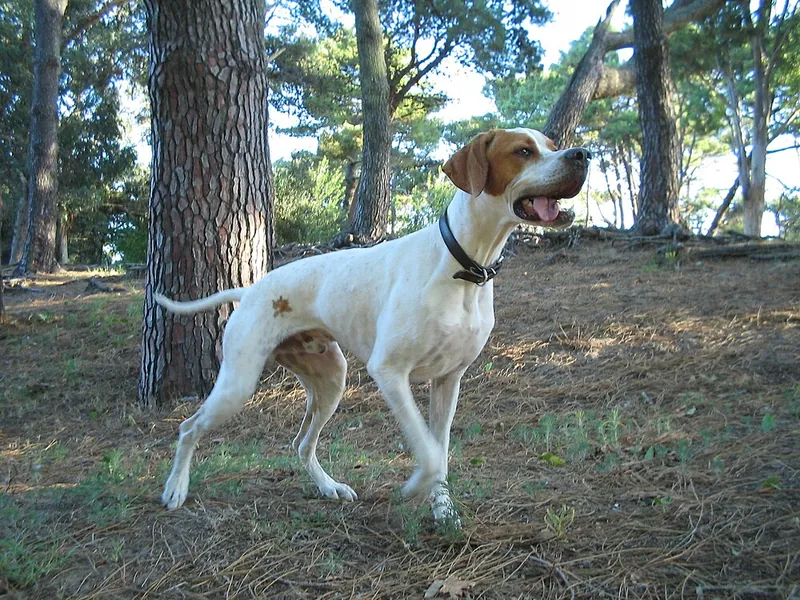
The coat is flat, silky and of medium length, with feathering on the ears, chest, belly, legs and tail. The breed's signature is the belton pattern: a white coat flecked with color. Recognized colors are:
- Blue belton (white with black)
- Orange belton
- Lemon belton
- Liver belton
- Tricolor (blue belton with tan points)
Large solid patches are discouraged in show dogs but common in field lines.
Temperament and Personality
English Setters are typically mellow, friendly and affectionate, and they tend to get along with children, visitors and other dogs. Many keep a playful, puppyish streak for years.
They are also passionate hunters with a strong nose for birds and can be easily distracted outdoors. They are sensitive to their owner's tone and are happiest close to their family; long hours alone often lead to barking or chewing.
Show-line English Setters often have a softer, more relaxed manner indoors, while field-bred dogs, often called Llewellins in the US, tend to be lighter, faster and more driven. Both types like to sleep on soft furniture after a long run and are rarely suspicious of visitors, so they make poor guard dogs.
Is the English Setter Good for First-Time Owners?
It can be, for active beginners. English Setters are gentle, forgiving and friendly, which makes everyday life easier for a new owner than with many sporting breeds.
The challenges are energy and focus outdoors:
- They need two or more hours of exercise daily.
- Their nose for birds can override recall, so a long line is often necessary.
- Puppyhood is long, and young setters can be clumsy and distractible for two or three years.
A first-time owner with a house, a fenced yard and time for long daily walks or runs will usually find a show-line setter more manageable than a high-drive field dog.
Do English Setters Bark a Lot?
They are moderate barkers. Most English Setters bark to greet visitors or when excited, but they are not typically noisy watchdogs.
Barking and howling increase when setters are bored, under-exercised or left alone for long hours, which they handle poorly. Some setters also bark at birds or wildlife in the yard, reflecting their hunting instincts.
A long run or field session, company during the day and a calm, rewarded quiet cue keep most setters peaceful neighbors. If barking starts suddenly, check whether the dog's routine or exercise has changed.
Are English Setters Good with Cats?
Many are. English Setters are bird dogs rather than chasers of furry animals, and their soft, social nature often lets them live peacefully with cats, especially when raised together.
Introduce a setter puppy to cats calmly and reward relaxed behavior. Young setters are big and bouncy, so a cat needs escape routes and high perches during the clumsy adolescent stage.
Pet birds are another matter: the breed's instinct to point and flush birds is strong, so keep birds safely separated. Outdoor cats that run may still trigger a chase in some individuals, particularly field-bred dogs.
Exercise and Training
The PDSA recommends more than two hours of exercise a day for this breed. Long walks, free running in safe areas, retrieving games and field training all help. Show-line setters can be somewhat calmer than field lines, but both need plenty of activity.
Setters learn readily with patient, positive training but can seem selectively deaf when they catch a scent. Work on recall and "whoa" (stop) from puppyhood and use a long line in open country. A secure yard is important.
Puppies mature slowly and can stay playful and easily distracted for two or three years. Keep training sessions short and fun during that phase, and build impulse control with simple exercises such as waiting at doors and settling on a mat.
Grooming and Shedding
The flat, silky coat has feathering on the ears, chest, legs and tail. Brush two or three times a week to prevent mats, especially behind the ears and in the armpits. Many owners trim the feet, ears and neck every few weeks for neatness. Shedding is moderate. Some setters drool a bit after drinking or around food.
Feeding and Nutrition
English Setters vary widely in size and activity, from heavy show dogs to lean field dogs that run for hours during hunting season. Feed for the individual and adjust with the seasons. A hunting setter in fall may need noticeably more food than in summer, while a retired show setter needs less.
Puppies grow into large dogs and mature slowly. Feed a complete food made for large-breed puppies in measured meals and keep them lean to protect developing hips and elbows.
- Feed adults two meals a day rather than one large meal, which is a sensible precaution for a deep-chested breed.
- Avoid hard running for about an hour before and after eating.
- Hypothyroidism occurs in the breed; unexplained weight gain or a dull coat is worth a vet check rather than simply cutting food.
- Skin allergies are common; if itching persists, ask your vet whether a food trial makes sense.
Setters can be counter surfers, so keep food out of reach and count training treats in the daily total.
| Adult weight | Less active | Typical adult | Very active |
|---|---|---|---|
| 44 lb | 930 kcal | 1,060 kcal | 1,320 kcal |
| 62 lb | 1,200 kcal | 1,370 kcal | 1,710 kcal |
| 79 lb | 1,440 kcal | 1,640 kcal | 2,050 kcal |
Estimates use the resting energy formula veterinarians work with (70 × body weight in kg0.75) and standard activity factors. Use the feeding guide on your food as a starting point and adjust to body condition. Puppies, seniors, pregnant animals and pets that need to lose weight have different needs, so ask your vet.
Health and Lifespan
English Setters typically live 10 to 15 years. Conditions noted by the PDSA and breed clubs include:
- Hip and elbow dysplasia
- Skin allergies (atopy)
- Hypothyroidism
- Ectropion (rolled-out lower eyelids)
- Some cancers in older dogs
Congenital deafness is linked to the breed's extensive white coloring. Good breeders BAER test puppies, screen hips and elbows and check thyroid status in breeding dogs.
English Setter Price and Cost of Ownership
Typical breeder price in the US$800 to $2,000
An English Setter puppy from a reputable US breeder typically costs about $800 to $2,000. Prices vary by breeder, region and lines. Field-bred Llewellin-type puppies from hunting kennels are often at the lower end, while health-tested show lines tend to cost more.
English Setter rescues operate in the US, and adult setters, including retired hunting dogs, are often available for adoption.
Breed-specific ongoing costs include:
- Regular grooming or trimming of feathering every few weeks
- BAER hearing tests, hip and elbow screening and thyroid tests for breeding dogs
- Insurance that covers allergies, hypothyroidism and joint disease
- Field training or hunting club fees if you hunt
- Secure fencing, as setters follow their nose
Is the English Setter Right for You?
An English Setter fits active families, runners and hunters with a house and garden who want a gentle, sociable dog. It is often good with children and other dogs.
It is not ideal for apartments, owners away all day, or anyone wanting a dog that stays reliably close off leash. Grooming and a little drool are part of the package.
English Setter Traits at a Glance
English Setter FAQ
Are English Setters good family dogs?
Yes, they are usually gentle, friendly and good with children, provided they get enough exercise.
How big do English Setters get?
They stand about 24 to 27 inches tall and weigh around 44 to 79 lb, with field lines often lighter.
How much exercise does an English Setter need?
Plan for two hours or more a day, including off-leash running in safe areas.
Do English Setters shed?
They shed moderately and need brushing a few times a week to keep the feathering tangle-free.
What is a belton English Setter?
Belton describes the breed's flecked coat pattern, such as blue belton (black flecks) or orange belton.
How long do English Setters live?
Typically 10 to 15 years.