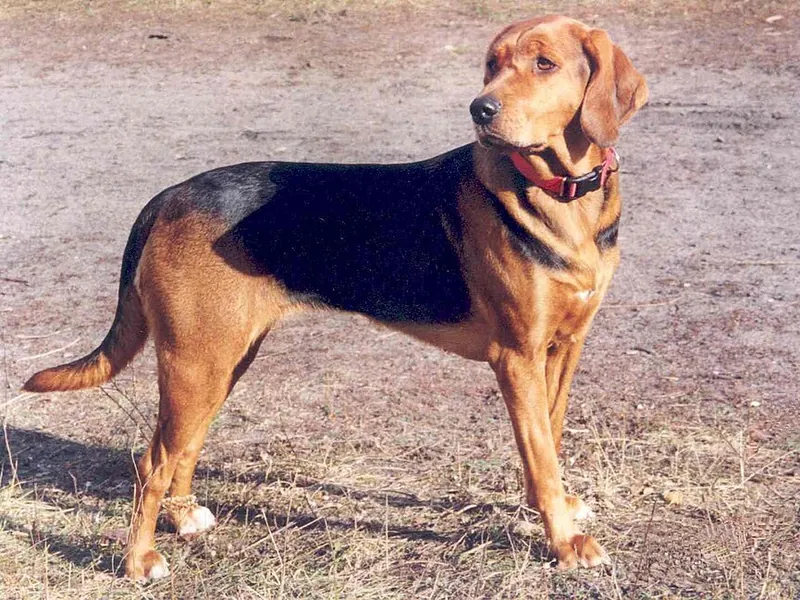
Hanoverian ScenthoundGermany's patient blood-tracking specialist
The Hanoverian Scenthound was bred for one job: following the cold, hours-old blood trail of wounded deer and wild boar until the animal is found. Calm and sensitive at home but relentless on a track, it is a working tool for hunters and game wardens far more than a household pet.
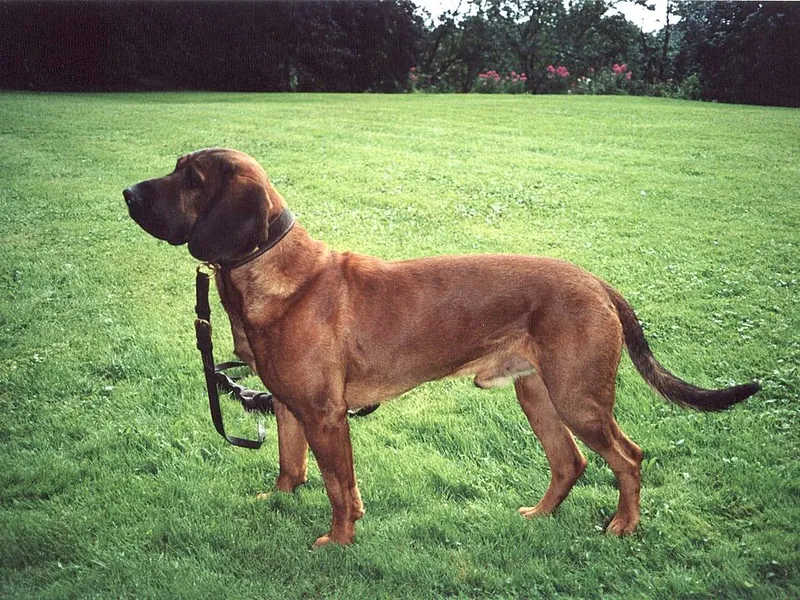
Why people love the Hanoverian Scenthound
- Exceptional tracking ability on old, cold trails
- Quiet, steady and loyal at home
- Short coat needs only weekly brushing
- Close bond with its handler
- Generally robust working breed
Things to consider
- Needs real tracking work, not just walks
- Deep, carrying voice
- Strong pull on a scent; heavy, powerful dog
- Sensitive to harsh handling
- Puppies usually placed only with hunters or trackers
Is this breed right for you?
10 questions · live resultHistory and Origin
The breed descends from the leash hounds (Leithunde) of medieval Germany, heavy scenting dogs that worked on a long line to locate game before a hunt. As firearms changed hunting in the 1700s, wounded game became a bigger problem, and huntsmen at the royal hunting establishment in Hanover refined these hounds into specialists for tracking injured deer.
The breed takes its name from that Hanover tradition. In 1894 German enthusiasts founded the Verein Hirschmann, a club that still controls breeding in Germany and generally places puppies only with active hunters or professional trackers. The AKC lists the breed in its Foundation Stock Service.
Size, Build, Coat and Colors
The Hanoverian Scenthound is a heavy, powerful tracking dog with a long body, deep chest and strong bone. Adults stand about 19 to 22 inches at the shoulder and weigh roughly 55 to 88 lb. Males are larger and heavier than females, with a broader head.
The head is large with a broad skull, slightly furrowed brow and a deep muzzle. The ears are long, broad and high-set, hanging close to the head. Loose skin on the neck forms a slight dewlap. The tail is long and carried low.
The coat is short, dense and harsh, with longer hair on the underside of the tail.
Colors range from light to dark deer red, often with brindling, with or without a darker mask. Many dogs have:
- A dark mask around the muzzle and eyes
- Darker ears
- Slight brindling on the body
Small white markings on the chest are allowed. The overall look is functional and strong, built for steady work on a long tracking line rather than speed.
Temperament and Personality
Off the trail, a Hanoverian is quiet, steady and closely bonded to its handler. It tends to be reserved with strangers rather than outgoing, and it is not a natural guard dog. Sensitivity is a defining trait: harsh corrections shut it down, while calm, consistent handling builds the trust it needs to work.
On a scent, the picture changes completely. The tracking drive is intense, and the hound can follow a trail with total focus for long distances. That same drive means small animals and wildlife will interest it, and a recall in open country is never guaranteed. It also has a deep, carrying voice that it uses readily.
Is the Hanoverian Scenthound Good for First-Time Owners?
Generally not. The Hanoverian is gentle and loyal at home, but its tracking drive, physical strength and need for specialized work make it a demanding dog.
Breed clubs, especially in Germany, typically place puppies only with hunters or professional trackers who can provide real blood tracking work. Even in non-hunting homes, the dog needs regular scent work, careful leash handling and calm, patient training. Its sensitivity means harsh methods backfire. First-time owners interested in tracking may find a more common scent hound, or joining a tracking club before getting a dog, a better starting point.
Are Hanoverian Scenthounds Good With Other Dogs and Cats?
Many are tolerant of other dogs, particularly those they live with, though some can be reserved or selective. Early socialization helps, and introductions should be calm and gradual.
With cats, results vary. A Hanoverian raised with a resident cat may accept it, but its interest in wildlife and scent can lead to chasing, especially outdoors. Small pets such as rabbits and rodents should be kept separated. Because the breed is calm indoors, many owners find household life with other pets manageable, but supervision and secure spaces are important.
Can a Hanoverian Scenthound Be Left Alone?
Adult Hanoverians can usually manage moderate periods alone, as they are calm and quiet indoors after exercise. Long, daily absences without enough work, however, can lead to frustration, baying and destructive behavior.
Exercise the dog before leaving, provide a chew or food puzzle and make sure the home is secure. Because the breed bonds closely with its handler, it does best in households where someone is around often or where the dog accompanies its owner to outdoor work. A comfortable, quiet resting area helps the dog settle.
Exercise and Training
This is a dog that needs purpose, not just walks. Expect long daily outings, ideally in varied terrain, plus regular scent work. Breeders and clubs expect the dog to be trained on artificial blood trails and then used on real tracking calls, which is the only outlet that truly satisfies it.
- Train tracking on a long line and harness from puppyhood.
- Keep sessions positive; this breed responds poorly to pressure.
- Use secure fencing and keep the dog leashed near wildlife.
Basic obedience comes reasonably easily, but expect independence once the nose is down.
Grooming and Shedding
The short, dense coat comes in shades of red to deer-red, often brindled, with a darker mask. A weekly brush with a rubber mitt removes loose hair, and shedding is moderate. After work in the field, check the coat and paws for burrs, ticks and small cuts.
The long, heavy ears trap moisture and dirt, so inspect and clean them weekly to prevent infections.
Feeding and Nutrition
The Hanoverian is a heavy, deep-chested working dog, and its food needs vary with workload. A dog tracking regularly needs more energy than one in a quiet period. Adjust portions to body condition and keep the dog lean, with ribs easy to feel.
Puppies should eat a diet formulated for large breeds to support steady growth. Keeping young dogs lean protects developing joints, and hip screening is recommended in breeding stock.
- Feed puppies three to four meals a day and adults two.
- As a deep-chested dog, avoid hard work and excitement around mealtimes to reduce bloat risk.
- On tracking days, give a light snack before work and the main meal after rest.
- Use food rewards during tracking training, deducted from daily meals.
Long ears can dip into food and water bowls, so use narrow, deep bowls and check ears regularly for moisture and debris.
| Adult weight | Less active | Typical adult | Very active |
|---|---|---|---|
| 55 lb | 1,090 kcal | 1,250 kcal | 1,560 kcal |
| 88 lb | 1,560 kcal | 1,780 kcal | 2,220 kcal |
Estimates use the resting energy formula veterinarians work with (70 × body weight in kg0.75) and standard activity factors. Use the feeding guide on your food as a starting point and adjust to body condition. Puppies, seniors, pregnant animals and pets that need to lose weight have different needs, so ask your vet.
Health and Lifespan
The Hanoverian is generally regarded as a robust working breed, and the AKC does not list breed-specific conditions of concern. Typical lifespan is 10 to 14 years. Like other medium-large active dogs, it benefits from hip screening in breeding stock and from keeping a lean body condition.
Ear care is the most common routine issue. Choose puppies from health-tested parents through the breed club, which in Germany works with hunting associations to monitor working ability and health.
Hanoverian Scenthound Price and Cost of Ownership
The Hanoverian Scenthound is rare in the US, and there is no reliable published price range. Breeding is controlled by clubs that usually place puppies only with active hunters or trackers, and some North American dogs are imported from Europe. Prices vary by breeder, region and lines, and import adds transport, paperwork and travel costs. Expect to explain how you will give the dog real tracking work.
Rescue dogs are very rare, though tracking networks occasionally rehome retired working dogs.
Breed-specific ongoing costs include:
- Tracking training and club membership
- Specialized tracking harnesses and long lines
- GPS collars for fieldwork
- Ear care and treatment of infections
- Insurance for working injuries and bloat
Is the Hanoverian Scenthound Right for You?
This breed suits hunters, game managers and dedicated scent-work handlers who can give it real tracking tasks. It is a poor match for city apartments, for owners away for long workdays, or for anyone looking mainly for a family companion. Weighing 55 to 88 lb and standing 19 to 22 inches, it is also strong enough to drag an unprepared handler along a trail.
If you love the look but do not hunt, consider whether competitive tracking or mantrailing could genuinely fill this dog's working needs before committing.
Hanoverian Scenthound Traits at a Glance
Hanoverian Scenthound FAQ
Is the Hanoverian Scenthound a good family dog?
It is gentle and loyal with its own people, but it is bred to work. Without regular tracking tasks it can become frustrated, so it fits best in a hunting household.
How big does a Hanoverian Scenthound get?
Adults typically stand 19 to 22 inches at the shoulder and weigh about 55 to 88 lb, with males heavier than females.
Do Hanoverian Scenthounds bark a lot?
They are vocal hounds with a deep voice and will bay or bark, especially when excited or bored.
Can I get a Hanoverian Scenthound if I do not hunt?
Breed clubs, especially in Germany, usually prioritize hunters and professional trackers. Non-hunting homes would need a serious commitment to scent work.
How long do Hanoverian Scenthounds live?
Most live around 10 to 14 years.
What does a Hanoverian Scenthound do?
It tracks wounded deer and boar on a long leash, often following trails that are many hours old, so the animal can be found and dispatched humanely.