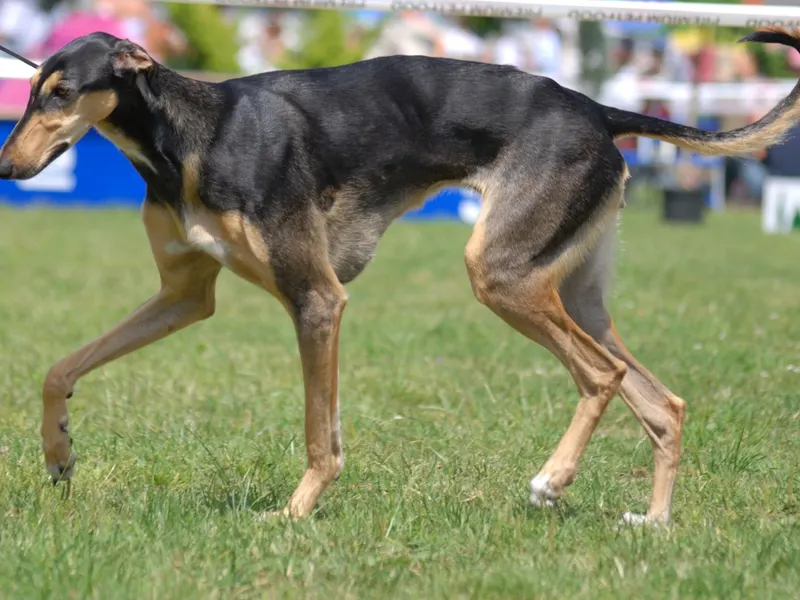
Fila BrasileiroBrazil's powerful, devoted guardian mastiff
The Fila Brasileiro is a large Brazilian mastiff bred to guard estates, drive cattle and track. It is intensely loyal to its family and naturally distrustful of strangers. It is a breed only for very experienced owners who can manage a powerful guardian and comply with local laws.
Why people love the Fila Brasileiro
- Deeply devoted to its own family
- Calm and quiet at home in familiar surroundings
- Short coat with minimal grooming needs
- Powerful natural guardian for large properties
- Generally robust working breed
Things to consider
- Strong natural aversion to strangers (ojeriza)
- Banned or restricted in several countries, including the UK
- Requires very experienced handling and secure property
- Often intolerant of unfamiliar dogs and small animals
- Giant size brings high food and vet costs
Is this breed right for you?
10 questions · live resultHistory and Origin
The Fila Brasileiro developed in colonial Brazil from dogs brought by European settlers, including mastiff types, bulldogs and bloodhounds. Plantation and ranch owners used them to guard property, control cattle and track.
The breed was standardized in the 20th century, and the FCI recognized it. It is not recognized by the AKC or The Kennel Club. The Fila is one of the breeds listed under the UK Dangerous Dogs Act of 1991, making it illegal to own in the UK without exemption, and some other countries and municipalities also restrict it. Always check local rules.
The breed's tracking ability was valued alongside its guarding skills, and its loose skin and heavy head are often attributed to its bloodhound ancestry.
Size, Build, Coat and Colors
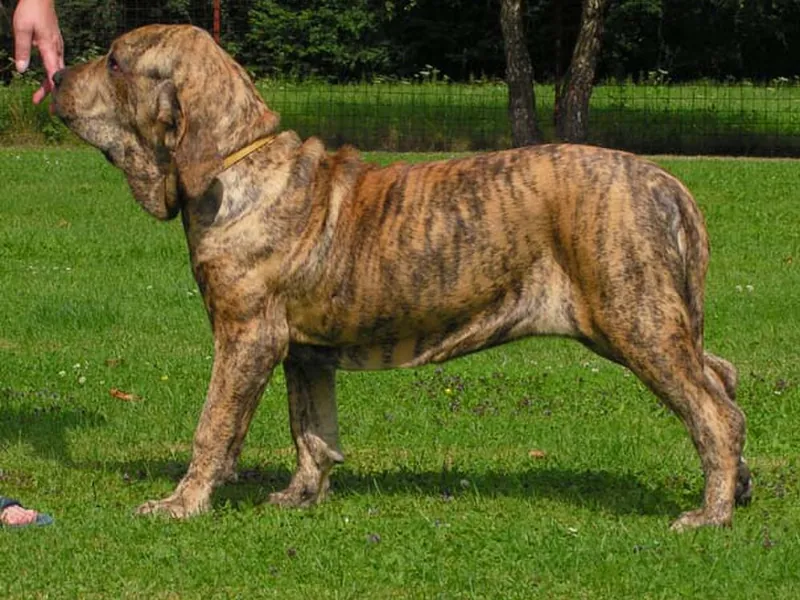
The Fila Brasileiro is a large, powerful mastiff-type dog with heavy bone and loose skin. Adults stand about 24 to 30 inches at the shoulder and weigh at least 88 lb. Males are larger, typically 26 to 30 inches and considerably heavier, while females are about 24 to 28 inches.
The body is slightly longer than tall, with a deep chest, strong back and a rump set higher than the withers. Loose skin forms dewlaps on the neck and folds on the head. The breed moves with a distinctive camel-like pace.
The coat is short, smooth, dense and close-lying. Accepted colors under the FCI standard include:
- Any solid color except white, mouse gray and patched or dappled patterns.
- Brindle, with stripes of varying intensity.
- Fawn, red and black.
A black mask may be present. White markings on the feet, chest and tail tip are permitted but should not exceed a small portion of the body.
Temperament and Personality
Filas are known for their deep devotion to their family and a natural aversion to strangers, called "ojeriza" in the breed standard. They are calm and confident at home but react quickly to perceived threats.
Their protective instinct is very strong, and they often do not tolerate unfamiliar dogs or small animals. Supervision is essential around visiting children and guests.
Filas are typically quiet and calm in familiar surroundings and closely attached to their owners. They often follow family members around the house and watch the property attentively. The breed's protective nature is a fundamental part of its character, not a training problem, so living with a Fila means managing every encounter with strangers responsibly.
Is the Fila Brasileiro Good for First-Time Owners?
No. The Fila is widely regarded as a breed for very experienced owners only, due to its size, strength and strong guardian instincts.
Filas have a natural aversion to strangers described in the breed standard, and socialization does not remove it. Managing visitors, vet visits and public outings requires skill and confidence. Legal issues add complexity: the breed is banned or restricted in several countries, and some US cities, landlords and insurers have restrictions. First-time owners interested in guardian breeds are usually better served starting with a more forgiving breed and building experience.
Do Fila Brasileiros Need a Yard?
Yes. A large, securely fenced property is considered essential for this breed.
Filas need space to move and patrol, and they are not suited to apartments, dog parks or crowded areas. The fence must be high, solid and secure, with locked gates to prevent strangers from entering unexpectedly. The breed's protective instincts mean that a property line is part of its territory, so clear boundaries and careful management of visitors are important. Daily walks are still needed for exercise and controlled exposure to the outside world.
Are Fila Brasileiros Good With Other Dogs?
Often not with unfamiliar dogs. Many Filas are tolerant of dogs they live with but intolerant of strange dogs, especially of the same sex.
Early socialization helps but does not guarantee acceptance of new dogs. Introductions to any new dog should be slow and carefully supervised. Dog parks and off-leash areas are not recommended. In multi-dog households, opposite-sex pairings and dogs raised together tend to work best. Owners should be prepared to manage interactions throughout the dog's life. Dog-friendly walking routes with little off-leash traffic are worth finding early.
Exercise and Training
Filas need daily walks and space to move, ideally a large, securely fenced property. They are not suited to dog parks or crowded areas.
Training must begin early and be consistent, calm and confident. Socialization in puppyhood is crucial but will not remove the breed's natural suspicion of strangers. Professional guidance from experienced trainers familiar with guardian breeds is highly recommended.
Filas move with a distinctive camel-like pacing gait. Puppies grow quickly and should not be over-exercised during the first year to protect their joints.
Grooming and Shedding
The short, smooth coat needs minimal care: weekly brushing and occasional baths. Check and clean skin folds on the face and neck regularly to prevent infections. Trim nails as needed.
Loose skin and folds around the neck and face should be checked weekly for redness or odor, especially in hot, humid weather.
Feeding and Nutrition
The Fila Brasileiro is a large, heavy breed, and feeding puppies correctly is important for joint health. Feed a complete food formulated for large or giant breed puppies, keep growth steady rather than fast and avoid adding calcium or other supplements unless your vet advises it. Hip dysplasia is a concern in the breed.
Bloat is a risk in large, deep-chested breeds like the Fila. Steps that may reduce risk include:
- Feeding two or three meals a day instead of one large meal.
- Avoiding vigorous exercise for at least an hour before and after meals.
- Using slow feeders if the dog eats quickly.
- Knowing the warning signs: restlessness, retching and a swollen belly require emergency care.
Adults should stay lean, with ribs easy to feel under the loose skin. Wipe the lips and folds after meals in hot weather to prevent skin irritation. Use treats sparingly and count them toward the daily ration.
| Adult weight | Less active | Typical adult | Very active |
|---|---|---|---|
| 88 lb | 1,560 kcal | 1,780 kcal | 2,220 kcal |
Estimates use the resting energy formula veterinarians work with (70 × body weight in kg0.75) and standard activity factors. Use the feeding guide on your food as a starting point and adjust to body condition. Puppies, seniors, pregnant animals and pets that need to lose weight have different needs, so ask your vet.
Health and Lifespan
Filas are generally robust, but common concerns include:
- Hip dysplasia: X-ray screening of breeding dogs is recommended
- Bloat (gastric dilatation-volvulus), a risk in large, deep-chested breeds
- Skin fold infections due to loose skin
Reliable lifespan data is limited; many sources cite around 9 to 11 years. Choose breeders who screen hips and elbows and prioritize stable temperament.
Fila Brasileiro Price and Cost of Ownership
Fila Brasileiro puppies are rare in the US, and prices are not widely published. The breed is not recognized by the AKC. Prices vary by breeder, region and lines. Rescue placements are uncommon and typically require experienced homes.
Breed-specific cost drivers include:
- Secure, high fencing and locked gates for a large property.
- Liability insurance, which may be expensive or unavailable for this breed.
- Professional training with experienced guardian-breed trainers.
- Food for a giant breed.
- Medication and anesthesia dosed by weight.
- Possible preventive gastropexy.
- Local licensing or legal compliance where restrictions apply.
Before buying, check local ordinances, rental agreements and homeowners or liability insurance terms, since restrictions can affect where you live and what coverage costs.
Is the Fila Brasileiro Right for You?
A Fila is only suitable for very experienced owners with a secure property, the ability to manage a powerful guardian dog and full awareness of legal restrictions.
It is not suitable for first-time owners, apartments, families with frequent visitors or homes with small pets.
Anyone considering a Fila should check national, regional and municipal laws, as well as housing and insurance rules, before getting one.
Fila Brasileiro Traits at a Glance
Fila Brasileiro FAQ
How big do Fila Brasileiros get?
They stand about 24 to 30 inches tall and weigh at least 88 lb, with males often much heavier.
Is the Fila Brasileiro legal in the UK?
No, it is listed under the UK Dangerous Dogs Act and cannot be owned without exemption.
Are Fila Brasileiros good family dogs?
They are devoted to their own family but require experienced handling and careful management with visitors.
How long do Fila Brasileiros live?
Reliable data is limited; many sources cite around 9 to 11 years.
Do Fila Brasileiros shed?
They shed moderately and need only weekly brushing.
What is ojeriza?
It is the Fila's natural aversion to strangers, described in the breed standard.