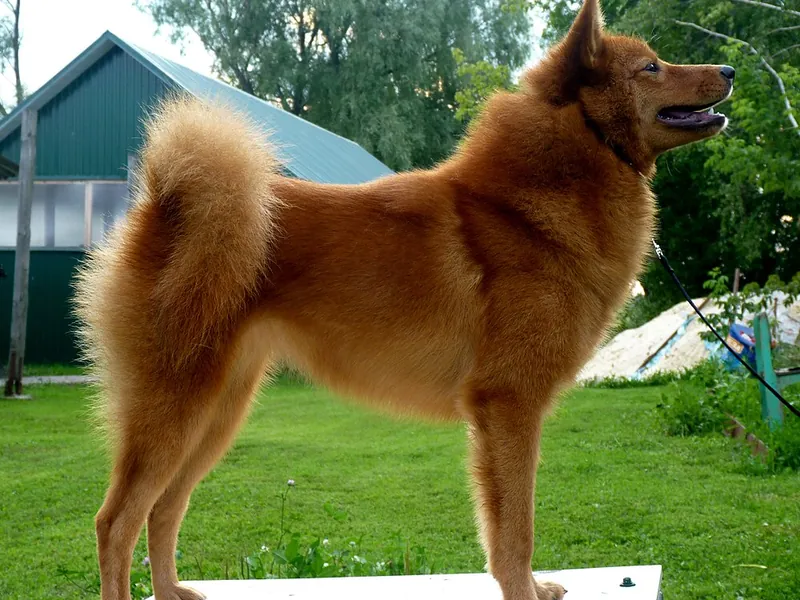
Canaan DogIsrael's alert, independent national dog
The Canaan Dog is a medium-size, wedge-headed dog from the Middle East, the national dog of Israel. Alert, independent and devoted to its family, it suits experienced owners who appreciate a vigilant partner rather than an obedient follower.
Why people love the Canaan Dog
- Loyal and affectionate with its family
- Very alert watchdog
- Clean, with little dog odor
- Generally healthy, often living 12 to 15 years
- Moderate exercise needs compared with many herding breeds
Things to consider
- Barks readily at anything unusual
- Naturally wary of strangers; needs thorough socialization
- Independent; does not obey blindly
- Can dig and jump; needs secure fencing
- Heavy seasonal shedding
Is this breed right for you?
10 questions · live resultHistory and Origin
Canaan Dogs descend from the free-living pariah dogs of the region, which survived for centuries in the desert, some living alongside Bedouin and Druze communities as guardians of camps and flocks.
In the 1930s, Dr. Rudolphina Menzel began selecting and training these dogs to create a hardy working breed for guarding, sentry and mine detection work. She later trained some as guide dogs. The FCI recognized the breed, and the AKC added it to the Herding Group in 1997.
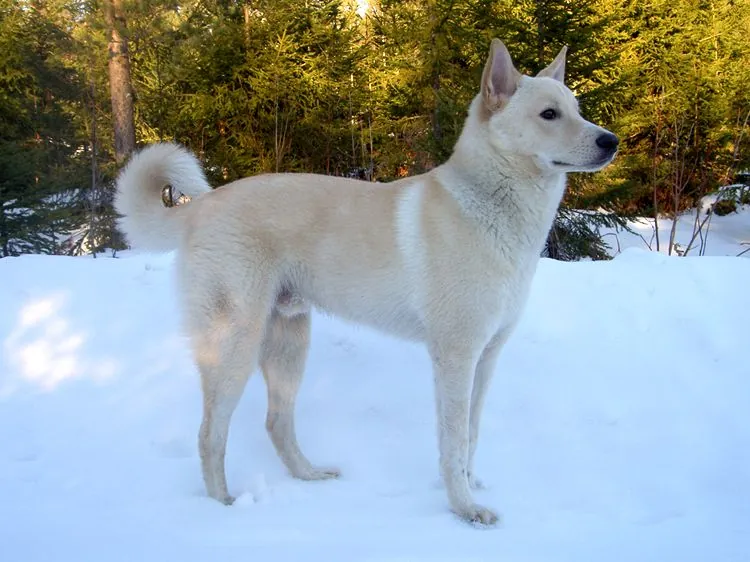
Its wedge-shaped head, erect ears and curled tail reflect a natural, unexaggerated build shaped more by survival than by human fashion. Free-living dogs of this type still exist in parts of the region, and breeders occasionally bring desert-caught dogs into breeding programs to add genetic diversity.
Size, Coat and Colors
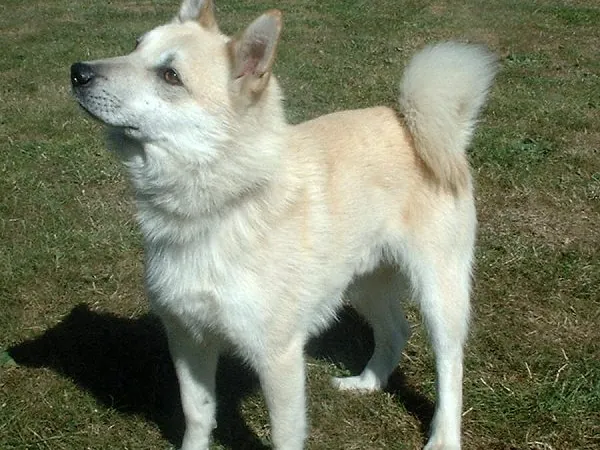
The Canaan Dog is a medium-sized, square, natural-looking dog standing about 20 to 24 inches and weighing roughly 40 to 55 lb. Males are larger and more substantial than females, with a stronger head; females are lighter but equally agile. The build is balanced and athletic, shaped by survival in the desert rather than by extreme features.
The head is wedge-shaped with dark, almond-shaped eyes and erect, low-set ears with rounded tips. The bushy tail curls over the back when the dog is alert or excited.
The double coat has a straight, harsh outer coat and a soft undercoat that thickens in winter. The AKC describes two patterns: predominantly white, with or without colored patches and a mask, or solid colored, from sand to red-brown, white or black, with or without white markings. A symmetrical mask is desired and may appear on any color. Gray and brindle are disqualifications under the AKC standard. The coat is short to medium in length, with a slight ruff in some dogs.
Temperament and Personality
Canaan Dogs are loyal and affectionate with their family but naturally wary of strangers. They are among the most vigilant of watchdogs and bark readily at anything unusual, making them alert guardians of their home.
They are intelligent and independent. A Canaan sees its owner as a partner rather than a boss and does not obey blindly. With early socialization, most are good with children in their household and other pets, though some dislike unfamiliar dogs.
Canaans are territorial and protective of their home and family. They tend to be quiet and calm indoors when their needs are met, and they are known for being clean and adaptable.
Are Canaan Dogs Good for First-Time Owners?
Canaan Dogs can work for first-time owners who are committed to training and socialization, but they are not the simplest choice. Their exercise needs are moderate and the coat is easy, which helps.
The challenges are temperament traits. Canaans are naturally wary of strangers, bark readily and think for themselves. Without thorough socialization, their caution can grow into reactivity. First-time owners should start socializing on day one, join a positive training class and accept that the dog will always be a watchful partner rather than an outgoing social butterfly. Talking with the breed club or a breeder before buying is especially useful.
Can Canaan Dogs Live in Apartments?
It is possible, but a house with a secure yard usually suits the breed better. The size is manageable and indoor behavior is often calm and clean, so space is not the main problem.
Barking is the bigger issue. Canaans react to footsteps, hallway noise and neighbors, which can cause problems in shared buildings. If you live in an apartment, choose a quieter location, give the dog a resting spot away from the door, teach a quiet cue early and provide enough daily exercise and mental work. Busy elevators and crowded lobbies may be stressful for a dog that is wary of strangers.
Are Canaan Dogs Good with Other Dogs?
Most Canaans get along well with dogs they live with, especially if raised together. With unfamiliar dogs, many are reserved, and some can be reactive or bossy, particularly toward same-sex dogs.
Early, positive exposure to calm dogs helps a Canaan learn appropriate social skills. Ongoing socialization through adolescence matters, as the breed's natural caution can strengthen with age. Dog parks are often not ideal; structured play with known dogs works better. With cats and small pets, results vary, and Canaans raised with them usually adapt well.
Exercise and Training
The breed needs moderate daily exercise: walks, play and mental challenges. Canaans excel in agility, herding, tracking and obedience if motivated. They are agile and may jump or dig, so fencing should be secure.
Training must be positive, varied and respectful. Canaans quickly get bored with repetition and resist harsh handling. Start socialization early, because wariness of strangers is part of their nature. Teaching a calm response to visitors and noises helps manage barking.
Because of their alertness, Canaans benefit from a predictable routine and a quiet spot of their own where they can rest away from household activity.
Grooming and Shedding
The short to medium double coat is easy to maintain most of the year: brush weekly. Expect heavy seasonal shedding, when daily brushing helps. Canaans are naturally clean and have little dog odor. Colors range from sand to red-brown, white or black, often with white markings.
Trim nails regularly and check teeth; otherwise little care is needed.
Feeding and Nutrition
Canaan Dogs are naturally moderate, efficient eaters, which fits their origin as free-living desert dogs. Many maintain their weight well on modest portions, so feeding guides on dog food bags may overestimate what they need. Feed a complete diet in two measured meals a day and keep the dog lean, with a defined waist.
Puppies should grow steadily on a diet formulated for medium-breed growth. The breed matures more slowly than some, so avoid pushing growth with extra food.
Some Canaans are cautious about new foods or changes in routine. Switch foods gradually over a week or more and keep feeding times predictable. A quiet spot to eat away from household activity suits their watchful nature.
Food rewards are very useful in training this independent breed. Use small, high-value pieces and count them as part of the daily ration. Puzzle feeders and scatter feeding provide mental work that suits Canaans well.
| Adult weight | Less active | Typical adult | Very active |
|---|---|---|---|
| 40 lb | 860 kcal | 980 kcal | 1,230 kcal |
| 55 lb | 1,090 kcal | 1,250 kcal | 1,560 kcal |
Estimates use the resting energy formula veterinarians work with (70 × body weight in kg0.75) and standard activity factors. Use the feeding guide on your food as a starting point and adjust to body condition. Puppies, seniors, pregnant animals and pets that need to lose weight have different needs, so ask your vet.
Health and Lifespan
Canaan Dogs are generally healthy and often live 12 to 15 years. Their natural, moderate build carries no extreme conformation risks. The breed club recommends screening for hip and elbow dysplasia, kneecap luxation, eye conditions and thyroid function.
Choose breeders who follow these recommendations and keep good records.
Canaan Dog Price and Cost of Ownership
Typical breeder price in the US$1,500 to $2,500
A Canaan Dog puppy from a reputable US breeder typically costs about $1,500 to $2,500. The breed is rare, so expect waiting lists and possibly travel. Prices vary by breeder, region and lines. Ask for hip, elbow, patella, eye and thyroid results, as recommended by the breed club.
Adult Canaans occasionally need new homes through the breed club, which can be a good option for owners who want a dog with known temperament.
Ongoing costs are moderate. The coat needs little professional grooming. Main cost drivers include secure, dig-proof fencing, training classes for socialization and possibly sport fees for agility, herding or tracking. Pet insurance is worth considering, but the breed is generally healthy with no major breed-specific conditions driving costs.
Is the Canaan Dog Right for You?
A Canaan suits experienced owners who want a loyal, watchful companion and accept a vocal, independent nature. A house with a secure yard suits it better than an apartment.
- Good match: experienced owners, rural or suburban homes, people who enjoy dog sports.
- Think twice: noise-sensitive environments, owners wanting a social butterfly, homes with frequent strangers.
Canaan Dog Traits at a Glance
Canaan Dog FAQ
Are Canaan Dogs good family dogs?
They can be loyal family dogs with proper socialization, though they are wary of strangers.
Do Canaan Dogs bark a lot?
Yes. They are vigilant watchdogs and bark readily at unusual sights and sounds.
How big do Canaan Dogs get?
They stand about 20 to 24 inches tall and weigh roughly 40 to 55 lb.
Are Canaan Dogs easy to train?
They are intelligent but independent, so training requires patience, variety and positive methods.
Do Canaan Dogs shed?
They shed heavily during seasonal coat changes but are low maintenance the rest of the year.
How long do Canaan Dogs live?
Typically 12 to 15 years.