SchapendoesThe cheerful shaggy sheepdog of Holland
The Schapendoes is a medium-size, shaggy Dutch herding dog with a springy gait and a happy, outgoing personality. Agile, devoted and low in prey drive, it suits active families who enjoy training and long walks.
Why people love the Schapendoes
- Cheerful, sociable and devoted to family
- Low prey drive for an active herding breed
- Gets along well with other dogs and pets
- Agile athlete for agility, flyball and hiking
- Coat needs no trimming and sheds relatively lightly
Things to consider
- Long coat collects mud, burrs and debris
- Needs an hour or more of daily activity
- Copes poorly with long hours alone
- Can be sensitive and independent in training
- Very rare in the US with few breeders
Is this breed right for you?
10 questions · live resultHistory and Origin
The Schapendoes comes from the Netherlands, especially the heathlands of Drenthe, where shepherds used it to herd and gather flocks of sheep. It worked tirelessly over long distances and was valued for its independence and agility.
After World War II the breed was close to disappearing. Dutch cynologist P.M.C. Toepoel collected remaining dogs and led efforts to rebuild it. The breed was later recognized in the Netherlands and by the FCI. It remains rare outside Europe, and in the US it is part of the AKC Foundation Stock Service.
Size, Colors and Coat
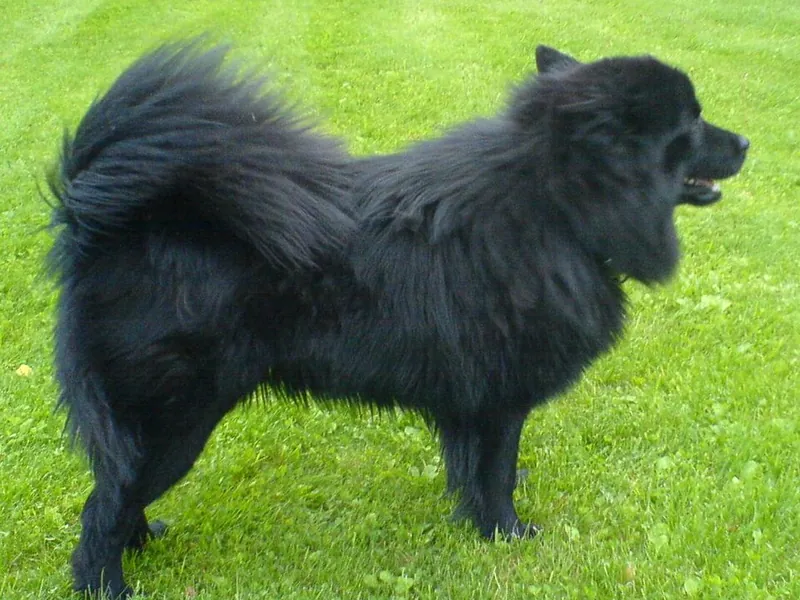
The Schapendoes is a medium, lightly built herding dog that looks bigger than it is because of its full coat. It stands about 16 to 20 inches at the shoulder and weighs roughly 26 to 55 lb. Males are generally taller than females, with the FCI standard placing males at about 17 to 20 inches and females at about 16 to 18.5 inches. The body is slightly longer than tall, with a light, springy gait.
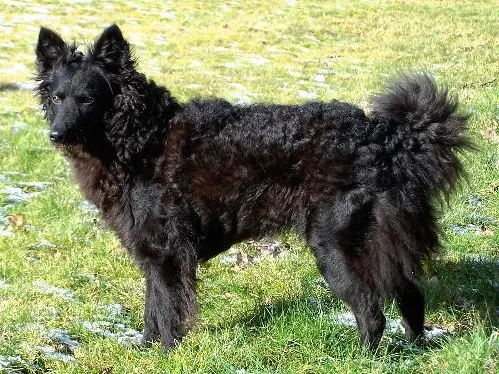
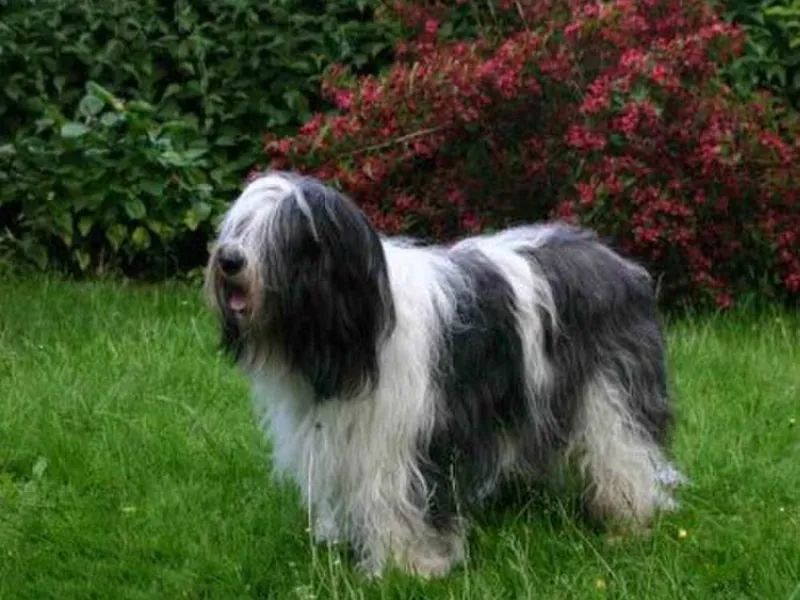
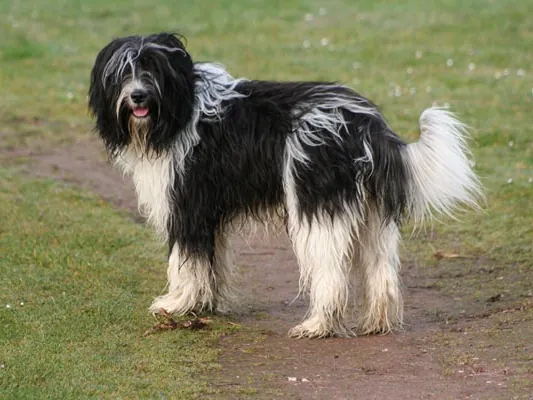
The coat is long, dense and slightly wavy, with a good undercoat. It has a dry, lean texture rather than a silky one. Features include:
- A beard and mustache on the face
- Hair that falls forward over the eyes
- A long, feathered tail carried low or waving when moving
- Hairy feet
All colors are allowed. Blue-gray to black is most common and preferred in some standards, often with white markings. Puppies are often born dark and lighten as they mature, so an adult's color may look different from the puppy's.
Temperament and Personality
Schapendoes are cheerful, lively and strongly bonded to their people. They like to be involved and follow their family around. They are alert and will report visitors, but usually warm up quickly once introduced.
Their prey drive is low, which is unusual for an active breed. Many can enjoy off-leash time in suitable areas once recall is trained, and they tend to get along very well with other dogs and pets. With children they are playful, though their herding instinct may show as chasing or circling.
The breed is known for a light, springy gait and an ability to turn and jump with surprising agility. Indoors, an exercised Schapendoes is relaxed and affectionate, but it does not like being left out of family activities and copes poorly with long hours alone.
Is the Schapendoes Good for First-Time Owners?
Yes, for active first-time owners. The Schapendoes is friendly, eager to cooperate and usually easy with other dogs and pets, which makes it more forgiving than many herding breeds.
Beginners should still plan for daily exercise and mental work, positive training and a coat that needs a thorough weekly brushing and plenty of mud management. The breed can be sensitive and independent, so harsh corrections do not work. The bigger hurdle in the US is finding a puppy, as few breeders exist and some owners import from Europe.
Are Schapendoes Easy to Train?
Generally yes. Schapendoes learn quickly and want to cooperate, which makes them popular in agility and flyball.
They were bred to work independently over long distances, so they think for themselves and may not respond to commands they find unclear. Positive, consistent training with clear rules works best, while repetition and harsh handling can make them switch off. Their low prey drive helps with recall, and many can enjoy off-leash time in safe areas once trained. Mental challenges such as tricks and scent games are useful additions to physical exercise.
Do Schapendoes Bark a Lot?
They bark a moderate amount. A Schapendoes will alert you to visitors and unusual noises but usually settles down once it has met the guest.
Barking tends to increase when the dog is bored, under-exercised or left alone for long periods, which the breed does not handle well. Enough exercise, mental work and company are the best ways to keep barking in check. In herding situations or exciting games, some Schapendoes use their voice more, so teaching a quiet cue early is helpful in close neighborhoods or apartments.
Exercise and Training
Expect around an hour or more of daily activity. The Schapendoes is an athletic jumper and loves agility, flyball, herding, obedience and canicross. Mental challenges matter as much as physical ones.
The breed learns quickly and wants to cooperate, but it is sensitive and independent. Consistent, positive training with clear rules works best. A bored Schapendoes may find its own entertainment.
Grooming and Shedding
The long, dense, slightly wavy coat should look natural and tousled. Brush thoroughly once a week, separating the hair to the skin to prevent mats, especially during coat changes. Trimming is not needed apart from tidying paws and hygiene areas.
Shedding is relatively light. Bathe rarely, since frequent washing softens the coat and makes matting more likely. All colors are allowed, with gray to black shades most common.
Check between the toes and around the ears after walks for burrs and debris.
Feeding and Nutrition
The Schapendoes has a light frame under a lot of hair, so it is easy to misjudge body condition by eye. Feel for ribs and a waist under the coat regularly, and adjust portions to the dog's activity.
- Feed adults two meals a day; puppies usually get three or four meals until around six months.
- Active sport dogs may need more food on training and competition days than in quieter weeks.
- Use part of the daily ration for training rewards and food puzzles.
The beard collects food and water, so wipe the face after meals and check for trapped food to prevent odor and skin irritation. A narrow bowl can help. The breed has no widely documented diet-related health issues, but as a small population, keeping dogs lean and fit supports hips and overall health. Avoid hard exercise right after a large meal.
| Adult weight | Less active | Typical adult | Very active |
|---|---|---|---|
| 26 lb | 620 kcal | 710 kcal | 890 kcal |
| 40 lb | 860 kcal | 980 kcal | 1,230 kcal |
| 55 lb | 1,090 kcal | 1,250 kcal | 1,560 kcal |
Estimates use the resting energy formula veterinarians work with (70 × body weight in kg0.75) and standard activity factors. Use the feeding guide on your food as a starting point and adjust to body condition. Puppies, seniors, pregnant animals and pets that need to lose weight have different needs, so ask your vet.
Health and Lifespan
Schapendoes are considered a generally healthy breed and often live 12 to 15 years. The main sources we use (VDH and AKC) list no breed-typical health problems. Breed clubs commonly screen breeding dogs for hips and eyes.
As with any rare breed, a small population makes thoughtful breeding important. Ask breeders about health checks and genetic diversity.
Schapendoes Price and Cost of Ownership
The Schapendoes is very rare in the US, part of the AKC Foundation Stock Service, with only a handful of breeders. There is no well-established US price range. Prices vary by breeder, region and lines, and many owners import puppies from the Netherlands or elsewhere in Europe, which adds travel or flight costs, health certificates and import paperwork.
Rescue dogs are rare in the US, but breed clubs sometimes help rehome adult dogs.
Breed-specific ongoing cost drivers include:
- Grooming tools for the long coat, or occasional professional help during coat changes
- Fees for agility, flyball or herding training
- Hip and eye screening if you plan to breed or compete
- Daycare or a dog walker, since the breed dislikes long hours alone
Is the Schapendoes Right for You?
The Schapendoes fits active families and individuals who want a sociable, trainable dog that can share hikes and dog sports. It can live in a city if exercised well, but suburban or rural homes are easier.
- Good match: families, multi-pet homes, dog sport enthusiasts, hikers.
- Think twice: long days alone, owners wanting a low-energy dog, people who dislike muddy coats.
A Schapendoes will bring in mud and leaves on its coat, so a towel at the door is part of daily life.
Schapendoes Traits at a Glance
Schapendoes FAQ
Are Schapendoes good family dogs?
Yes. They are cheerful, playful and devoted, and usually good with children and other pets.
How big do Schapendoes get?
They stand about 16 to 20 inches tall and typically weigh between 26 and 55 lb.
Do Schapendoes shed?
They shed relatively little, but the long coat needs a thorough weekly brushing.
Can a Schapendoes be off leash?
Their low prey drive means many can enjoy off-leash time in safe areas once they have a reliable recall.
How much exercise does a Schapendoes need?
Around an hour or more a day, plus mental work such as training or dog sports.
How long do Schapendoes live?
Typically 12 to 15 years.