Giant SchnauzerPowerful, clever German working dog
The Giant Schnauzer is the largest of the three schnauzer breeds: a strong, intelligent working dog with a dense wiry coat and a natural protective streak. It thrives with experienced, active owners who can provide daily work, structured training and regular grooming.
Why people love the Giant Schnauzer
- Highly intelligent, thrives in obedience and protection sports
- Loyal guardian with strong natural watchdog instincts
- Wiry coat sheds very little
- Robust, weatherproof dog for outdoor activity
- Deep bond with family members who train it
Things to consider
- Needs one to two hours of exercise plus mental work
- Coat requires stripping or clipping every six to eight weeks
- Can be dominant with other dogs
- Long adolescence, often up to three years
- Size and power overwhelm small children and novices
Is this breed right for you?
10 questions · live resultHistory and Origin
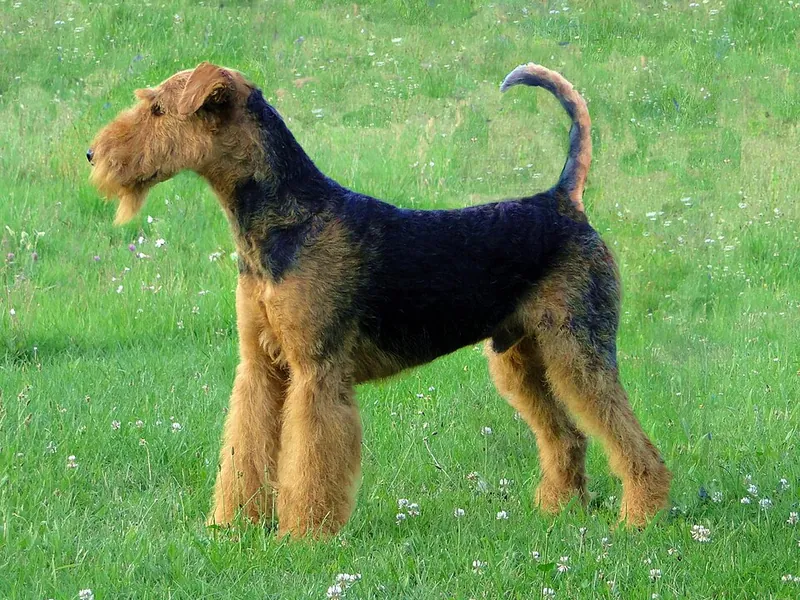
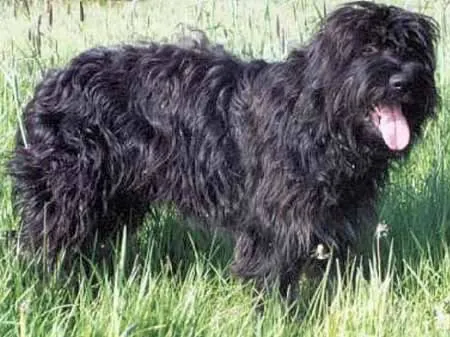
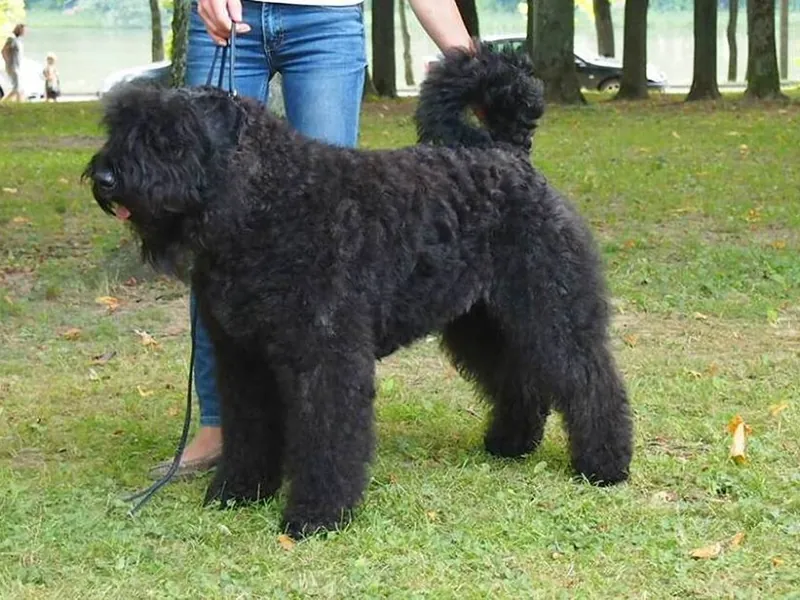
The Giant Schnauzer developed in Bavaria and Württemberg in southern Germany during the 1800s. Cattle drivers and farmers wanted a larger, more powerful version of the Standard Schnauzer to drive livestock to market and guard property. Crosses likely included Standard Schnauzers, local herding dogs, Great Danes and black Bouviers.
Later the breed guarded breweries, butcher shops and stockyards, especially around Munich. Around World War I it was used as a police and military dog. The AKC places it in the Working group, as does The Kennel Club.
Size, Coat and Colors
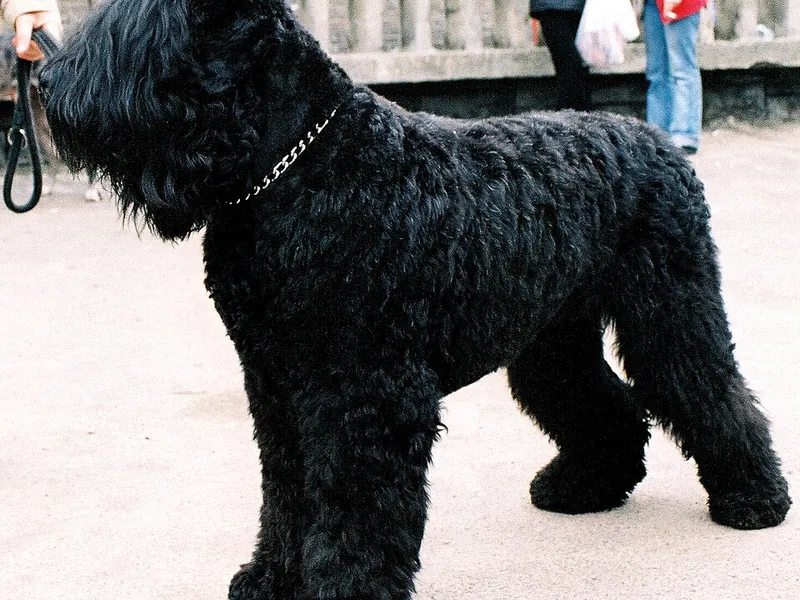
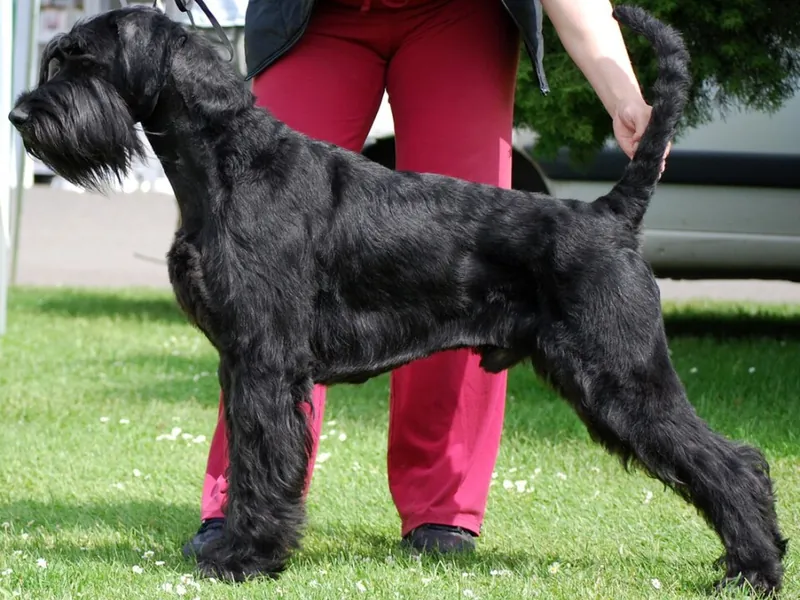
The Giant Schnauzer is a large, powerful and nearly square dog, standing 24 to 28 inches and weighing 77 to 104 lb. It has a long, rectangular head, a strong, arched neck, a straight back and a compact, muscular body that looks like an enlarged, more robust Standard Schnauzer.
Males are noticeably bigger and heavier than females. The AKC standard gives 25.5 to 27.5 inches for males and 23.5 to 25.5 inches for females.
The coat has a hard, wiry outer layer and a soft, dense undercoat. Bushy eyebrows and a full beard frame the face. Only two colors are accepted:
- Solid black, by far the most common in the US
- Pepper and salt, a banded gray in shades from dark iron to silver, with a dark facial mask
A small white spot on the chest is tolerated. The FCI also lists black and silver for the Miniature Schnauzer but not for the Giant. Ears may be cropped in the US and tails docked; in Europe both stay natural.
Temperament and Personality
Giant Schnauzers are bold, alert and highly intelligent. They are deeply loyal and territorial, with a strong instinct to protect their family and home, and they are typically wary of strangers.
They can be dominant with other dogs, especially of the same sex, and need clear, fair leadership. With children in their own family they are often protective, but their size, power and energy can overwhelm small kids, so supervision is essential. Under-stimulated Giants can become destructive or overly guarding.
Giants are quick to learn routines and equally quick to notice inconsistency. Households where every family member follows the same rules have much easier dogs.
Are Giant Schnauzers Hypoallergenic?
No dog is truly hypoallergenic, and the Giant Schnauzer is no exception. Allergens come from dander, saliva and urine as well as hair.
The breed's wiry coat does shed very little, and loose hair tends to stay trapped in the coat until brushed out. Some people with mild dog allergies find that easier to live with than heavily shedding breeds. Others react just as strongly, especially to the beard, which collects saliva and food.
If allergies are a concern, spend several hours with adult Giant Schnauzers before committing, groom outdoors or have a groomer do it, and wash the beard often.
Are Giant Schnauzers Good for First-Time Owners?
Giant Schnauzers are generally not recommended for first-time owners. They are large, strong, very intelligent and quick to test rules, and their guarding instinct needs careful socialization.
An inexperienced owner can find the adolescent phase especially challenging, since Giants mature slowly and push boundaries for up to two or three years. Daily exercise, ongoing training and regular professional grooming also add up to a big time and cost commitment.
A motivated beginner with an experienced trainer, a lot of time and a love of dog sports can make it work. The Standard Schnauzer offers a similar character in a more manageable size.
Are Giant Schnauzers Good With Cats?
Giant Schnauzers can live with cats, but success depends on early exposure and the individual dog. Puppies raised with a cat often accept it as part of the household.
Adult Giants with no cat experience may chase, especially cats that run. Their herding and guarding background can show up as stalking, while their size means even play can be risky for a cat.
Tips for a calmer home:
- Introduce slowly, with the dog leashed
- Give the cat high perches and dog-free rooms
- Reward the dog for calm behavior around the cat
Outdoor cats and small animals outside the home are more likely to trigger chasing.
Exercise and Training
This is a high-energy breed that needs long daily exercise plus real mental work. Running, hiking, biking alongside (once fully grown) and dog sports such as protection sports, obedience, tracking and agility are excellent outlets.
- Begin training and socialization in puppyhood and continue throughout life.
- Use firm, consistent, reward-based methods; Giants are quick to test boundaries.
- Socialize widely so guarding stays balanced and manageable.
- Expect a long adolescence, often up to two or three years.
Grooming and Shedding
The Giant Schnauzer's coat is harsh and wiry with a soft undercoat, in solid black or pepper and salt. It sheds little but requires real commitment: brushing once or twice a week, combing the beard and leg furnishings, and either hand-stripping or clipping every six to eight weeks.
Wash or wipe the beard after meals to prevent odor. Many allergy sufferers find low-shedding coats easier, but sensitivity varies and the breed is not truly hypoallergenic.
Feeding and Nutrition
Giant Schnauzer puppies grow for a long time and should do so slowly. A large-breed puppy diet with controlled calcium and energy, fed in measured portions, helps protect developing hips and elbows. Keep puppies slim rather than chunky, and expect them to fill out until two or three years of age.
As a deep-chested large breed, the Giant Schnauzer is at risk of bloat:
- Feed two or three smaller meals a day
- Avoid vigorous exercise around mealtimes
- Use a slow-feeder bowl if the dog gulps
Bladder stones are reported in the breed. Encourage good water intake, and if stones occur, follow your vet's guidance on diet and urine monitoring.
Hypothyroidism can cause weight gain despite normal portions, so ask for a thyroid check if weight creeps up. Wash or wipe the beard after meals to prevent odor and skin irritation. Count training treats in the daily ration, since these dogs work for food readily.
| Adult weight | Less active | Typical adult | Very active |
|---|---|---|---|
| 77 lb | 1,410 kcal | 1,610 kcal | 2,010 kcal |
| 104 lb | 1,760 kcal | 2,020 kcal | 2,520 kcal |
Estimates use the resting energy formula veterinarians work with (70 × body weight in kg0.75) and standard activity factors. Use the feeding guide on your food as a starting point and adjust to body condition. Puppies, seniors, pregnant animals and pets that need to lose weight have different needs, so ask your vet.
Health and Lifespan
Giant Schnauzers usually live 10 to 13 years. Health issues seen in the breed include hip dysplasia, bloat, hypothyroidism, heart disease such as cardiomyopathy, and bladder stones. Toe cancer (squamous cell carcinoma of the nail bed) is also reported in dark-coated dogs.
Choose a breeder who hip scores parents, screens thyroid and heart function, and discuss bloat prevention such as feeding smaller meals and resting after eating.
Giant Schnauzer Price and Cost of Ownership
Typical breeder price in the US$1,500 to $3,500
A Giant Schnauzer puppy from a reputable US breeder typically costs about $1,500 to $3,500. Prices vary by breeder, region and lines, with working and import lines often at the upper end. Expect parents to have hip and elbow evaluations, eye exams, thyroid and cardiac screening.
Breed rescues occasionally have adult Giants, often surrendered during adolescence.
Breed-specific ongoing costs include:
- Professional grooming every six to eight weeks, or hand-stripping, which takes longer and costs more
- Food for a dog that can weigh over 100 lb
- Training classes or dog sports clubs for a working breed
- Insurance covering bloat surgery and orthopedic problems
A preventive gastropexy, sometimes done at spay or neuter, is an optional extra cost some owners discuss with their vet.
Is the Giant Schnauzer Right for You?
The Giant Schnauzer suits experienced, active owners who enjoy training and dog sports, have space and a secure yard, and want a loyal guardian.
It is less suited to first-time owners, apartments, families with toddlers or anyone unable to commit to daily exercise and regular grooming.
Owners who enjoy protection sports, tracking or advanced obedience often find the Giant Schnauzer an outstanding partner, since the breed loves having a structured job to do.
Giant Schnauzer Traits at a Glance
Giant Schnauzer FAQ
How big do Giant Schnauzers get?
They stand about 24 to 28 inches tall and weigh roughly 77 to 104 lb.
Are Giant Schnauzers good family dogs?
They are loyal and protective with their own family but need experienced handling and supervision with young children because of their size and energy.
Do Giant Schnauzers shed?
Very little, but the wiry coat needs brushing weekly and trimming or stripping every six to eight weeks.
Are Giant Schnauzers good guard dogs?
Yes. They are naturally territorial and alert, though socialization keeps that instinct well balanced.
How much exercise does a Giant Schnauzer need?
A lot: at least one to two hours daily, plus mental work like training or dog sports.
How long do Giant Schnauzers live?
Most live 10 to 13 years.